filter_list Showing 4 results for "elizabeth goldring" close Clear
dashboard All 4 article culture 2rate_review review 2
date_range Range Today This Week This Month All
Subscribe

Can Art Feel?

Hyperallergic's newsletter explores the question of whether artworks can possess personhood, drawing on Lisa Siraganian's essay that references the 2010 Citizens United Supreme Court decision and Pierre Huyghe's uncanny human statues. Other featured pieces include Ed Simon's review of Elizabeth Goldring's new book on Hans Holbein the Younger, Michael Glover's introduction to George Stubbs's equine portraits at the National Gallery in London, and news of a historic $116M gift to the National Gallery of Art for an artwork lending program. The newsletter also covers Byron Kim's exhibition at James Cohan Gallery, the new V&A East museum in London, and obituaries for Desmond Morris, James Hayward, and Flo Oy Wong.

hans holbein tudor legacy 2722049

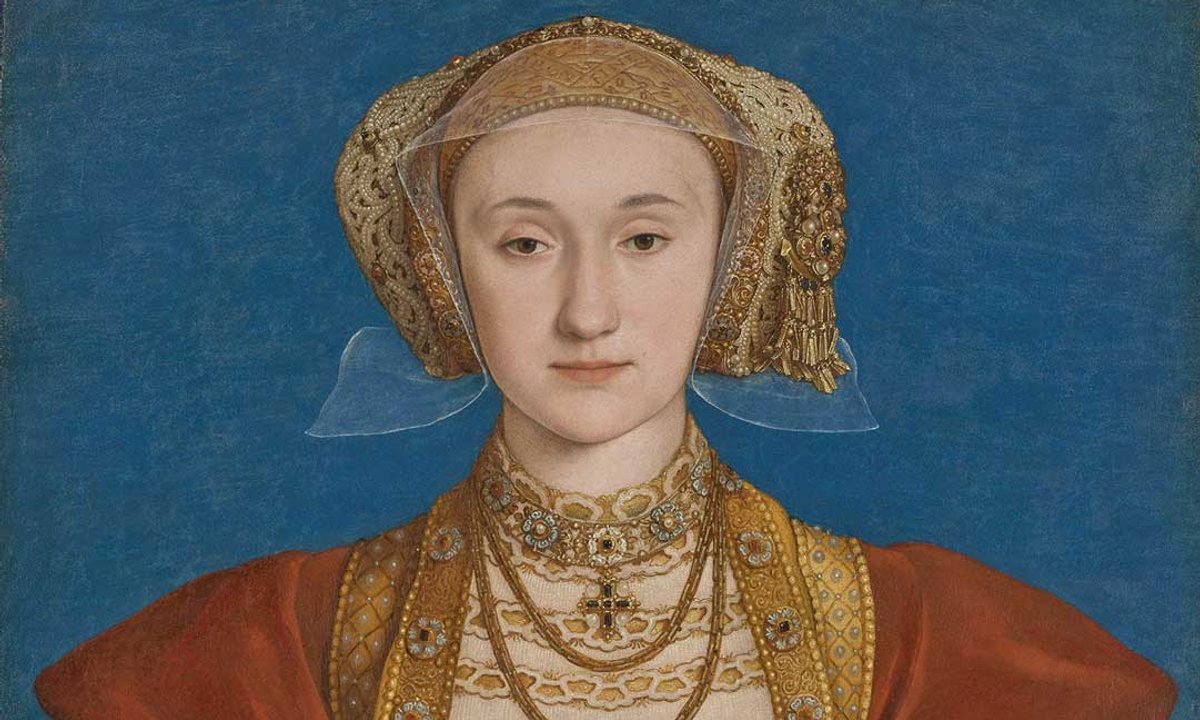
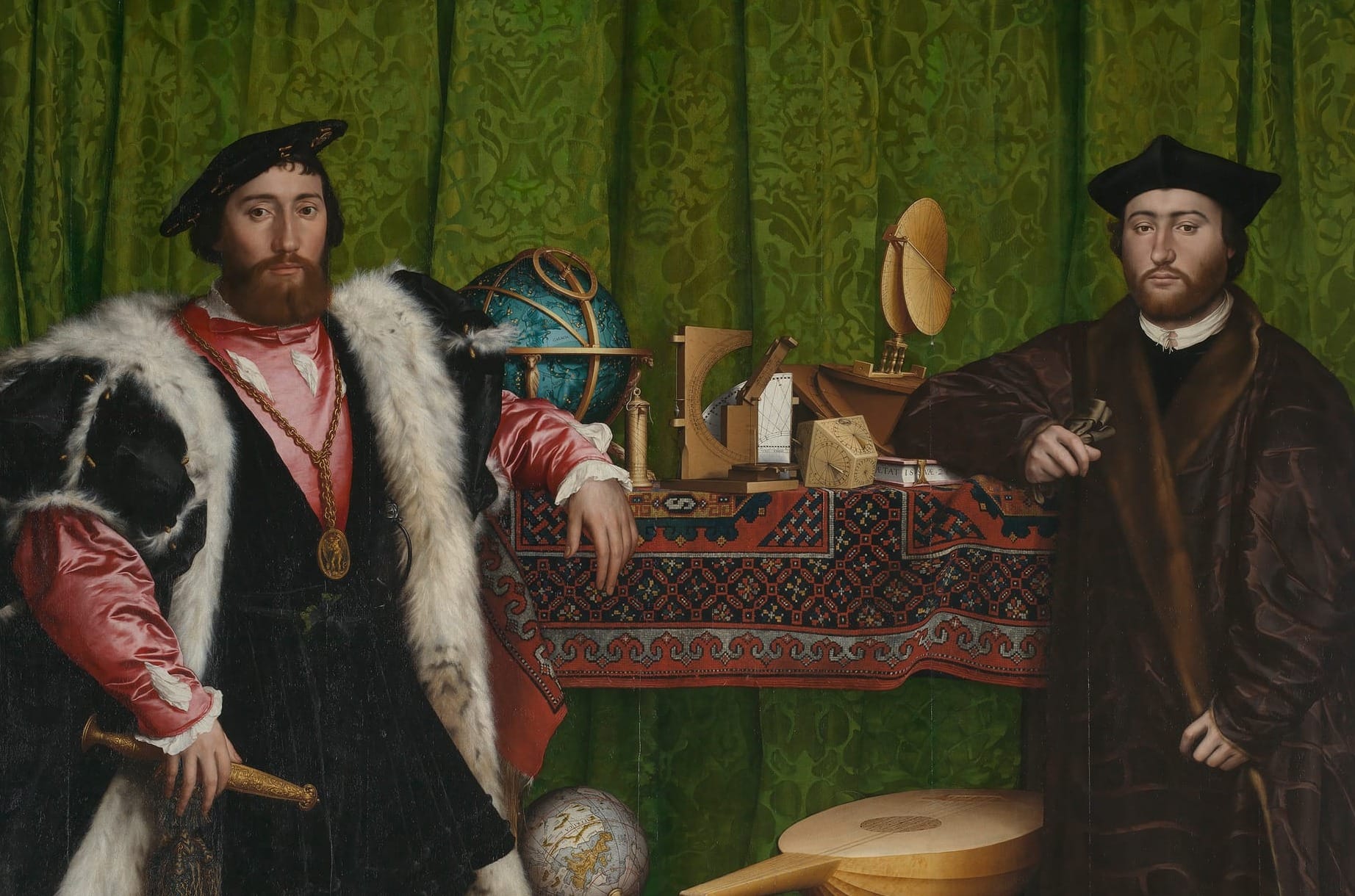
A new biography by art historian Elizabeth Goldring, titled "Holbein: Renaissance Master," traces the journey of German painter Hans Holbein the Younger from his humble beginnings in Augsburg to becoming the official painter of King Henry VIII in Tudor England. The book, already released in the U.K. and hitting U.S. bookshops on January 6, examines how Holbein's portraits—including the iconic image of Henry VIII and rival courtiers Thomas More and Thomas Cromwell—defined the visual legacy of the Tudor dynasty. Goldring highlights Holbein's ability to confer power through paint, with his works still shaping global perceptions of the Tudors centuries later.

Hans Holbein Painted the Human

A new book, 'Holbein: Renaissance Master' by Elizabeth Goldring, published by Yale University Press and the Paul Mellon Centre, offers a comprehensive scholarly examination of the 16th-century German painter Hans Holbein the Younger. The review focuses on Holbein's masterful portraiture, particularly his depictions of opposing Tudor-era figures like Sir Thomas More and Thomas Cromwell, which are highlighted as embodying the era's complex political and religious tensions through their visual presentation at the Frick Collection in New York.

Holbein biography interrogates the artist's life and work from a different angle

Elizabeth Goldring’s new biography of Hans Holbein the Younger takes a documentary-focused approach, prioritizing archival evidence over visual analysis. The book examines Holbein’s life (1497/8–1543) through chronological chapters, using inventories, correspondence, and other records to correct long-held assumptions and propose new theories about his work. Goldring’s detective work includes identifying the green curtain in Holbein’s portrait of Sir Thomas More as a reference to the sitter’s role as chancellor of the Duchy of Lancaster, and suggesting that a lost painting of the More family was given to Erasmus as a gift.