filter_list Showing 4 results for "final paintings" close Clear
dashboard All 4 museum exhibitions 2candle obituary 1article news 1
date_range Range Today This Week This Month All
Subscribe

Controversial Painter Georg Baselitz Knew His Venice Show Would Be His Last. He Went Out Quietly.

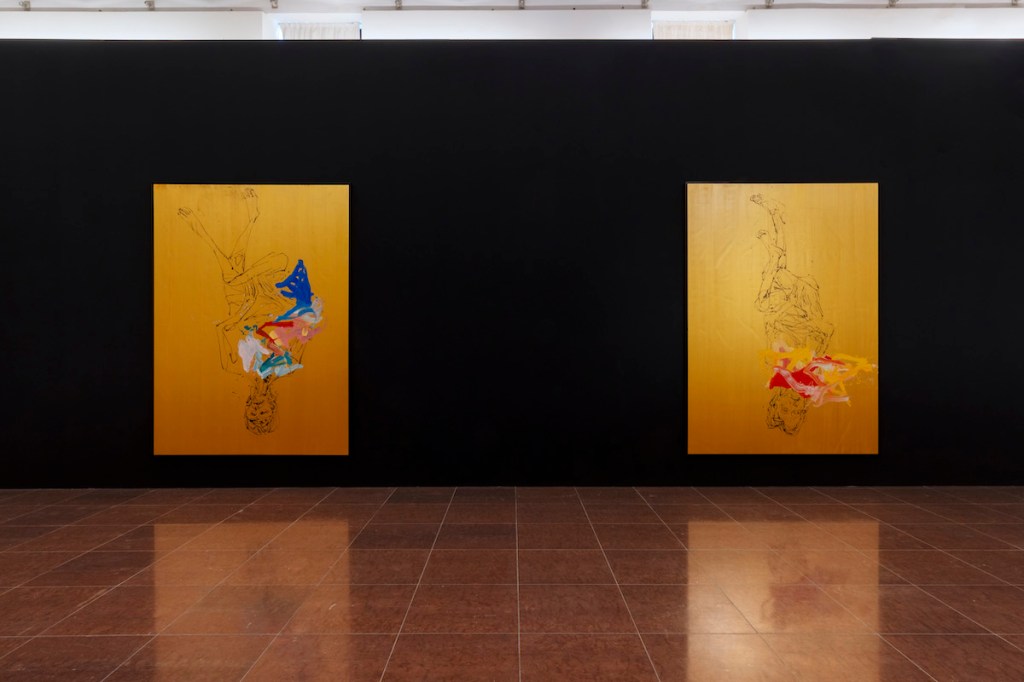
Six days after Georg Baselitz's death, his dealer Thaddaeus Ropac opened "Eroi d'Oro" ("Heroes of Gold") at the Fondazione Giorgio Cini in Venice. The exhibition features the final paintings Baselitz made before he died in April at age 88. In a prerecorded film, Baselitz calls these works his "last paintings," intended as a summation of his six-decade career. The large-scale, gold-ground paintings depict thin, ink-like figures of himself or his wife Elke lying horizontally, floating in undefined space. Baselitz connected the gold grounds to Fayum mummy portraits, Sienese altarpieces, and Byzantine icons, using them to absorb space and create a shadowless, eternal condition.
George Baselitz, Purveyor of the Tortured Male Genius Myth, Dies at 88

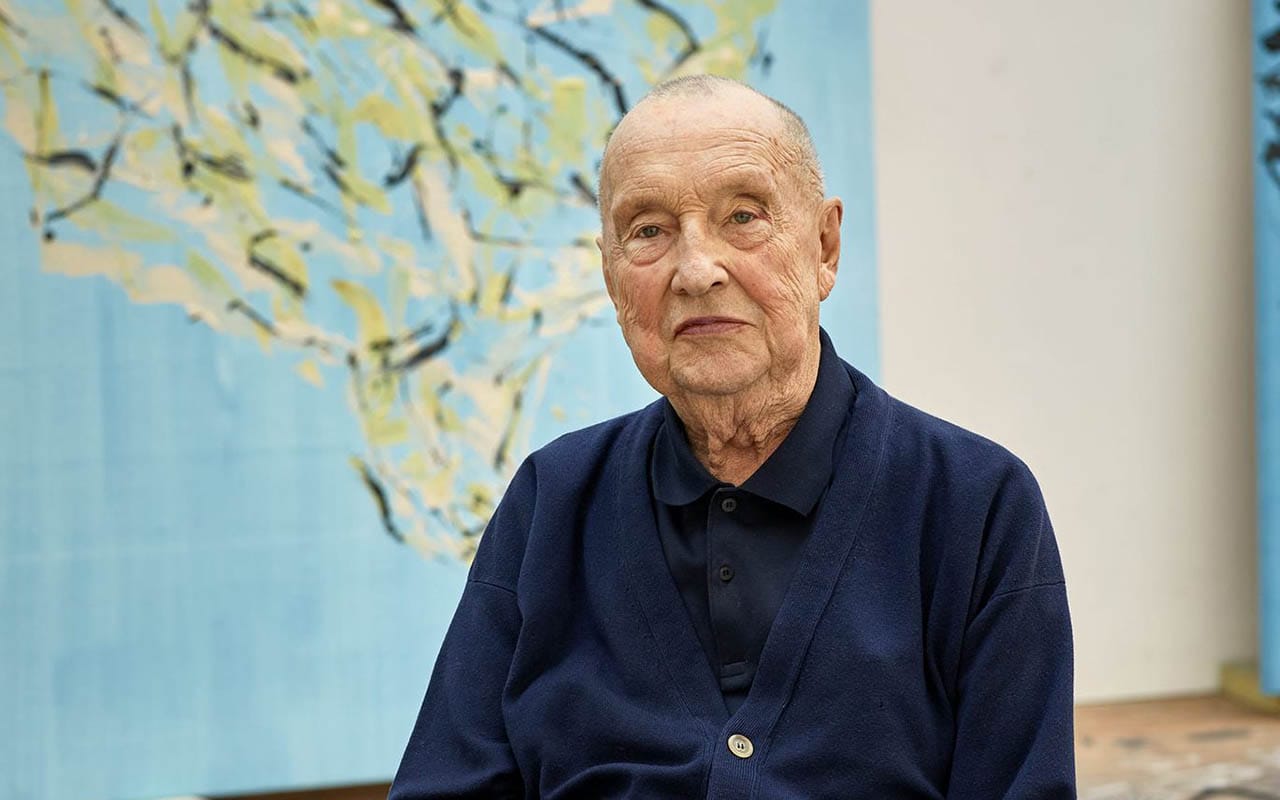
Georg Baselitz, the influential German Neo-Expressionist painter known for his emotionally charged, often violent works and his controversial statements about women artists, has died at age 88. His final paintings will be shown in the exhibition "Eroi d’Oro" at the Fondazione Giorgio Cini in Venice starting May 6. Baselitz rose to prominence with his "Heroes" series of monumental male soldiers and his signature "upside down" paintings, which forced viewers to focus on painterly gesture over representation. He was a key precursor to Germany's Neue Wilde movement and confronted Germany's World War II trauma in works that combined expressionistic brutality with Wagnerian grandeur.

Seurat and the Sea Is Postcard Perfect

Seurat and the Sea Is Postcard Perfect

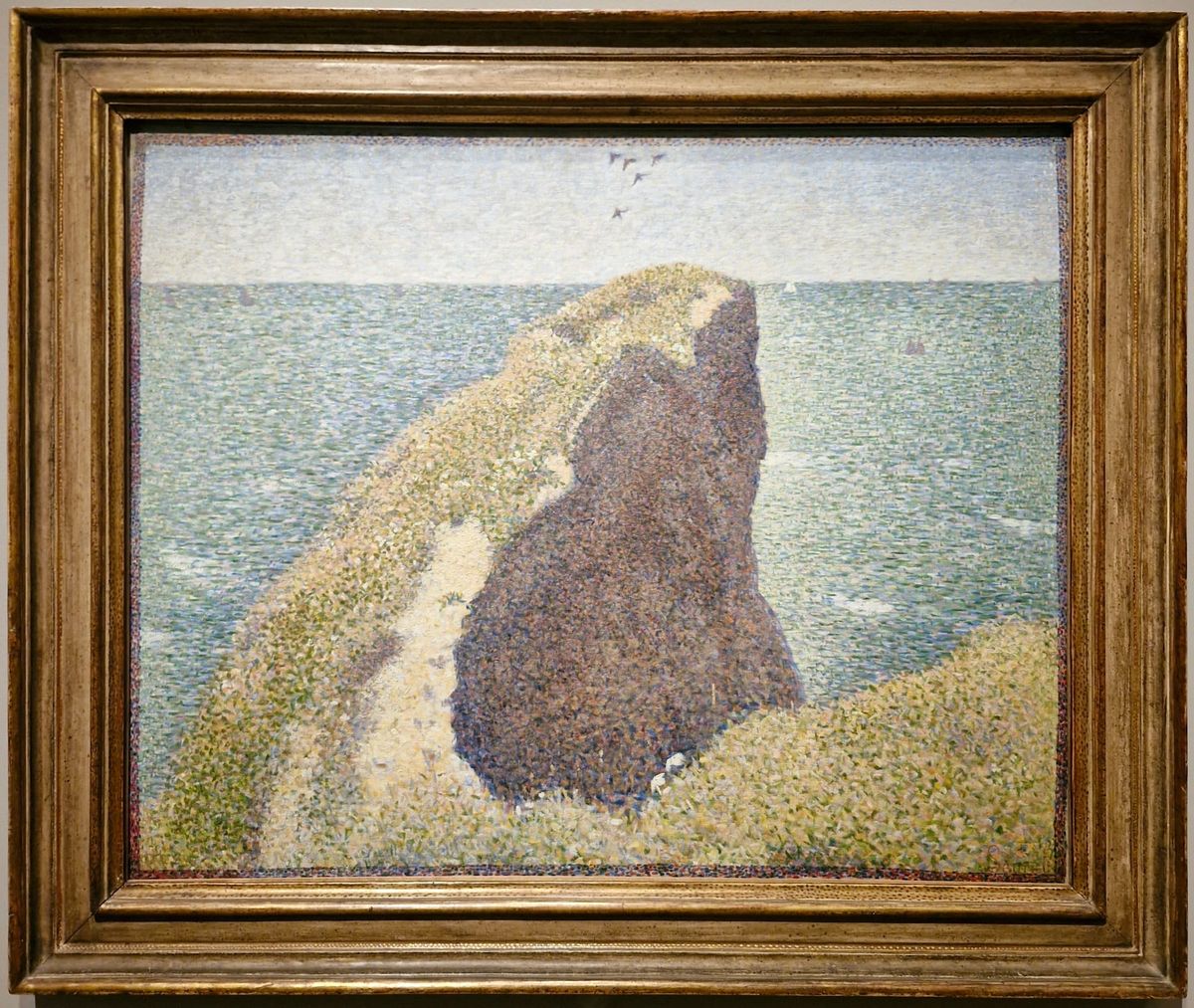
The Courtauld Gallery in London is hosting 'Seurat and the Sea,' the UK's first exhibition dedicated to Georges Seurat's seascapes. The show features over half of the artist's lifetime output of canvases, painted during summer trips to the Channel coast between 1885 and 1890, which he intended as visual cleansers from studio work. The exhibition highlights his pointillist technique, using contrasting dots of color to capture seaside light.

How Tate's Emily Kam Kngwarray show is revealing the fraught market dynamics of Aboriginal art

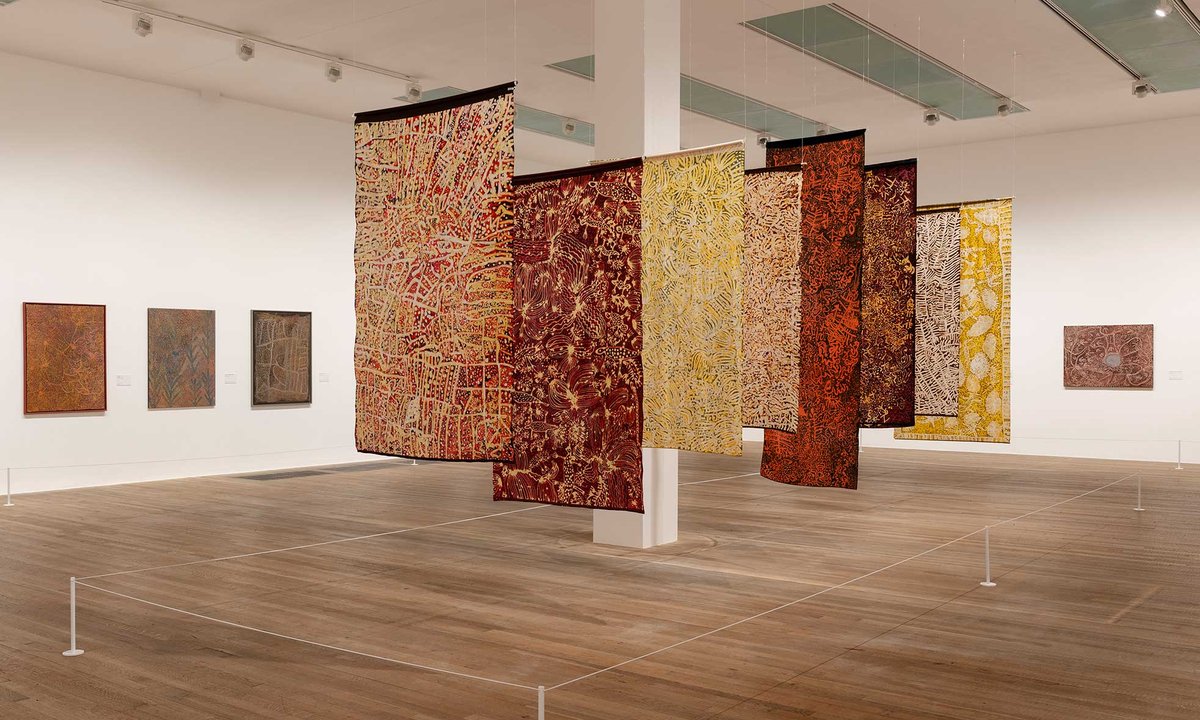
Tate Modern in London is hosting a major solo exhibition of Emily Kam Kngwarray, the celebrated Aboriginal artist who rose to fame in the late 1980s and early 1990s. The show, first presented at the National Gallery of Australia in Canberra, features works from the height of her career, deliberately omitting some of her final paintings due to concerns about the circumstances under which they were created. Curators Kelli Cole and Hetti Perkins highlight how Kngwarray's rapid success attracted dealers and entrepreneurs who exploited the artist and her community, revealing an opaque market system that took advantage of artists' inexperience and poor socio-economic conditions.