filter_list Showing 64 results for "florentina holzinger" close Clear
search
dashboard All 64 museum exhibitions 45article news 6rate_review review 5article culture 4candle obituary 2trending_up market 1person people 1
date_range Range Today This Week This Month All
Subscribe

Who Went to Venice Last Week? Jenny Saville, Glenn Lowry, Jewel, and Many Other Power Players

Artnet News reporter Katya Kazakina recounts her experience at the opening week of the 61st Venice Biennale, describing a whirlwind of art, parties, and chance encounters. Notable figures spotted include former MoMA director Glenn Lowry, singer-songwriter Jewel (who debuted her visual art show "Matriclysm: An Archaeology of Connections Lost"), and Japanese Nintendo heir and collector Banjo Yamauchi. High-profile events included Thaddaeus Ropac gallery's reception for Georg Baselitz's final paintings (priced up to $1.5 million) and François Pinault's annual party at Fondazione Giorgio Cini, attended by Selma Hayek, Lorna Simpson, and JR. The article also highlights the social dynamics of the biennale, where dealers, curators, and collectors network across historic palazzos and hotels.
Venice Biennale 2026 Highlights: Arsenale & Giardini

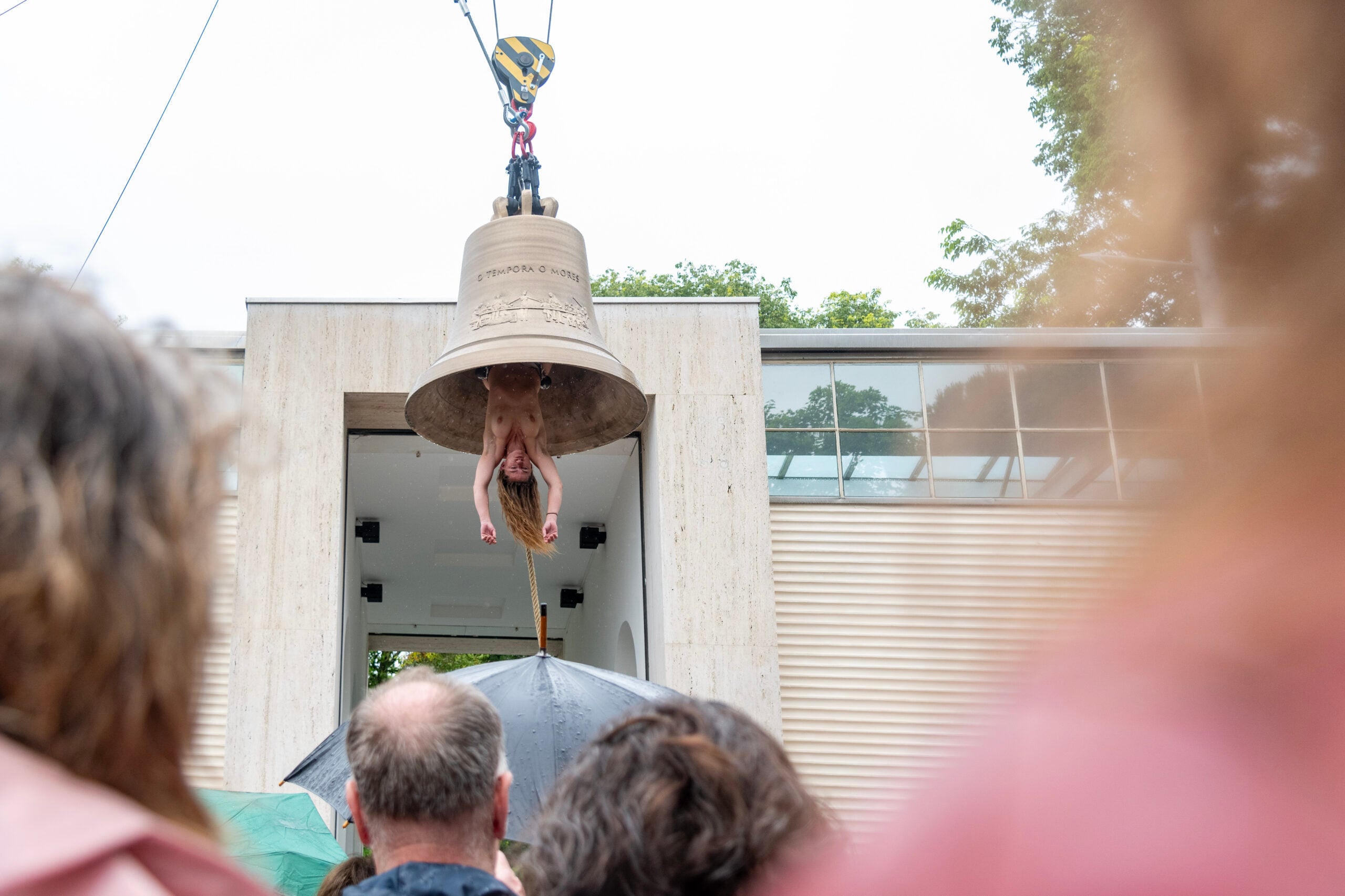
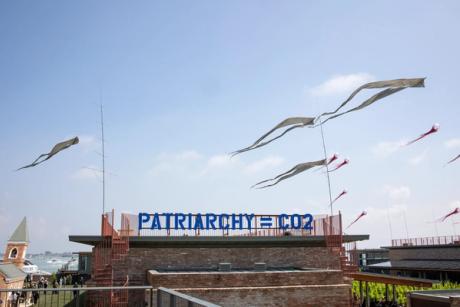
ArtReview editors highlight the must-see national pavilions at the 61st Venice Biennale, running from 9 May to 22 November 2026. Notable presentations include Austria's Florentina Holzinger turning her pavilion into a toilet and sewage-treatment plant with naked performers, and Germany's pavilion featuring works by Sung Tieu and the late Henrike Naumann, who died in February 2026, exploring East German memory and conceptual minimalism.

At the Venice Biennale, the Thrill of Victory, the Agony of Defeat

The article reports on the opening of the 61st Venice Biennale, highlighting the central exhibition "In Minor Keys" conceived by the late Koyo Kouoh, along with national pavilions and collateral events. It notes standout contributions from artists such as Alvaro Barrington, Kaloki Nyamai, Florentina Holzinger, Ei Arakawa-Nash, Li Yi-Fan, and Dries Verhoeven, while describing the American pavilion as lackluster and the overall commercial offerings as uneven. The text also covers performances and exhibitions featuring nudity and body horror, including Tino Sehgal's "The Kiss" and Maja Malou Lyse's video with the collective DIS.

Venice Biennale 2026: all the national pavilions, artists and curators so far

The 61st edition of the Venice Biennale, the world's oldest and most prestigious art biennial, will open on 9 May 2026 and run through 22 November. The main exhibition follows the curatorial plan of the late Koyo Kouoh, while national pavilions have been announcing their participating artists and organizers. The article provides a comprehensive list of confirmed pavilions so far, including artists such as Genti Korini (Albania), Matías Duville (Argentina), Khaled Sabsabi (Australia), Florentina Holzinger (Austria), Faig Ahmed (Azerbaijan), and many others, with details on venues and organizers.

2026 Venice Biennale pavilions: your go-to list [Updated]

ArtReview has compiled a running list of national pavilions for the 61st Venice Biennale, running from 9 May to 22 November 2026. The Biennale was set to be curated by Koyo Kouoh, who died on 10 May 2025. Recent announcements include Haitham Al Busafi representing Oman, Genti Korini representing Albania with a three-channel video installation titled 'A Place in The Sun (still)', and Matías Duville representing Argentina with an interactive salt-and-charcoal installation. The Australia Pavilion will feature artist Khaled Sabsabi and curator Michael Dagostino, who were initially dropped due to controversy over Sabsabi's 2007 film 'You' but later reinstated. Florentina Holzinger will represent Austria with a water-themed performance.

What You Should Definitely Avoid in Venice

Was man in Venedig unbedingt vermeiden sollte

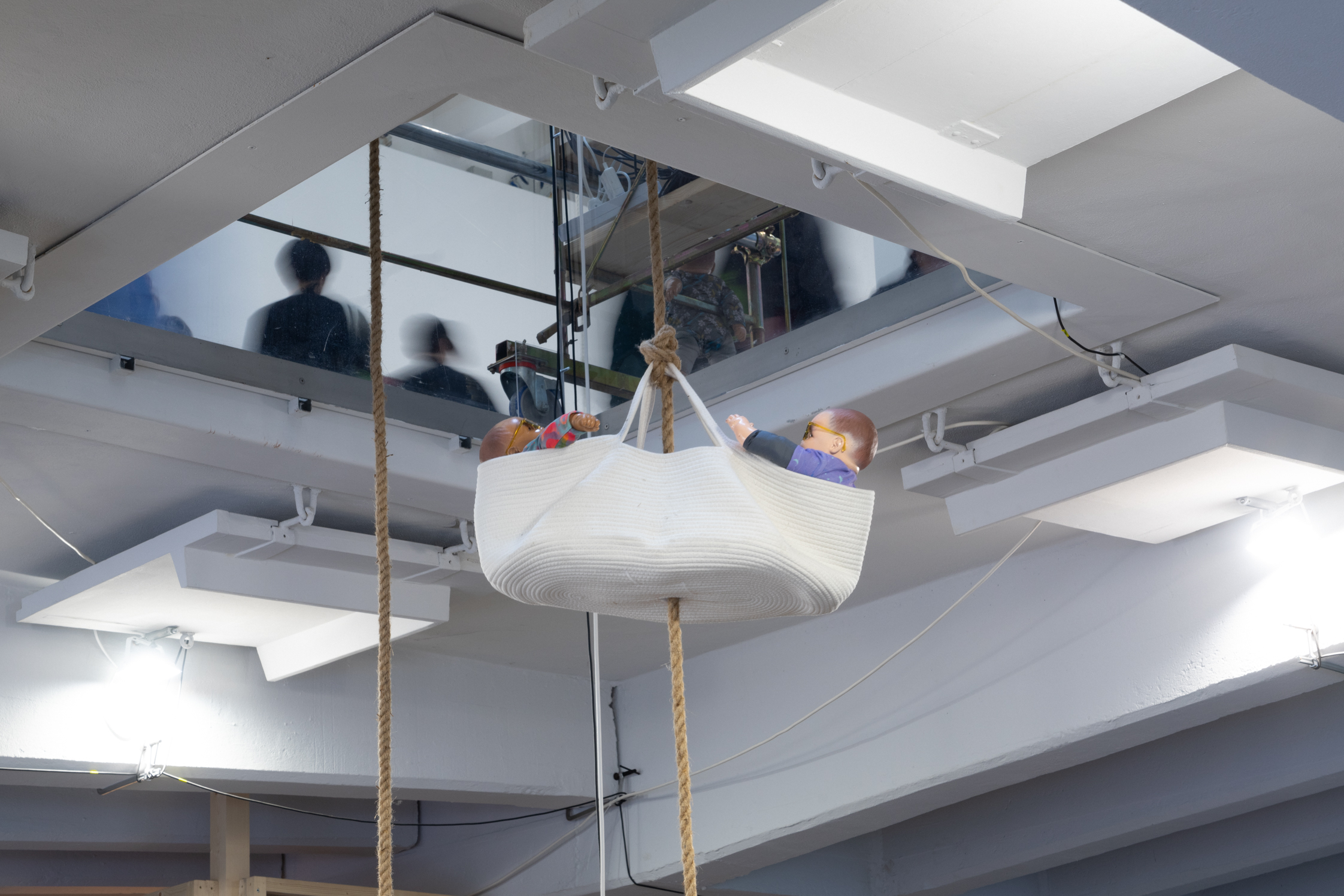
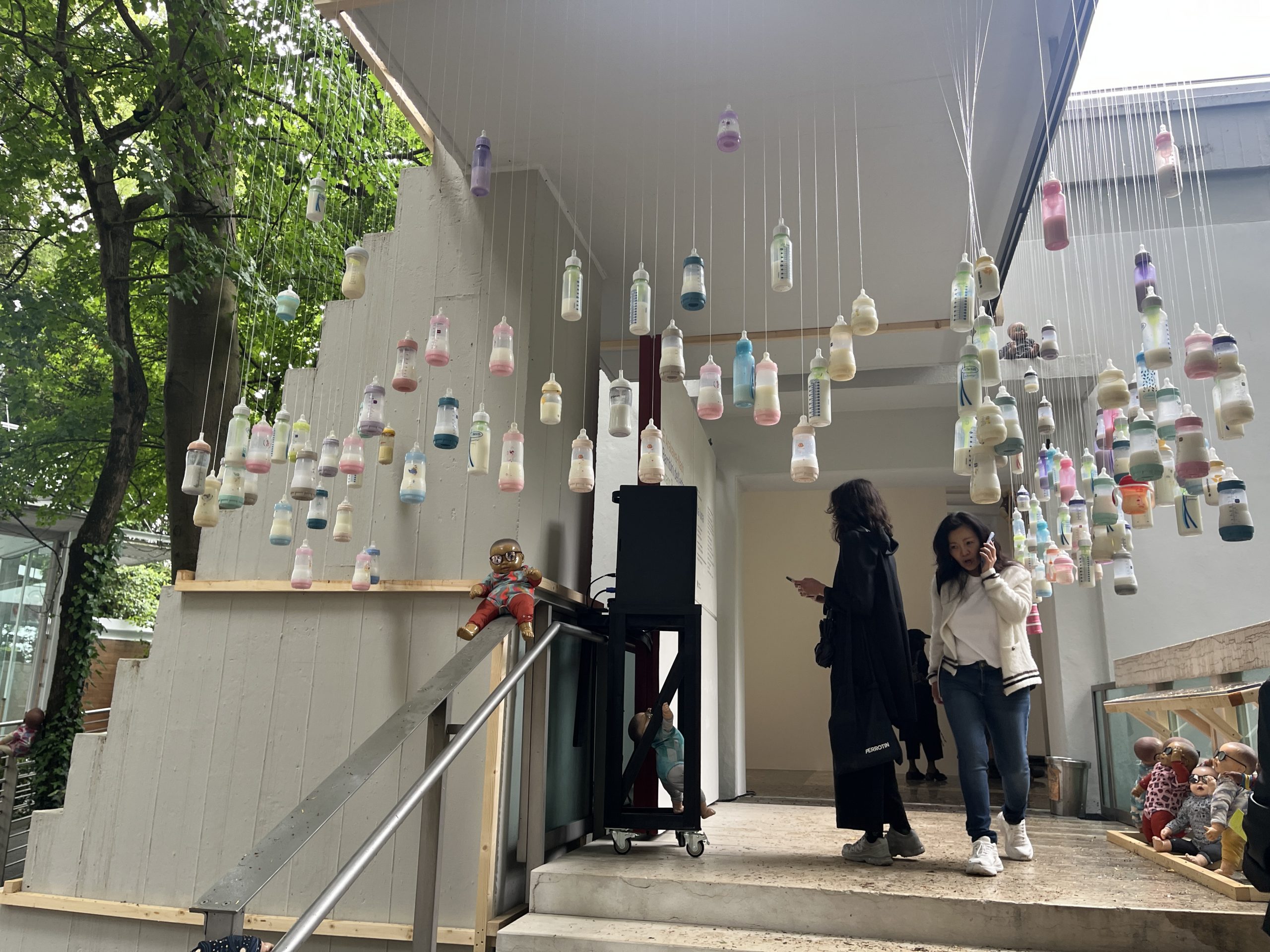
The article humorously critiques the Venice Biennale, highlighting several disappointments. It describes a Japanese pavilion installation by Ei Arakawa-Nash featuring baby dolls for diaper-changing, which a critic dismisses as a male artist over-romanticizing parenthood. Other flops include long queues for the German and Austrian pavilions, underwhelming main exhibition "In Minor Keys," and annoying self-promotional performers outside venues. The piece also laments the presence of loud American collectors and donors who dominate the event.

5 Trends Shaping the 2026 Venice Biennale

The 2026 Venice Biennale has opened to the public, featuring the main exhibition 'In Minor Keys' conceived by the late Cameroonian Swiss curator Koyo Kouoh, who died unexpectedly in May 2025. Kouoh, the first African woman appointed to lead the Biennale, had her curatorial team—including Rasha Salti, Marie Hélène Pereira, and Gabe Beckhurst Feijoo—carry forward her vision of art as a 'shared and sustaining force.' The opening was weighted with politics and emotion.

Naked jetskiers, giant bells and a celebrity seagull! Venice Biennale’s wildest moments – in pictures

The Guardian presents a photo essay capturing the most eccentric and memorable moments from the 61st Venice Biennale, running until 22 November 2026. Photographer David Levene documents installations including a concrete 'Origami Deer' evacuated from war-torn Pokrovsk, Ukraine, by artist Zhanna Kadyrova; a seagull that became a minor celebrity after nesting outside the Polish pavilion; and the Holy See pavilion's immersive sound installation curated by Hans Ulrich Obrist and Ben Vickers. Other highlights include the Egyptian pavilion's touch-and-smell 'Silence Pavilion' and a Polish pavilion film featuring deaf and hearing singers.

Tate Britain will Exhibit ‘90s Art and Fashion, and Other News.

Tate Britain will stage "The 90s: Art and Fashion" in autumn 2026, guest curated by Edward Enninful, featuring nearly 70 artists, designers, and photographers including Steve McQueen, Damien Hirst, Alexander McQueen, and Vivienne Westwood. The exhibition explores how the decade reshaped British cultural identity through art, fashion, and social commentary, highlighting DIY anti-fashion aesthetics and themes of identity, race, class, and representation. Separately, Gagosian opened a new ground-floor flagship at 980 Madison Avenue in New York, replacing its longtime sixth-floor space after 37 years. A rare 17th-century Mughal astrolabe is heading to Sotheby's London with a £1.5–2.5 million estimate. Fondazione Sozzani launched an award for emerging creative talent. A Manhattan federal jury ordered art publisher Michael McKenzie to pay $102.2 million in damages to the Morgan Art Foundation for producing unauthorized works by Robert Indiana.

What does a woman swimming in urine tell us about the state of the world? Lots! – Venice Biennale review

The 2026 Venice Biennale, curated by the late Koyo Kouoh under the theme "In Minor Keys," has been plagued by months of turmoil including countries withdrawing, artists being fired, exhibitions cancelled, funding pulled, and protests during the preview. A five-person curatorial team took over after Kouoh's death, resulting in what the critic describes as a disjointed, committee-driven exhibition that prioritizes quiet contemplation and healing over direct political engagement. The central shows in the Giardini and Arsenale feature a vast, poorly explained array of art from the global south, with installations of ceramics, textiles, slide projectors, and serene natural scenes that the critic finds anachronistic and dull.

It’s the Most Controversial Venice Biennale in Years. Can the Art Stand Up to the Noise?

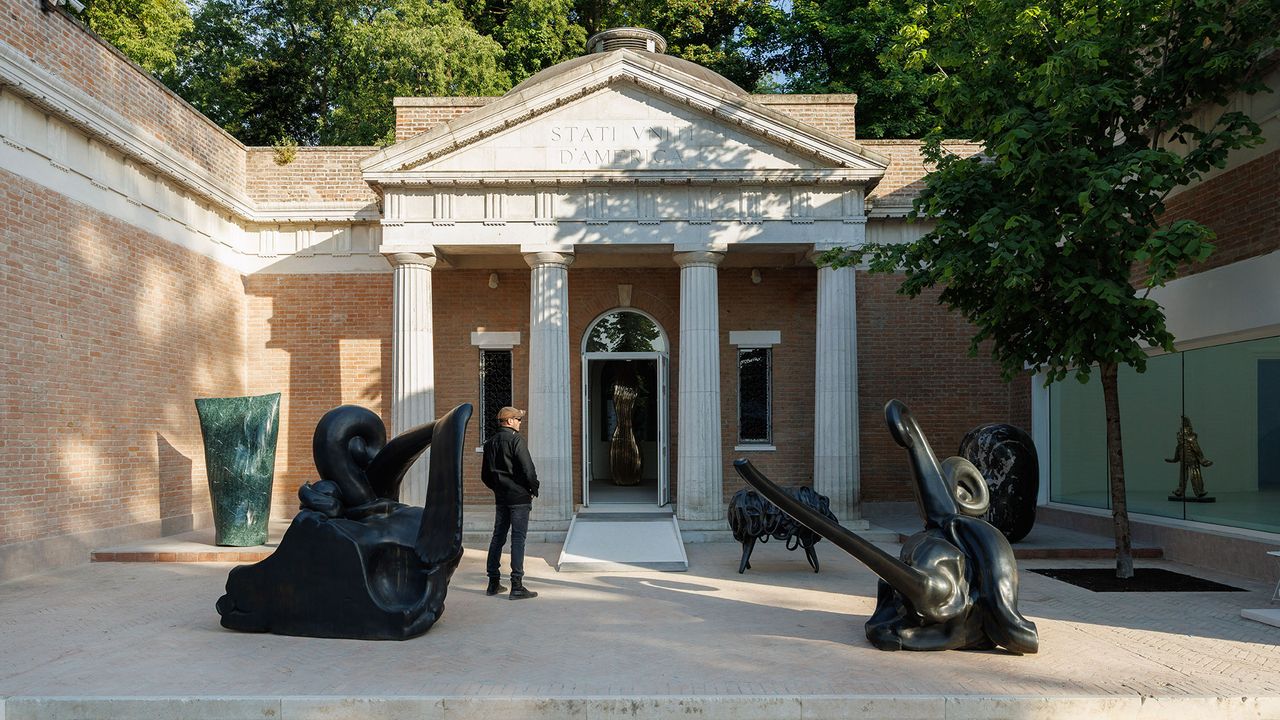
The 2026 Venice Biennale is embroiled in controversy, with the US Pavilion at the center of a political storm. The Trump administration's State Department overhauled the selection process, bypassing the usual NEA panel and commissioning a nonprofit, the American Arts Conservancy, to organize the pavilion. Artist Alma Allen, who accepted the invitation despite threats from galleries and curators, presents a show that critics find politically muted. The Biennale's jury resigned days before the opening, and annual prizes were canceled, adding to the turmoil.

Our pick of the best pavilions at the 61st Venice Biennale

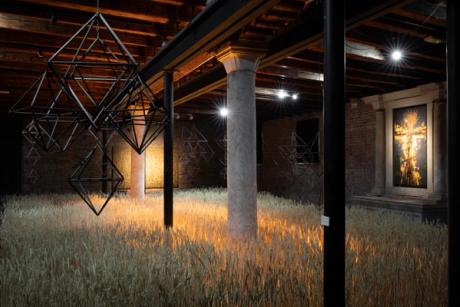
The article highlights standout national pavilions at the 61st Venice Biennale. The Belarus Pavilion features a powerful installation by the Belarus Free Theatre, including a wheat field built by former political prisoners, straw spiders made from prison bars, and a confession booth that runs facial recognition. The Brazil Pavilion presents a joint exhibition by Rosana Paulino and Adriana Varejão, focusing on colonial wounds and trauma through works like Paulino's 'Aracnes' and Varejão's 'Still Life amid Ruin'. The Bosnian Pavilion by Mladen Bundalo invites tactile engagement with themes of diaspora and migration, while the Austrian Pavilion by Florentina Holzinger draws attention with nude performers in water-filled pools.

Sex Dreams, Piss Takes, and Fake Trends: A Week in the NY Art World With Domenick Ammirati

Domenick Ammirati returns to New York after a year-long writing residency in Siena and Provincetown to cover the spring art fairs, including Frieze New York 2026. He observes a notably calm art week, attributing the subdued atmosphere to the fair's proximity to the Venice Biennale, which left key players exhausted. Highlights include a Rei Kawakubo installation at Independent, Gucci's Cruise show in Times Square, and MoMA PS1's 50th anniversary gala, where he mingles with curator Jody Graf and spots Klaus Biesenbach.

Female nudity and art that stinks: key takeaways from Venice Biennale 2026

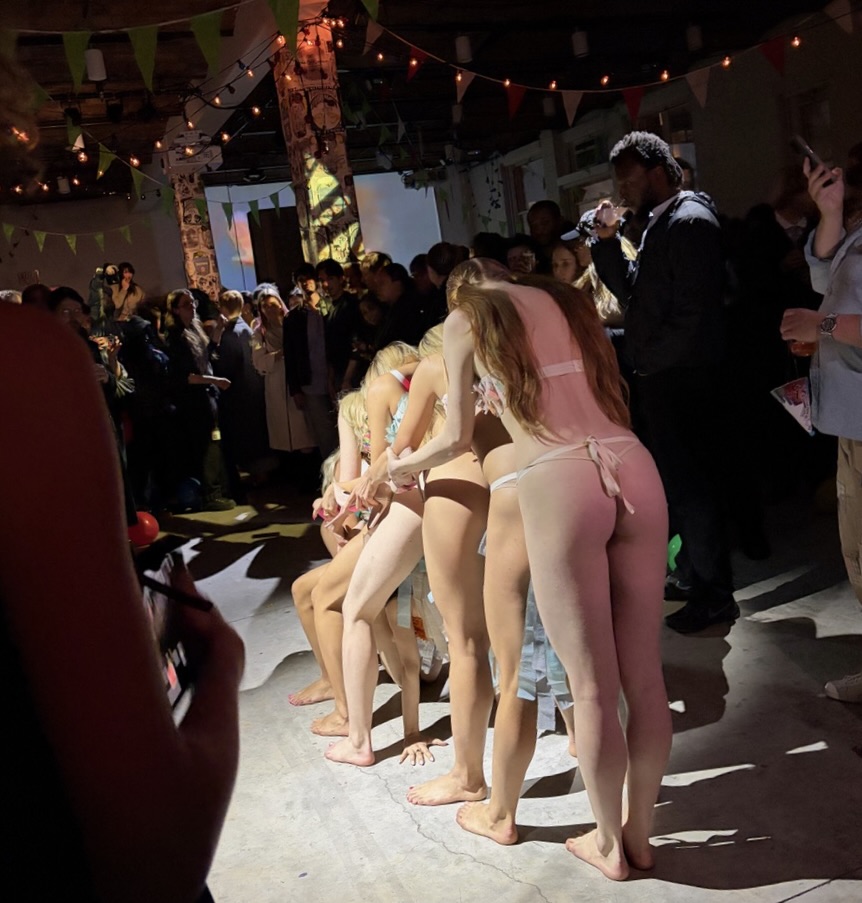
The 2026 Venice Biennale opened with 99 participating countries, including first-timers Somalia and Qatar, under the shadow of curator Koyo Kouoh's death. Her planned theme of "enhancement" and the main show "In Minor Keys" were disrupted by political protests: Pussy Riot objected to Russia's inclusion, and a strike against Israel's participation forced several national pavilions (UK, Austria, France) to close. Key takeaways include pervasive female nudity across pavilions, debates over Russia's presence, criticism of the US pavilion's lackluster art, maritime themes dominating several shows, and the rise of olfactory art.

A Time of Transition

During the preview week of the 61st Venice Biennale, escalating protests targeted the national pavilions of Israel and Russia, with demonstrations by Pussy Riot, ANGA (Art Not Genocide Alliance), and Baltic pavilions. A major protest on May 8 drew over 3,000 people in solidarity with Palestine, and 27 national pavilions—including Austria, the Netherlands, France, and Japan—staged a strike, the first at the Biennale since 1968. The Golden Lion jury resigned after declaring they would not consider countries under ICC investigation (Israel and Russia), and the Biennale administration replaced the prize with a visitors' award, from which half the artists in the main exhibition have withdrawn.

We visited the 2026 Venice Art Biennale: the exhibitions and pavilions you shouldn’t miss

The 2026 Venice Art Biennale has opened across the Giardini, Arsenale, and venues throughout the city, with geopolitics, climate collapse, and national identities dominating the exhibitions. Notable pavilions include Austria's "Seaworld Venice" by Florentina Holzinger, the Czech and Slovak Pavilion's "Il Silenzio della Talpa" by Jakub Jansa and Selmeci Kocka Jusko, India's "Geographies of Distance: remembering home" featuring multiple artists, and the Taiwan Pavilion's "Screen Melancholy" by Li Yi-Fan. The Russian Pavilion has become a focal point of controversy, with guards and empty beer bottles outside, and the Pussy Riot collective staging a protest nearby.

Hyperallergic’s Guide to the 2026 Venice Biennale

Hyperallergic has published its guide to the 2026 Venice Biennale, detailing what to see and do at this year's edition. The guide covers the three main categories of the Biennale—the Giardini with 29 permanent national pavilions, the Arsenale with temporary rented spaces, and collateral events across the city. Key developments include the return of Russia to its permanent Giardini pavilion and Israel's participation with a new contractual stipulation preventing its artist from closing the pavilion, after Ruth Patir's protest in 2024. South Africa withdrew following the cancellation of Gabrielle Goliath's video installation 'Elegy,' which mourns victims of Israel's genocide in Gaza and will now be shown at a historic church. The United States will be represented by Alma Allen after Barbara Chase-Riboud stepped down, and Qatar is set to become the first country in decades to build a new pavilion in the Giardini.

Review: The Good, The Bad and The Venice Biennale

The article reviews the 2024 Venice Biennale, focusing on controversies over Russia's and Israel's participation. Protests erupted during opening week, leading the EU to cut funding and the International Jury to resign. As a result, awards like the Golden Lion and Silver Lion will be decided by public vote, with many pavilions and artists withdrawing in protest. The main exhibition, curated under the theme 'Minor Keys,' features standout works by Alfredo Jaar and Carrie Schneider, alongside national pavilions like Austria's provocative entry by Florentina Holzinger.

‘Her crotchless trousers are etched in my brain for ever’: Valie Export remembered by the artists she influenced

Valie Export, the pioneering Austrian feminist artist known for provocative performances like *Tapp-und-Tastkino* (1968) and *Genital Panic* (1969), is remembered by four artists she influenced: Peaches, Florentina Holzinger, Joan Jonas, and Candice Breitz. Each shares personal reflections on Export's radical use of the female body as a political weapon, her confrontational public interventions, and her legacy of civil disobedience against patriarchal structures.

Venice Biennale 2026: What are the major trends that will mark the 99 national pavilions?

Biennale de Venise 2026 : quelles sont les grandes tendances qui vont marquer les 99 pavillons nationaux ?

The article previews the 2026 Venice Biennale, highlighting key trends across its 99 national pavilions. Major themes include the hybridization of theater, dance, and performance, particularly in pavilions from Austria, Luxembourg, Belgium, and Lithuania, where artists like Florentina Holzinger, Aline Bouvy, Miet Warlop, and Eglė Budvytytė use radical, body-centric works. Geopolitical engagement is also central, with the Ukrainian pavilion featuring Zhanna Kadyrova's work on resistance and the British pavilion exploring themes of exile and migration. Other notable pavilions include Spain's focus on imagery, a sound installation for the Vatican, a polyphonic piece for Romania, and a film on sign language song for Poland.

Best in Show: 6 Standouts at the 2026 Venice Biennale

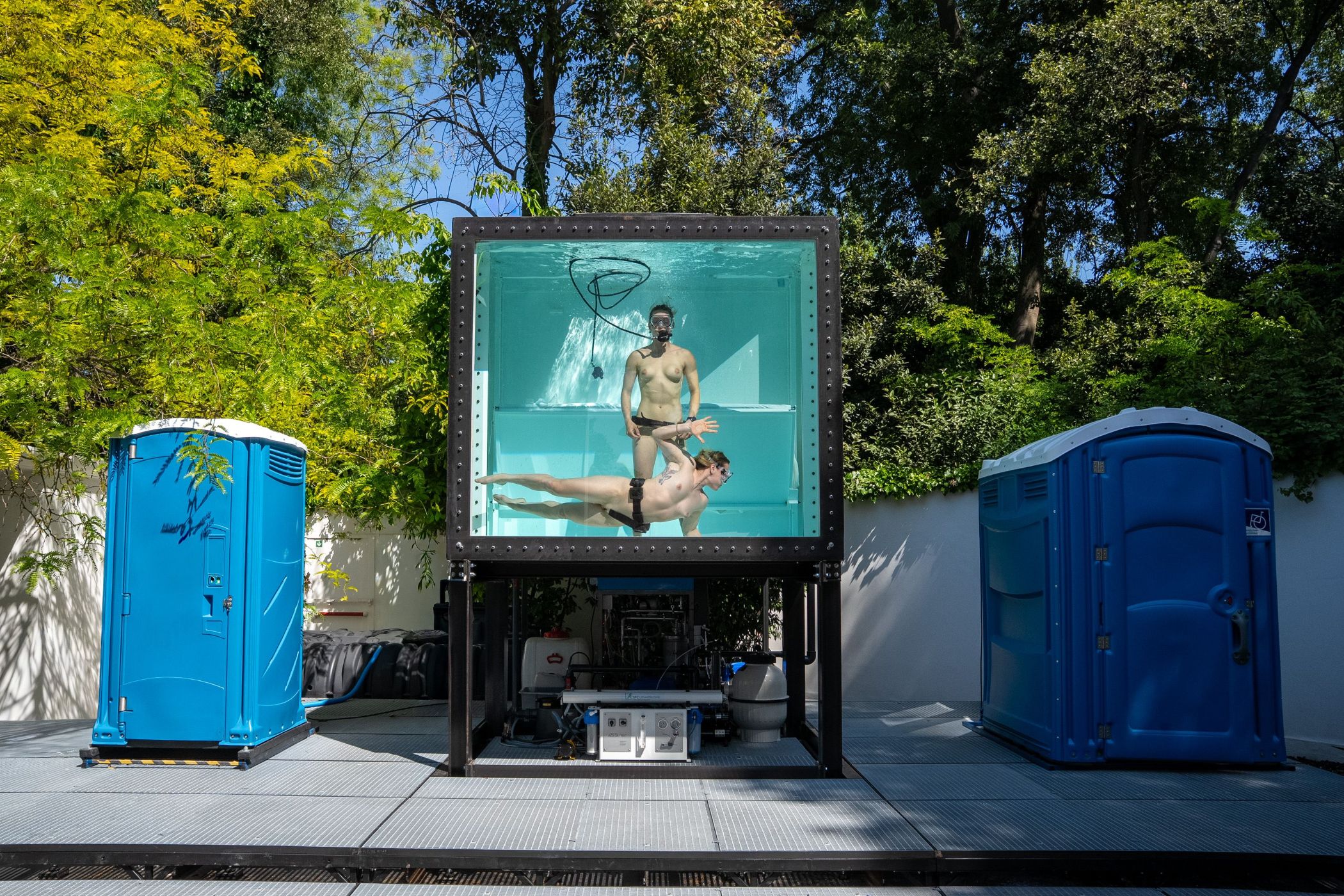
Artnet News writers highlight six standout exhibitions at the 2026 Venice Biennale, which opens to the public on May 9. Among the picks are Ei Arakawa-Nash's interactive installation "Grass Babies, Moon Babies" at the Japan Pavilion, featuring baby dolls and diaper-changing stations; Florentina Holzinger's provocative performance "Seaworld Venice" at the Austria Pavilion, involving nude performers, jet skis, and recycled wastewater; and Dayanita Singh's photographic exhibition "Archivio" at the State Archives of Venice, presenting intimate black-and-white images arranged as freestanding columns.

What Every Collector Should Know About Buying Performance Art

Artsy Editorial explores the complexities of collecting performance art, explaining that ownership typically involves acquiring documentation, scores, or rights to reactivate a performance rather than the live event itself. The article outlines how artists, dealers, and collectors navigate transactions for this ephemeral medium, addressing the challenges of preservation, display, and market value.

Welcome to Venice: the shows you won’t want to miss at the 61st Biennale

The 61st Venice Biennale, titled "In Minor Keys," opens with a keynote exhibition conceived by the late Koyo Kouoh and realized by her team after her sudden death in May 2025. The show spans the Central Pavilion in the Giardini and the Arsenale, featuring 110 artists and collectives. Highlights include Bracha L. Ettinger's installation at the Hotel Metropole, where she transforms a room where Sigmund Freud wrote part of *The Interpretation of Dreams* into a feminist 'borderspace,' and works by artists such as Arthur Jafa, Richard Prince, Issa Samb, Beverly Buchanan, and Daniel Lind-Ramos. The exhibition explores themes of history, colonialism, war, and environmental destruction, aiming for a 'sotto voce' tone that nonetheless delivers powerful, liberating statements.

The best and worst we saw at the Venice Art Biennale 2026. Artribune's hits and flops

Il meglio e il peggio che abbiamo visto alla Biennale d’Arte di Venezia 2026. Top e flop di Artribune

The 61st Venice Biennale, titled "In Minor Keys" and directed by Koyo Kouoh, opened amid significant turmoil: the death of a newly appointed curator, diplomatic tensions over the presence of Russia and Israel, political protests, and the unprecedented collective resignation of the jury, which led to the Golden Lions being awarded by public vote for the first time. Despite this chaotic backdrop, the exhibition—featuring a record 100 national pavilions—has been widely praised for avoiding moralistic pedagogy and instead embracing visual seduction, formal quality, and sensory joy while addressing themes of identity, memory, colonialism, ecological crisis, and violence. The article highlights top and flop moments from the opening week, including strong showings by Biennale president Pietrangelo Buttafuoco and a standout exhibition at Fondazione Prada.

Venice Biennale 2026 Collateral Events Six Of The Best – Nico Kos Earle

The 61st Venice Biennale is described as the most contested and chaotic in recent history, marked by the absence of a curator following the death of Koyo Kouoh and overshadowed by global conflicts that made presentations in national pavilions fraught with difficulty. Amid this turmoil, standout collateral events include Michael Armitage's exhibition 'The Promise of Change' at Palazzo Grassi, curated by Jean-Marie Gallais and Hans-Ulrich Obrist, which uses softly painted scenes to address sociopolitical tensions and post-colonial identity. Another highlight is The Holy See Pavilion, curated by Hans Ulrich Obrist and Ben Vickers, featuring a sonic prayer by Soundwalk Collective with contributions from contemporary composers including Patti Smith.

What not to miss at the 2026 Venice Biennale

The article highlights five standout pavilions and installations at the 2026 Venice Biennale. Florentina Holzinger's Austrian pavilion features extreme, nude performances including a woman submerged in a urine-purified tank, drawing police attention. Sanya Kantarovsky presents eerie paintings and a Murano glass sculpture in a historic palazzo. Gabrielle Goliath's 'Elegy'—a hypnotic mourning performance for women killed in violence—was banned by South Africa but staged with London's Ibraaz. Carrie Schneider's 1.5km photographic curl in the Arsenale references Chris Marker's 'La Jetée'. Lydia Ourahmane's delicate sculptural show uses materials sourced from Venice, including a bead curtain made by inmates.

Venice in Crisis Mode

Venedig im Krisenmodus

The 61st Venice Biennale has opened under extraordinary circumstances, marked by political protests, a jury resignation, and canceled awards. The Biennale's jury resigned en masse after announcing they would exclude Israeli and Russian contributions from their decisions, leading to the cancellation of the Golden Lion awards and a crisis over the international competition's legitimacy. A newly introduced audience prize also faced boycotts from artists in solidarity. Protests, closed pavilions, and pro-Palestinian actions dominated the preview days, with artists pasting protest posters directly onto their works, reflecting heightened tensions.

Boats and trains, not planes: reflections on a greener—but sometimes greenwashed—Venice Biennale

The article recounts the author's train journey from London to Venice for the 61st Venice Biennale, highlighting the environmental benefits and pleasant experience of traveling by rail versus flying, despite higher costs and longer duration. It then focuses on the Biennale's central exhibition "In Minor Keys" curated by the late Koyo Kouoh, which foregrounds environmental themes through works that engage with earth, nature, and ecological stakes, featuring artists like Otobong Nkanga, Célia Vasquez Yui, Theo Eshetu, Linda Goode Bryant, and Annalee Davis.

Drained, Drowning, and Decay: The Best National Pavilions at the Venice Biennale

The 2026 Venice Biennale is defined by themes of ruin and decay, with standout national pavilions exploring bodily, infrastructural, and archaeological collapse. The Slovenian Pavilion features the Nonument Group repurposing materials from past Biennales into a ruin of a mosque for Bosnian Muslim soldiers from World War I. Syria presents its first national pavilion since the Civil War, with Sara Shamma invoking Palmyra, destroyed by ISIS. Germany's pavilion, titled "Ruin," features works by Henrike Naumann (who died in February) and Sung Tieu, questioning the pavilion's fascist architecture and nationalist residue. The Austrian Pavilion, curated by Florentina Holzinger, offers a visceral performance titled "Sea World." The Biennale is also marked by the abrupt resignation of its five-member jury, who refused to consider nations charged with crimes against humanity, leading to awards being chosen by public vote. Additionally, the main exhibition "In Minor Keys" was affected by the death of its curator, Koyo Kouoh.

Venice Diary Day 1: At the Giardini, Artists Refuse to Make Fascism Cozy

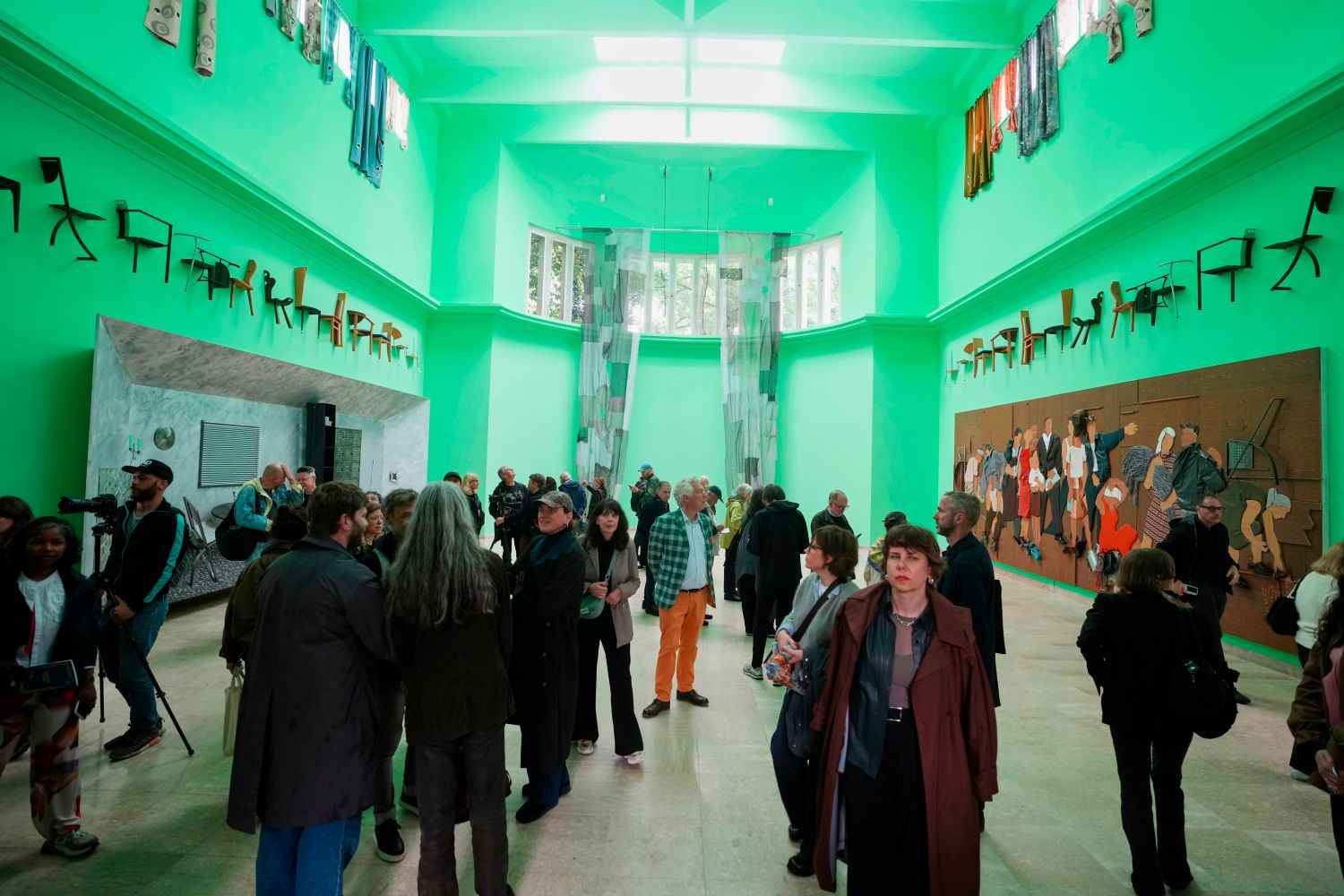
Henrike Naumann's posthumous installation at the German Pavilion, which retains its 1938 Nazi-era fascist architecture, refuses to make the space 'cozy' by adorning windows with violently ripped domestic fabrics. The 2026 Venice Biennale is the first under president Pietrangelo Buttafuoco, associated with neo-fascist politics, and is overshadowed by controversy over his 'neutrality' policy allowing all countries to participate despite human rights concerns. The exhibition jury initially announced it would not consider pavilions from countries whose leaders are charged with crimes against humanity, then abruptly quit, leaving the situation unresolved. The US Pavilion features unimpressive blobs by Alma Allen, while the Russian Pavilion offers cut flowers and free vodka, and Andreas Angelidakis responds to fascist aesthetics at the Greek Pavilion.