filter_list Showing 10 results for "french museums" close Clear
dashboard All 10 article policy 6museum exhibitions 2gavel restitution 2
date_range Range Today This Week This Month All
Subscribe

France Passes Landmark Restitution Law for Looted Art

France has passed a landmark restitution law for looted art, marking a significant shift in the country's approach to addressing Nazi-era confiscations and colonial-era acquisitions. The legislation establishes a legal framework for returning artworks and cultural objects to their rightful owners or heirs, streamlining a process that previously required case-by-case parliamentary approval. This law is expected to accelerate the return of thousands of items held in French museums and public collections.

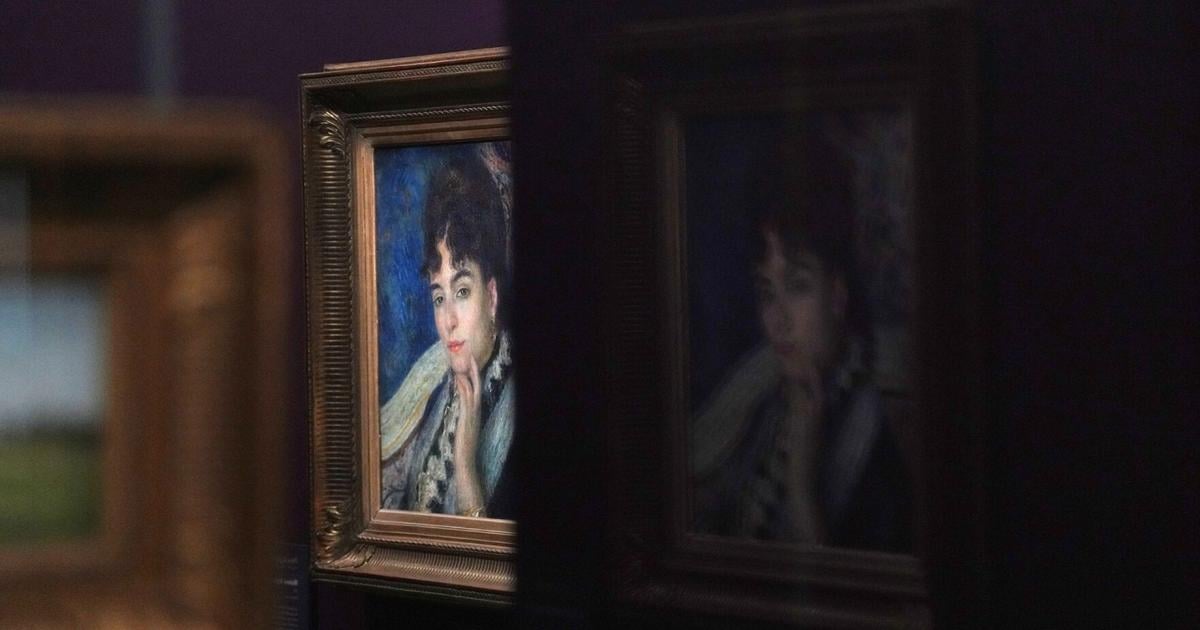
« À qui appartiennent ces œuvres ? » : le destin des biens culturels spoliés par les nazis au cœur d’un nouvel espace au musée d’Orsay

On May 5, the Musée d'Orsay in Paris inaugurated a new dedicated space in the Pavillon Amont for artworks looted during World War II that remain unclaimed by their owners or heirs. The room, titled "À qui appartiennent ces œuvres ?" ("Who owns these works?"), features thirteen pieces including sculptures by Auguste Rodin and paintings by Auguste Renoir, Edgar Degas, and Eugène Boudin. These represent a fraction of the museum's 225 MNR (Musées nationaux récupération) holdings, part of a national legacy of approximately 2,000 looted works still held in French museums.

Musée d’Orsay opens gallery dedicated to still-unclaimed works stolen by Nazis in WWII

The Musée d'Orsay in Paris has opened a permanent gallery dedicated to artworks believed to have been looted by the Nazis from Jewish owners during World War II, but whose rightful owners have not been identified. The exhibition, titled "Who owns these works?", features a rotating selection of 225 such pieces held by the museum, with twelve paintings and one sculpture currently on display. Works by Renoir, Degas, Rodin, and Alfred Stevens are included, alongside provenance research detailing their murky histories—such as a Degas ballroom scene acquired by a Jewish collector later murdered at Auschwitz.

How the State Supports Provenance Research

Comment l’État soutient la recherche de provenance

The French Ministry of Culture has created two specialized missions to assist museums in researching the provenance of their collections, addressing looted artworks, human remains, colonial acquisitions, and illicit trafficking. The Mission for Research and Restitution of Looted Cultural Property (M2RS), established in 2019, focuses on Nazi-era spoliations (1933-1945) with a budget of €220,000 annually, while the newer Mission "Provenance," launched in 2024 under curator Catherine Chevillot, covers human remains, colonial-era objects, and illicit goods with a €450,000 budget. These missions provide expertise, funding, and coordination with institutions like the Commission for the Restitution of Property and Compensation of Victims of Anti-Semitic Spoliation (CIVS), though most museums still only initiate provenance checks during acquisitions or donations.

Outsourcing Museum Reception: A Booming Model

Externaliser l’accueil dans les musées, un modèle en plein essor

French museums are increasingly outsourcing front-of-house services, including ticketing, reception, and crowd management, to specialized private firms. This trend, which gained momentum with the opening of the Musée du quai Branly in 2006, allows public institutions to focus internal resources on core missions like conservation and curation while utilizing flexible, external labor for high-traffic operations. The market for these cultural services in France is projected to reach approximately €50 million by 2025.

Parliamentary report calls for major changes at French museums in the wake of Louvre heist

A French parliamentary report published on 13 May, following the October 19 heist of the crown jewels at the Louvre, issues a damning assessment of the country's museum security and management. The commission heard around 100 testimonies and examined some 2,000 museums, dedicating a special chapter to the Louvre. It blames former director Laurence des Cars's leadership for a "dysfunctional drift" that prioritized contemporary art interventions and fashion shows over basic infrastructure and collection protection, allowing the heist to occur. The report lists rising threats including riots, burglaries, cyberattacks (which forced the National Museum of Natural History in Paris to cancel an exhibition after a ransomware attack in July 2025), and terrorist plots. It proposes 40 recommendations, including raising budgets by an estimated €20–25 billion over a decade, enhancing staff training, and overhauling museum leadership.

Outsourcing a service is not prohibited, but managing the provider's employees is

Externaliser un service n’est pas interdit, diriger les salariés du prestataire l’est

A wave of legal complaints has been filed against several major French cultural institutions, including the Louvre, the Pinault Collection, and the MuCEM, alleging illegal labor practices. Labor unions Sud-Culture, SUD-PTT, and Solidaires claim these museums are engaging in "illicit lending of labor" and "bargaining" by exercising direct authority over outsourced staff from third-party agencies like Marianne International and Pénélope. While outsourcing services like ticketing and reception is legal in France, the lawsuits argue that museums are illegally managing these external employees' daily schedules, rotations, and disciplinary actions as if they were their own staff.

La loi-cadre sur les restitutions définitivement adoptée par le Parlement

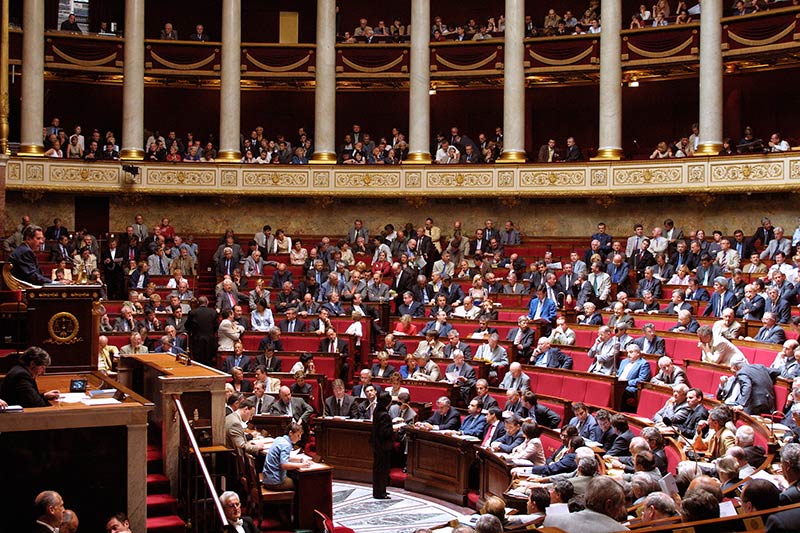
The French Parliament has definitively adopted a framework law on the restitution of cultural property that was illicitly acquired. The Senate unanimously approved the conclusions of the joint committee on May 7, following the National Assembly's approval on May 6, after an agreement was reached on April 30. The law establishes a general mechanism for returning objects from French public collections without requiring a specific law for each case, covering items acquired through looting, theft, forced sale, or other illicit means before the 1970 UNESCO Convention. It creates a permanent national commission and a bilateral scientific committee to assess claims, with restitution ultimately decided by government decree subject to legal review by the Council of State.

The Nicéphore-Niépce Museum is Standing Still

Le Musée Nicéphore-Niépce fait du surplace

The Musée Nicéphore-Niépce in Chalon-sur-Saône remains in a state of stagnation as long-promised modernization plans continue to stall. Despite over twenty-five years of proposals for a new facility or a "Cité de l'image," the project has become a political "sea serpent," hampered by budget cuts, staff reductions, and shifting municipal priorities. Most recently, the city declined to renew the contract of Fannie Escoulen, a former Ministry of Culture official hired to steer the project, further signaling a lack of progress.

France Passes Law Easing Process of Returning Looted Art

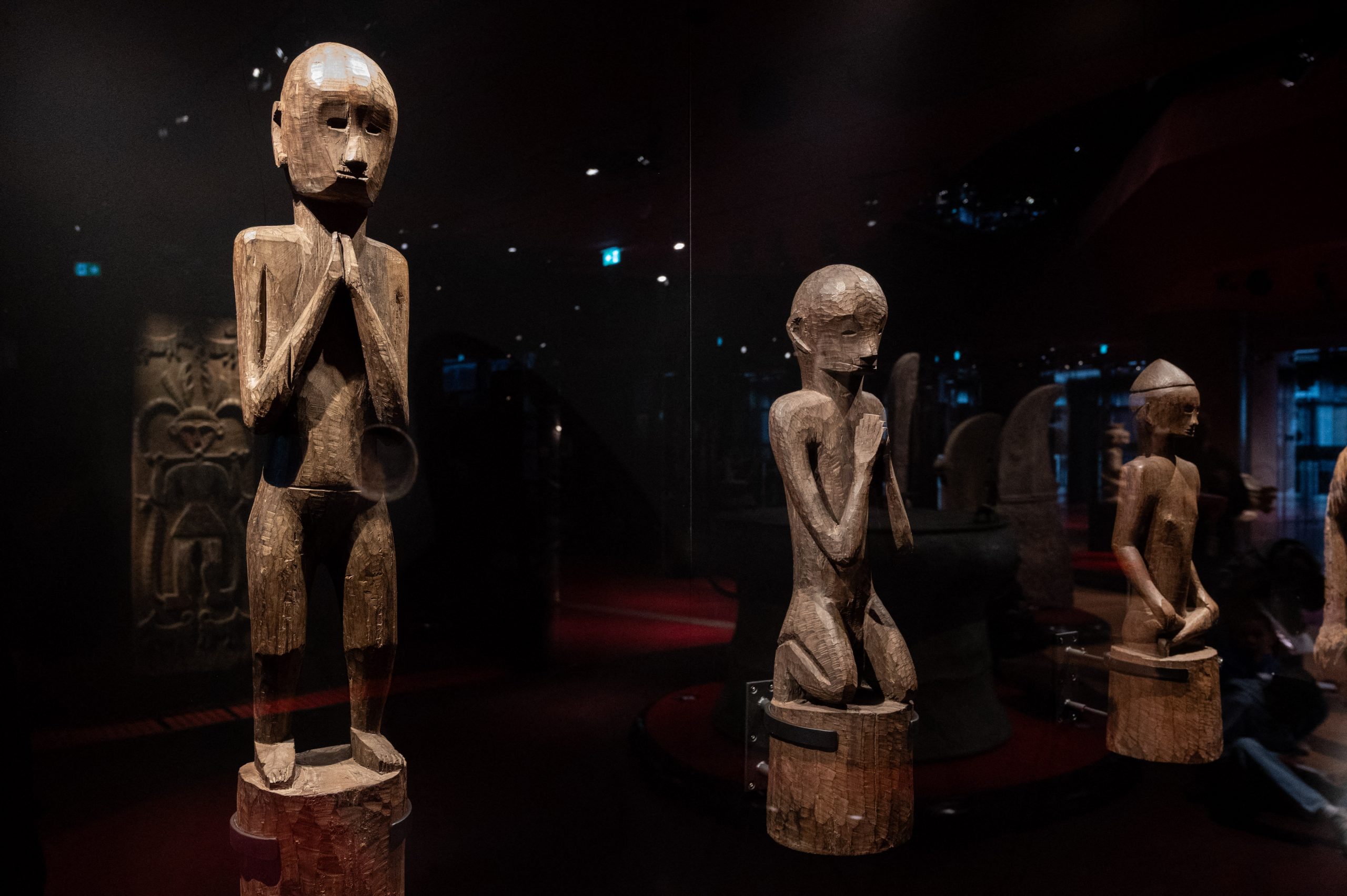
France has passed a new law that simplifies the process of returning looted art and cultural artifacts to their countries of origin. The legislation, championed by President Emmanuel Macron, is seen as a major step in addressing colonial-era acquisitions, particularly for African artworks held in French museums. Experts describe the law as a seismic shift in restitution policy, enabling faster and more systematic returns without requiring individual parliamentary approvals for each item.