
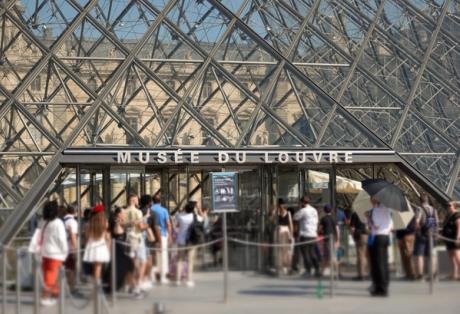
A French parliamentary report published on 13 May, following the October 19 heist of the crown jewels at the Louvre, issues a damning assessment of the country's museum security and management. The commission heard around 100 testimonies and examined some 2,000 museums, dedicating a special chapter to the Louvre. It blames former director Laurence des Cars's leadership for a "dysfunctional drift" that prioritized contemporary art interventions and fashion shows over basic infrastructure and collection protection, allowing the heist to occur. The report lists rising threats including riots, burglaries, cyberattacks (which forced the National Museum of Natural History in Paris to cancel an exhibition after a ransomware attack in July 2025), and terrorist plots. It proposes 40 recommendations, including raising budgets by an estimated €20–25 billion over a decade, enhancing staff training, and overhauling museum leadership.
This report matters because it exposes systemic failures in the stewardship of France's national treasures and could trigger major policy reforms. The commission's call for greater transparency and democracy in director appointments—currently chosen by the French president—challenges the traditional "hyper-presidency" that critics say encourages event-driven policies over core conservation. The recommendation to establish effective boards of trustees inspired by the British Museum model signals a potential shift in governance. With only 54% of museum galleries protected by cameras and one-third of Louvre rooms lacking any surveillance, the findings underscore urgent security gaps that affect public access to valuable collections. The government now faces pressure to respond to these dramatic failures.