filter_list Showing 23 results for "george grosz" close Clear
search
dashboard All 23 museum exhibitions 14article news 5article culture 2candle obituary 1rate_review review 1
date_range Range Today This Week This Month All
Subscribe

Georg Baselitz obituary

Georg Baselitz, the German painter and sculptor known for his provocative, expressionistic works and his iconic upside-down paintings, has died at the age of 88. The article traces his life from his childhood in war-torn Germany, through his early career as a rebellious artist in divided Berlin, to his rise as an international art star. It highlights his 1961 manifesto poster "Pandemonium I," his rejection of American abstraction, and his controversial 1963 exhibition that was raided by police for its explicit content.

pace gallery berlin space opening

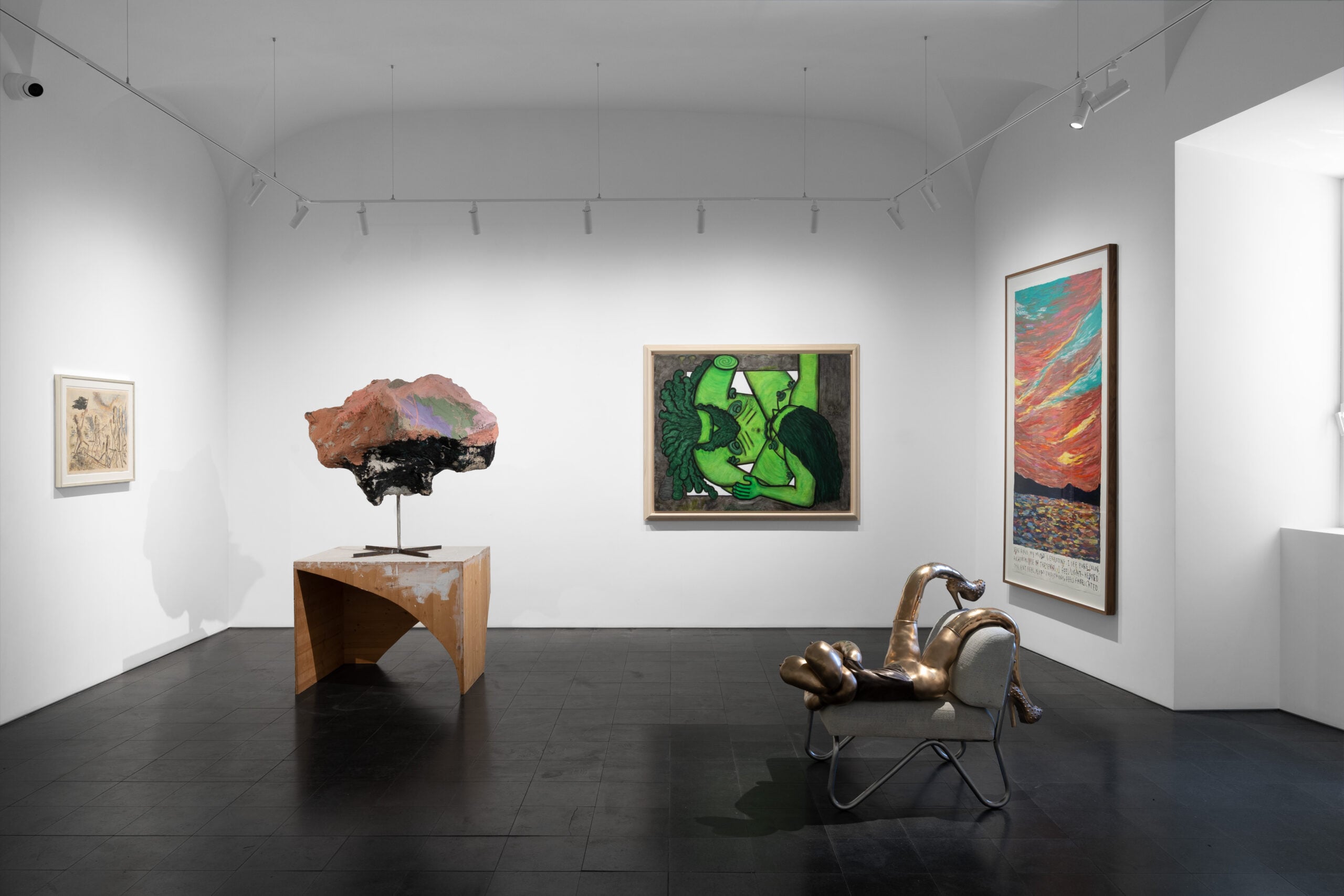
Pace Gallery and Judin Gallery have opened a shared exhibition space in a converted 1950s gas station in Berlin's Schöneberg neighborhood, just ahead of Gallery Weekend Berlin. The venue, known as Die Tankstelle, was previously a museum dedicated to German artist George Grosz. Pace rents half the space from Judin founder Juerg Judin, with both galleries sharing operational costs. For the inaugural shows, Judin is exhibiting works on paper by Tom of Finland downstairs, while Pace shows works by Jean Dubuffet, Jean-Michel Basquiat, and Robert Nava upstairs. The galleries will alternate exhibitions, each mounting about three per year.

abstract expressionisms unsung heroine mary abbott

Schoelkopf Gallery in New York has opened "Mary Abbott: To Draw Imagination," the first comprehensive survey exhibition dedicated to Abstract Expressionist painter Mary Abbott, who died in 2019. The show follows the gallery's announcement that it now represents Abbott's estate. Abbott, born in 1921 into a prominent New York family with presidential lineage, studied at the Art Students League and Subjects of the Artists, and showed alongside Jackson Pollock, Willem de Kooning, and others in the landmark 1951 Ninth Street Show, yet her legacy has remained largely overlooked.

romare bearden digital catalogue raisonne

The Wildenstein Plattner Institute (WPI) and the Romare Bearden Foundation have launched the first installment of a digital catalogue raisonné for the artist Romare Bearden, covering his work from 1964 to 1969. The project, which began in earnest in 2017, has so far documented 3,000 artworks, including 210 in this initial chapter, and has uncovered previously unknown works such as a portrait of artist Edmonia Lewis. The research builds on three decades of archival work by the foundation, which digitized Bearden's ephemera to aid in tracking down works he often gave away informally.

New York’s Neue Galerie to Merge with Metropolitan Museum of Art in Major Expansion

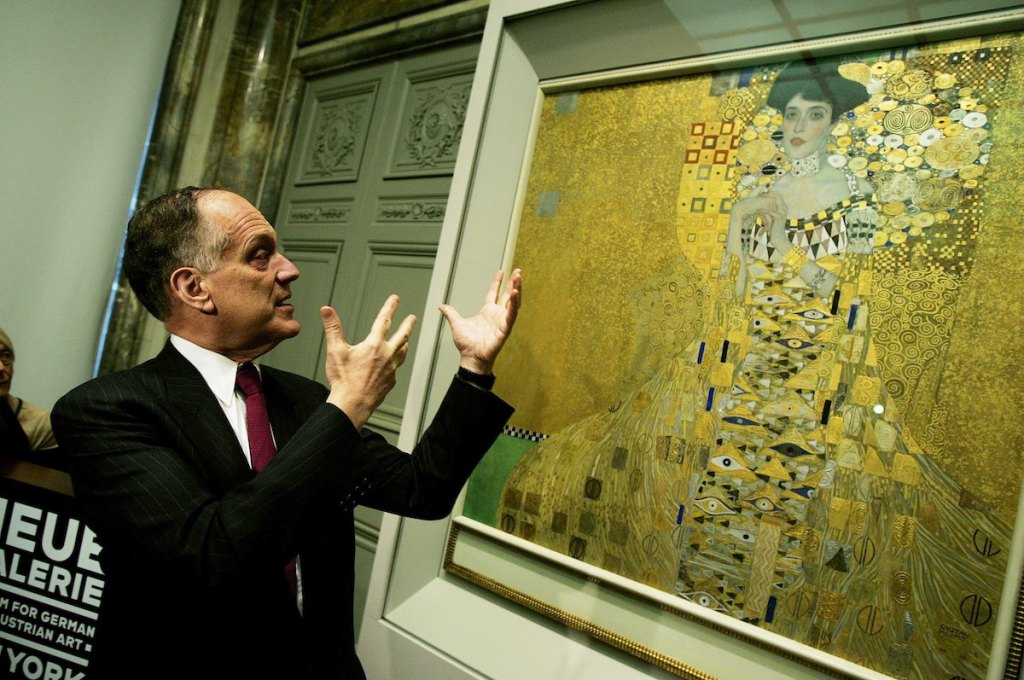
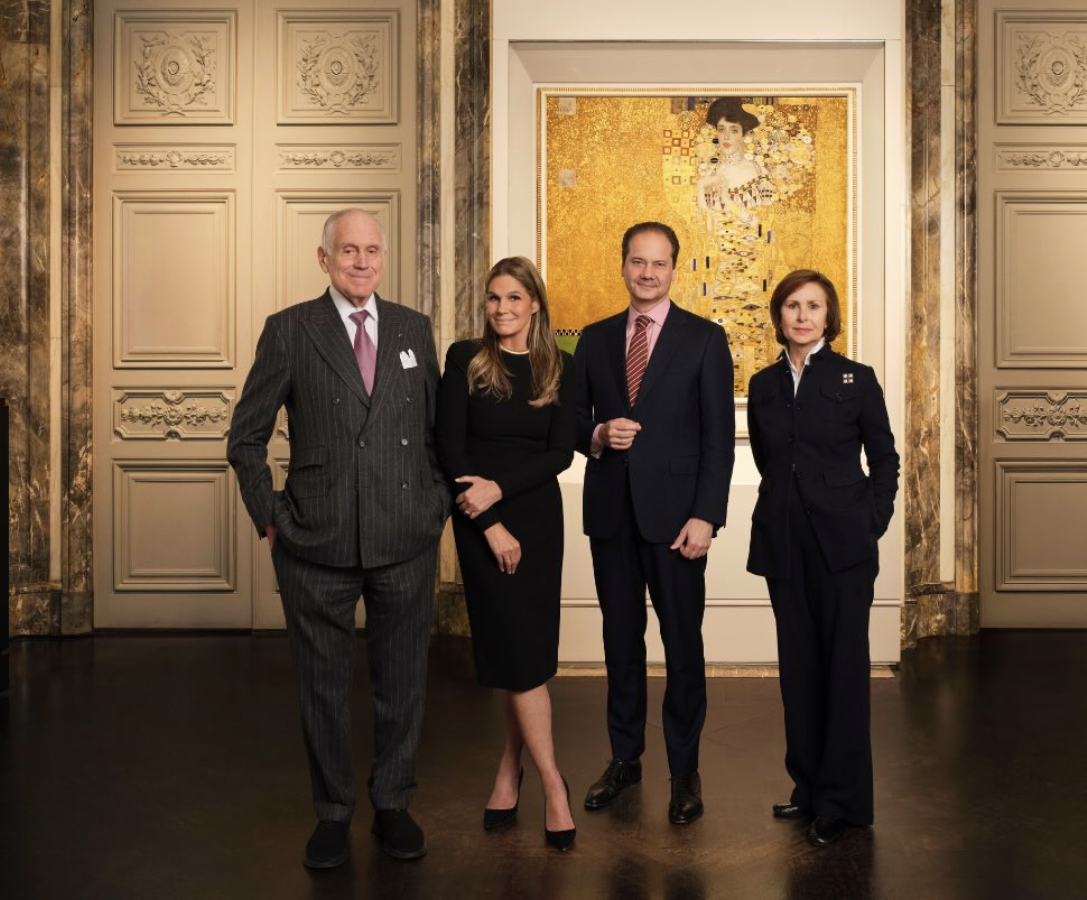
The Neue Galerie, a private museum on New York's Upper East Side founded by collector Ronald S. Lauder, will merge with the Metropolitan Museum of Art in 2028. The institution will be renamed the Met Ronald S. Lauder Neue Galerie, or Met Neue for short. Lauder and his daughter Aerin Lauder Zinterhofer will contribute funds toward a $200 million endowment, along with 13 works from their collection, including a prized Gustav Klimt and paintings by German Expressionists. The Met plans to exhibit some holdings at its Fifth Avenue base, but Klimt's "Portrait of Adele Bloch-Bauer I" will remain at the townhouse.

The New Museum’s ‘New Humans’ Reckons With Human-Machine Relations in the Workplace

The New Museum has inaugurated its recently renovated space with 'New Humans: Memories of the Future,' a sprawling exhibition featuring over 700 works across four floors. The show explores the historical and evolving relationship between humanity and labor, tracing the narrative from ancient Mesopotamian myths to the industrial age and the rise of robotics. Key sections like 'Mechanical Ballets' highlight how artists have historically responded to the dehumanization of the workforce through the lens of early 20th-century avant-garde movements.

Two legacy galleries open in a Berlin gas station

International gallery Pace has partnered with Galerie Judin to open a new arts hub in a converted 1950s gas station in Berlin's Schöneberg neighborhood. The venue, called Die Tankstelle, features exhibition spaces for both galleries, a café, and a Die ZEIT-branded bookshop. The inaugural exhibition, 'Reverse Alchemy,' runs from May 2 to June 14, 2025, and brings together works on paper by Jean Dubuffet, Jean-Michel Basquiat, and Robert Nava. The gas station, originally built in 1954 and abandoned in 1986, was purchased by Juerg Judin in 2007 and renovated by Thomas Brakel and bfs design, with landscape architect Guido Hager adding a garden. It previously housed Das Kleine Grosz Museum from 2022 to 2024.

The Metropolitan Museum of Art and the Ronald S. Lauder Neue Galerie New York Announce Plans for a Landmark Merger

The Metropolitan Museum of Art and the Ronald S. Lauder Neue Galerie New York have announced a landmark merger agreement, set to take effect in 2028. The merger will unite the Neue Galerie's collection of 20th-century Austrian and German art—including Gustav Klimt's *Portrait of Adele Bloch-Bauer I*—with The Met, while preserving the Neue Galerie's distinct museum experience. Ronald S. Lauder and his daughter Aerin Lauder Zinterhofer plan to donate 13 additional paintings from their personal collection, and several Met trustees have pledged significant endowment gifts to support the integration and long-term operations.

How much Berlin fits on 230 square meters?

Wie viel Berlin passt auf 230 Quadratmeter?

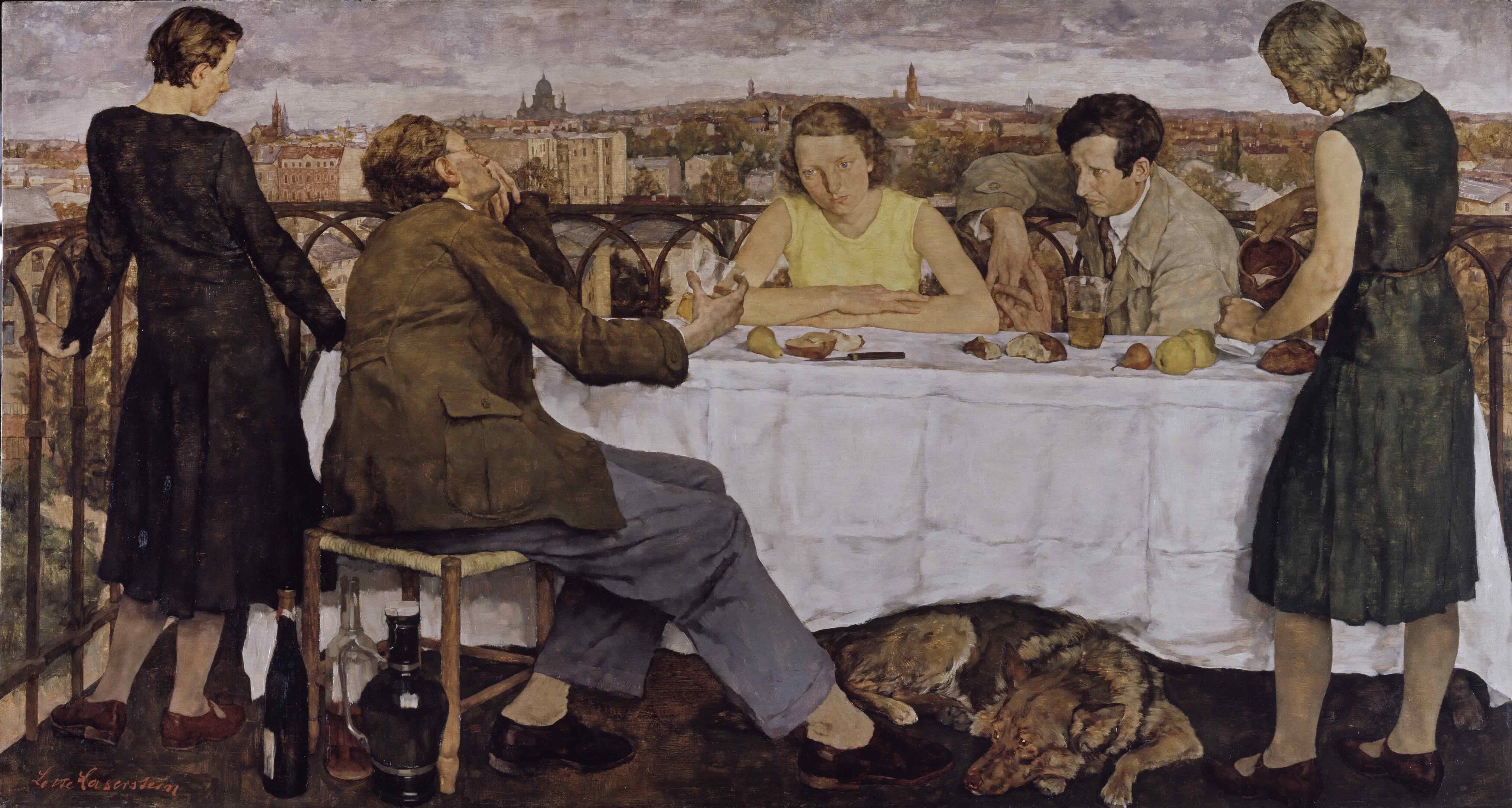
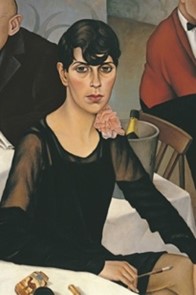
The Neue Nationalgalerie in Berlin has opened a compact exhibition titled "Ruin und Rausch: Berlin 1910–1930," featuring 35 works across just 230 square meters in a side cabinet of the lower floor. The show uses paintings, sculptures, film clips, and audio poems to tell the story of Berlin between World War I and the Nazi takeover, contrasting themes of excess and poverty, emancipation and extremism. It is structured in three chapters: "Berlin im Taumel" (Berlin in Frenzy), "Schatten der Großstadt" (Shadows of the Big City), and "Die Urbane Frau" (The Urban Woman), with works by artists such as Ernst Ludwig Kirchner, Otto Dix, and Otto Nagel.

"Du bist nun in die ewigen Jagdgründe der Kunst entschwunden"

This week's art news roundup covers several stories: Jonathan Meese publishes an obituary for his mother Brigitte Meese in Der Spiegel, describing her as a central figure in his life and work. Pussy Riot seeks to take over the Russian Pavilion at the Venice Biennale. The European Media Art Festival (EMAF) in Osnabrück faces controversy over antisemitism allegations linked to Palestinian-American filmmaker Basma al-Sharif, leading the city and state government to distance themselves from the festival. In the NZZ, Christian Wildhagen reports on conflicts over official political portraits, citing examples like Swiss councilor Martin Neukom rejecting paintings and Donald Trump criticizing his portrait. Art historian Horst Bredekamp pays tribute to Italian philosopher Federico Vercellone (1955–2026) in the FAZ, highlighting his theory of the 'self-activity of form.'

A New York il Metropolitan museum ingloba la Neue Galerie: ovvero la più importante collezione d’arte austriaca e tedesca fuori dall’Europa

The Metropolitan Museum of Art and the Neue Galerie in New York have announced a merger set for 2028. The Neue Galerie, founded by collector Ronald S. Lauder, will become The Met Ronald S. Lauder Neue Galerie, absorbing the most significant collection of early 20th-century Austrian and German art outside Europe, including Gustav Klimt's "Portrait of Adele Bloch-Bauer I." Lauder and his daughter Aerin Lauder Zinterhofer will donate thirteen major works from their private collection, and a fundraising campaign has been launched to support the integration.

Arles Drawing Festival: What Not to Miss at This Fourth Edition

Festival du dessin d’Arles : ce qu’il ne faut surtout pas rater pour cette quatrième édition

The fourth edition of the Arles Drawing Festival has opened, featuring over forty exhibitions across the city. The highlights include two major private drawing collections being publicly presented: Marin Karmitz's collection, displayed at the Sainte-Anne church under the title "Et la vie continue…", and the Collezione Ramo from Milan, showcased at the Museon Arlaten chapel as part of a focus on Italian art.

Tel Aviv Museum turns shelters into art spaces during war

During weeks of war in Israel, the Tel Aviv Museum of Art closed its galleries and moved a rare exhibition, "The Day Is Gone: 100 Years of the New Objectivity," into reinforced protected spaces. Director Tania Coen-Uzzielli then created guided tours inside the shelter, complete with live piano music and interpretation, allowing visitors to experience the artworks in a space designed for safety rather than display. The tour, titled "The Event Has Not Ended," plays on the automated safety notification that signals the end of a siren threat, suggesting that the event of war never truly ends.

Albuquerque exhibition depicts German art made during the tragic ascent of authoritarianism

The Albuquerque Museum has opened a landmark exhibition titled "Modern Art and Politics in Germany 1910–1945: Masterworks from the Neue Nationalgalerie, Berlin," featuring German and European art from the early 20th century. The show traces the trajectory from the German Empire through World War I, the Weimar Republic, Nazi rule, and World War II, including works by Max Beckmann, George Grosz, Hannah Höch, Ernst Ludwig Kirchner, Paul Klee, and others. Many pieces were originally condemned as "degenerate art" by the Nazis. The exhibition, which has three U.S. stops, is currently in Albuquerque after appearing at the Kimbell Art Museum in Fort Worth and will travel to the Minneapolis Institute of Art.

The Disturbing Lessons of the 1937 ‘Degenerate Art’ Show

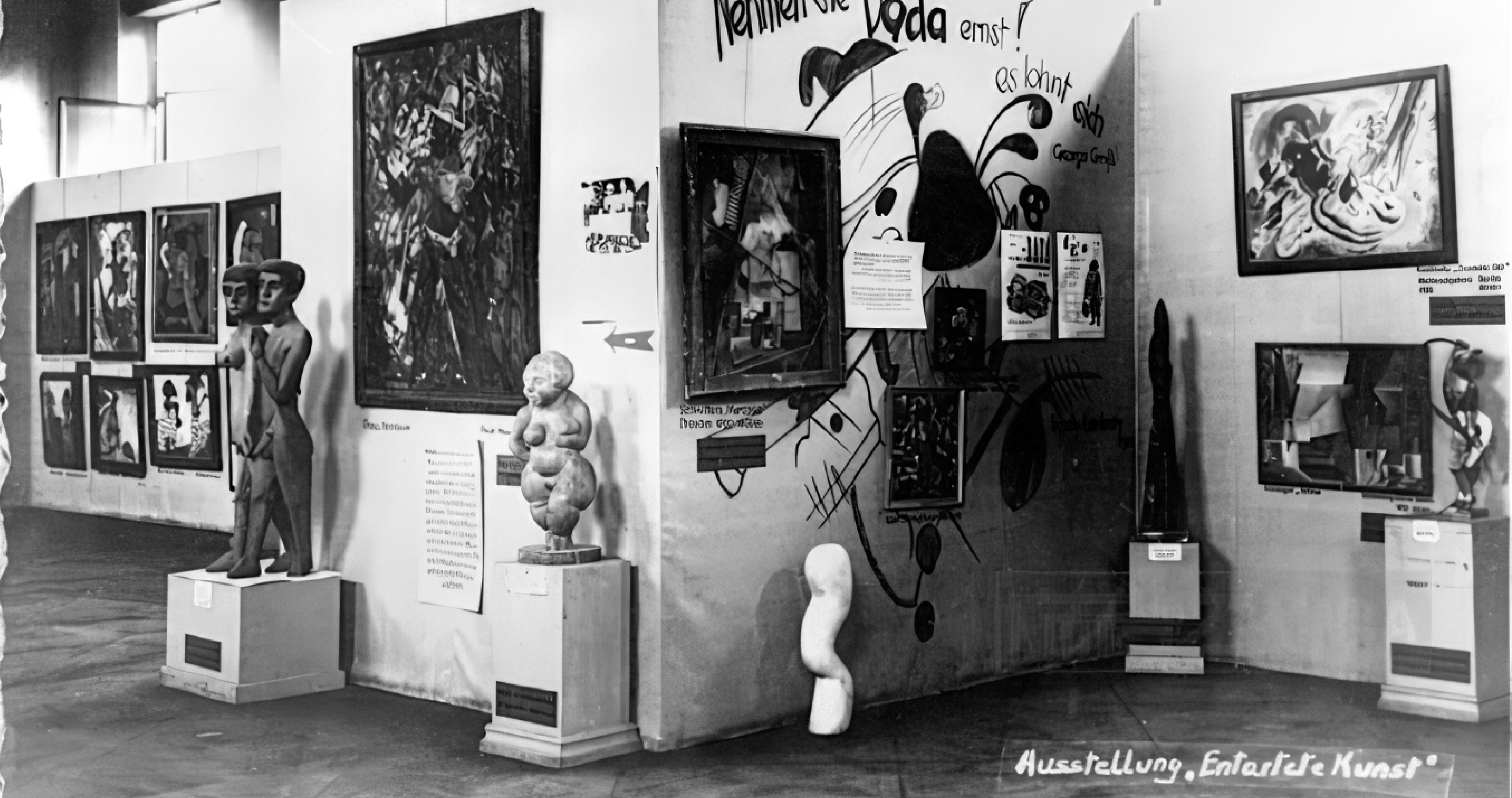
The article examines the historical context and enduring relevance of the 1937 Nazi-organized 'Degenerate Art Show' (Entartete Kunst) in Munich, which displayed hundreds of works by modern artists like George Grosz, Wassily Kandinsky, and Paul Klee as examples of moral and cultural corruption. It traces the concept's roots in 19th-century Social Darwinism, its adoption by Adolf Hitler and the Nazi Party to denigrate modern art, and the gradual escalation of cultural purification policies after Hitler seized power in 1933, including the firing of museum directors and the construction of the Haus der Deutschen Kunst.

Albuquerque Museum Presents German Modernism Amid Empire, Democracy, and Dictatorship

The Albuquerque Museum will present "Modern Art and Politics in Germany 1910-1945: Masterworks from the Neue Nationalgalerie, Berlin" from August 23, 2025, to January 4, 2026. The exhibition features over 70 paintings and sculptures tracing German modern art from the early 20th-century avant-garde through the Weimar Republic to the Nazi dictatorship, including works by Max Beckmann, Otto Dix, George Grosz, Hannah Höch, Wassily Kandinsky, Paul Klee, and Salvador Dalí, many rarely shown in the U.S.

‘Degenerate’ or ‘woke,’ Paris museum exhibit shows what happens to art in the crosshairs of politics

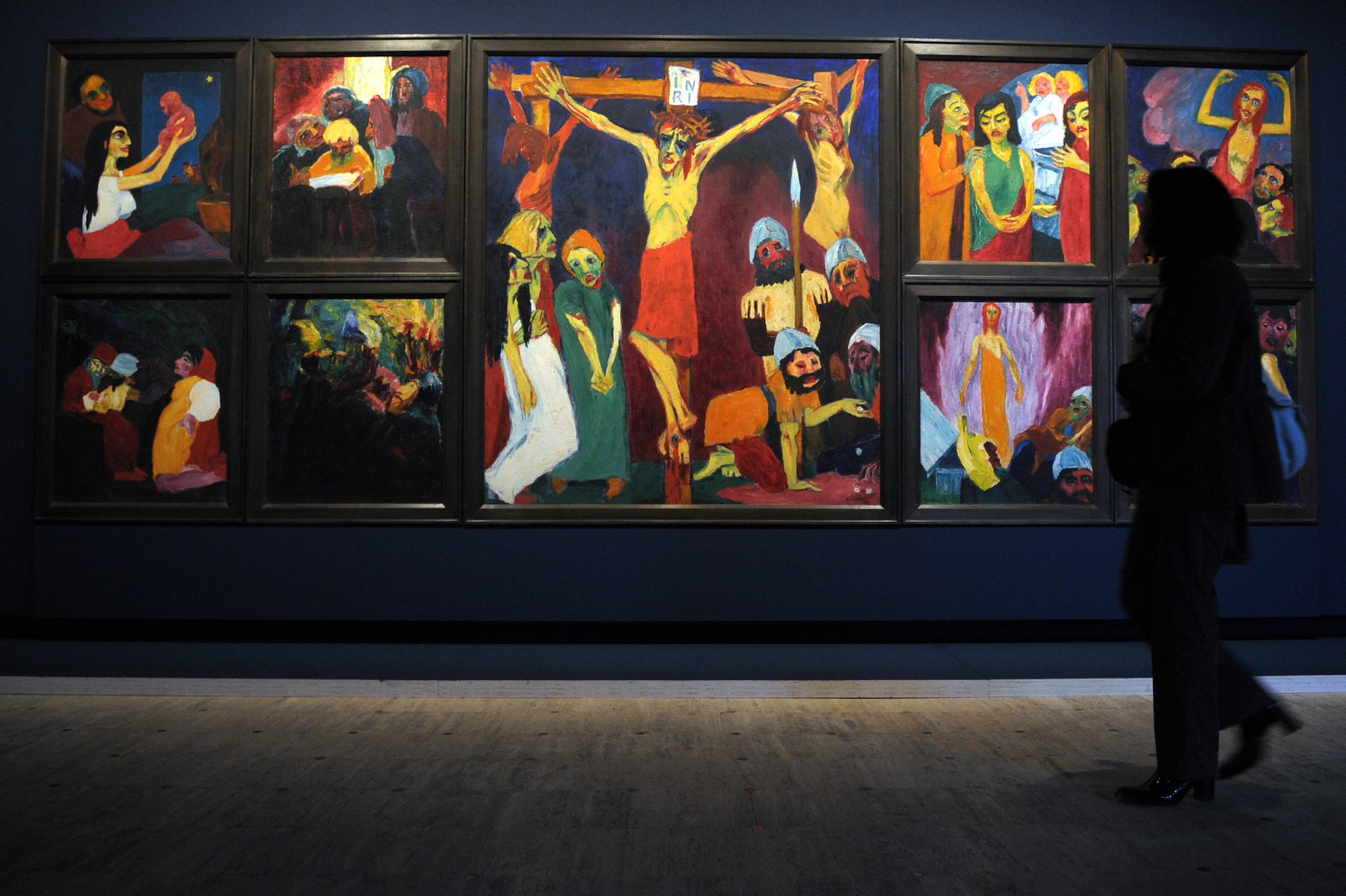
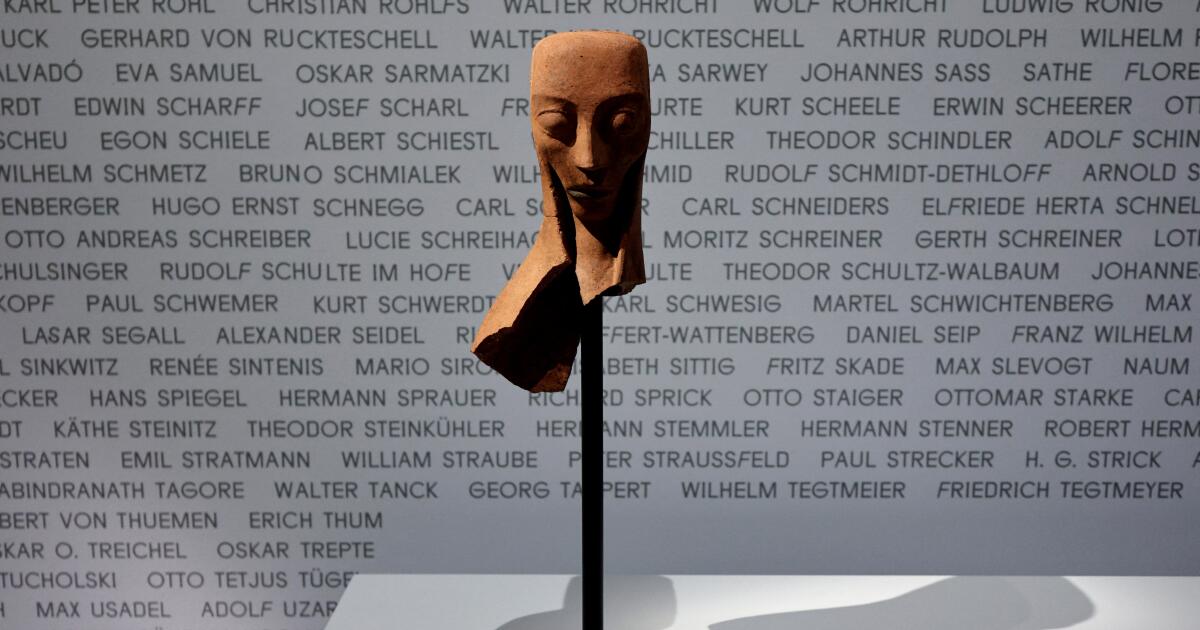
The Picasso Museum in Paris has opened an exhibition titled "Degenerate Art: Modern Art on Trial Under the Nazis," the first such show in France, running until May 25. It features works by Van Gogh, Klee, Picasso, Kandinsky, Chagall, and others that were condemned by Hitler and the Third Reich as "degenerate" — targeted for destruction, sale, or concealment. The exhibition is organized thematically around Nazi persecution, including sections on race, museum purges, and the art trade, and highlights the fates of artists like Ernst Ludwig Kirchner, who died by suicide, and Otto Freundlich, who was murdered in a concentration camp.

Together in doom: tense paintings of social ills feature at Tefaf New York

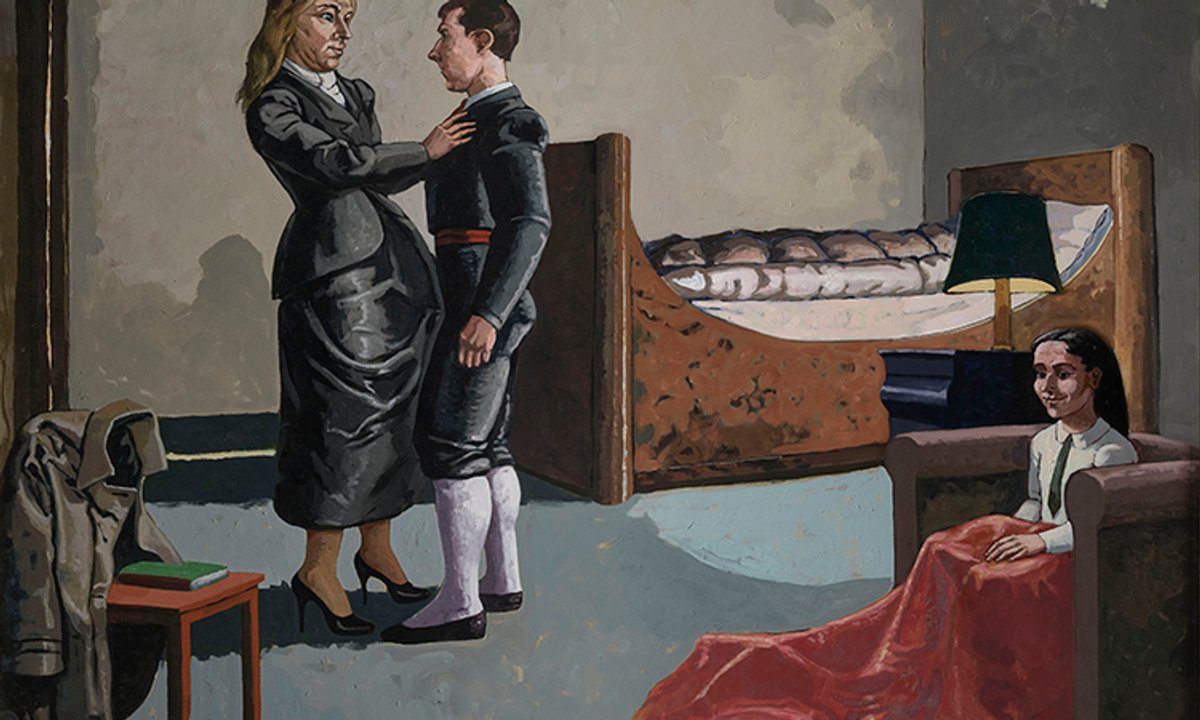
VIPs attended the opening of Tefaf New York at the Park Avenue Armory on 8 May, where a surprising number of dark, oppressive works stood out amid the usual luxury offerings. Highlights include Anne Imhof's entire stand at Sprüth Magers, featuring her painting *Untitled* (2024) showing figures holding hands before an atomic bomb (sold for €250,000), Fernando Botero's *El Nuncio* (1987) critiquing clerical power, Paula Rego's *The Bullfighter's Godmother* (1990-91) exploring dominance and loss, and George Grosz's interwar depictions of Berlin's social decay.

Au musée de l’Image d’Épinal, les talents multiples de Frans Masereel, entre autres inventeur du roman graphique

The Musée de l'Image d'Épinal is presenting a comprehensive exhibition on Belgian artist Frans Masereel (1889–1972), widely credited as the inventor of the graphic novel in 1918 with his wordless narratives composed of black-and-white woodcuts. The show, curated by Samuel Dégardin, brings together loans from major institutions and a private collection to reveal the full breadth of Masereel's practice, which spanned drawing, animation, painting, theater, ceramics, tapestry, and satirical press illustration. It highlights his pacifist activism during World War I, his collaborations with writers such as Stefan Zweig and Romain Rolland, and his humanist vision of a unified Europe.

This unpublished comic tries to tell us what the Biennale of the future will be like

Questo fumetto inedito prova raccontarci come sarà la Biennale del futuro

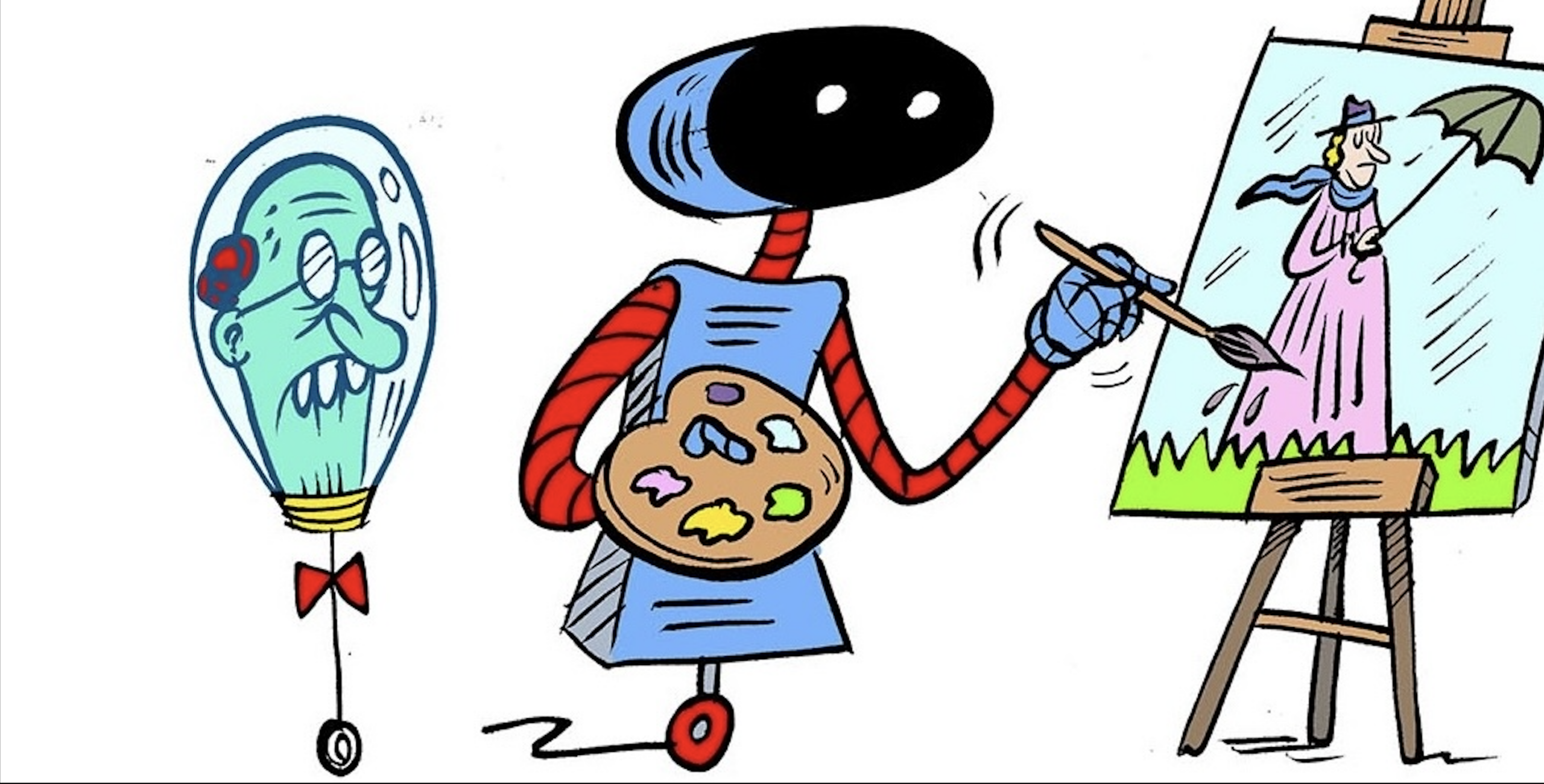
Hurricane (Ivan Manuppelli), a leading figure in Italian underground comics, creates an original comic titled "Biennale 2126" for Artribune, imagining what the Venice Biennale might look like in the future. In an accompanying interview, he discusses his satirical approach, the enduring relevance of underground comics, and the importance of critiquing power through art.

International artists speak of life as resistance, inspired by George Grosz: The exhibition in Rome

Artisti internazionali parlano della vita come resistenza, ispirandosi a George Grosz. La mostra a Roma

Tim Van Laere Gallery in Rome is hosting "Lust for Life," a group exhibition that explores the human impulse for creative resistance against societal fragility and global conflict. The show is anchored by the historical works of German artist George Grosz, whose drawings from 1912 to 1947 depict the alienation, loss of identity, and physical decay caused by world wars and totalitarian power.

Comment | Reflecting on my father’s art and life on the occasion of his posthumous exhibition

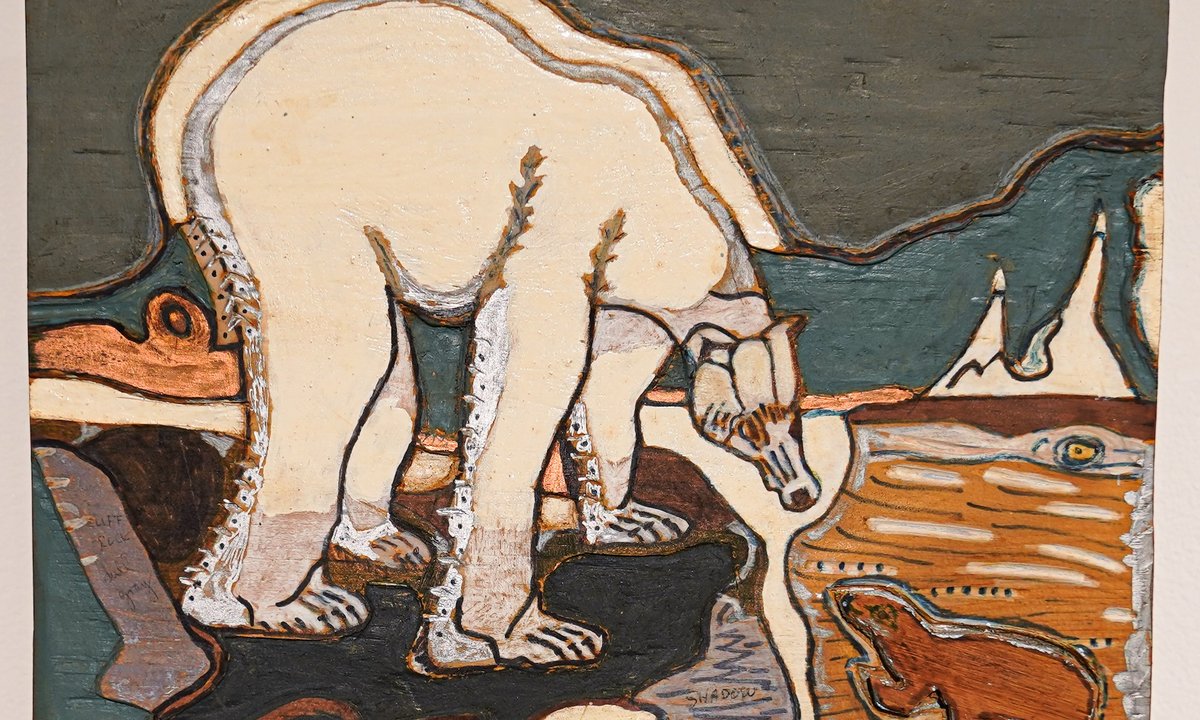
The article is a personal essay by the author reflecting on the life and art of their father, Samuel Kahn (1927-2007), a self-taught artist and clinical psychologist who struggled with bipolar depression. A posthumous exhibition titled "Samuel Kahn, Ph.D. + Friends" opens on 29 January at the Gordon Art Galleries at Old Dominion University in Norfolk, Virginia, featuring around 50 of his wood-carvings, paintings, and sketches. The author describes how they once believed their father had wasted his life, but now sees his vibrant, untrained works as a source of joy and connection.

Degenerate! Hitler’s War on Modern Art

The National WWII Museum in New Orleans will host the traveling exhibition "Degenerate! Hitler's War on Modern Art" from November 6, 2025, through May 10, 2026. Originally created by the Jewish Museum Milwaukee, the show examines the Nazi campaign against modern art and music, featuring over 65 original works by artists such as Wassily Kandinsky, Max Beckmann, Pablo Picasso, and Marc Chagall. It explores how modernist art was labeled "degenerate" by the Third Reich, used as propaganda, and systematically suppressed, with many works seized, destroyed, or sold. The exhibition also expands into music, highlighting the suppression of jazz and works by Jewish composers.