
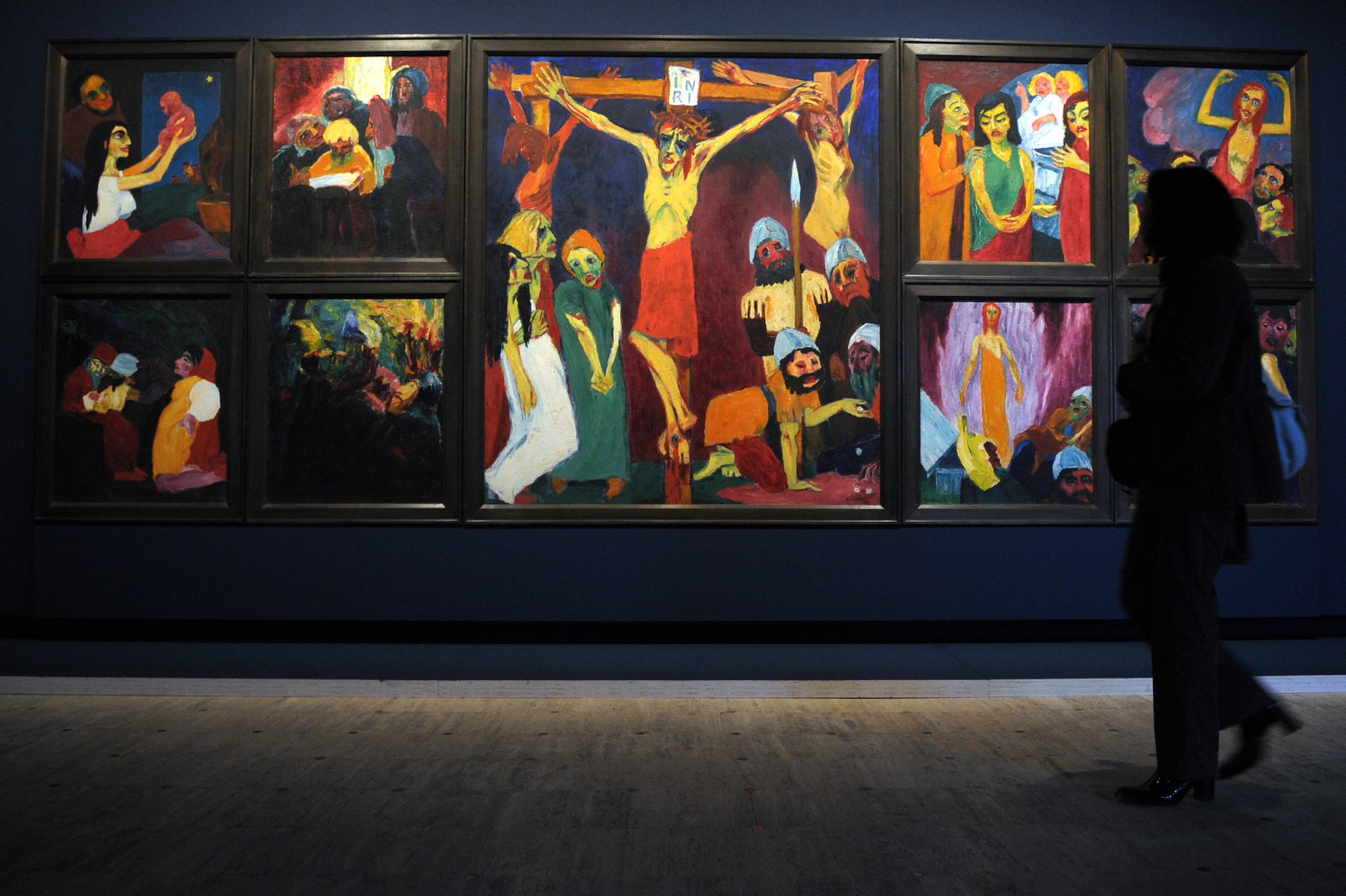
The article examines the historical context and enduring relevance of the 1937 Nazi-organized 'Degenerate Art Show' (Entartete Kunst) in Munich, which displayed hundreds of works by modern artists like George Grosz, Wassily Kandinsky, and Paul Klee as examples of moral and cultural corruption. It traces the concept's roots in 19th-century Social Darwinism, its adoption by Adolf Hitler and the Nazi Party to denigrate modern art, and the gradual escalation of cultural purification policies after Hitler seized power in 1933, including the firing of museum directors and the construction of the Haus der Deutschen Kunst.
Why it matters: The article argues that the 'Degenerate Art Show' remains a potent and frequently invoked reference point in contemporary culture wars, particularly as right-wing attacks on museums and modern art resurge. By detailing the long, incremental buildup to the 1937 spectacle—from propaganda pamphlets to regional 'Exhibitions of Shame'—it warns that such authoritarian cultural crackdowns do not happen overnight but emerge from a series of escalating emergencies and setbacks, making the historical lesson urgently relevant today.