filter_list Showing 6 results for "gustave courbet" close Clear
search
dashboard All 6 museum exhibitions 3article culture 1article news 1rate_review review 1
date_range Range Today This Week This Month All
Subscribe

11 Must-See Shows During New York Art Week 2026

New York Art Week 2026 is set to be a packed event, with major art fairs including Frieze, TEFAF, and Independent all scheduled within a single week this May. The art world will arrive directly from the Venice Biennale, and New York galleries are opening their major spring exhibitions to coincide with the influx of curators and collectors.

James McNeill Whistler review – a luscious, seductive blockbuster for the painter who scandalised Britain

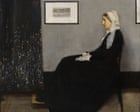
Tate Britain has opened a major retrospective dedicated to James McNeill Whistler, the American painter who scandalized Victorian Britain. The exhibition centers on his iconic work *Arrangement in Grey and Black No. 1* (commonly known as *Whistler's Mother*), lent by the Musée d'Orsay, and traces his evolution from raw realist scenes of London's docks to radical, abstract celebrations of color and pattern. It includes a reconstruction of *The Peacock Room* and highlights his rivalry with critic John Ruskin, who accused him of 'flinging a pot of paint in the public's face.'

The Best Exhibitions to See in Paris Right Now

Les meilleures expos du moment à voir à Paris

Beaux Arts Magazine has published a guide to the best current exhibitions in Paris for spring 2026, highlighting major shows such as "Martin Parr. Global Warning" at the Jeu de Paume, "Matisse. 1941–1954" at the Grand Palais, "Michel-Ange Rodin" at the Musée du Louvre, "Renoir et l'amour" at the Musée d'Orsay, "Calder. Rêver en équilibre" at the Fondation Louis Vuitton, and "Splendeurs du baroque" at the Musée Jacquemart-André. The article also features retrospectives of Hilma af Klint at the Grand Palais, Károly Ferenczy at the Petit Palais, Henry Taylor at the Musée Picasso, a Lee Miller exhibition at the Musée d'Art moderne de Paris, a Giovanni Segantini show at the Musée Marmottan Monet, and a Nan Goldin multimedia presentation at the Grand Palais.

What You (Maybe) Didn't Know About Édouard Manet

Ce que vous ne saviez (peut-être) pas sur Édouard Manet

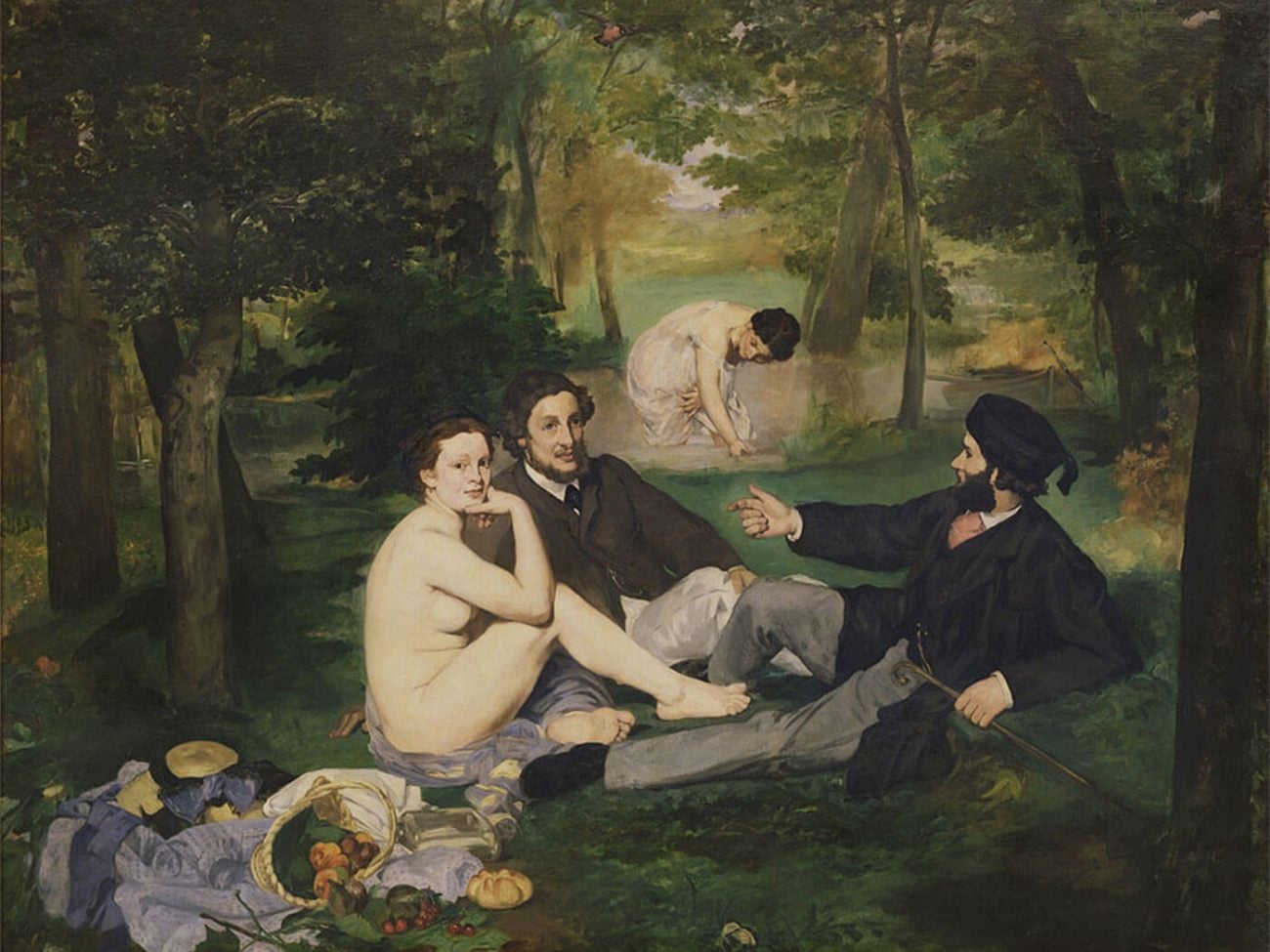
Édouard Manet (1832–1883), a pivotal figure bridging realism and impressionism, is the subject of a feature article in Beaux Arts Magazine. The piece explores lesser-known aspects of his life and career, including his near-miss as a naval officer, his rivalry with Gustave Courbet, his refusal to join the impressionist exhibitions despite close ties to the movement, and his deep fascination with Spanish culture. It highlights his scandalous works like *Le Déjeuner sur l'herbe* (1863) and *Olympia*, the latter entering the Louvre after a subscription launched by Claude Monet in 1889.

Photographs of Victorine Meurent who posed for 'Le Déjeuner sur l'herbe' discovered by chance in Grenoble

Les photos de Victorine Meurent qui ont servi de modèle au « Déjeuner sur l’herbe » retrouvées par hasard à Grenoble

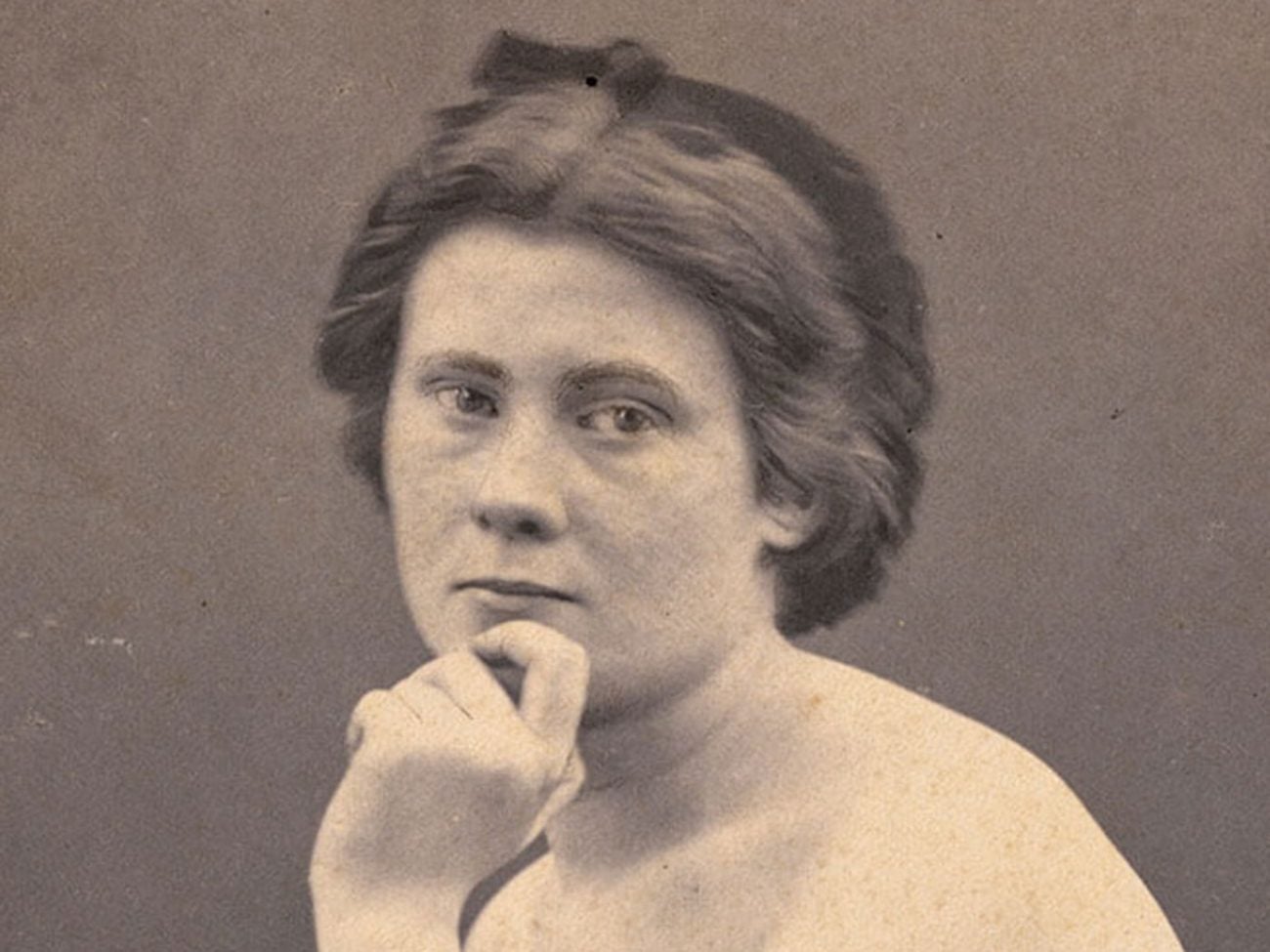
A chance discovery at the Musée de Grenoble has unearthed two previously unknown photographs of Victorine Meurent, the favorite model of Édouard Manet, taken by Gaudenzio Marconi in 1863. Art historian Laure Boyer, while researching a different subject, recognized Meurent in the images and realized they directly served as studies for Manet's iconic paintings *Le Déjeuner sur l'herbe* and *Olympia*. The photographs show Meurent in poses nearly identical to the figures in both works, with only the orientation reversed in one case and facial expressions swapped between the two paintings.

James McNeill Whistler was more than just a combative ‘coxcomb’

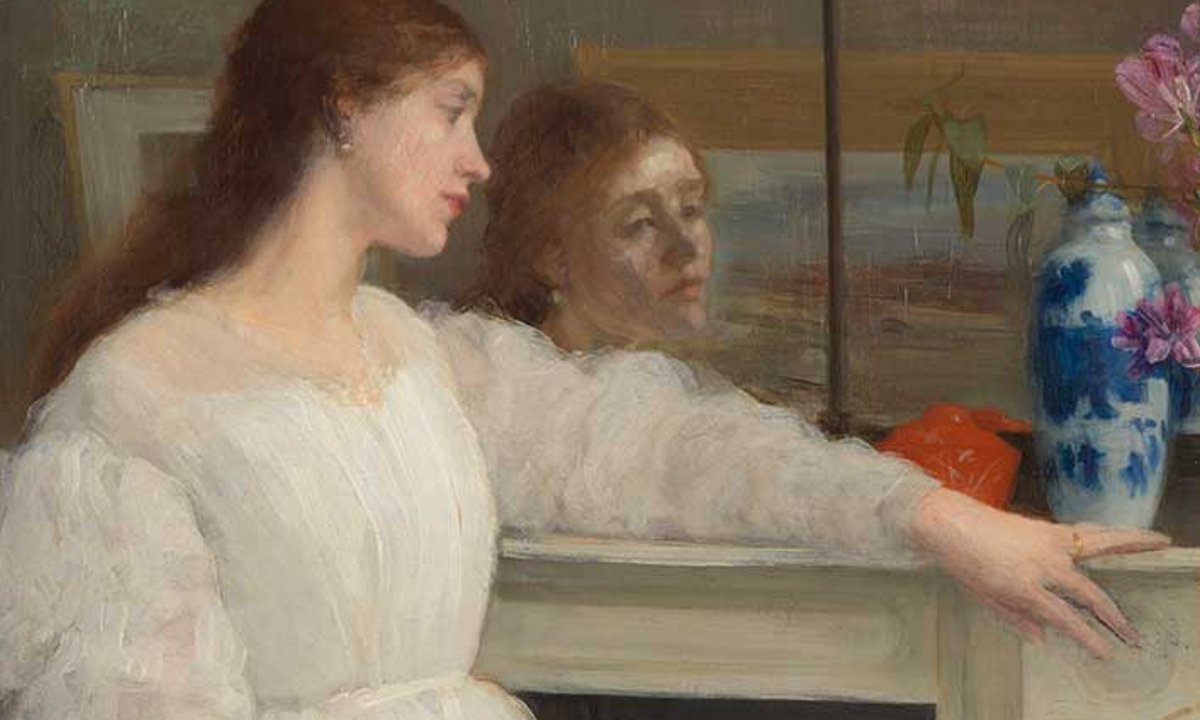
Carol Jacobi, curator of a new exhibition at Tate Britain in London, aims to reframe the legacy of James McNeill Whistler (1834-1903), an artist often reduced in public memory to his 1877 libel lawsuit against critic John Ruskin. The show, the UK's first full Whistler survey since 1994, highlights his prolific output, evolving style, and belief that art should seek "a more fundamental beauty" beyond mere impression. It brings together many of his celebrated nocturnes and, for the first time, his sketchbooks, though the infamous Nocturne in Black and Gold: The Falling Rocket (1875) could not be loaned.