filter_list Showing 6 results for "henry moore institute" close Clear
search
dashboard All 6 museum exhibitions 6
date_range Range Today This Week This Month All
Subscribe

From Normal to Ania Magliano: your complete entertainment guide to the week ahead

The Guardian's weekly entertainment guide includes a section on art exhibitions, highlighting two shows opening in the UK. Godfried Donkor's solo exhibition at Firstsite in Colchester runs from 22 May to 30 August, weaving stories of resistance from Boudicca to Yaa Asantewaa through collage, painting, and textile. Delcy Morelos's installation at the Barbican in London, running until 31 July, fills the space with huge mounds of earth, clay, and spices to create immersive environments based on Andean and Amazonian knowledge. The guide also mentions Phantasmagoria at the Henry Moore Institute in Leeds, exploring video games and digital art.
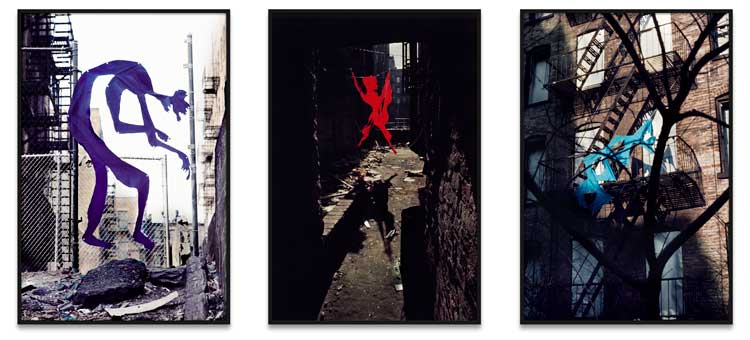
Senga Nengudi: Performance Works 1972-1982

Whitechapel Gallery in London is presenting "Senga Nengudi: Performance Works 1972-1982," an archival exhibition featuring photographic works, archival materials, and films that focus on a pivotal decade in the pioneering African-American artist's career. The show highlights Nengudi's early performance pieces, including her "spirit flags" and works incorporating hosiery and her body, created in collaboration with artists like David Hammons and Maren Hassinger.

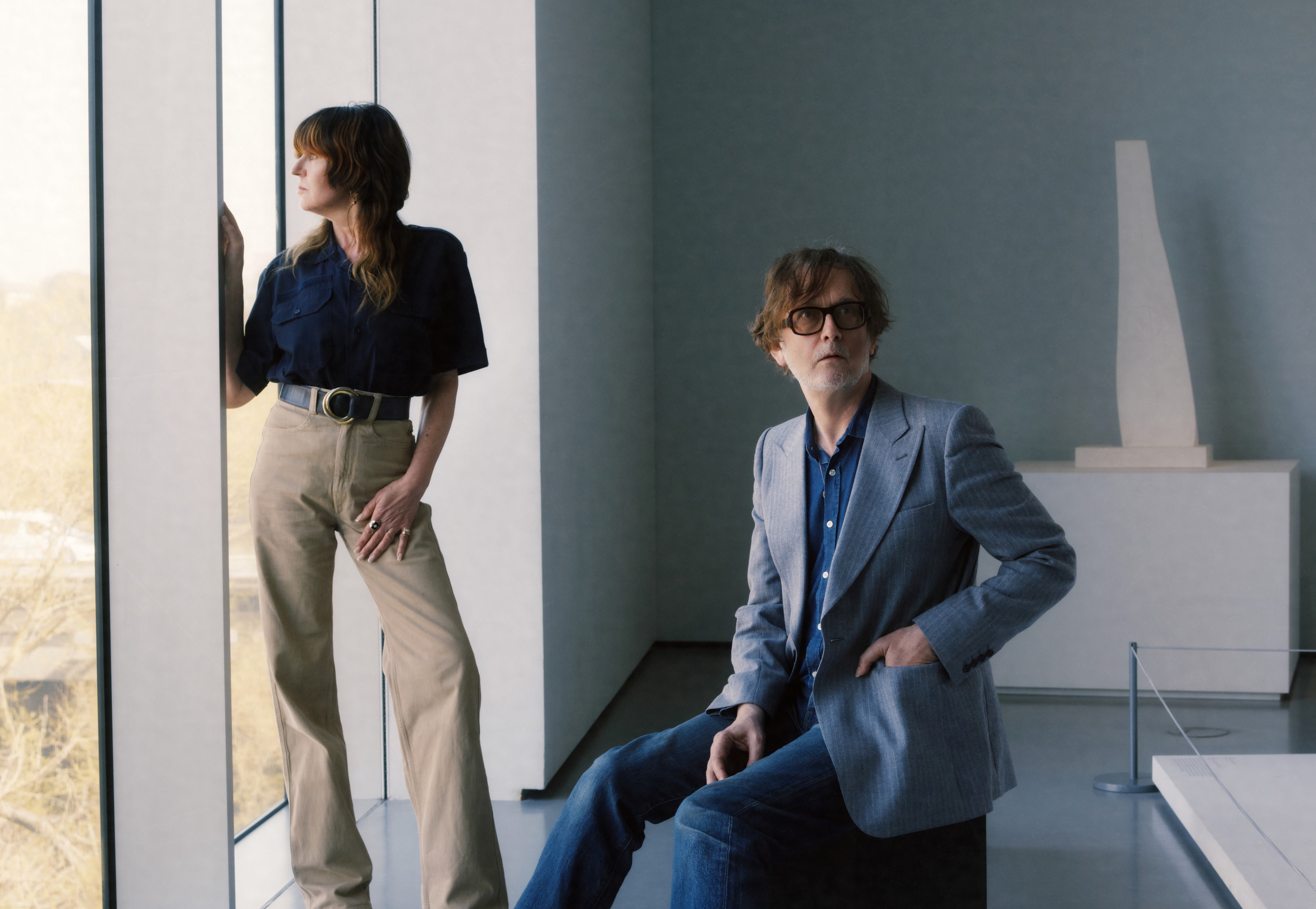
Pulp singer Jarvis Cocker and Kim Sion to curate 2027 Hepworth Wakefield show.

Musician Jarvis Cocker, best known as the frontman of the band Pulp, and his wife Kim Sion, a creative consultant, will curate a group exhibition titled “The Hodge Podge” at The Hepworth Wakefield in the UK in 2027. The show will feature a diverse range of artworks across different eras and media, focusing on artists who challenge conventional definitions of art. This marks Cocker’s first curatorial project at a major institution.

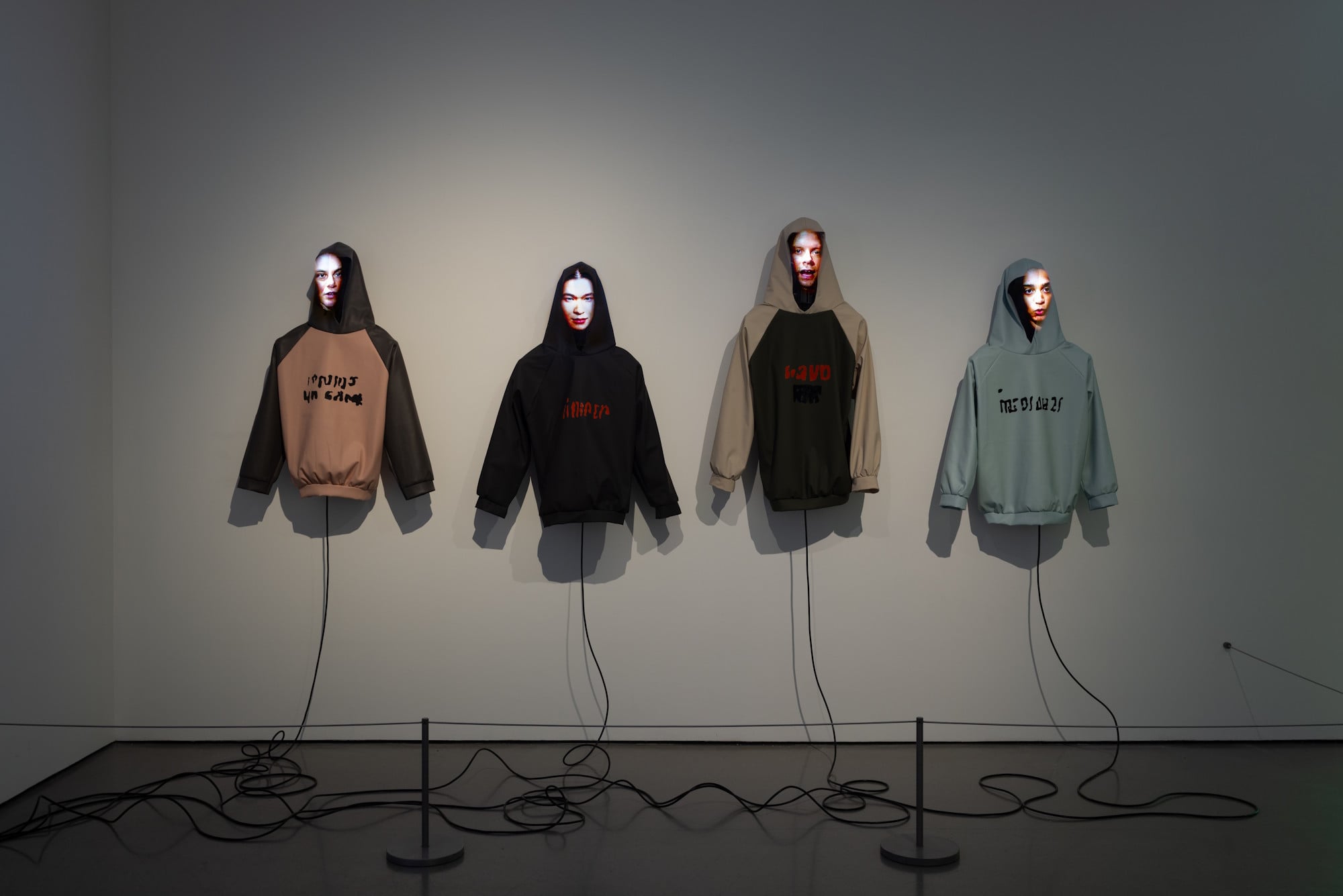
Phantasmagoria review: digital sorcery at the Henry Moore Institute

The Henry Moore Institute in Leeds presents 'Phantasmagoria: Folkloric Sculpture for the Digital Age,' a major group exhibition exploring how digital technologies are reshaping contemporary sculpture. The show features works by artists including Joey Holder, Jürgen Baumann, and Danielle Brathwaite-Shirley, who fuse ancient folklore, occult practices, and modern digital tools such as AI, 3D printing, and video game mechanics. Highlights include Holder's immersive installation 'The Woosphere' with arcade-style consoles and Brathwaite-Shirley's interactive boat sculpture 'PIRATING BLACKNESS/BLACKTRANSSEA.COM.' The exhibition draws on the historical concept of phantasmagoria—18th-century theatrical spectacles using smoke and light—to critique the seductive illusions of digital capitalism.

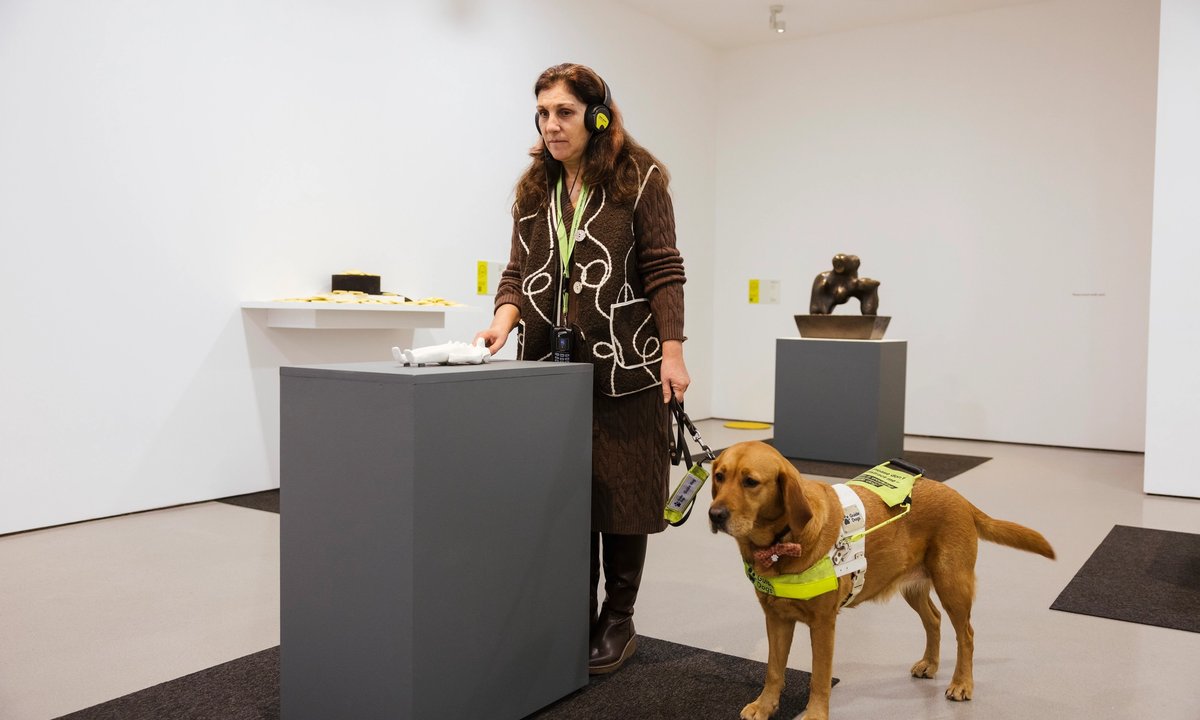
A vocabulary of touch: exhibition of sculpture by blind and partially blind artists opens in Leeds

The Henry Moore Institute in Leeds has opened "Beyond the Visual," the first major UK exhibition of sculpture centered on blind and partially blind artists and curators. Co-curated by Ken Wilder, Aaron McPeake, and Clare O'Dowd, the show features works by 16 international artists including Henry Moore, Barry Flanagan, Lenka Clayton, Emilie Louise Gossiaux, David Johnson, and others. The exhibition prioritizes touch, sound, and sensory engagement, with all objects available to handle, textured flooring mats, high-contrast signage, and audio descriptions. It includes new commissions such as David Johnson's "Nuggets of Embodiment" (2024-25), made of 10,000 stone-plaster Digestive biscuits with Braille text.

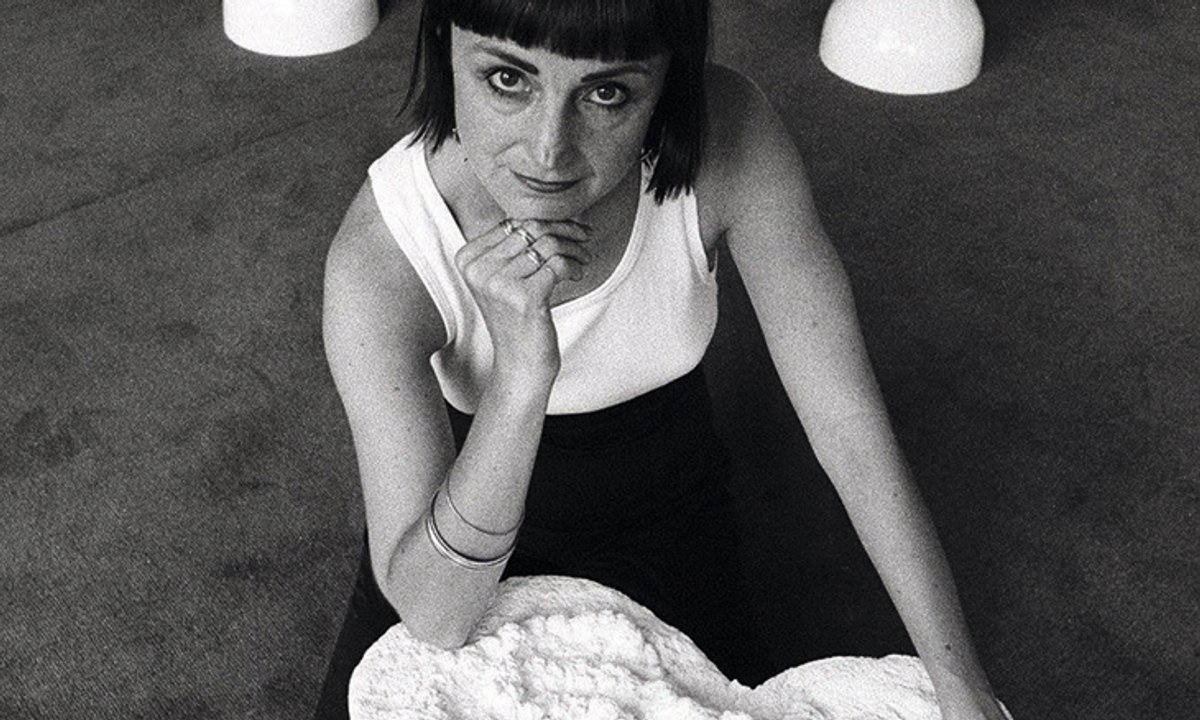
Sex, beauty and the body: how Helen Chadwick shaped British contemporary art

A new critical biography, "Helen Chadwick: Life Pleasures," has been published, marking the first comprehensive study of the British artist Helen Chadwick (1953-96). Edited by Laura Smith, director of collections and exhibitions at the Hepworth Wakefield, the book includes contributions from historian Marina Warner, curator Katrin Bucher Trantow, and artist Maria Christoforidou. A touring exhibition of Chadwick's work opens at the Hepworth Wakefield on 17 May and runs until 27 October. The article highlights Chadwick's provocative, punky, and perverse body-focused works, such as "Untitled (Eat Art)" (1973), where she cast her face in jelly for viewers to consume, and "Piss Flowers" (1991-92), made from snow she urinated on. It also recounts the infamous 1986 incident at the Institute of Contemporary Arts in London, where her sculpture "Carcass"—a glass tower of rotting vegetables—leaked and collapsed.