
filter_list Showing 3 results for "holocaust memory" close Clear
dashboard All 3 museum exhibitions 2candle obituary 1
date_range Range Today This Week This Month All
Subscribe

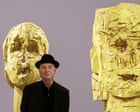
‘In every drop of paint he slurped, you see the Holocaust’: the genius and torments of Georg Baselitz

Georg Baselitz, the German painter and sculptor known for his provocative confrontations with Nazi history, has died. Born in 1938, he was one of the last living artists with direct childhood memories of the Third Reich. His early works, such as *Die große Nacht im Eimer* (1961) and his upside-down German eagles, deliberately shocked postwar West Germany by depicting obscene, shameful images of a society trying to forget the Holocaust. He famously exhibited a zombie Hitler woodcarving at the 1980 Venice Biennale alongside Anselm Kiefer, insisting on confronting rather than ignoring the Nazi heritage of the German Pavilion.
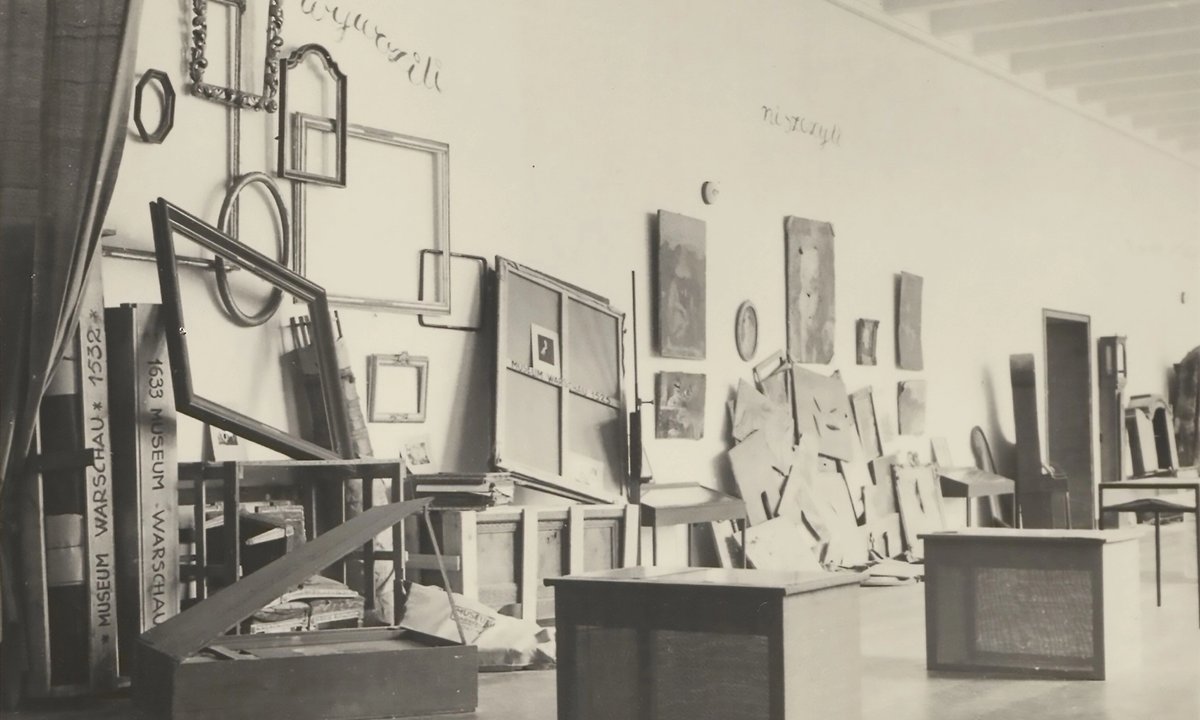
Immediately after the Second World War, how did six exhibitions attempt to make sense of the atrocities?

Berlin's Deutsches Historisches Museum has opened an exhibition titled "On Displaying Violence: First Exhibitions on the Nazi Occupation in Europe, 1945-48," which revisits six post-World War II exhibitions that attempted to process the atrocities of the war. These shows took place in venues ranging from the Grand Palais in Paris to a Czech villa formerly occupied by a Nazi official, and included displays such as the UK's Daily Express "The Horror Camps" (1945), the French traveling show "Hitlerian Crimes" (1945), "Warsaw Accuses" (1945) at the National Museum in Warsaw, and "Our Path to Freedom" (1947) at the Bergen-Belsen concentration camp. The Berlin exhibition uses original objects, film footage, photographs, and recordings to recreate the experience of these early post-war shows.

On Showing My Paintings in Auschwitz

Artist and Holocaust survivor Yehudis Barmatz-Harris has installed a series of paintings within the barracks of Auschwitz-Birkenau, marking a profound personal and artistic return to the site of her family's trauma. The works, which utilize materials like salt and organic textures, are placed directly on the wooden bunks where prisoners once slept, creating a visceral dialogue between contemporary Jewish life and the void left by the Shoah.