filter_list Showing 9 results for "incarceration" close Clear
dashboard All 9 museum exhibitions 6article culture 1article local 1article news 1
date_range Range Today This Week This Month All
Subscribe

Jimmy Tsutomu Mirikitani, a New Sort of Street Artist, Rises from Art History’s Margins

Jimmy Tsutomu Mirikitani, a late Japanese American collagist who lived and worked as a street artist in New York City, is the subject of a new solo exhibition at the Spencer Museum of Art in Kansas City, on view through June. Co-curators Maki Kaneko and Kris Imants Ercums organized the show thematically rather than chronologically, reflecting Mirikitani's fragmented life—from surviving the atomic bombing of Hiroshima and incarceration at Tule Lake to arriving in New York in the 1950s. The exhibition draws on years of research, including visits to the parks where he lived and to Hiroshima, and builds on Linda Hattendorf's 2006 documentary *The Cats of Mirikitani*.
Basel Abbas & Ruanne Abou-Rahme: Archivists and Activists

New York- and Ramallah-based Palestinian artists Basel Abbas and Ruanne Abou-Rahme present *Prisoners of Love: Until the Sun of Freedom* (2025), an hour-long four-channel film installation at The Bell/Brown Arts Institute in Providence. The work layers psychedelic imagery of figures in nature with spoken and written testimonies from Palestinians formerly detained by Israeli authorities, exploring themes of incarceration, surveillance, and resistance through fragmented montage and poetic text. The exhibition also includes drawings by Abou-Rahme’s father and printed screenshots of reflections on the genocide in Gaza.

The Fabric Workshop and Museum presents Jesse Krimes: Elegy Quilts by Bucks County artist

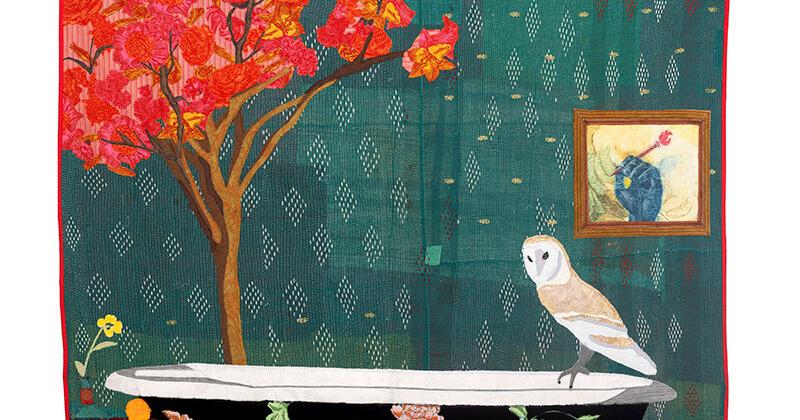
The Fabric Workshop and Museum (FWM) in Philadelphia, in partnership with Mural Arts Philadelphia, presents "Jesse Krimes: Elegy Quilts," an exhibition featuring works from the artist's ongoing Elegy Quilt series (2020-present). The show debuts a newly commissioned quilt, "Riverside" (2026), created from used clothing collected from incarcerated people. Krimes, a Bucks County-based multidisciplinary artist who experienced incarceration himself, gathers donated clothing and textile fragments from currently and formerly incarcerated individuals and reconstitutes them into patterned quilts that meditate on memory, loss, and resilience. The exhibition also includes collages made during workshops with graduates of Mural Arts' Restorative Justice reentry program, which informed both the quilt and a forthcoming public mural in Philadelphia's Spring Arts District, to be unveiled June 3.

Local artist work on exhibit in Tulsa

Living Arts of Tulsa is presenting “Who Lives, Who Dies, Who Decides?”, an exhibition by Kenneth and Isabelle Watson Reams, with support from JustArts Gallery. Kenneth Reams, a former Arkansas death row inmate now serving a life sentence, created over 50 works including paintings, drawings, sculptures, and poetry alongside his wife Isabelle. The show opened April 3 and runs through April and May, exploring themes of incarceration, capital punishment, and social justice through the lens of Reams’ 31 years on death row.

There Is a Fountain Even If Pale That Flows Beneath Us All.

Hajra Waheed’s upcoming solo exhibition at Kunstinstituut Melly, titled 'There Is a Fountain Even If Pale That Flows Beneath Us All', explores the intersection of sound, politics, and collective resistance. Curated by Hera Chan as part of the Call & Response series, the show features a multidisciplinary array of new commissions and recent works, including the central multichannel sound installation 'HUM' (2020), which amplifies the voices of political prisoners.

Healing through art : Stories of First Nations people who have experienced incarceration

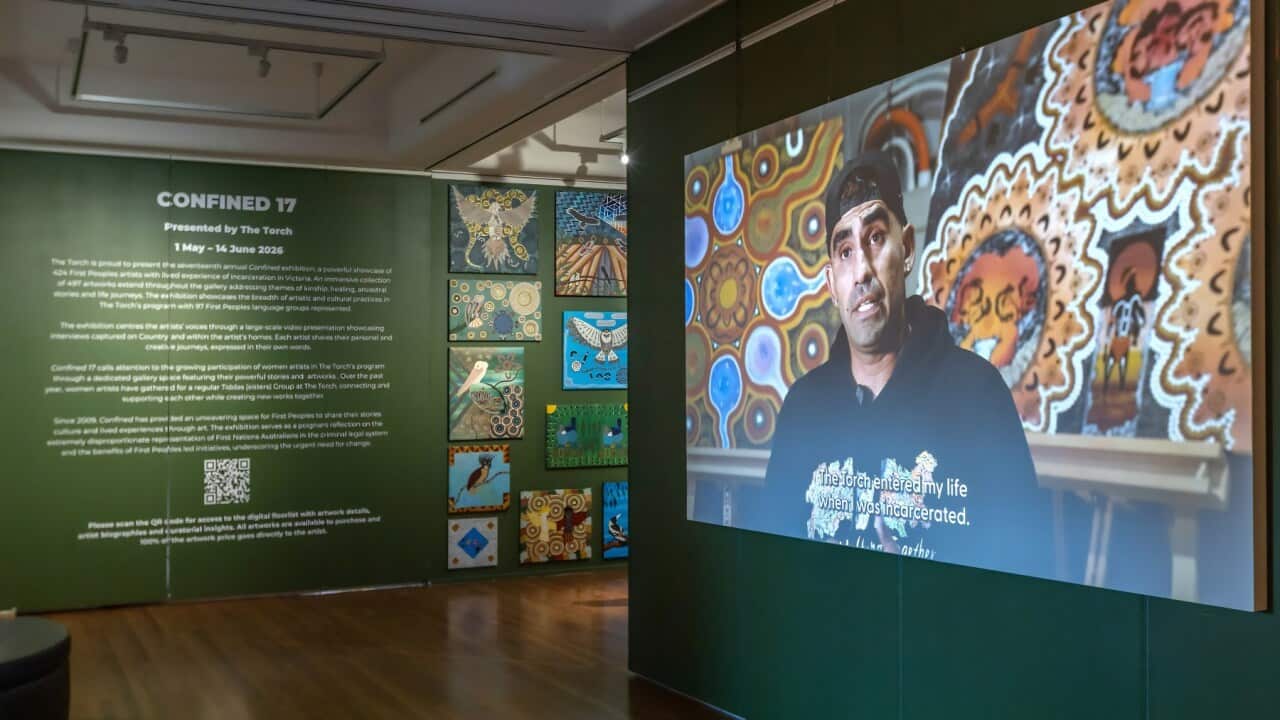
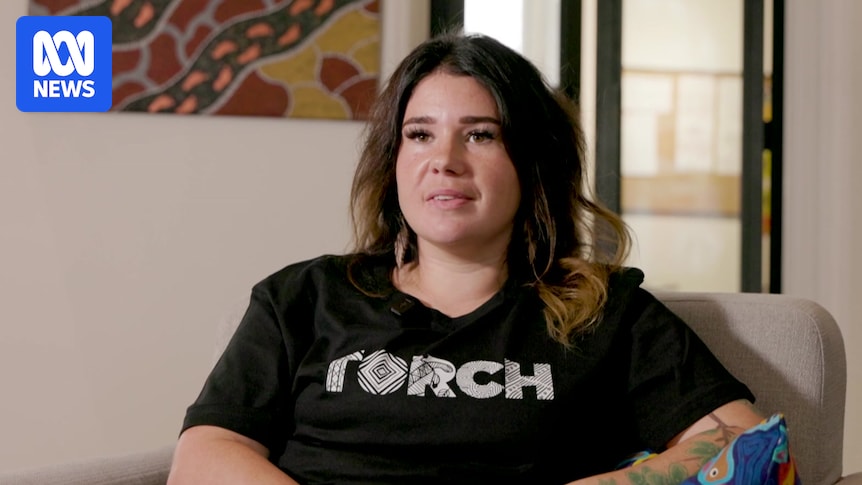
The Torch, a First Peoples-led arts organization in Victoria, Australia, runs a program supporting Indigenous artists who have experienced incarceration. Its annual exhibition, Confined 17, features nearly 500 artworks by 424 First Nations artists at the Glen Eira City Council gallery in Naarm. The organization provides art materials, cultural connection, and economic support, with artists receiving 100% of their income from sales. Participants like Tegan, a Palawa woman, describe improvising with food dye in prison to create watercolor-style works, while CEO Susannah Day and founder Kent Morris emphasize the program's role in reducing reincarceration rates.

'Do or die': Flick's journey from jail to artist and First Nations mentor

Flick Chafer-Smith, a First Nations artist, turned her life around after being incarcerated on her 18th birthday and spending six years in and out of prison due to drug addiction. Through the Victorian Indigenous arts program The Torch, she discovered painting as a means of expression and healing. She is now among 424 artists featured in Confined 17, an annual exhibition at Glen Eira Town Hall showcasing works by First Nations artists with lived experience of incarceration in Victoria. The exhibition includes paintings, weavings, ceramics, and carved emu eggs, with sales proceeds going directly to the artists.

Corcoran students commemorate America’s 250th year with interactive art exhibit

Graduate students at the Corcoran School of the Arts & Design, part of George Washington University, have created an interactive exhibition titled “American Made” to commemorate the United States’ 250th anniversary. The exhibit, on view at the Luther W. Brady Art Gallery until May 14, combines 21 traditional artworks from GW’s collection—including photographs, pottery, and textiles—with interactive elements such as a touchscreen map and audio components. The project was developed collaboratively by students in museum studies and interactive design programs, led by professors Laura Schiavo and Sam Shelton, as part of the school’s annual NEXT Festival. Featured works include Patricia Kennedy-Zafred’s contemporary quilt “Tagged,” which addresses the incarceration of Japanese Americans during World War II.

Aristophil : Gérard Lhéritier reconnaît sa culpabilité et obtient une peine réduite

Gérard Lhéritier, founder of the art investment firm Aristophil, has pleaded guilty in a French court under a procedure known as comparution sur reconnaissance préalable de culpabilité (CRPC), effectively a plea bargain. On April 14, he admitted responsibility for fraud and deceptive commercial practices after more than a decade of denial. This late admission, made just before his expected incarceration, reduces his sentence from the five years of imprisonment handed down in December 2025 to two years under electronic monitoring. The case stems from Aristophil’s collapse, which involved selling shares in manuscripts and historical documents as attractive investments, leaving thousands of investors heavily impacted.