filter_list Showing 5 results for "inspector" close Clear
dashboard All 5 article news 4article policy 1
date_range Range Today This Week This Month All
Subscribe

Advocates Try to Save Brutalist Fountain in San Francisco, José Aparicio Painting Returns to Prado Museum: Morning Links for April 30, 2026

This ARTnews Morning Links roundup covers multiple art-world stories from April 30, 2026. A new Banksy sculpture appeared in London's Waterloo Place, depicting a suited man marching off a plinth with a flag covering his face, though Banksy had not confirmed the work. Italian Culture Minister Alessandro Giuli ordered inspectors to the Venice Biennale headquarters amid intensifying scrutiny over Russia's participation, following internal emails suggesting sanctions were circumvented. Obituaries note the deaths of German 'total artist' Timm Ulrichs at 86 and Japanese sculptor Shigeo Toya at 78. A José Aparicio painting, 'The Year of the Famine in Madrid' (1818), returned to the Prado Museum after 150 years. In San Francisco, a group called Friends of the Plaza filed an appeal to block dismantling of the Vaillancourt Fountain. A feature in Cultured Magazine explores Bucharest's ambitions as a global arts hub through the Romanian Art Dealers fair.

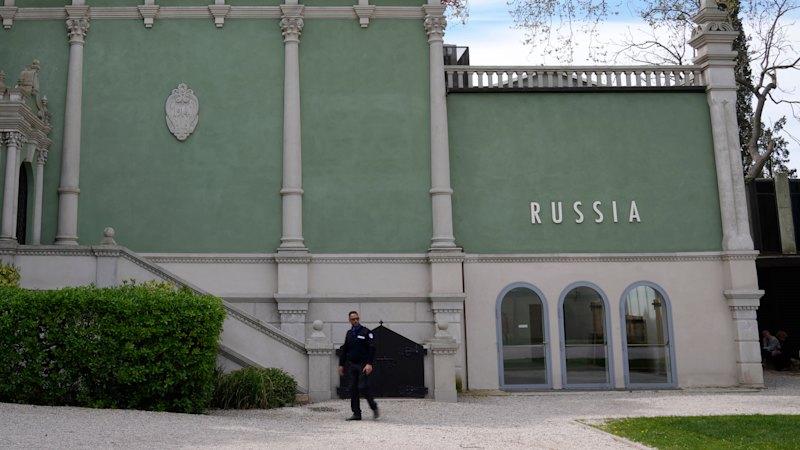
Italian Culture Minister Launches Inspection of Venice Biennale’s Russian Pavilion

Italian Culture Minister Alessandro Giuli has launched an official inspection of the Russian Pavilion at the 61st Venice Biennale, just days before the exhibition opens. An inspector has been sent to Venice to review all documentation related to Russia's participation, focusing on potential irregularities such as visa issues for Russian artists and delegation members. The investigation follows the Biennale's international jury decision to exclude Russia and Israel from awards due to accusations of crimes against humanity. The Russian Pavilion will be open only during the pre-opening vernissage, after which it will close, with digital documentation displayed in its windows.

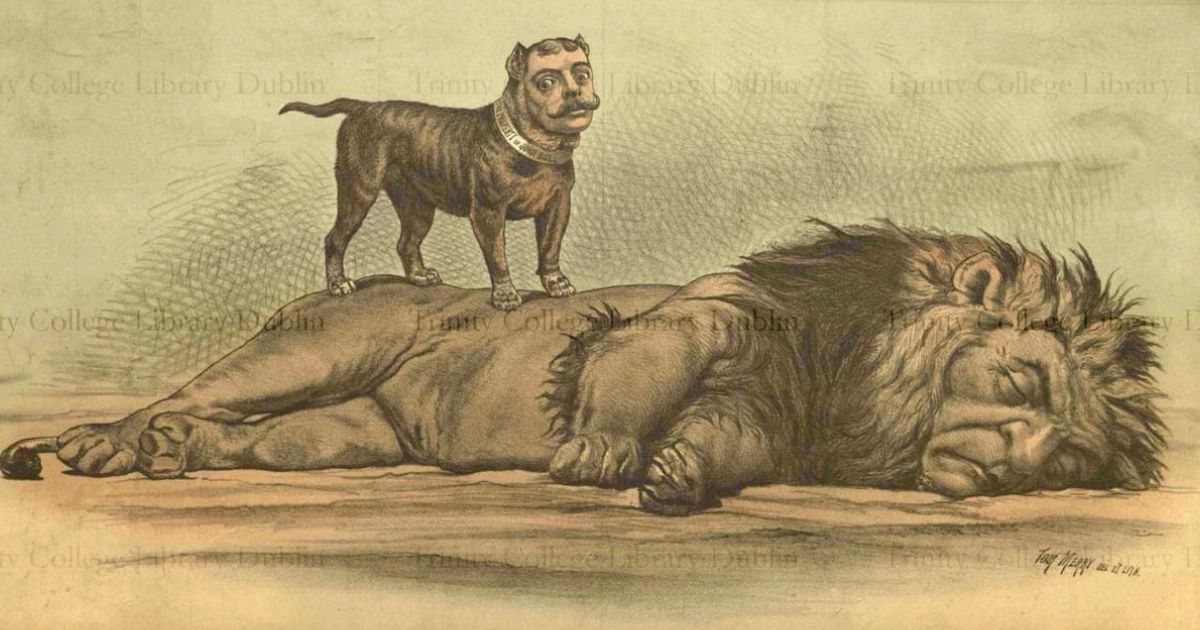
What Did the Golden Lion Die Of? On Judgment and Disavowal at the Venice Biennale

The international jury of the 61st Venice Biennale announced it would exclude from prize consideration countries whose leaders are charged with crimes against humanity by the International Criminal Court, specifically targeting Russia and Israel. This prompted the Italian culture minister to send inspectors to the Biennale's offices, leading the jury to resign. The Biennale then replaced the Golden Lion with "Visitors' Lions" prizes voted by ticket-holders, immediately making Russia and Israel eligible again. The article traces this crisis to the Biennale's historical structure under Mussolini's 1930 Royal Decree, which established the national pavilion system as a diplomatic concession system designed to serve state power, and notes the recent acceptance of a €50 million donation from Qatar for a new permanent pavilion in the Giardini.

Venice Biennale jury resigns amid row over Russian entry

The international jury of the Venice Biennale resigned en masse just nine days before the opening of the world's oldest contemporary art fair, amid a dispute over Russia's participation and the panel's decision to bar prizes for countries accused of crimes against humanity by the International Criminal Court. The jury, comprising president Solange Farkas and members Zoe Butt, Elvira Dyangani Ose, Marta Kuzma, and Giovanna Zapperi, stepped down without explanation, following tensions that also involved Italy's Culture Ministry cutting €2 million in EU funding over Russia's presence and sending inspectors to the Russian Pavilion.

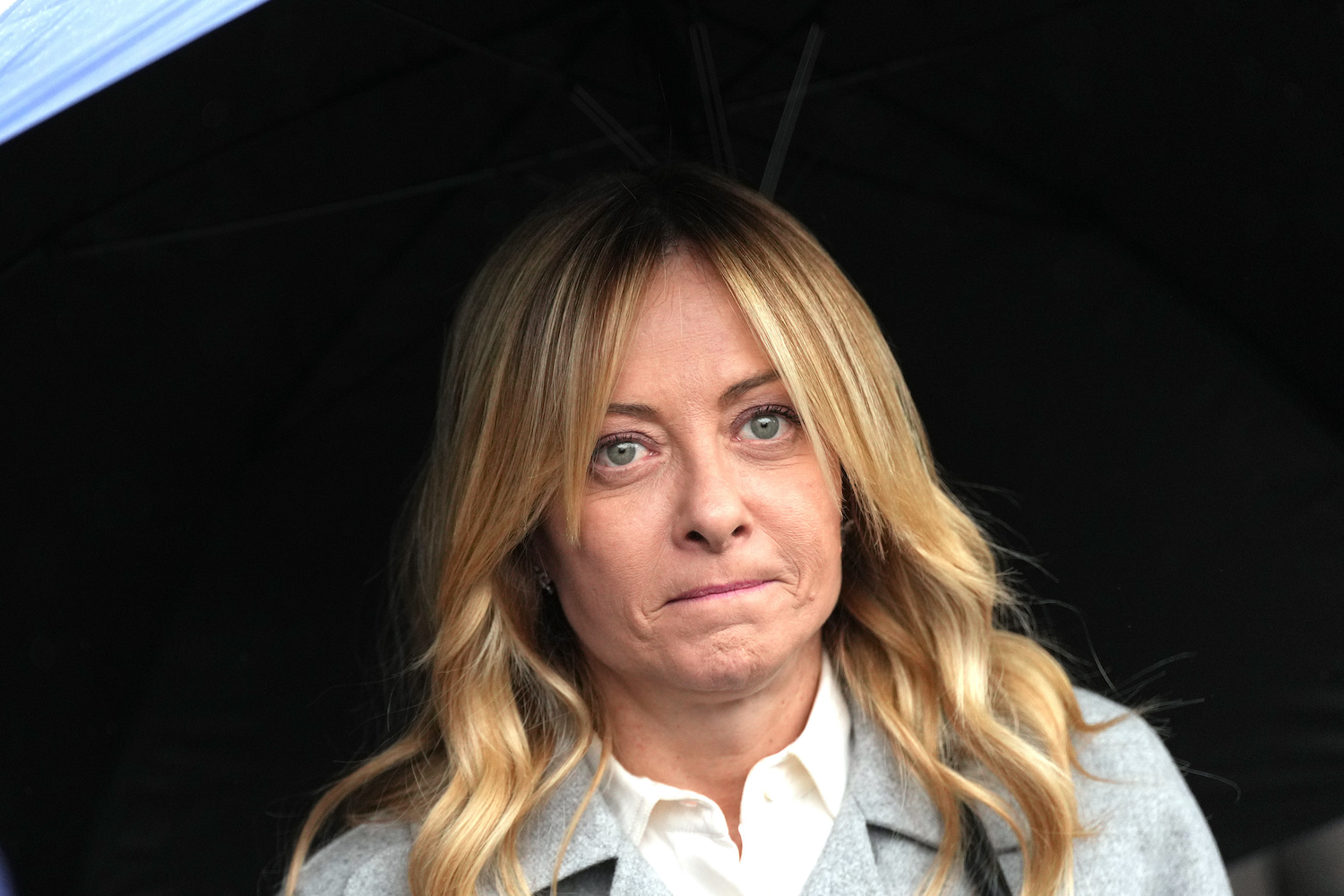
Meloni on Venice Biennale: 'I've somewhat lost track'

Meloni über Venedig-Biennale: "Habe den Überblick etwas verloren"

Days before the opening of the Venice Biennale, the entire international jury resigned in protest over Russia's participation despite its war against Ukraine. The jury had previously excluded Russia and Israel from prize consideration due to International Criminal Court warrants against their leaders. Italy's Prime Minister Giorgia Meloni admitted she had "lost track" of the situation, while the government sent inspectors to Venice. Biennale organizers responded by postponing the Golden Lion awards until November and introducing two audience-choice awards that will include Russian and Israeli entries.