
filter_list Showing 3 results for "media theory" close Clear
search
dashboard All 3 article culture 2article news 1
date_range Range Today This Week This Month All
Subscribe

The Philosopher Who Predicted Our Post-Literate Art Moment

Art critic Martha Schwendener has released a new book titled 'The Society of the Screen: Vilém Flusser’s Radical Prescience,' exploring the prophetic theories of the late philosopher Vilém Flusser. Flusser, a Prague-born thinker who lived in Brazil and Europe, argued in the 1980s that society was transitioning from a text-based culture to one dominated by 'technical images,' a shift he believed would fundamentally alter human consciousness and the function of the 'apparatus' in daily life.
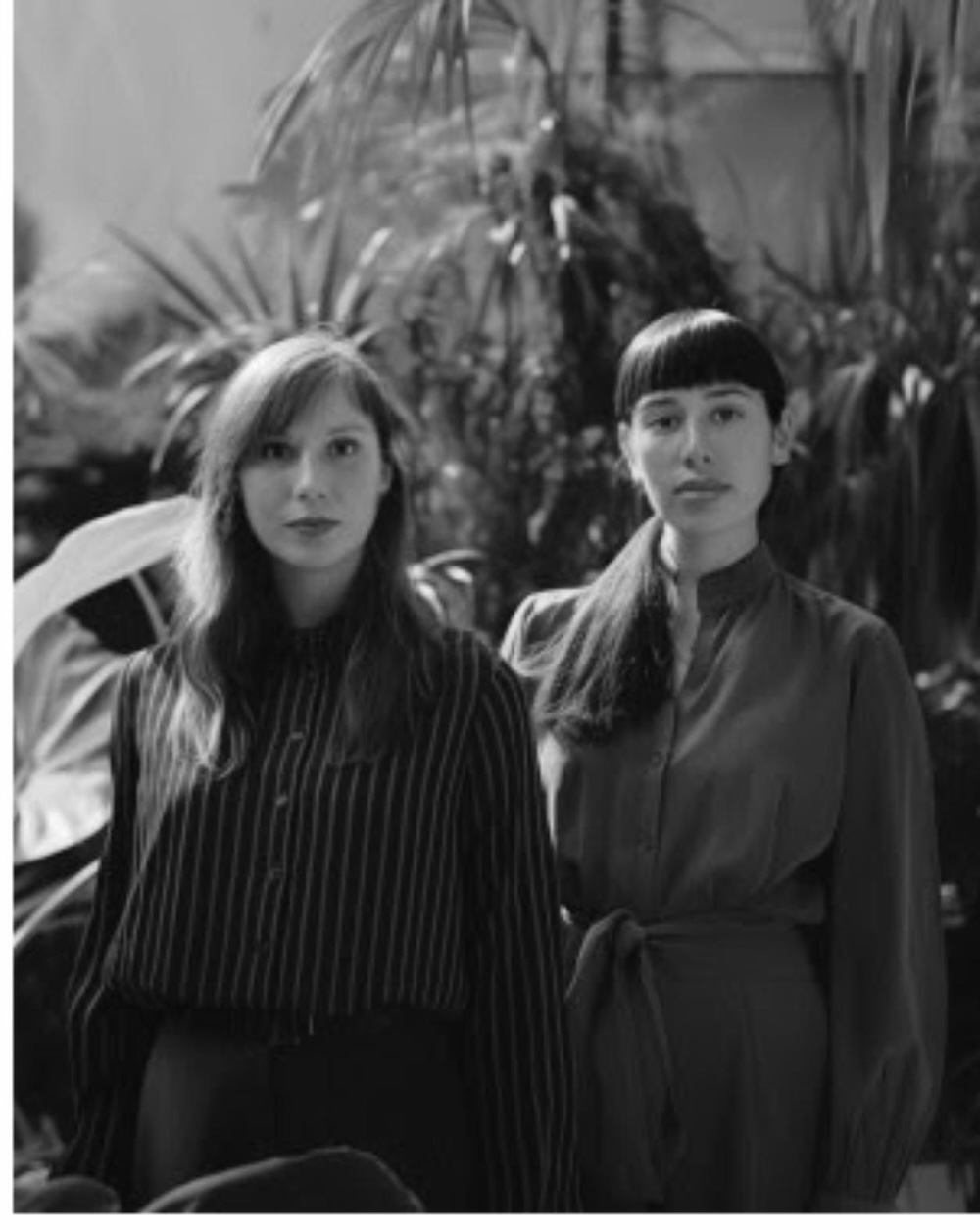
Anna Ridler x Sofia Crespo win the Artist of the Year at ABS Digital Art Prize 2025.

Anna Ridler and Sofia Crespo have won the Artist of the Year award at the ABS Digital Art Prize 2025, recognizing their collaborative work combining analog photography and AI to explore nature and technology. The Emerging Artist of the Year category, introduced this year, was awarded to Cezar Mocan for his artwork "World Upstream," a real-time simulation that intersects contemporary art, game design, and media theory. The prize, established by Arab Bank Switzerland, received over 120 applications from 38 countries for the emerging category, and winners receive networking opportunities and a solo show or exhibition at a cultural institution within 12 months.

Simultaneous or Poly-Cinema

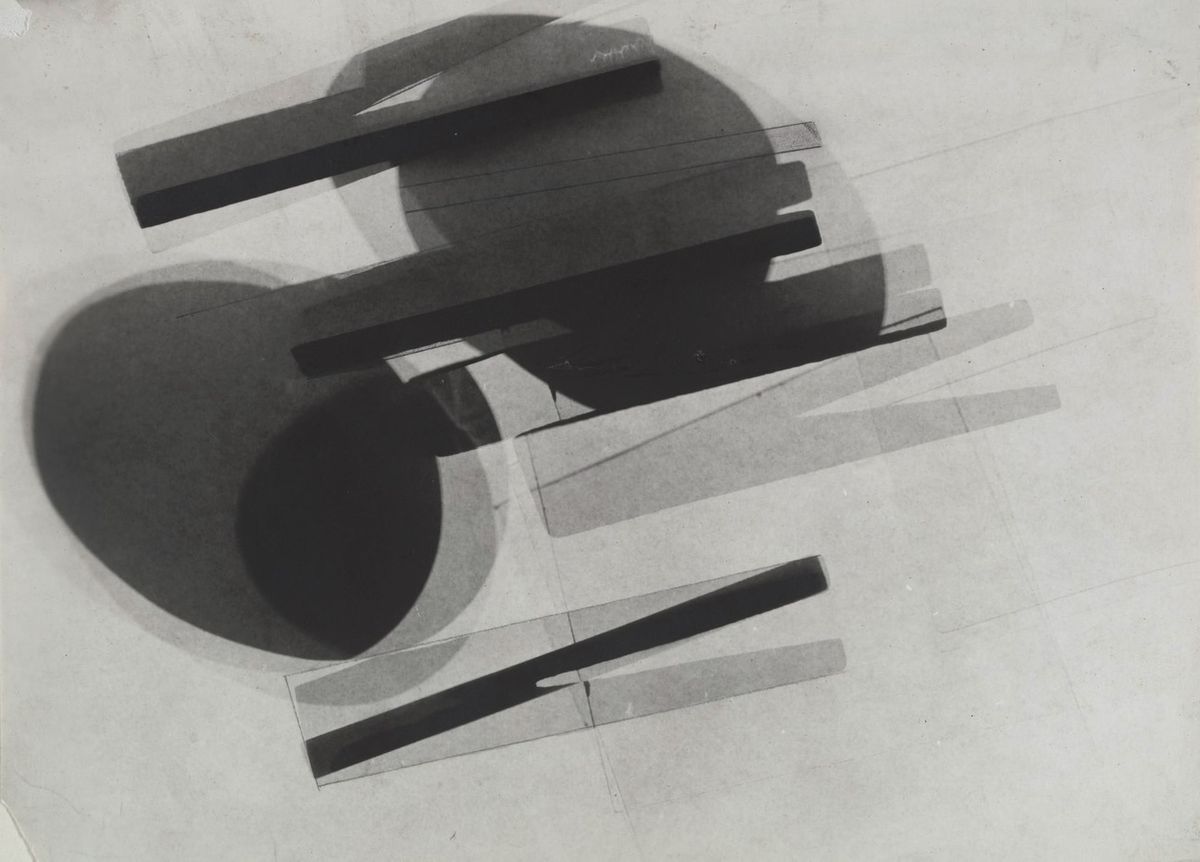
The Bauhaus artist László Moholy-Nagy proposes a radical departure from traditional filmmaking in his 1925 text, "Simultaneous or Poly-Cinema." He envisions a cinematic experience that moves beyond the static, rectangular screen, suggesting instead curved, spherical, or multi-planar surfaces that can accommodate multiple simultaneous projections. By utilizing rotating prisms and intersecting film strips, Moholy-Nagy describes a system where different narrative threads—such as the lives of multiple characters—can physically overlap and merge, creating a dynamic architectural arrangement of light and movement.