filter_list Showing 53 results for "minor keys" close Clear
dashboard All 53 museum exhibitions 33article news 16article culture 2rate_review review 2
date_range Range Today This Week This Month All
Subscribe

Who Went to Venice Last Week? Jenny Saville, Glenn Lowry, Jewel, and Many Other Power Players

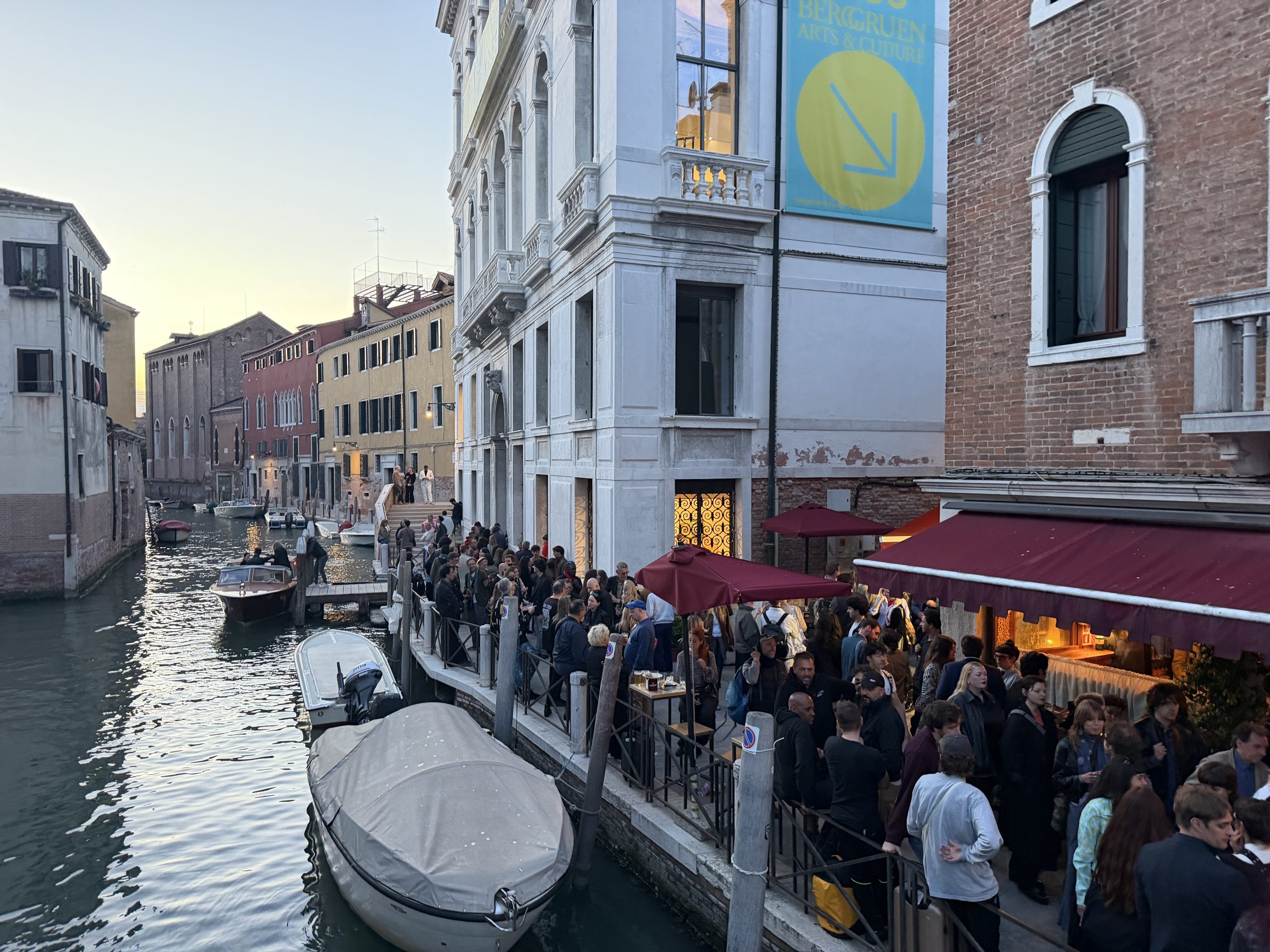
Artnet News reporter Katya Kazakina recounts her experience at the opening week of the 61st Venice Biennale, describing a whirlwind of art, parties, and chance encounters. Notable figures spotted include former MoMA director Glenn Lowry, singer-songwriter Jewel (who debuted her visual art show "Matriclysm: An Archaeology of Connections Lost"), and Japanese Nintendo heir and collector Banjo Yamauchi. High-profile events included Thaddaeus Ropac gallery's reception for Georg Baselitz's final paintings (priced up to $1.5 million) and François Pinault's annual party at Fondazione Giorgio Cini, attended by Selma Hayek, Lorna Simpson, and JR. The article also highlights the social dynamics of the biennale, where dealers, curators, and collectors network across historic palazzos and hotels.
The 5 Best Booths at Frieze New York 2026

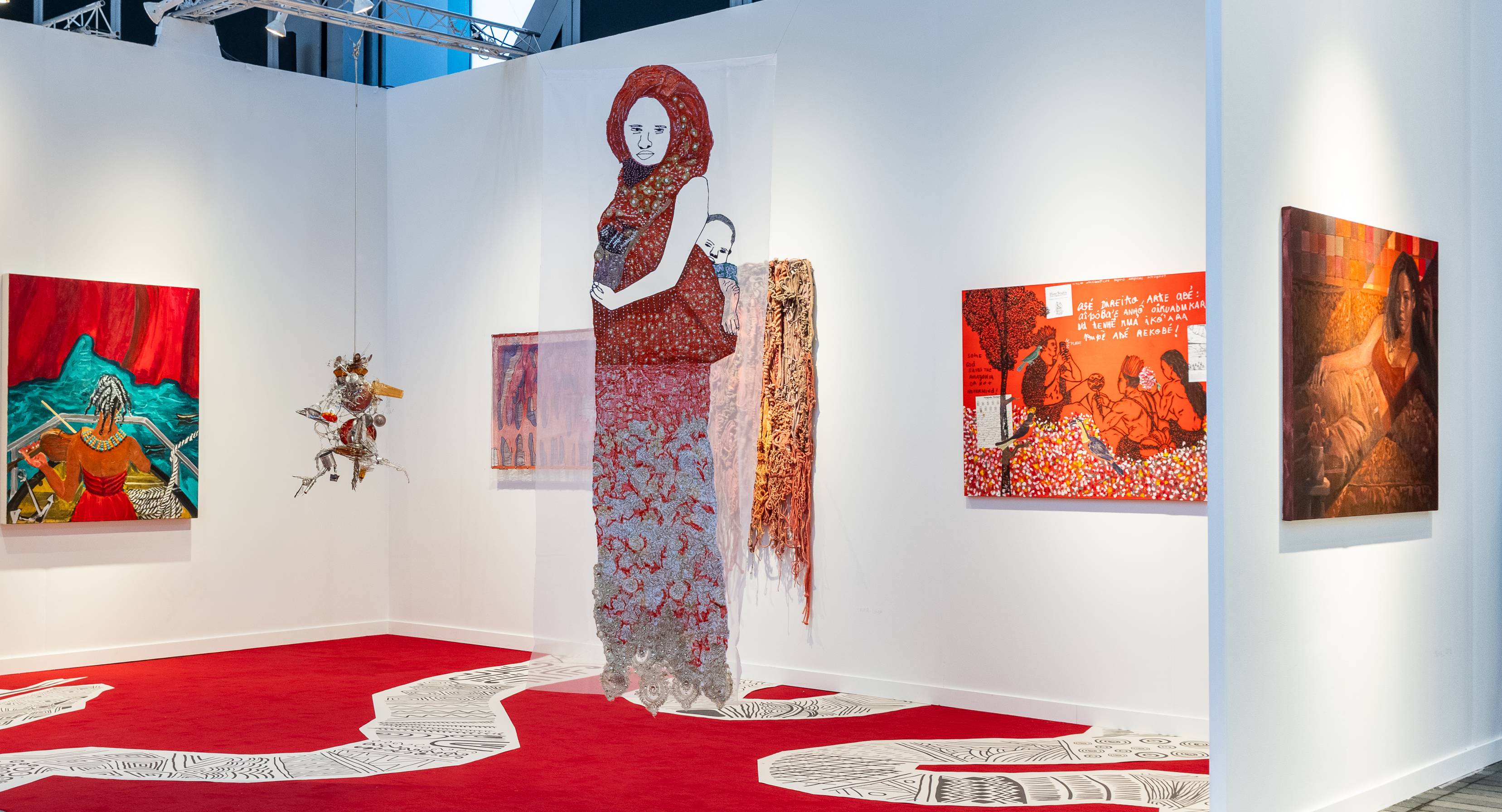
Frieze New York 2026 opened its VIP day at The Shed on May 13, following the Venice Biennale's opening week. Now in its 15th edition, the fair anchors New York Art Week, a series of concurrent fairs, gallery openings, auctions, and parties that take over the city each May. The article highlights the five best booths at the fair, curated by Artsy Editorial.

Mom, I'm Gonna Be an Artist!

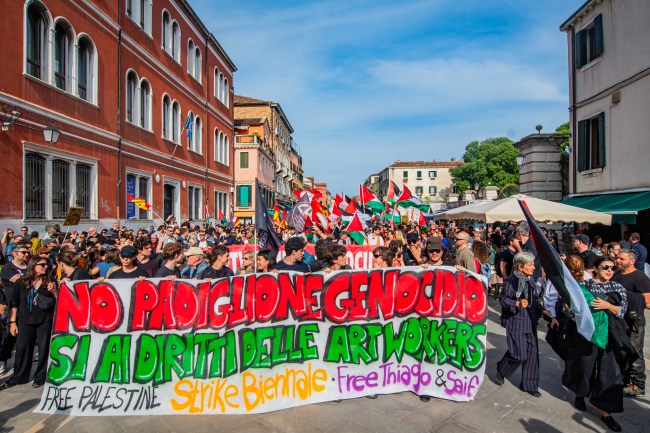
Hyperallergic's Saturday newsletter, edited by Valentina Di Liscia, rounds up a week of art-world activity marked by protests and resistance. Staff Writer Isa Farfan asked 15 artists to share advice from their mothers for Mother's Day, featuring responses from Pat Oleszko, whose work is in the Whitney Biennial. The newsletter also covers editor-in-chief Hakim Bishara's report on a historic strike for Palestine and workers' rights at the Venice Biennale, where dozens of national pavilions shut down, and Editor-at-Large Hrag Vartanian's review of the central exhibition "In Minor Keys." Additional stories include Damien Davis on artists and consignment agreements, Matt Stromberg on the LA Art Book Fair, a protest against Jeff Bezos at the Met Gala, MoMA PS1's upcoming Teresa Margolles survey, and a picket at the American Folk Art Museum.

5 Trends Shaping the 2026 Venice Biennale

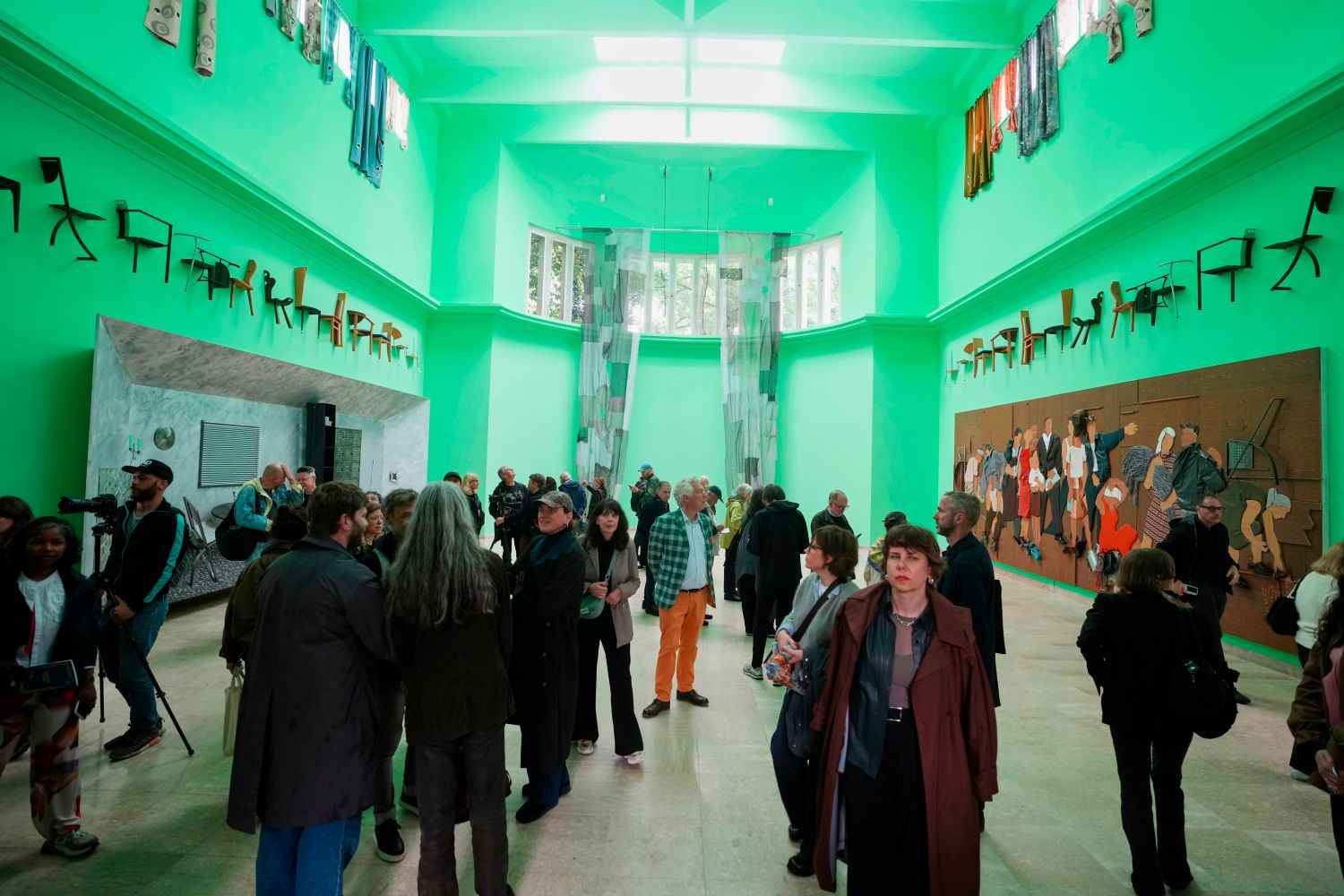
The 2026 Venice Biennale has opened to the public, featuring the main exhibition 'In Minor Keys' conceived by the late Cameroonian Swiss curator Koyo Kouoh, who died unexpectedly in May 2025. Kouoh, the first African woman appointed to lead the Biennale, had her curatorial team—including Rasha Salti, Marie Hélène Pereira, and Gabe Beckhurst Feijoo—carry forward her vision of art as a 'shared and sustaining force.' The opening was weighted with politics and emotion.

Naked jetskiers, giant bells and a celebrity seagull! Venice Biennale’s wildest moments – in pictures

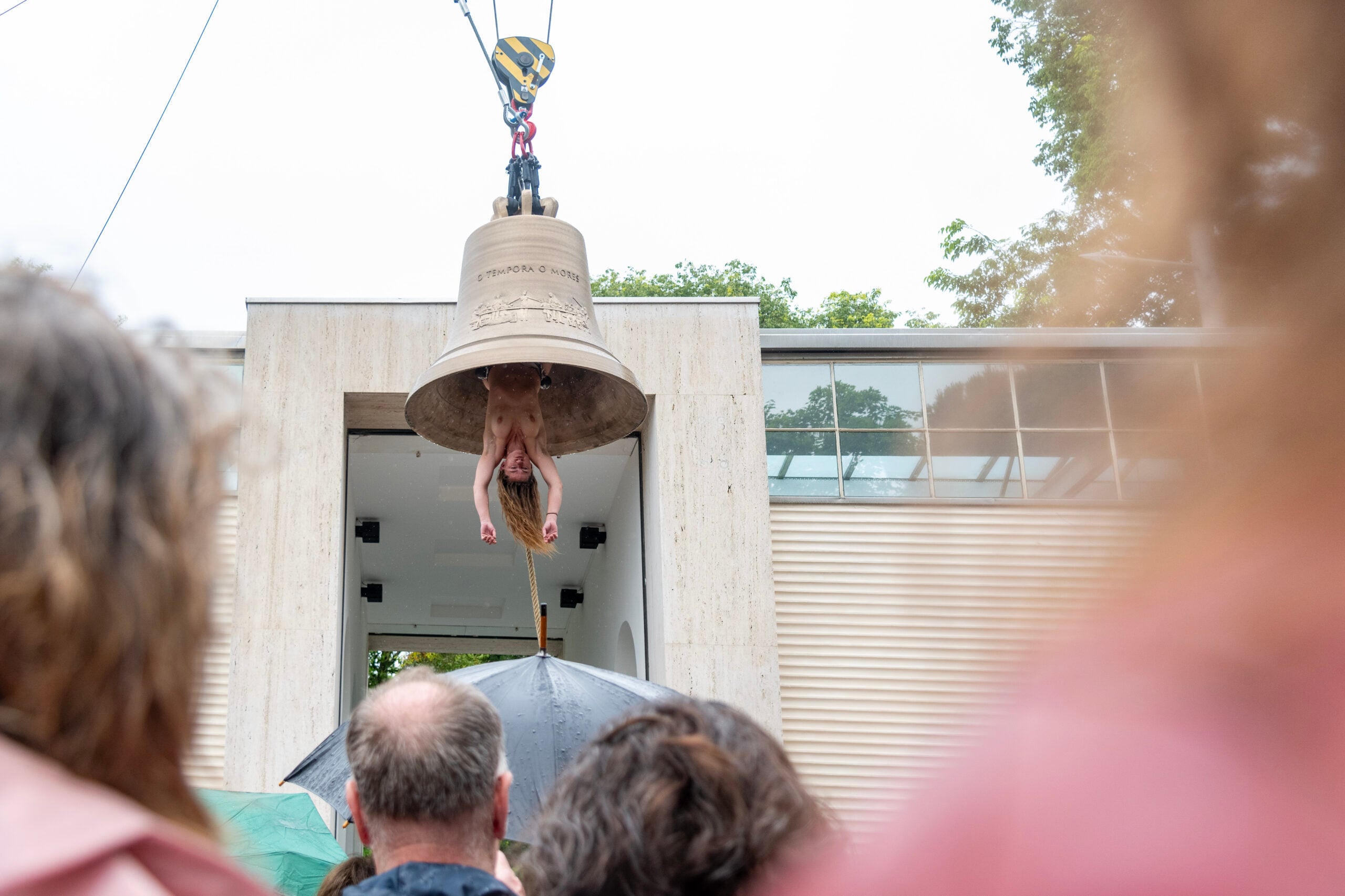
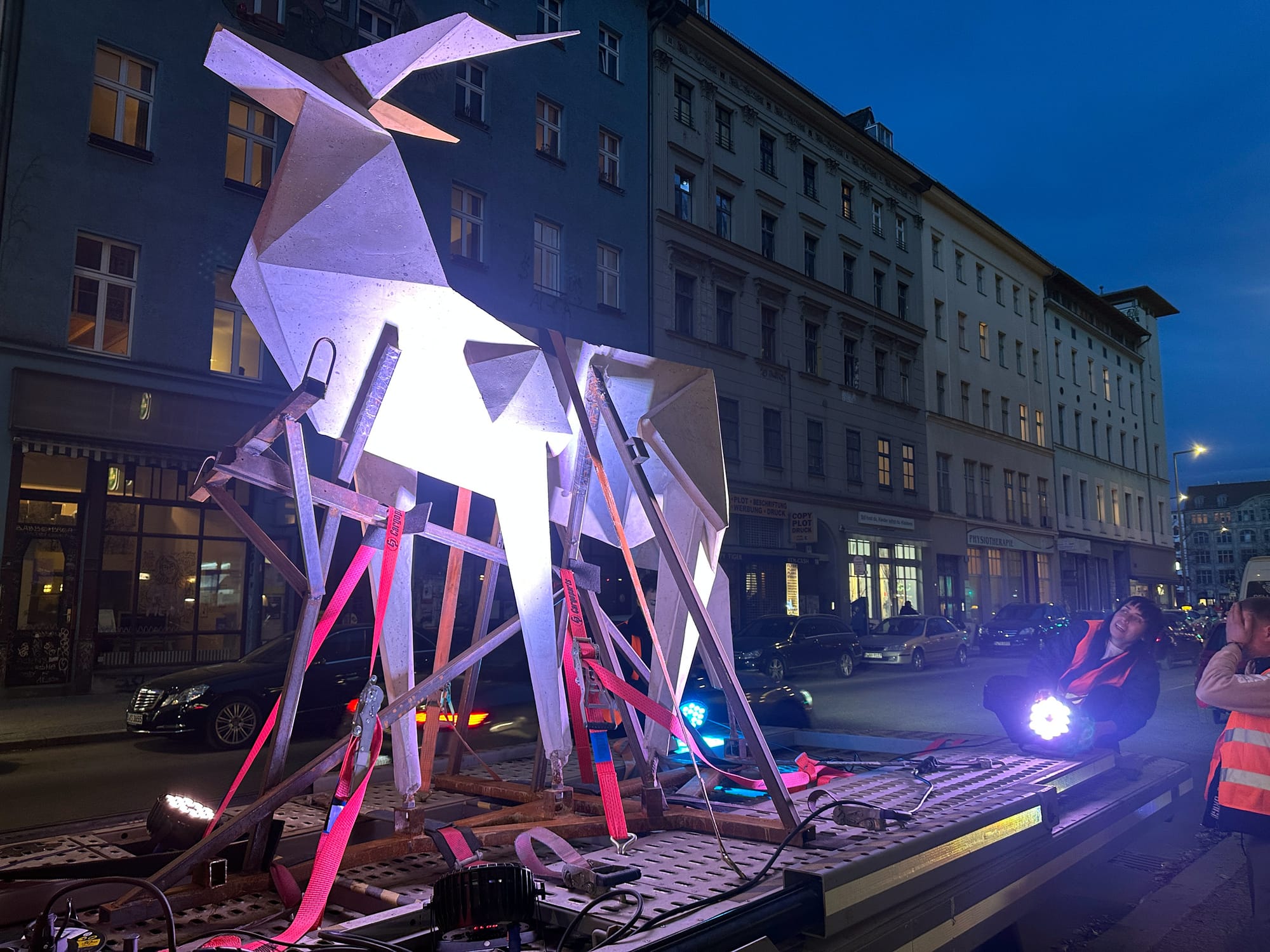
The Guardian presents a photo essay capturing the most eccentric and memorable moments from the 61st Venice Biennale, running until 22 November 2026. Photographer David Levene documents installations including a concrete 'Origami Deer' evacuated from war-torn Pokrovsk, Ukraine, by artist Zhanna Kadyrova; a seagull that became a minor celebrity after nesting outside the Polish pavilion; and the Holy See pavilion's immersive sound installation curated by Hans Ulrich Obrist and Ben Vickers. Other highlights include the Egyptian pavilion's touch-and-smell 'Silence Pavilion' and a Polish pavilion film featuring deaf and hearing singers.

The Permanence of Refusal: Interview with Ding Yi

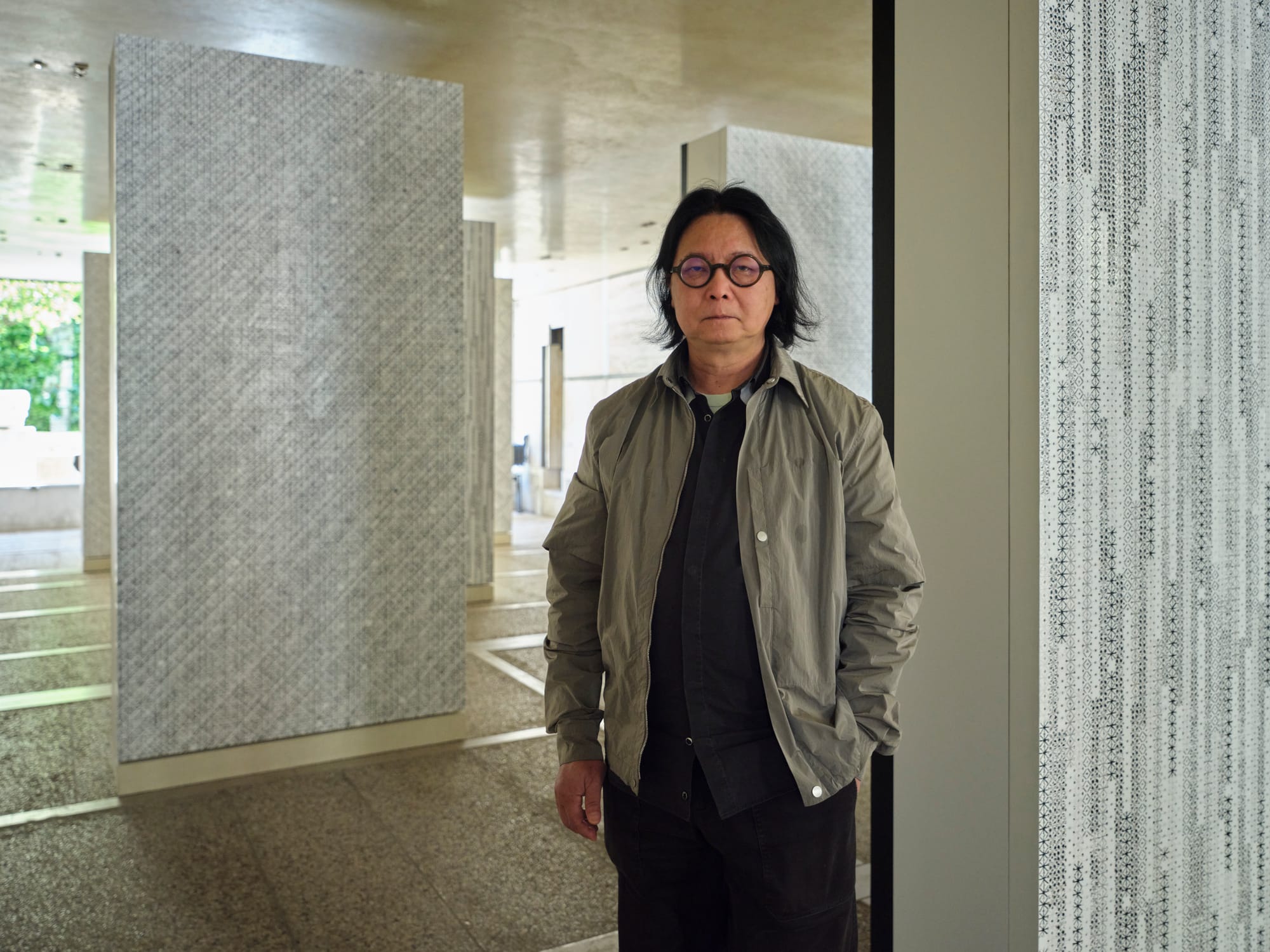
Chinese artist Ding Yi, who first appeared at the Venice Biennale in 1993 as part of the inaugural Chinese contemporary art exhibition, has returned to Venice with his first solo show in the city, titled “Cosmotechnics: Ding Yi as a Planetary Code” at Fondazione Querini Stampalia. The exhibition, referencing philosopher Yuk Hui's concept of cosmotechnics, traces Ding Yi's abstract visual language from the 1980s to the present, featuring new and historic works that engage with the modernist architecture of Carlo Scarpa. In an interview with ArtAsiaPacific during the 61st Venice Biennale preview week, Ding Yi reflects on the evolution of his practice, his travels, and the deep perceptual frameworks of ancient civilizations.

More than 70 Venice Biennale artists withdraw from awards

More than 70 artists participating in the 2025 Venice Biennale have withdrawn from consideration for the Golden Lion awards, which this year will be decided by public vote. The artists, including Walid Raad, Laurie Anderson, and Yto Barrada, signed a statement published on e-flux on May 9, withdrawing in solidarity with the entire prize jury that resigned last month over a dispute regarding the participation of Israel and Russia. The Biennale management replaced the traditional jury-selected awards with a new "Visitor Lion" system where ticket holders can vote, but the Biennale has acknowledged that if any of the withdrawing artists win, they will not collect the award.

At the Venice Biennale, the Thrill of Victory, the Agony of Defeat

The article reports on the opening of the 61st Venice Biennale, highlighting the central exhibition "In Minor Keys" conceived by the late Koyo Kouoh, along with national pavilions and collateral events. It notes standout contributions from artists such as Alvaro Barrington, Kaloki Nyamai, Florentina Holzinger, Ei Arakawa-Nash, Li Yi-Fan, and Dries Verhoeven, while describing the American pavilion as lackluster and the overall commercial offerings as uneven. The text also covers performances and exhibitions featuring nudity and body horror, including Tino Sehgal's "The Kiss" and Maja Malou Lyse's video with the collective DIS.

Female nudity and art that stinks: key takeaways from Venice Biennale 2026

The 2026 Venice Biennale opened with 99 participating countries, including first-timers Somalia and Qatar, under the shadow of curator Koyo Kouoh's death. Her planned theme of "enhancement" and the main show "In Minor Keys" were disrupted by political protests: Pussy Riot objected to Russia's inclusion, and a strike against Israel's participation forced several national pavilions (UK, Austria, France) to close. Key takeaways include pervasive female nudity across pavilions, debates over Russia's presence, criticism of the US pavilion's lackluster art, maritime themes dominating several shows, and the rise of olfactory art.

A Time of Transition

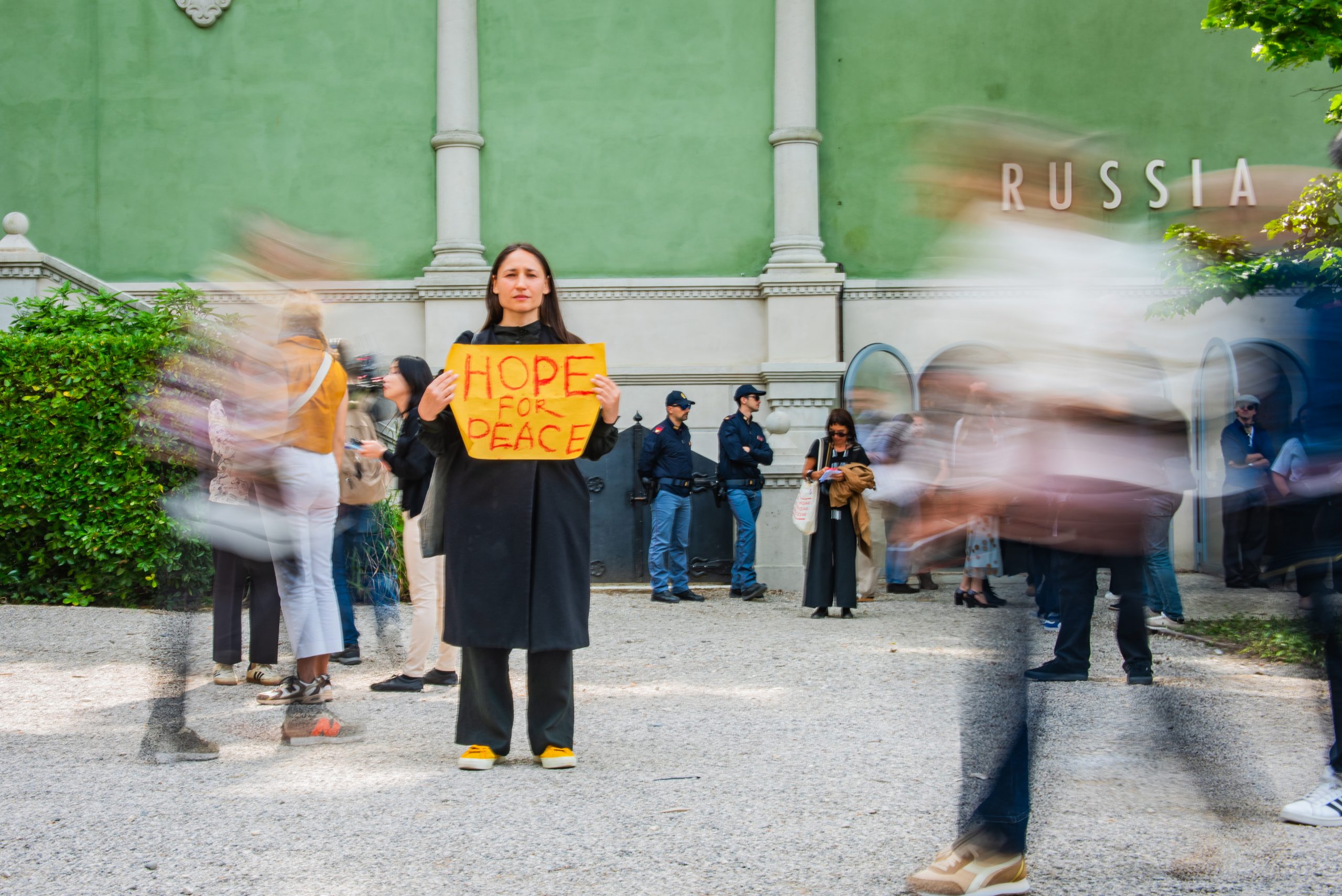
During the preview week of the 61st Venice Biennale, escalating protests targeted the national pavilions of Israel and Russia, with demonstrations by Pussy Riot, ANGA (Art Not Genocide Alliance), and Baltic pavilions. A major protest on May 8 drew over 3,000 people in solidarity with Palestine, and 27 national pavilions—including Austria, the Netherlands, France, and Japan—staged a strike, the first at the Biennale since 1968. The Golden Lion jury resigned after declaring they would not consider countries under ICC investigation (Israel and Russia), and the Biennale administration replaced the prize with a visitors' award, from which half the artists in the main exhibition have withdrawn.

Review: The Good, The Bad and The Venice Biennale

The article reviews the 2024 Venice Biennale, focusing on controversies over Russia's and Israel's participation. Protests erupted during opening week, leading the EU to cut funding and the International Jury to resign. As a result, awards like the Golden Lion and Silver Lion will be decided by public vote, with many pavilions and artists withdrawing in protest. The main exhibition, curated under the theme 'Minor Keys,' features standout works by Alfredo Jaar and Carrie Schneider, alongside national pavilions like Austria's provocative entry by Florentina Holzinger.

Across Venice, Artists Defy Censorship to Mourn and Memorialize Gaza

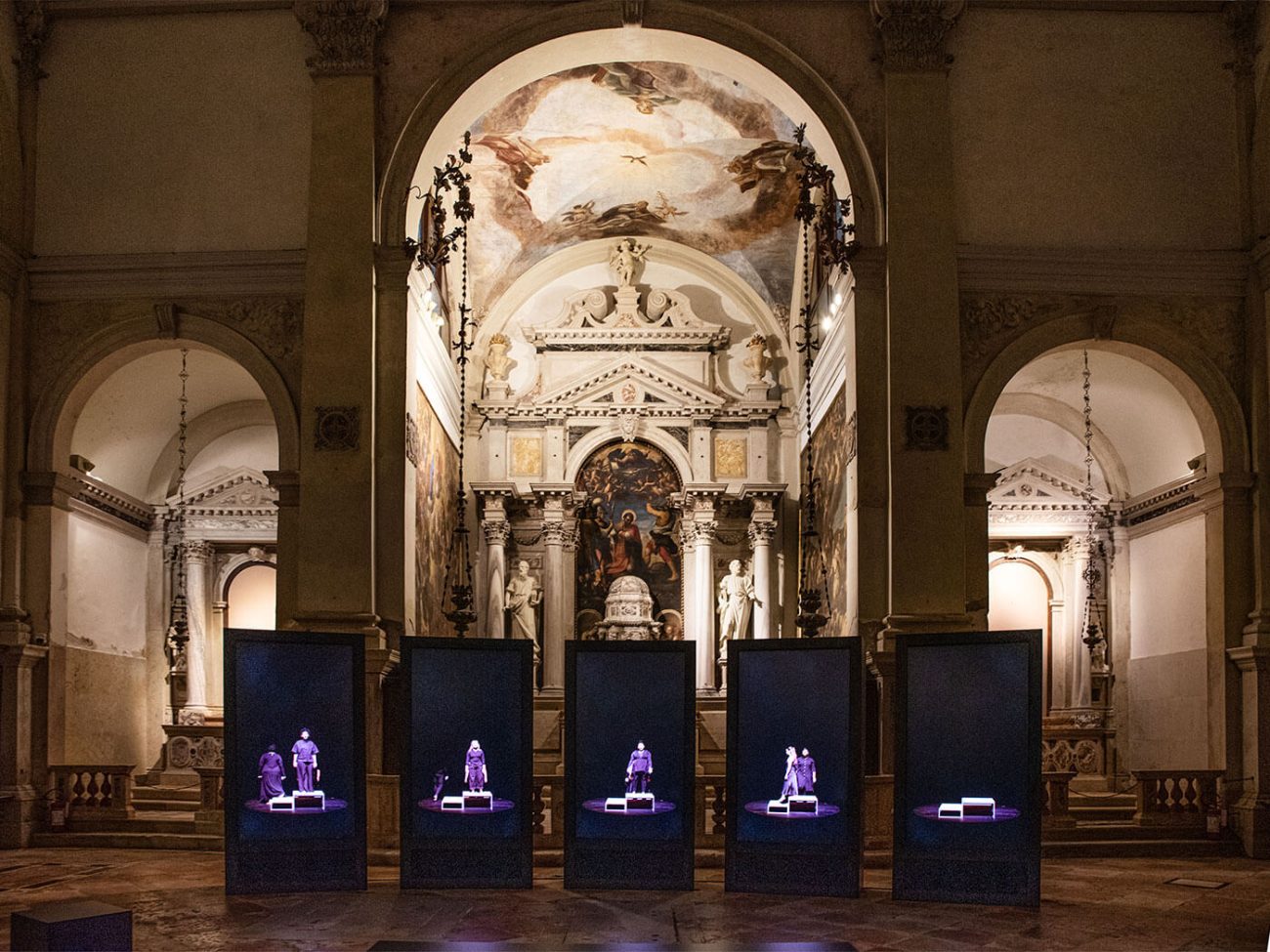
The 2026 Venice Biennale, titled “In Minor Keys,” features numerous artworks that mourn and memorialize the destruction of Gaza, despite censorship pressures. The main exhibition opens with a poem by slain Palestinian poet Refaat Alareer, and includes works by artists such as Theo Eshetu, Mohammed Joha, Manuel Mathieu, and Avi Mograbi that directly or indirectly address the conflict. Outside the official Biennale, South African artist Gabrielle Goliath’s performance series “Elegy” was censored by her country’s culture minister after she proposed a version honoring murdered Palestinian poet Hiba Abu Nada, leading her to present the work independently at a church in Venice.

Best in Show: 6 Standouts at the 2026 Venice Biennale

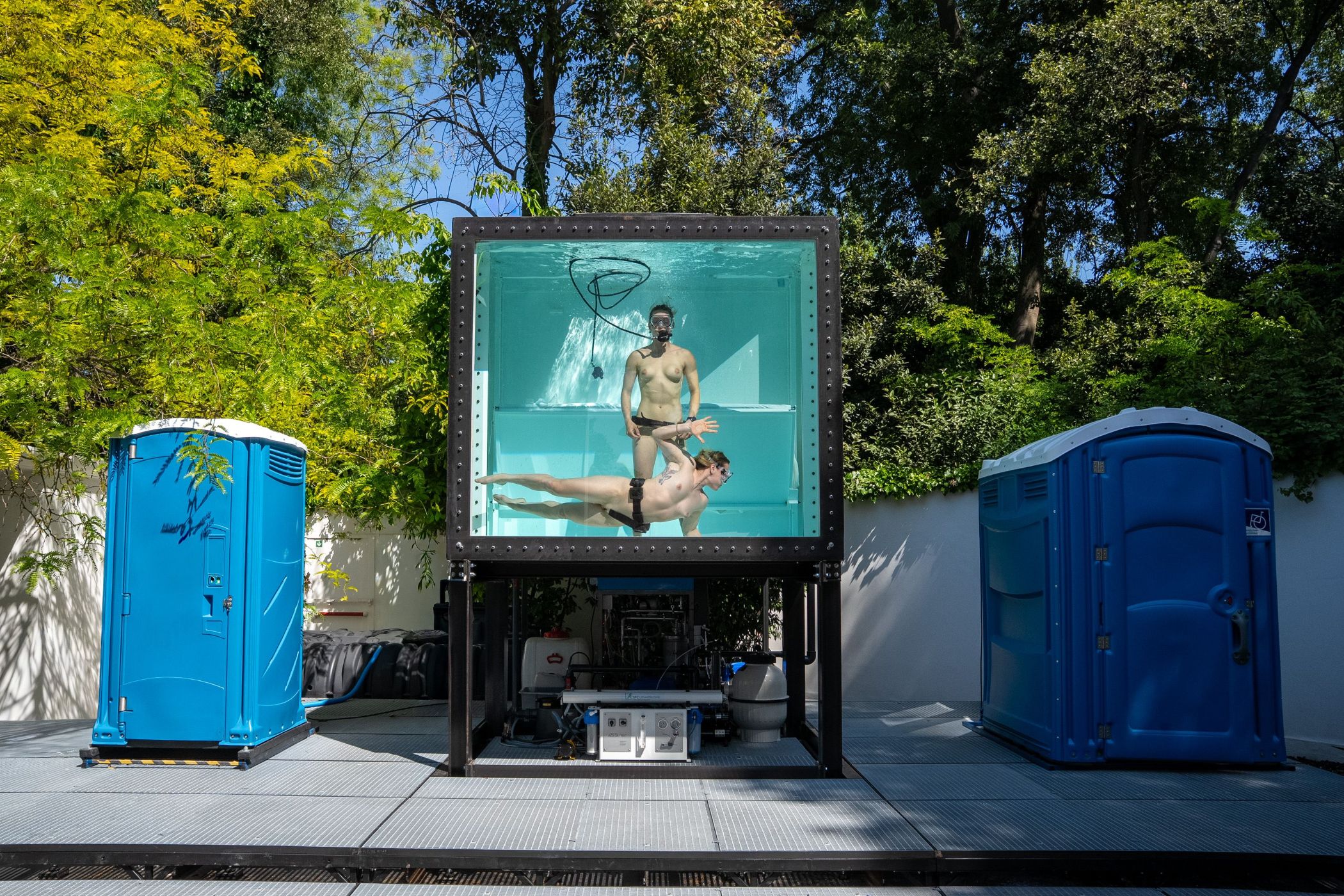
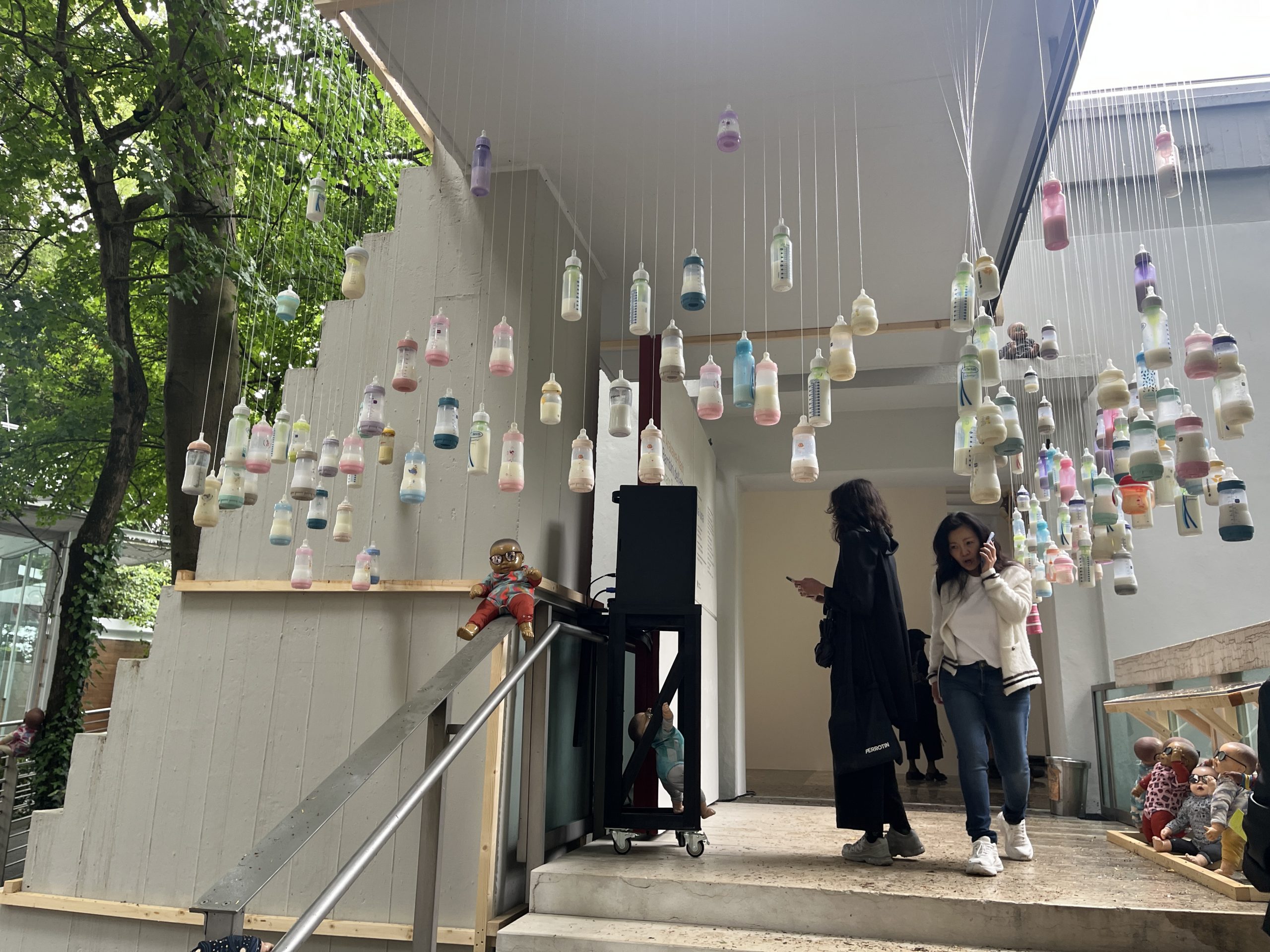
Artnet News writers highlight six standout exhibitions at the 2026 Venice Biennale, which opens to the public on May 9. Among the picks are Ei Arakawa-Nash's interactive installation "Grass Babies, Moon Babies" at the Japan Pavilion, featuring baby dolls and diaper-changing stations; Florentina Holzinger's provocative performance "Seaworld Venice" at the Austria Pavilion, involving nude performers, jet skis, and recycled wastewater; and Dayanita Singh's photographic exhibition "Archivio" at the State Archives of Venice, presenting intimate black-and-white images arranged as freestanding columns.

A Poetic and Material Institutional Critique: Gala Porras-Kim at kurimanzutto and the Venice Biennale

UNA CRÍTICA INSTITUCIONAL POÉTICA Y MATERIAL: GALA PORRAS-KIM EN KURIMANZUTTO Y LA BIENAL DE VENECIA

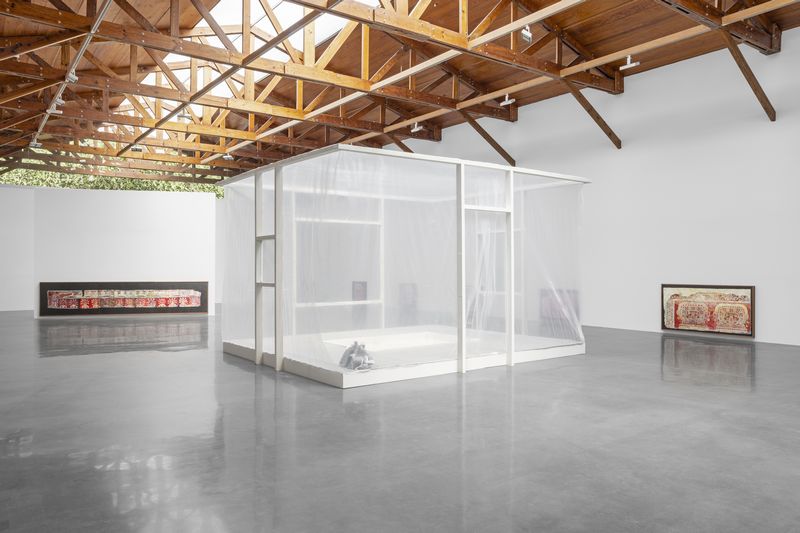
Colombian artist Gala Porras-Kim presents her first solo exhibition at kurimanzutto gallery in Mexico City, titled "Espacios del futuro replican los del pasado" (2026), alongside her participation in the 2026 Venice Biennale. The show critically examines how museum conservation protocols transform objects by detaching them from their original material, ritual, and spiritual contexts. Central to the exhibition is "The Motion of an Alluvial Record" (2024), a greenhouse that recreates the humidity and temperature of Yucatecan mangroves, allowing clay and sediment to shift continuously, resisting the linear, stratified time of Western archives and evoking cyclical Maya cosmologies. Another series, "Uprooted" (2026), reproduces fragments of looted Teotihuacan murals from Techinantitla, now held by the Metropolitan Museum of Art and the Ethnological Museum of Berlin, reinstalling them near the floor to restore their original architectural scale and orientation.

HKMoA Showcases Local Artists at Venice Biennale with 'Fermata: Hong Kong in Venice' Exhibition

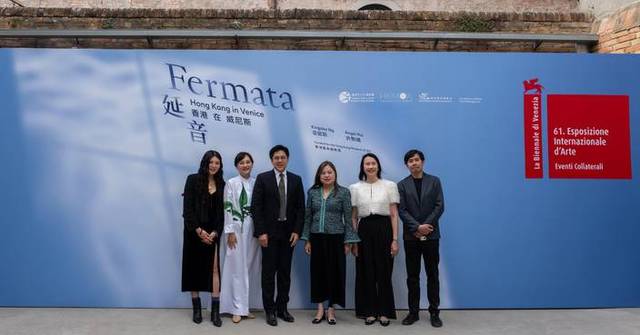
The Hong Kong Museum of Art (HKMoA) has organized 'Fermata: Hong Kong in Venice' as a Collateral Event of the 61st Venice Biennale, running from May 9 to November 22. The exhibition features artworks by Hong Kong artists Kingsley Ng and Angel Hui, curated under the musical symbol 'Fermata' in dialogue with the Biennale's theme 'In Minor Keys'. This marks the first time HKMoA has curated Hong Kong's exhibition at the Venice Biennale, with support from the Hong Kong Arts Development Council (HKADC) and the Hong Kong Special Administrative Region Government.

Ayan Farah and Asmaa Jama on Representing Somalia at the 61st Venice Biennale

Ayan Farah and Asmaa Jama, two of the three artists representing Somalia at the 61st Venice Biennale (2026), discuss their plans for the national pavilion in an interview with ArtReview. Farah will present an installation of large-scale embroidered landscape paintings using clay pigment sourced from Somalia and shell-derived pigment from Scotland, alongside silk paintings exploring time and nature. Jama will focus on the Somali poetry form saddexleey, creating a sensorial experience through moving image, installation, and visual artworks that draw on magical realism and cinematic surrealism. The pavilion is located in the Palazzo Caboto, and the third representative is poet Warsan Shire.

The best and worst we saw at the Venice Art Biennale 2026. Artribune's hits and flops

Il meglio e il peggio che abbiamo visto alla Biennale d’Arte di Venezia 2026. Top e flop di Artribune

The 61st Venice Biennale, titled "In Minor Keys" and directed by Koyo Kouoh, opened amid significant turmoil: the death of a newly appointed curator, diplomatic tensions over the presence of Russia and Israel, political protests, and the unprecedented collective resignation of the jury, which led to the Golden Lions being awarded by public vote for the first time. Despite this chaotic backdrop, the exhibition—featuring a record 100 national pavilions—has been widely praised for avoiding moralistic pedagogy and instead embracing visual seduction, formal quality, and sensory joy while addressing themes of identity, memory, colonialism, ecological crisis, and violence. The article highlights top and flop moments from the opening week, including strong showings by Biennale president Pietrangelo Buttafuoco and a standout exhibition at Fondazione Prada.

What not to miss at the 2026 Venice Biennale

The article highlights five standout pavilions and installations at the 2026 Venice Biennale. Florentina Holzinger's Austrian pavilion features extreme, nude performances including a woman submerged in a urine-purified tank, drawing police attention. Sanya Kantarovsky presents eerie paintings and a Murano glass sculpture in a historic palazzo. Gabrielle Goliath's 'Elegy'—a hypnotic mourning performance for women killed in violence—was banned by South Africa but staged with London's Ibraaz. Carrie Schneider's 1.5km photographic curl in the Arsenale references Chris Marker's 'La Jetée'. Lydia Ourahmane's delicate sculptural show uses materials sourced from Venice, including a bead curtain made by inmates.

Venice in Crisis Mode

Venedig im Krisenmodus

The 61st Venice Biennale has opened under extraordinary circumstances, marked by political protests, a jury resignation, and canceled awards. The Biennale's jury resigned en masse after announcing they would exclude Israeli and Russian contributions from their decisions, leading to the cancellation of the Golden Lion awards and a crisis over the international competition's legitimacy. A newly introduced audience prize also faced boycotts from artists in solidarity. Protests, closed pavilions, and pro-Palestinian actions dominated the preview days, with artists pasting protest posters directly onto their works, reflecting heightened tensions.

Venice Biennale Artists Decline Consideration for Golden Lions Chosen by Public Vote

Nearly half of the artists in the main exhibition of the Venice Biennale have signed a statement declining consideration for the Golden Lion awards, in solidarity with the jury that resigned last month. The statement, published by e-flux, includes prominent names such as Alfredo Jaar, Tuan Andrew Nguyen, Otobong Nkanga, and Walid Raad, as well as national pavilion representatives from France, Lithuania, and the Netherlands. The Biennale had planned to replace the jury-selected Golden Lions with "Visitor Lions" decided by public vote, but the artists' refusal marks an unprecedented protest within the exhibition.

Political Fallout Rocks Venice Biennale Prize System

Dozens of artists participating in the 2026 Venice Biennale have withdrawn from consideration for the newly created Visitor Lion awards, replacing the traditional Gold and Silver Lion prizes. A total of 57 artists from the main exhibition and 22 national pavilions signed a statement published on e-flux on May 9, acting in solidarity with the five-person prize jury that resigned on April 30 over the continued participation of Russia and Israel. The jury had objected to awarding prizes to artists from countries whose leaders face International Criminal Court charges, including Russian president Vladimir Putin and Israeli prime minister Benjamin Netanyahu. In response, the Biennale organizers postponed the awards ceremony to November 22 and introduced visitor voting, a move they described as consistent with openness and dialogue. Meanwhile, the Russian Pavilion, which returned after lending its space to Bolivia in 2024, faced protests, closure after previews, and a €2 million funding pull by the European Union for the 2028 Biennale.

Dana Awartani on Representing Saudi Arabia at the 61st Venice Biennale

Dana Awartani, an artist based in Jeddah, will represent Saudi Arabia at the 61st Venice Biennale in 2026, with her pavilion located in the Arsenale under the theme 'Celebrating Visions.' In an interview with ArtReview, Awartani discusses her exhibition, which builds on her practice of foregrounding Arab cultural histories and preserving the region's material heritage. She connects her work to the Biennale's theme 'In Minor Keys' by focusing on repair, healing, and the quiet consequences of conflict, emphasizing craft as a form of quiet resistance against mechanization. The pavilion, she says, reflects the diversity of voices within Saudi Arabia's artistic community rather than a single national narrative.

81 artists withdraw from Venice Biennale competition

Strike Rocks Venice Biennale Ahead of Public Opening as Pavilions Close

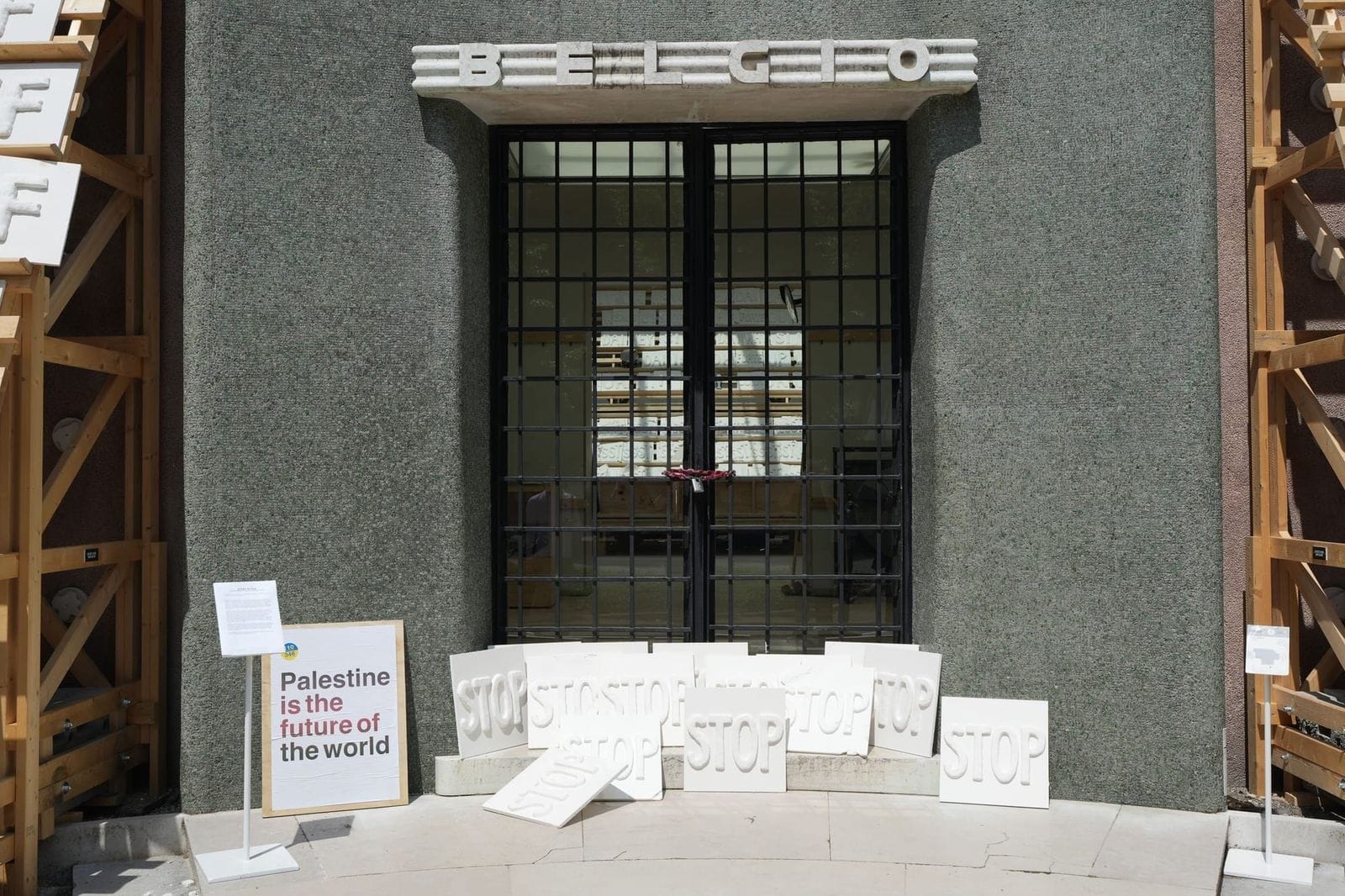
Thousands of protesters marched through Venice to demonstrate against Israel's presence at the Venice Biennale, leading many national pavilions to close in solidarity. Pavilions from Austria, Belgium, Egypt, Japan, the Netherlands, South Korea, and over a dozen other countries shut fully or partially, with some displaying signs reading "We Stand with Palestine." The Israeli pavilion remained closed for its exhibition opening, and armed police clashed with protesters. The main exhibition, curated by Koyo Kouoh, stayed open initially but the Arsenale closed by late afternoon with riot police outside. The 24-hour strike, organized by Art Not Genocide Alliance (ANGA) and Italian activist groups, was described as the largest protest in Biennale history.

In Pictures: The Highlights of the 2026 Venice Biennale

En images : les grands moments de la Biennale de Venise 2026

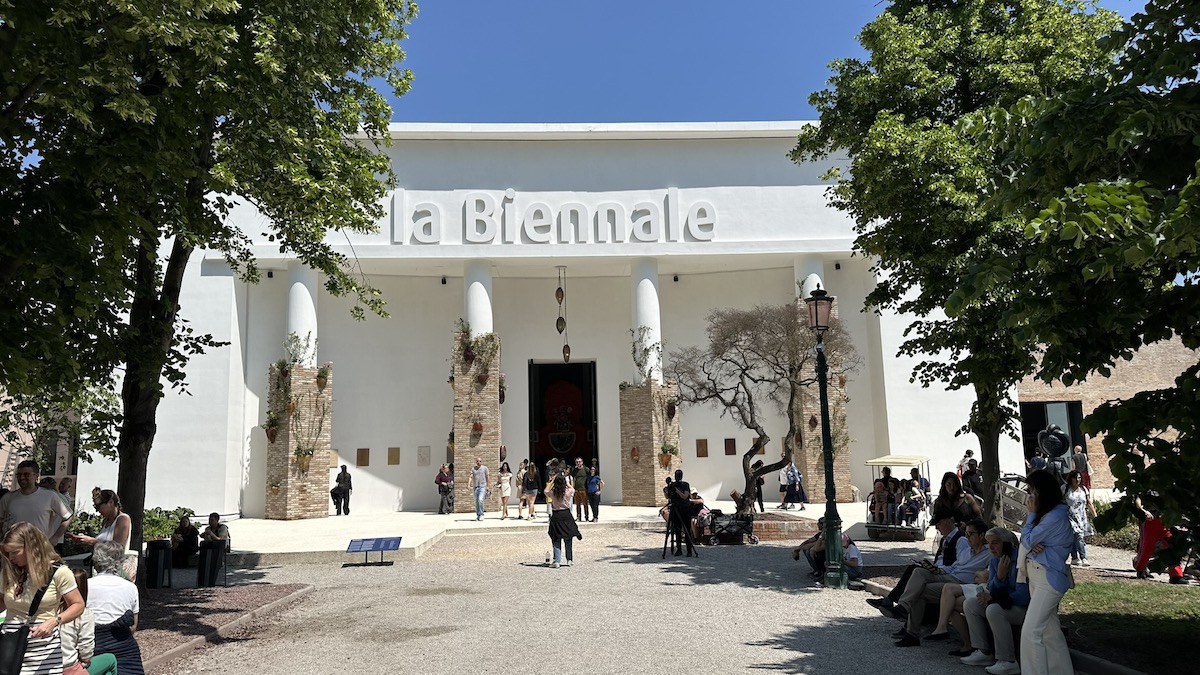
The 2026 Venice Biennale, titled "In Minor Keys" and curated by Koyo Kouoh, opened on May 9, 2026, at the Arsenale and Giardini venues. Kouoh, who died suddenly in May 2025 at age 57, conceived the event as a counterpoint to global noise and fury, inviting visitors to slow down and tune into minor tonalities. The exhibition features works addressing colonial memory, slavery, and Gaza, with a team of four curators executing her vision. Highlights include Maria Magdalena Campos-Pons's tribute to Kouoh and Toni Morrison, Hala Schoukair's installation, and Gabrielle Goliath's "Elegy," alongside collateral shows like the Dries van Noten Foundation at Palazzo Pisani Moretta and the Victor Pinchuk Foundation's "Still Joy – from Ukraine into the World."

Pio Abad Explores Home and Diaspora for the 2026 Venice Biennale

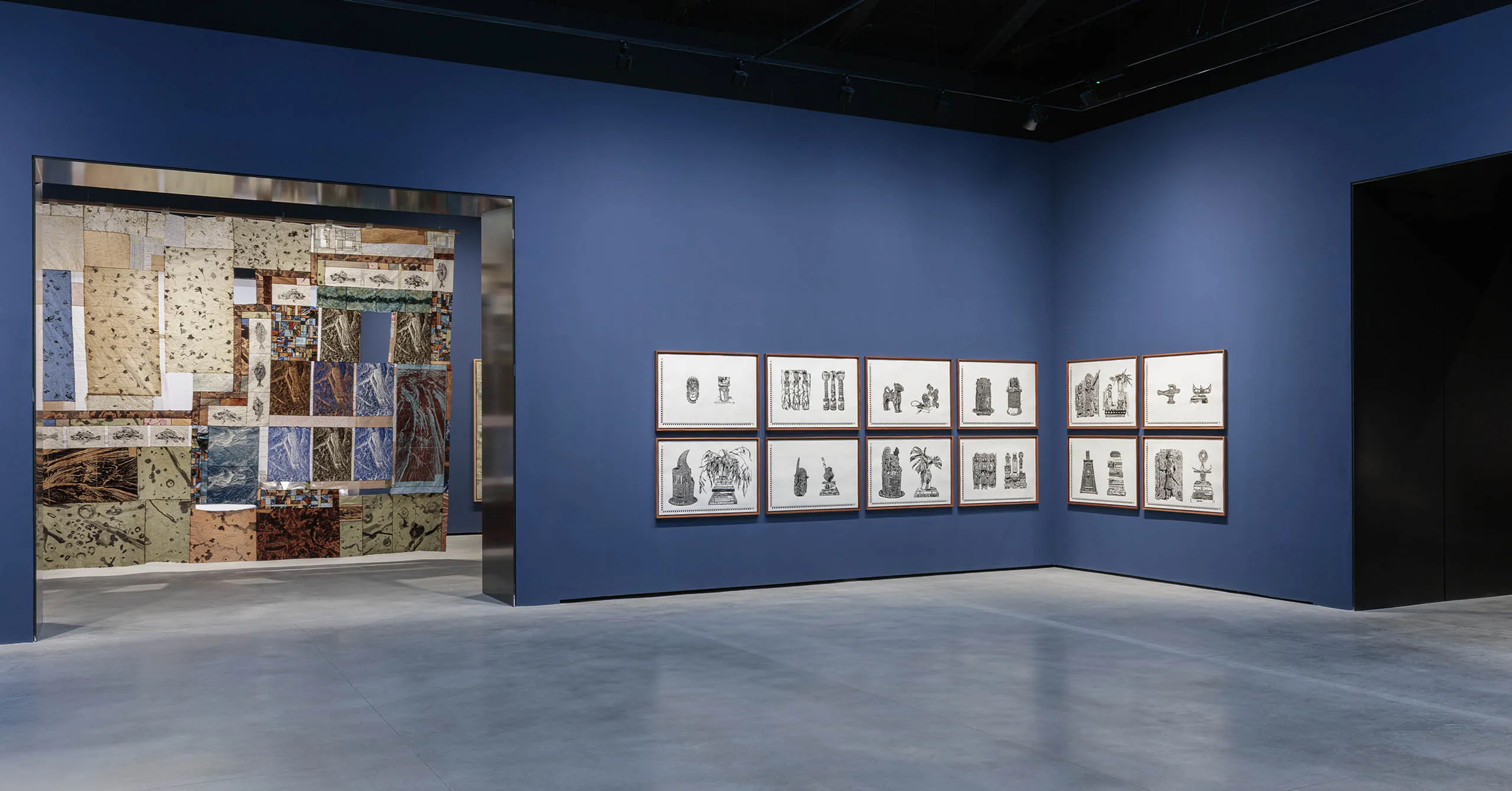
Filipino artist Pio Abad is presenting a series of intricate, hand-drawn works at the 2026 Venice Biennale as part of the exhibition "In Minor Keys," conceived by the late curator Koyo Kouoh. The works, created over four years with a 0.3-millimeter pen, include pieces such as "I’m Singing a Song That Can Only Be Born After Losing a Country" (first shown at the Ashmolean Museum in 2024), "Banua" (his first drawing on fabric), and "1897.76.36.18.6," which reflects on the looting of the Benin Bronzes. Abad, born in the Philippines and based in London, explores themes of migration, memory, exile, and the itinerant nature of objects and language.

At this year's Venice Biennale, a clash of politics and art exposes the need for a rethink

The 2026 Venice Biennale is plagued by controversy and structural issues. Curator Koyo Kouoh died of cancer in 2025, leaving her team to execute the main exhibition "In Minor Keys" without her. The Biennale's jury resigned after refusing to judge entries from countries charged with war crimes, and media coverage during preview week focused on protests against the Israeli and Russian pavilions rather than the art. The sprawling exhibition features 96 national pavilions and 110 artists, with works ranging from Daniel Lind-Ramos's found-material figures to María Magdalena Campos-Pons's tribute to Toni Morrison and Kouoh.

Ten Political Statements By Artists At The 2026 Venice Biennale

The 61st Venice Biennale opened with unprecedented political tension, set against the backdrop of the international jury's mass resignation, the death of curator Koyo Kouoh, Russia's closed pavilion, threats from the European Commission to withdraw funding, and Italy's culture minister boycotting the opening. The article highlights ten works and moments where art and power intersected most explicitly, including Alfredo Jaar's 'Red Room' installation in the Chilean pavilion confronting humanitarian crisis, and Ukraine's collateral event 'Still Joy' at Palazzo Contarini Polignac, which frames joy as an act of resistance amid war.

Dozens of Venice Biennale Artists Withdraw From Awards En Masse

Almost half of the artists in the 61st Venice Biennale's international exhibition, along with 16 national pavilion teams, have withdrawn from awards consideration in solidarity with the jury's resignation. The jury resigned on April 30 after stating it would not consider countries whose leaders are charged with crimes against humanity by the ICC, effectively disqualifying Israel and Russia. The Biennale Foundation then replaced the traditional Golden Lions with new "Visitor Lions" decided by public vote, reinstating all pavilions including Israel and Russia. The withdrawal follows protests at the Russian and Israeli pavilions and a historic labor strike that shuttered multiple pavilions.

The Ukrainian Pavilion’s Deer Seen Around the World

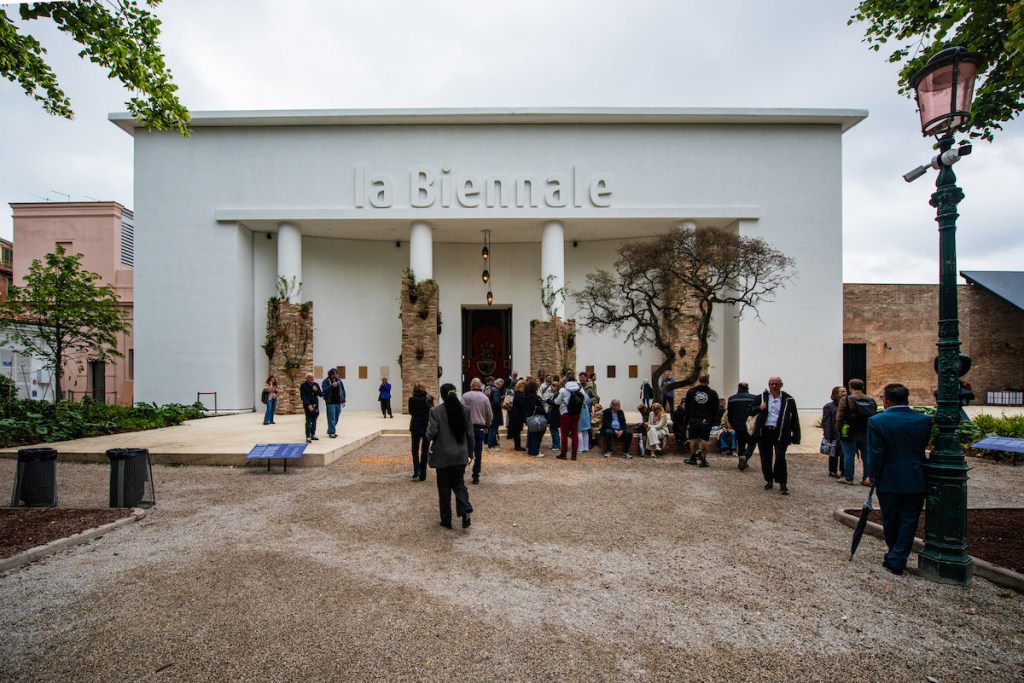
Zhanna Kadyrova's concrete sculpture "The Origami Deer" (2019) is prominently displayed at the entrance to the Giardini during the 61st Venice Biennale, part of her project "Security Guarantees" in the Ukrainian Pavilion. Originally installed in Pokrovsk, eastern Ukraine, the work was removed in 2024 as Russian forces advanced, then traveled through Vienna, Warsaw, Prague, Berlin, and Paris before reaching Venice—a journey mirroring the displacement of millions of Ukrainians. The sculpture, shaped like a deer and evoking folded paper, references the 1994 Budapest Memorandum, in which Russia, the UK, and US guaranteed Ukraine's security in exchange for its nuclear disarmament—guarantees that proved worthless after Russia's invasions.