filter_list Showing 9 results for "museum conservation" close Clear
dashboard All 9 article news 4museum exhibitions 4article policy 1
date_range Range Today This Week This Month All
Subscribe

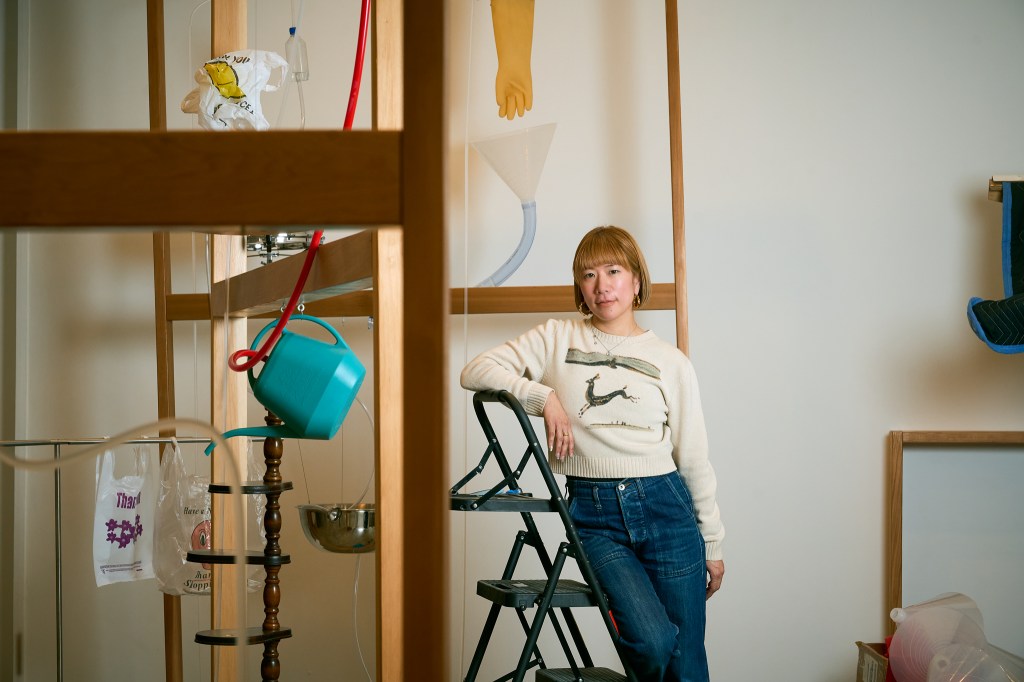
yuko mohri sculptures sound venice biennale tanya bonakdar 1234774003

Japanese artist Yuko Mohri has gained international acclaim for her kinetic, sound-based installations that utilize decaying organic matter and found objects to create unpredictable ecosystems. Her recent presentation at the 2024 Venice Biennale's Japanese Pavilion featured sculptures powered by the electrical currents of decomposing fruit and water systems that embraced the pavilion's porous architecture, even during torrential rain.

brooklyn museum removing overpainting erotic gauguin relief panel 1234775759

The Brooklyn Museum is preparing to investigate the restoration of Paul Gauguin’s relief panel, *Te Fare Amu*, which was recently gifted to the institution by the Henry and Rose Pearlman Foundation. The artwork features a crouching nude figure whose genitals were painted over with green pigment by the collector Henry Pearlman in 1954 to bypass U.S. Customs indecency laws. While a 2017 conservation assessment at the Art Institute of Chicago deemed the overpainting too risky to remove, Brooklyn Museum conservators plan to re-evaluate the piece when it arrives for exhibition this fall.

egyptian bracelet missing melted down 1234752930

A 3,000-year-old gold bracelet belonging to King Amenemope was stolen from a conservation lab in Egypt, sold for 194,000 Egyptian pounds (about $4,000), and melted down by a gold smelter. The theft was carried out by a restoration specialist who took the artifact from a safe, and four suspects have since been arrested with proceeds recovered. The bracelet was being prepared for an upcoming exhibition titled “Treasures of the Pharaohs” at the Scuderie del Quirinale in Rome.

Form in the Age of Living Materials. Interview with Curator Pablo José Ramírez

LA FORMA EN LA ERA DE LOS MATERIALES VIVOS. ENTREVISTA AL CURADOR PABLO JOSÉ RAMÍREZ

The Hammer Museum in Los Angeles is presenting "Several Eternities in a Day: Form in the Age of Living Materials," an exhibition curated by Pablo José Ramírez running until August 23. Featuring 22 artists from the Americas, the show explores materials such as avocado, cacao, achiote, cochineal, stone, clay, and natural dyes that evolve, degrade, or transform over time. Organized into three acts, the exhibition challenges conventional notions of the art object by treating these materials as living agents with memory and agency, rooted in Indigenous knowledge and the concept of "brownness." In an interview, Ramírez discusses how these materials destabilize extractivist logics and institutional frameworks, forcing a rethinking of conservation protocols and the very conditions of exhibition-making.

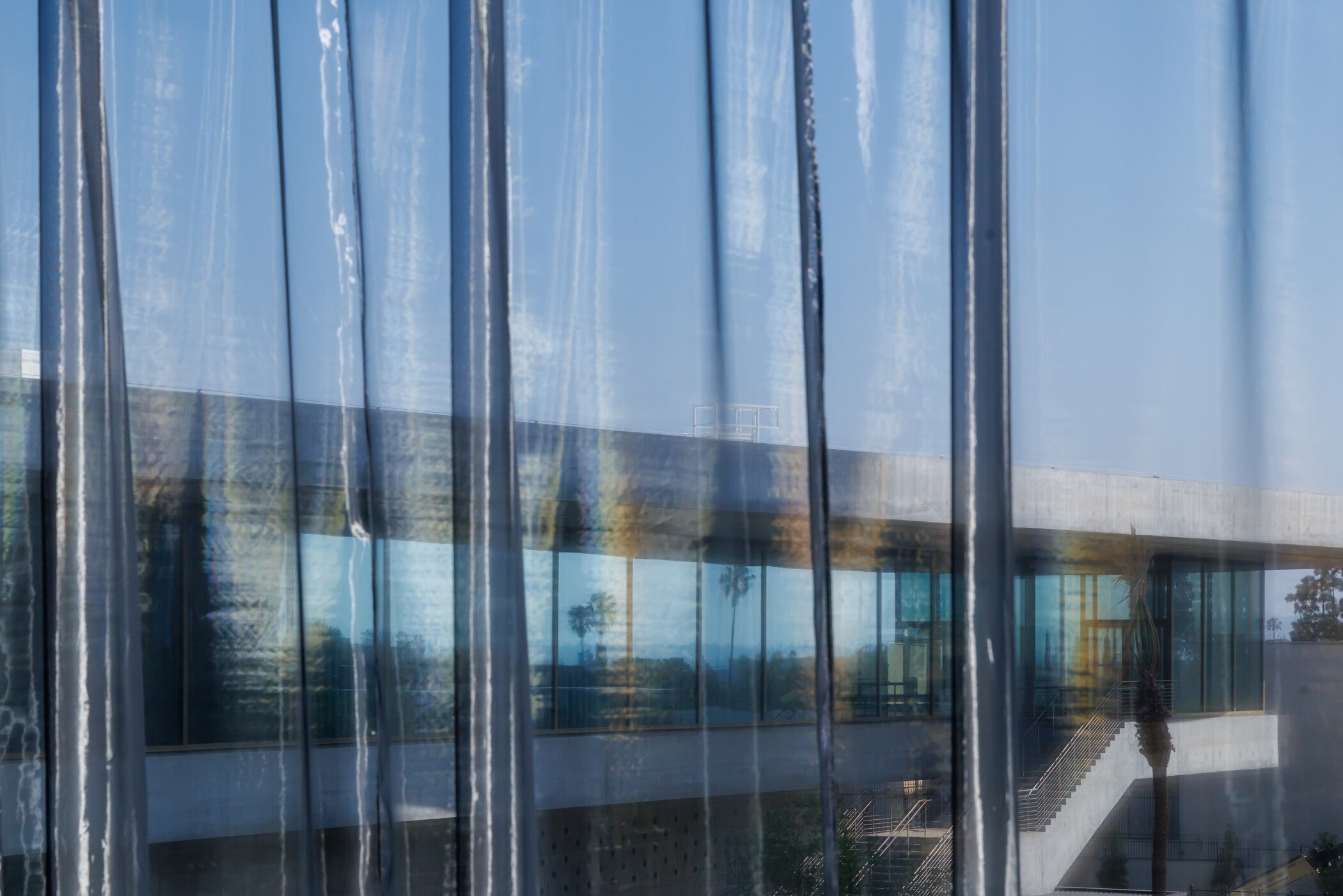
The Art of Transparency: Reiko Sudō’s Textile Innovation for LACMA

The Los Angeles County Museum of Art (LACMA) commissioned Tokyo-based textile designer Reiko Sudō to create custom curtains for its new David Geffen Galleries, which feature floor-to-ceiling glass windows. Sudō developed sputter-plated chrome textiles—in matte and gloss finishes—that are both transparent and light-protective, solving the challenge of shielding light-sensitive artworks while preserving panoramic views of the surrounding city. The textiles, produced by Sudō’s company NUNO, are now installed as curtains and will also appear in her retrospective "Textile Alchemy: The Art of Reiko Sudō and NUNO" at LACMA opening September 20, 2026.

Rubens Under Construction at the Louvre

Rubens en chantier au Louvre

The Louvre Museum has launched a major four-year restoration project for the monumental 24-canvas 'Cycle of Marie de Médicis' by Peter Paul Rubens. The initiative, funded by the Société des Amis du Louvre with a budget of 4 million euros, aims to restore the works' chromatic power and stabilize their fragile paint layers. The Medici Gallery will close to the public in May, though some stages of the process will be viewable.

scientists recreate egyptian blue pigment 2653299

A team of researchers has successfully recreated Egyptian blue, the world's oldest synthetic pigment, which was used by ancient Egyptians from as early as 3100 B.C.E. The study, published in NPJ Heritage Science, was led by John S. McCloy of Washington State University and Edward P. Vicenzi of the Smithsonian Institution's Museum Conservation Institute, in collaboration with the Carnegie Museum of Natural History. The researchers experimented with various minerals, heating them in ovens at around 1,000 degrees Celsius for up to 11 hours, and used modern microscopy and analysis techniques to compare their results with ancient artifacts from the Carnegie Museum's collection.

egyptian blue pigment recreated 1234744161

A team led by Washington State University has successfully recreated Egyptian Blue, the oldest manufactured pigment in history, which was first synthesized in ancient Egypt and used in funerary rituals and Roman art. The production process was lost during the Renaissance. Working with the Smithsonian’s Museum Conservation Institute and the Carnegie Museum of Natural History, the researchers developed 12 recipes using silicon dioxide, copper, calcium, and sodium carbonate, heating them at around 1,000 degrees Celsius for up to 11 hours to mimic ancient methods. They discovered that only half the expected amount of blue-producing compounds was needed to achieve the exact chemical match.

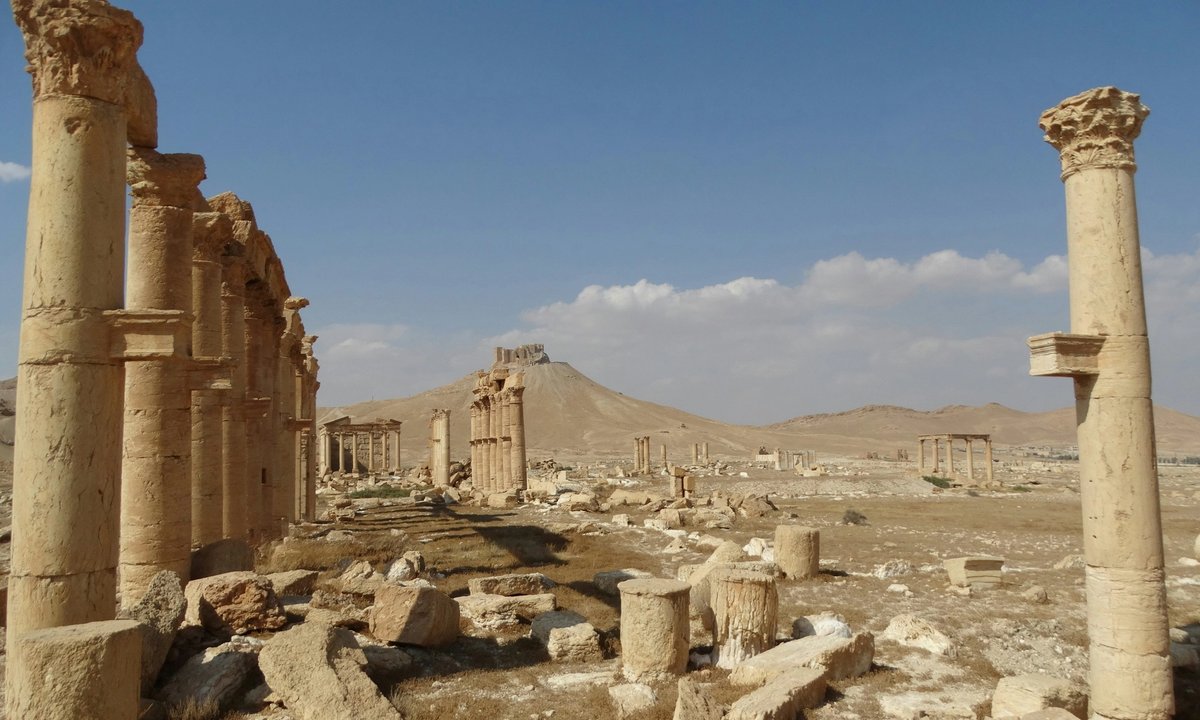
Syria, Ukraine and Gaza among countries to receive heritage funds from Aliph

ALIPH, the Geneva-based cultural heritage protection agency, has announced over $16 million in its latest funding round, with support directed to Syria, Gaza, Ukraine, Sudan, and a new focus on climate change impacts on heritage, primarily in Africa. Nearly a third of the funding ($5 million) goes to Syria, where the newly appointed Director General of Antiquities and Museums, Dr. Anas Haj Zeidan, aims to restore sites damaged during the war under former president Bashar al-Assad. ALIPH executive director Valéry Freland reported extensive damage from 14 years of war, the 2023 earthquake, and economic crises, but noted strong local determination to rehabilitate heritage, including Palmyra. The agency also committed $9 million to address climate threats, supporting 28 projects—22 in Africa—focused on earthen architecture, sacred forests, and local knowledge preservation.