
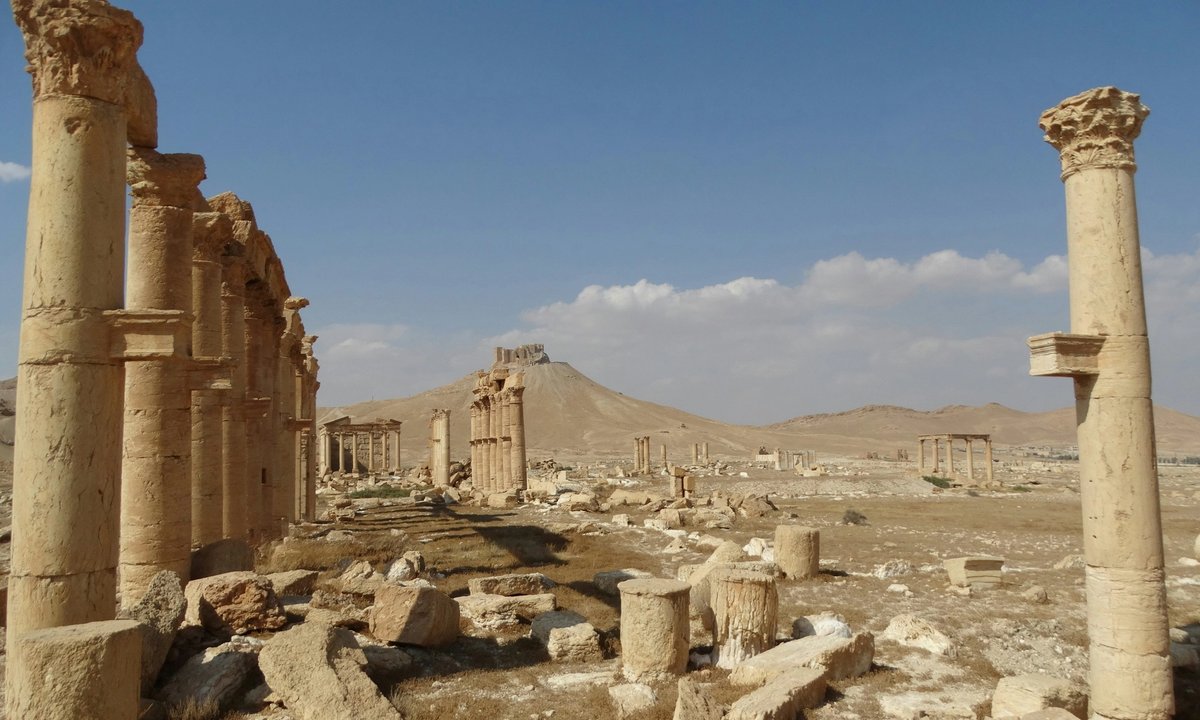
ALIPH, the Geneva-based cultural heritage protection agency, has announced over $16 million in its latest funding round, with support directed to Syria, Gaza, Ukraine, Sudan, and a new focus on climate change impacts on heritage, primarily in Africa. Nearly a third of the funding ($5 million) goes to Syria, where the newly appointed Director General of Antiquities and Museums, Dr. Anas Haj Zeidan, aims to restore sites damaged during the war under former president Bashar al-Assad. ALIPH executive director Valéry Freland reported extensive damage from 14 years of war, the 2023 earthquake, and economic crises, but noted strong local determination to rehabilitate heritage, including Palmyra. The agency also committed $9 million to address climate threats, supporting 28 projects—22 in Africa—focused on earthen architecture, sacred forests, and local knowledge preservation.
This funding round matters because it signals a significant shift in cultural heritage protection toward both post-conflict recovery and climate adaptation. ALIPH’s dedicated climate stream, rare among heritage agencies, acknowledges the growing threat of ecological change to tangible and intangible heritage worldwide, especially in Africa. The Syrian allocation, the largest in this round, reflects the international community’s renewed engagement with the country after the fall of Assad, while the inclusion of Gaza, Ukraine, and Sudan underscores the ongoing urgency of safeguarding heritage in active conflict zones. The agency’s holistic approach—combining site restoration, museum conservation, and support for local knowledge—sets a precedent for how heritage organizations can respond to overlapping crises.