filter_list Showing 10 results for "nazi looting" close Clear
search
dashboard All 10 gavel restitution 4article culture 2museum exhibitions 2trending_up market 1article news 1
date_range Range Today This Week This Month All
Subscribe

Frieze New York, the Cranach in Hitler’s Munich apartment, Ajamu X—podcast

This episode of The Art Newspaper's podcast covers several art-world stories. Ben Sutton and Kabir Jhala discuss the current edition of Frieze New York, alongside other concurrent fairs like Esther and Tefaf, and preview the upcoming New York auctions. Ben Luke interviews Martin Bailey about a Lucas Cranach the Elder painting, 'Cupid Complaining to Venus' (1526-27), which once hung in Adolf Hitler's Munich apartment, with a newly published photograph from the 1940s. The episode also features a segment on Ajamu X's 'Glamour Posse' series from the early 1990s, part of the touring exhibition 'Gender Stories' opening at the Walker Art Gallery in Liverpool, with comments from gallery head Charlotte Keenan.

jacques louis david versailles

The Palace of Versailles has agreed to reexamine the provenance of a Jacques-Louis David sketchbook from 1790 after a Radio France investigation revealed it was looted by the Nazis during World War II. The sketchbook was stolen from Professor Lereboullet in July 1940, sold by Munich's Karl and Faber gallery in 1943, then acquired by dealer Otto Wertheimer before being purchased by Versailles in 1951. The museum claims it was unaware of the theft, and France's ministry of culture has promised further research and discussions with the descendants.

nazi looted egon schiele art return

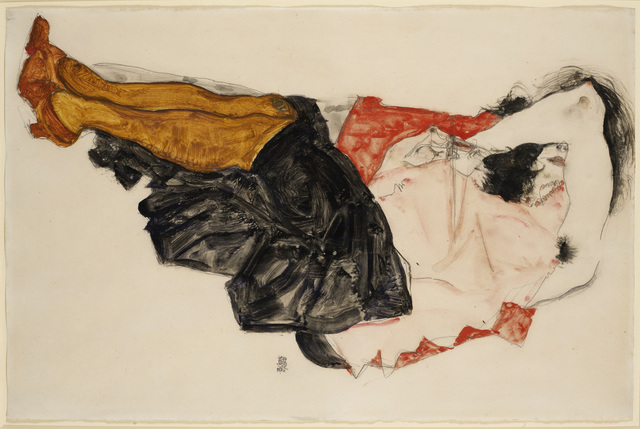
A Manhattan judge has blocked London-based art dealer Richard Nagy from selling or transporting two watercolors by Egon Schiele, which were on display at his booth during the Salon of Art + Design fair at the Park Avenue Armory. The works—Woman in a Black Pinafore and Woman Hiding Her Face—are claimed by the heirs of Fritz Grünbaum, a Jewish Holocaust victim and cabaret performer who died at Dachau. The heirs, Timothy Reif and David Fraenkel, filed suit in Manhattan Supreme Court, alleging the paintings were among 400 artworks surrendered to the Nazis by Grünbaum's wife. Nagy disputes the claim, arguing the works were sold legally by Grünbaum's sister-in-law in 1956 and that previous arbitration boards found no evidence of Nazi looting.

Sur Arte Radio et dans une expo, l’enquête d’Adrianna Wallis sur les traces de sa grand-mère peintre spoliée par les nazis

Artist Adrianna Wallis (born 1981) discovers that her paternal grandmother, painter Diane Esmond (1910–1981), was a victim of Nazi looting during World War II. After being contacted by historians Patricia Helletzgruber and Sophie Juliard, Wallis learns that much of Esmond's work was systematically destroyed by the ERR, the Nazi organization responsible for art theft in occupied countries. This revelation sparks a personal investigation that becomes a podcast for Arte Radio titled "Il restera la gravité," blending documentary, autobiographical inquiry, and sound installation. Wallis delves into archives, examining microfilms and lists that detail 46 of Esmond's paintings—each methodically described and declared destroyed, such as "Woman in blue evening dress: annihilated."

bayeux tapestry fragment rediscovered in germany

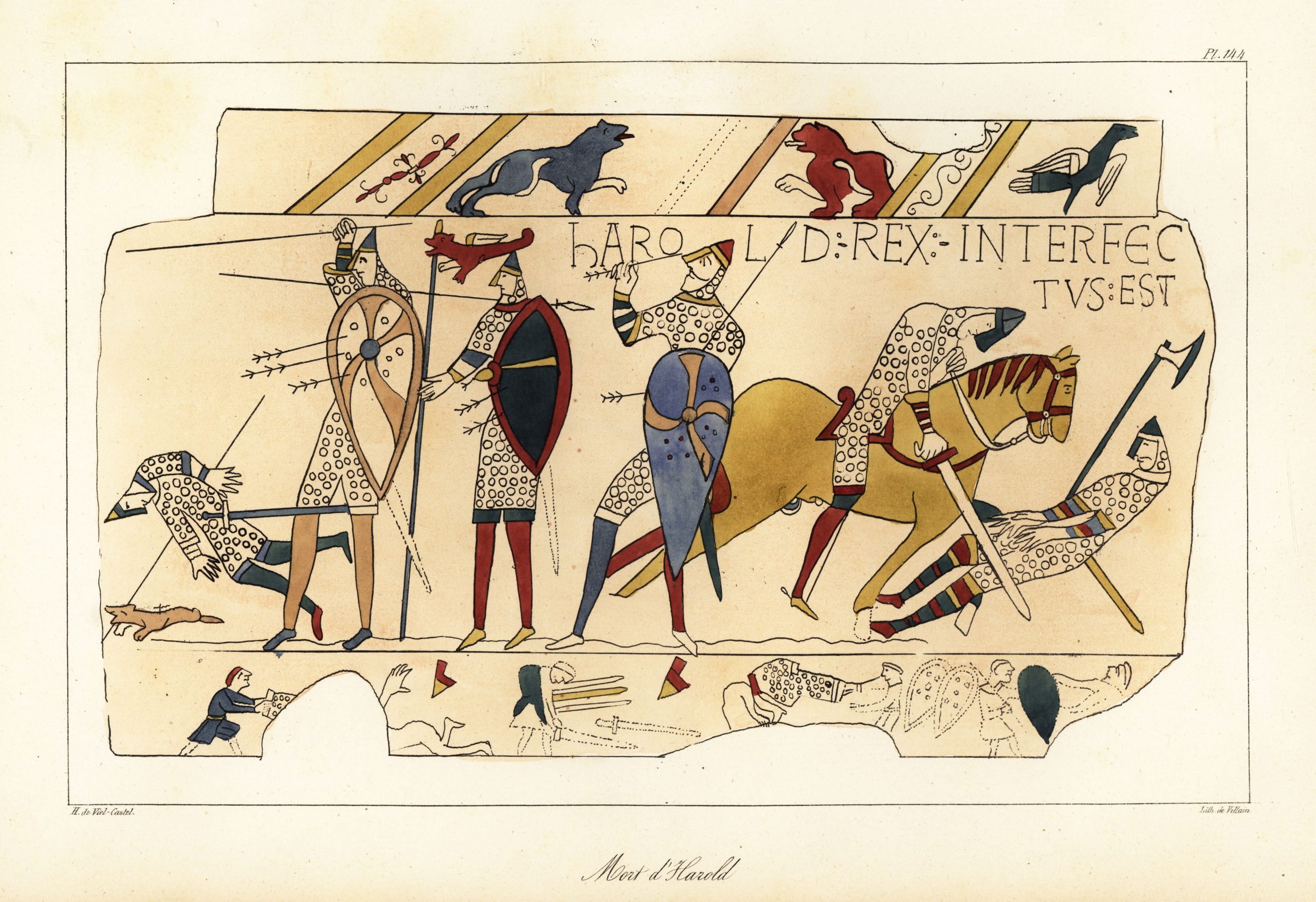
A long-lost fragment of the Bayeux Tapestry, the 11th-century embroidered chronicle of the Norman Conquest of England, has been rediscovered in the Schleswig-Holstein State Archives in Schleswig, Germany. The roughly one-inch linen piece belonged to the estate of archaeologist Karl Schlabow, who had been part of a Nazi-affiliated group that re-measured the tapestry in 1941. The fragment will be repatriated to France later this year, but first it will go on public display at the Museum of Archaeology at Gottorf Castle as part of the exhibition “Viking Twilight: Turning Point in the North” from April 16 through November 2.

Musée d’Orsay opens gallery dedicated to still-unclaimed works stolen by Nazis in WWII

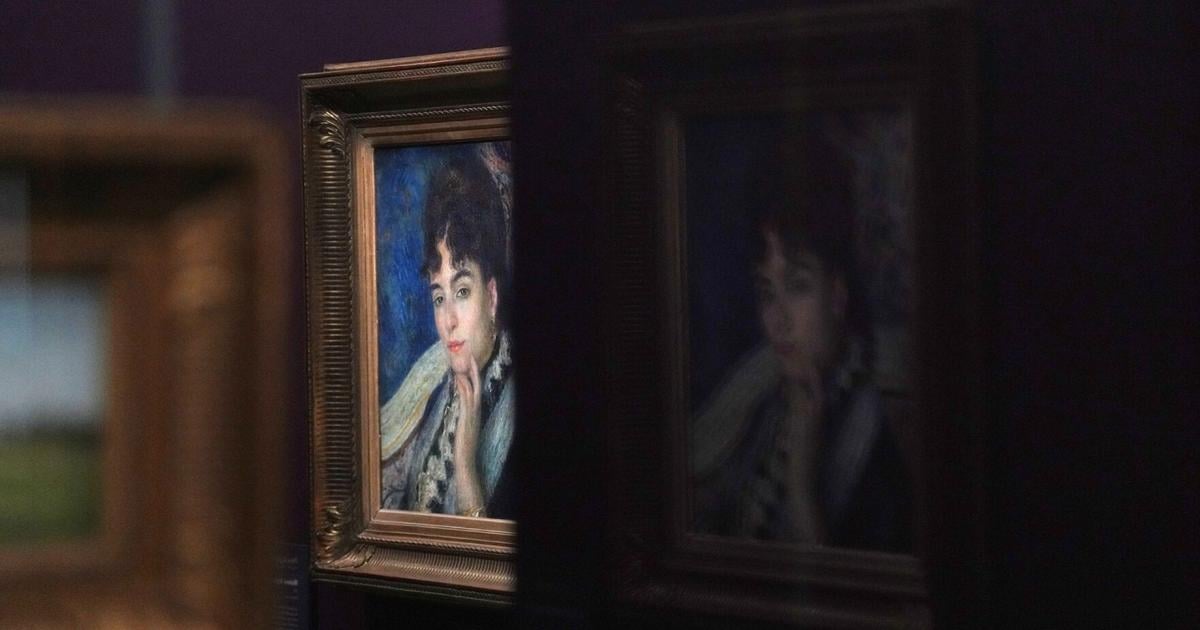
The Musée d'Orsay in Paris has opened a permanent gallery dedicated to artworks believed to have been looted by the Nazis from Jewish owners during World War II, but whose rightful owners have not been identified. The exhibition, titled "Who owns these works?", features a rotating selection of 225 such pieces held by the museum, with twelve paintings and one sculpture currently on display. Works by Renoir, Degas, Rodin, and Alfred Stevens are included, alongside provenance research detailing their murky histories—such as a Degas ballroom scene acquired by a Jewish collector later murdered at Auschwitz.

All you need to know about Klimt’s canvas that is now the most expensive modern artwork

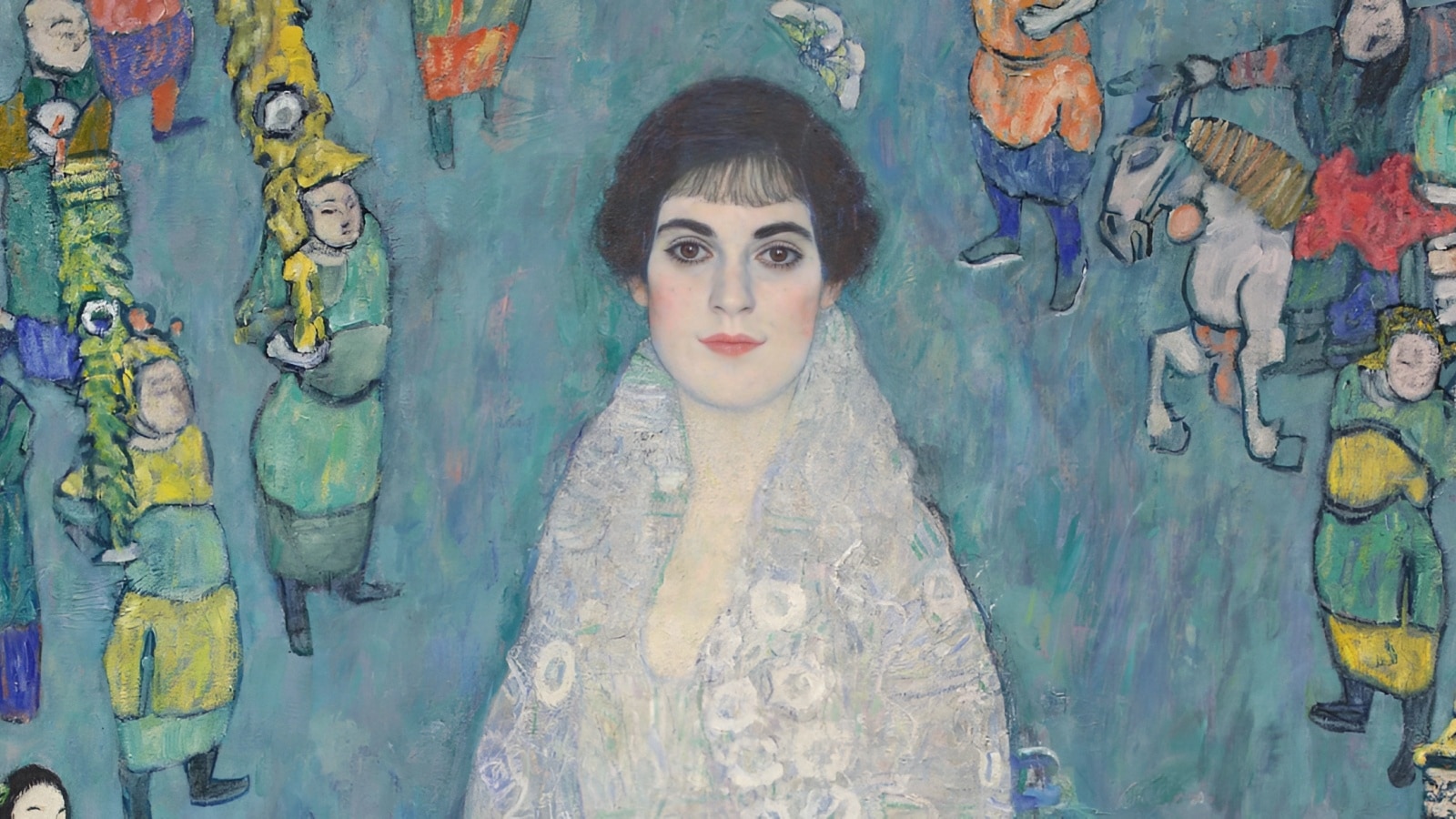
Gustav Klimt's "Bildnis Elisabeth Lederer" (Portrait of Elisabeth Lederer) sold for $236.4 million at Sotheby's first auction in its new Breuer building location in New York, becoming the most expensive modern artwork ever sold at auction. The 1914-1916 portrait depicts Elisabeth Lederer, daughter of Klimt's patrons Serena and August Lederer, and was previously owned by Estée Lauder heir Leonard A. Lauder, who died earlier this year. The painting was looted by the Nazis during World War II, returned to the Lederer family in 1948, and later sold in 1983.

On Arte, the Fascinating Odyssey of a Lost Klimt Retraced in a Documentary

Sur Arte, la fascinante odyssée d’un Klimt disparu retracée dans un documentaire

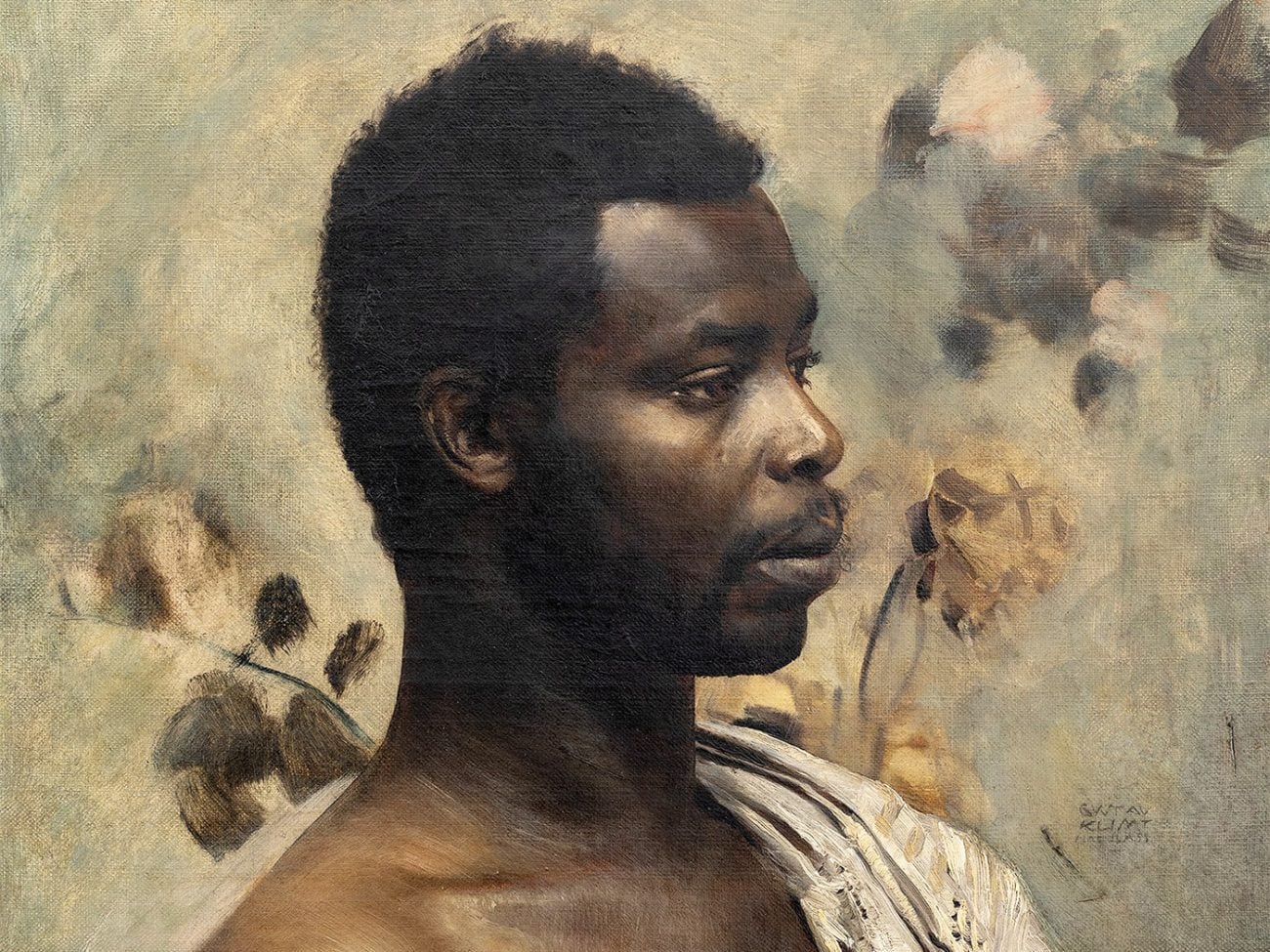
A long-lost portrait by Gustav Klimt, depicting a young Black man, has been rediscovered and is the subject of a new documentary on Arte. The film, "Gustav Klimt and the Enigma of the Ghanaian Prince," details the painting's authentication and the investigation into the identity of its sitter, who was identified in 2024 as Prince William Nii Nortey Dowuona, a member of the Ga people who was in Vienna in the late 19th century.

Who Owns These Artworks? Musée d’Orsay Hopes Visitors Can Help Find Out.

The Musée d’Orsay in Paris has opened a new room in its permanent display featuring 13 artworks recovered from Germany and Austria after World War II, whose provenance remains unknown. The museum is inviting visitors to help identify the original owners of these pieces, which were looted or displaced during the war and later restituted to France.

The Rothschilds and Sèvres Porcelain: A Collector's Passion at the Heart of an Exhibition in Paris

Les Rothschild et la porcelaine de Sèvres : une passion de collectionneurs au cœur d’une exposition à Paris

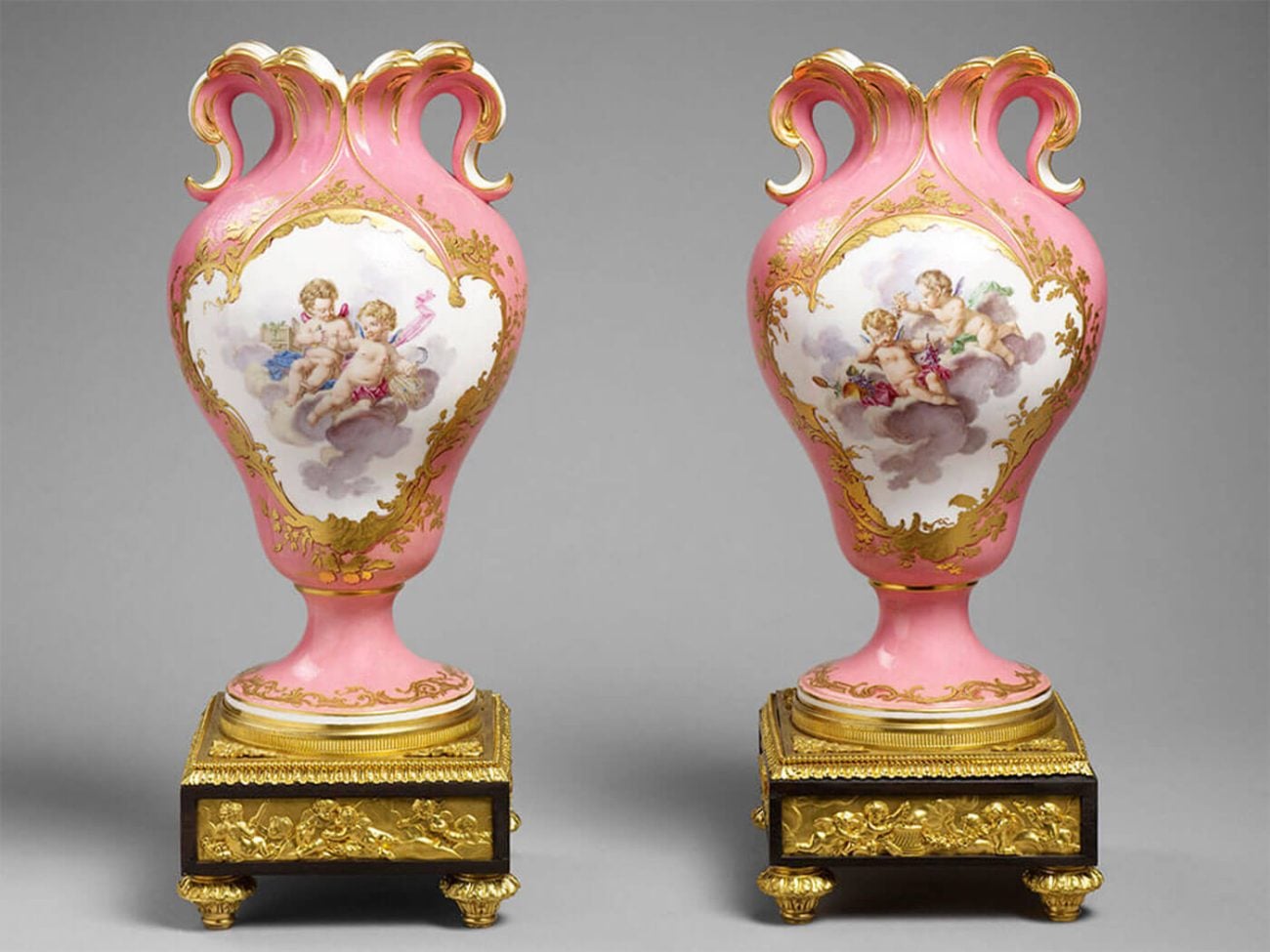
An exhibition at the Galerie des Gobelins du Mobilier national in Paris explores the Rothschild family's centuries-long passion for Sèvres porcelain. Titled "Sèvres, une passion Rothschild. De la Villa Ephrussi à Paris," it traces how the banking dynasty collected, traded, and bequeathed these delicate objects from the Ancien Régime, with a centerpiece table setting featuring pieces lent by family members from Vienna, England, and beyond. The show also highlights Béatrice Ephrussi de Rothschild, who amassed thousands of pieces and left them to the Villa Ephrussi de Rothschild, and includes a section on the Nazi looting of Rothschild collections in 1940, during which 22 Sèvres pieces were acquired by the Musée de Sèvres.