
filter_list Showing 3 results for "neo-avant-garde" close Clear
search
dashboard All 3 museum exhibitions 3
date_range Range Today This Week This Month All
Subscribe

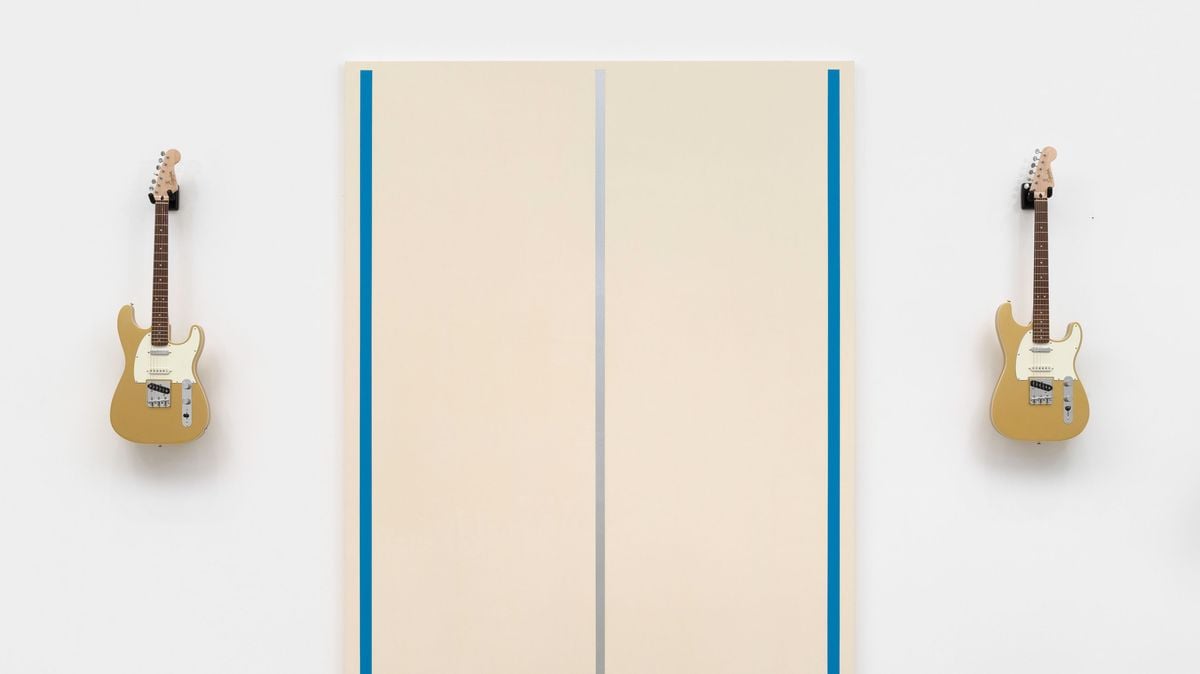
Ripple: Furniture Sculpture and Painting after 1982

David Kordansky Gallery is presenting "Ripple: Furniture Sculpture and Painting after 1982," an exhibition of historic works by Swiss artist John Armleder, on view from May 7 to June 13, 2026. The show focuses on Armleder's Furniture Sculpture series from the 1980s, which incorporates functional or decorative objects alongside paintings, exploring the intersection of art, design, and everyday life. Works like FS 156 (1987) and Untitled (FS) (1987) exemplify his interest in collectivity, chance, and the viewer's role in assigning meaning, influenced by experiences such as a prison stint for refusing conscription and his time on a rowing team, as well as the experimental compositions of Erik Satie and John Cage's writings on chance.

Mario Schifano, the artist who anticipated Arte Povera and beyond. What the exhibition in Rome looks like

The Palazzo delle Esposizioni in Rome has opened a major retrospective of Mario Schifano, curated by Daniela Lancioni and titled simply "Mario Schifano," running until July 12. The exhibition reconstructs the career of the Italian artist (1934–1998), who worked across painting, film, and music, and highlights his role as a precursor to Arte Povera. A centerpiece is the reconstructed dining room Schifano created for the Rome home of Marella and Gianni Agnelli in 1968, featuring 14 canvases and a planned but unrealized sand-filled room with a pyramid, a detail revealed by film producer Ettore Rosboch in a conversation with the curator.

New Exhibition Explores Victor Vasarely’s Influence on Hungarian Neo-Avant-Garde Art

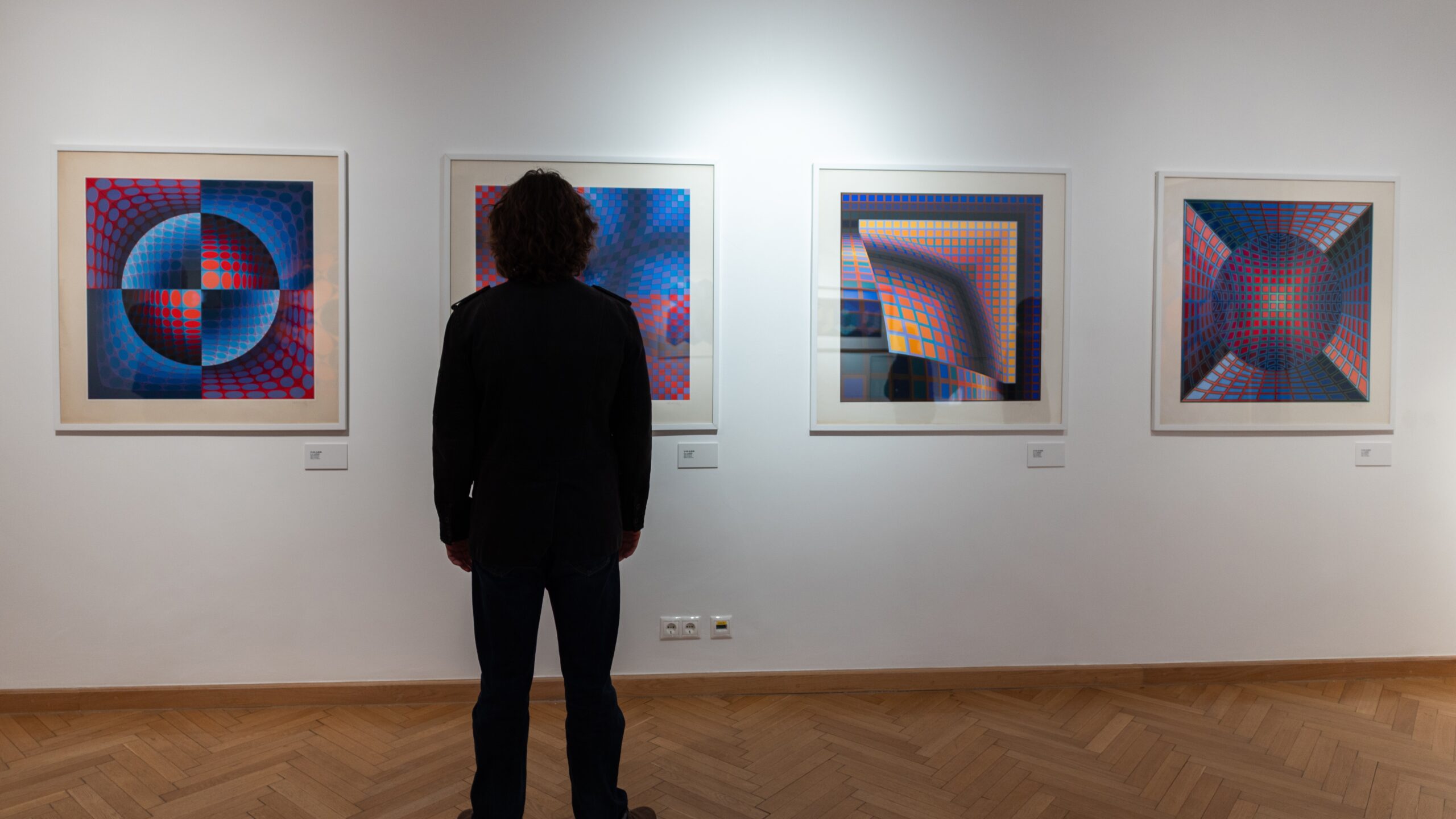
A major exhibition titled "Vasarely Don't Go Home!" opens at NEO Contemporary Art Space in Budapest, marking the 120th anniversary of Victor Vasarely's birth. Curated by Zsolt Petrányi, the show runs until 19 September and examines Vasarely's influence on Hungarian experimental and neo-avant-garde art of the 1960s and 1970s. Featuring over 60 works, the exhibition is organized around three themes—construction, grid structures, and illusion—and connects to parallel Vasarely shows at the Museum of Fine Arts and the Hungarian National Gallery. The title references a 1969 protest where artist János Major carried a sign reading 'Vasarely go home!' during Vasarely's exhibition at Műcsarnok.