filter_list Showing 6 results for "ng citizens" close Clear
dashboard All 6 article policy 4museum exhibitions 1article local 1
date_range Range Today This Week This Month All
Subscribe

more italians take avantage of art for taxes scheme 131511

The Italian government has successfully revived a program allowing citizens to use cultural treasures, fine art, antique books, and villas to satisfy tax bills. Culture and Tourism Minister Dario Franceschini named a panel to tally the value of works offered for income and inheritance taxes, aiming to reinvigorate a scheme established in 1982 that previously attracted little interest. The program mirrors similar initiatives in other EU countries, notably Britain, where a comparable plan drew works worth $80.4 million in 2012–13.

national gallery london citizen panel 1234749007

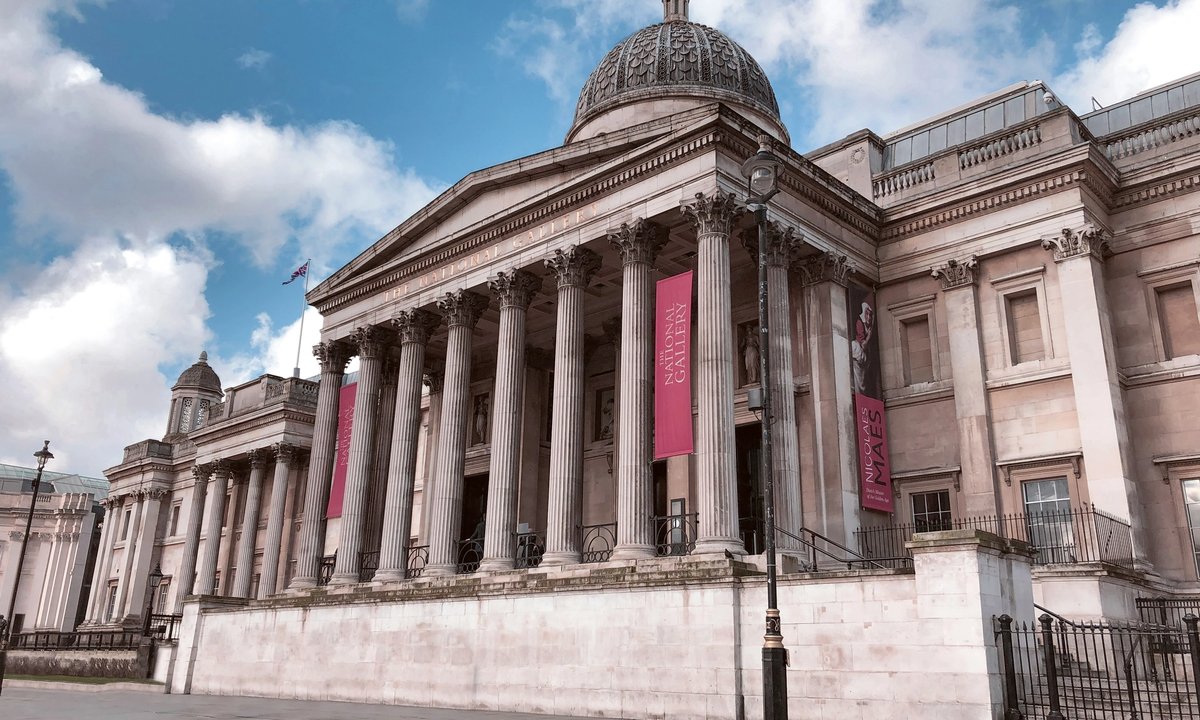
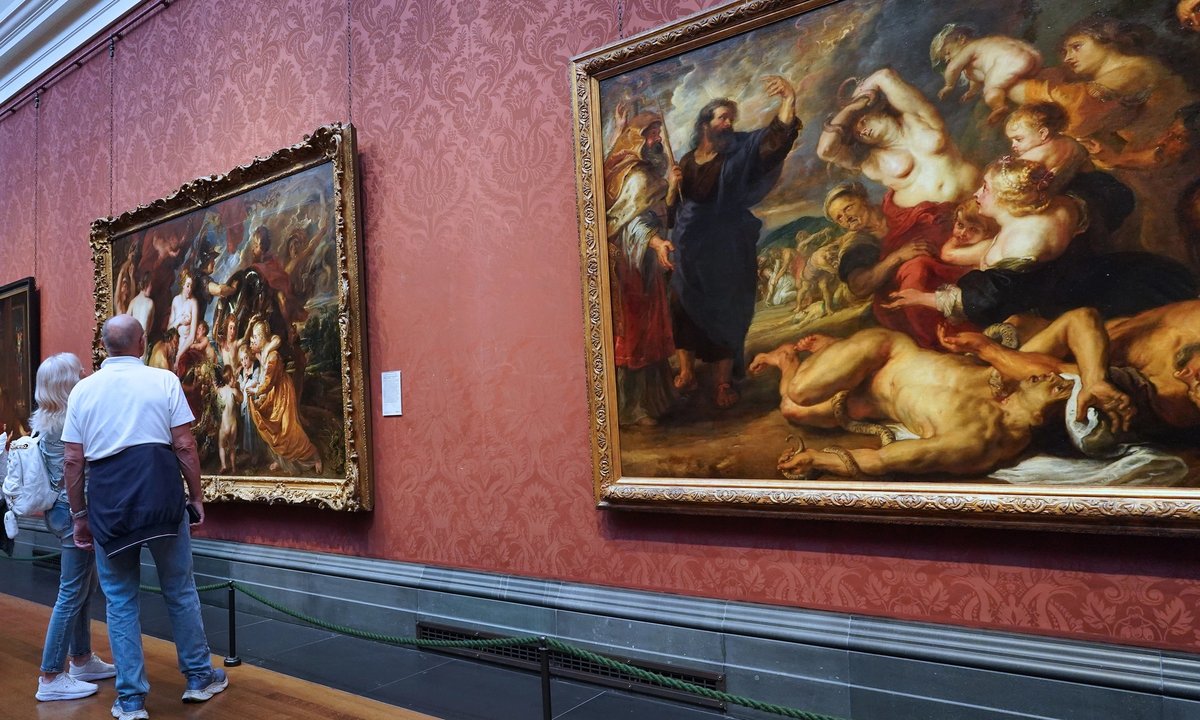
The National Gallery in London is launching a citizens' panel called NG Citizens, composed of 20 randomly selected members of the public from across the UK. Starting with 15,000 household invitations, a civil lottery will narrow the group to 50, then to 20 individuals who will serve for five years, advising the museum on its purpose, priorities, and public value, though not directly on artwork selection or exhibitions. The initiative is overseen by the public participation charity Involve and follows similar models at institutions like the Federal Art Gallery in Bonn and the Dresden State Art Collections.

How UK museums are embracing citizens’ assemblies to help frame their futures

UK museums are increasingly turning to citizens' assemblies to involve the public in shaping institutional policy and direction. The National Gallery in London launched its NG Citizens panel in 2024, following Birmingham Museums Trust's 2024 citizens' jury of 26 local residents. The Imperial War Museum and London's Migration Museum have also announced plans for similar assemblies. The National Gallery's panel, formed through a civic lottery of 15,000 invited households, will meet from November 2025 to March 2026 to develop recommendations on the gallery's purpose, priorities, and public value—though it will not directly select exhibitions or acquisitions.

Cultural institutions tap power of art to heal national fractures

More than 300 museums and art institutions across South Korea will participate in the 2026 Museum and Gallery Week, a nationwide cultural festival organized by the Ministry of Culture, Sports and Tourism, running from May 1 to May 31. The event adopts the theme "Museums Uniting a Divided World" from the International Council of Museums, and features three main programs: "Museum × Meet" highlighting 50 signature objects, "Museum × Enjoy" with exhibitions and performances at 18 institutions, and "Museum × Wander" offering guided tours connecting galleries with historic sites.

Power to the people: London’s National Gallery seeks public panel to help shape its future

London's National Gallery is launching NG Citizens, a citizens' assembly that will advise the museum on its future policy and direction. Starting next month, 15,000 households across the UK will receive invitations, from which 50 participants will be selected via a civic lottery, eventually narrowing to 20 individuals who will serve on the panel for five years. The gallery states the initiative places audiences at the heart of decision-making, aiming to shape programs around the needs of diverse UK communities, though the assembly will not directly choose exhibitions or acquisitions but will produce recommendations on purpose, priorities, and public value.

Work by incarcerated artists showcased in recent exhibit at IHM Sisters' gallery

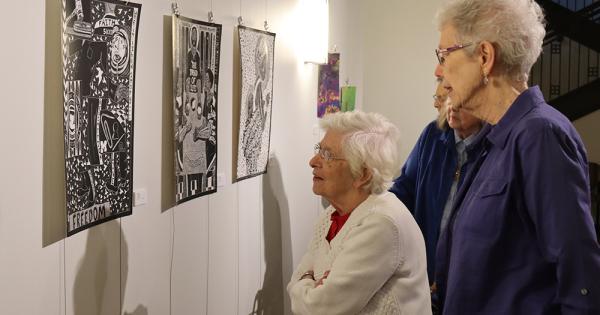
The Sisters, Servants of the Immaculate Heart of Mary (IHM) Motherhouse Gallery in Monroe, Michigan, recently hosted an exhibition featuring artworks created by incarcerated individuals from correctional facilities across the state. Organized by the University of Michigan’s Prison Creative Arts Project (PCAP), the show displayed pieces made from unconventional materials like soap and graham crackers, ranging from spiritual reflections to bright, hopeful compositions. The exhibit was curated from donated works by artists who are unable to keep their pieces or sell them directly due to Department of Corrections regulations.