filter_list Showing 7 results for "peruvian art" close Clear
dashboard All 7 museum exhibitions 6trending_up market 1
date_range Range Today This Week This Month All
Subscribe

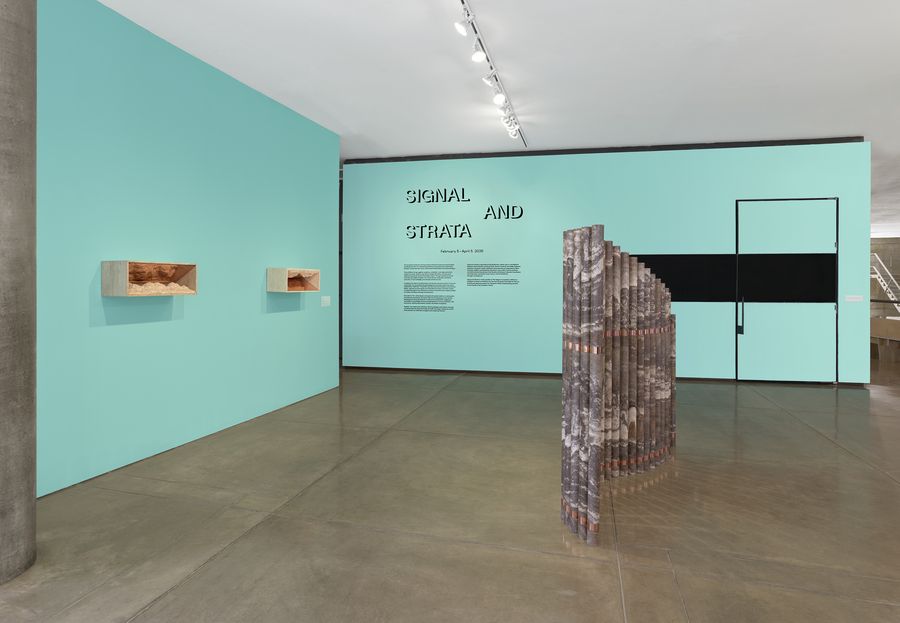
ELENA DAMIANI, XIMENA GARRIDO-LECCA AND ISHMAEL RANDALL-WEEKS: SIGNAL AND STRATA

ELENA DAMIANI, XIMENA GARRIDO-LECCA E ISHMAEL RANDALL-WEEKS: SIGNAL AND STRATA

An exhibition titled 'Signal and Strata' featuring Peruvian artists Elena Damiani, Ximena Garrido-Lecca, and Ishmael Randall-Weeks was presented at the Carpenter Center for the Visual Arts from February 5 to April 5, 2026. The show, examined in an accompanying essay by curator Madeline Murphy Turner, focuses on how the artists use materials like travertine, copper, and concrete to interrogate narratives of modernity, resource extraction, and the climate crisis.
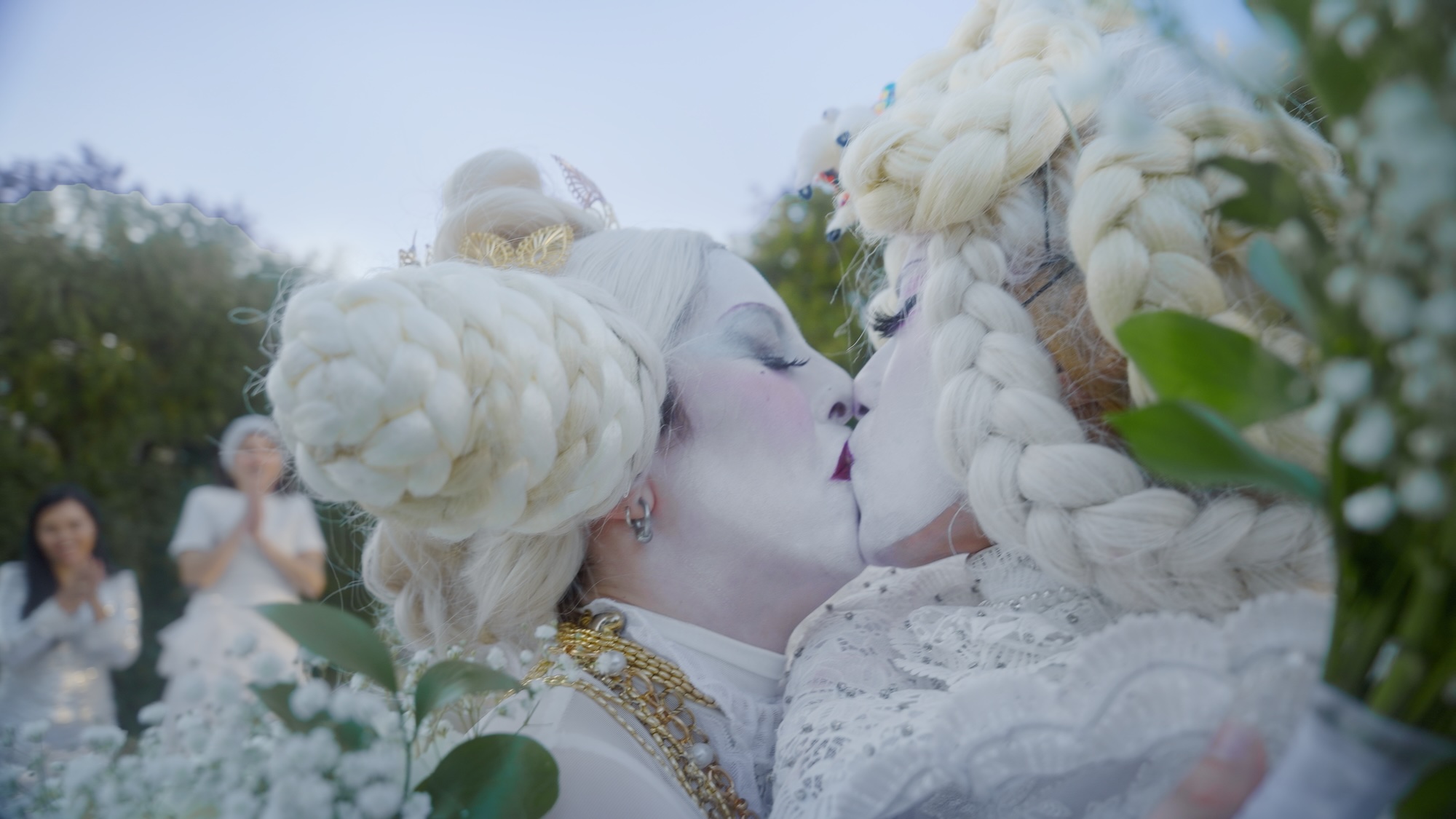
What makes love political, Wynnie Mynerva?

Was macht Liebe politisch, Wynnie Mynerva?

Peruvian artist Wynnie Mynerva discusses her exhibition "Volveré y seré millones" at the Société gallery in Berlin, timed to coincide with Gallery Weekend. The artist explores Andean cosmologies, specifically the concept of 'Ayni' or collective reciprocity, as a counter-narrative to Western, capitalist structures of romantic love and individualism. Her work draws from her personal experience as a migrant in Europe and her observations of Berlin’s queer scene, questioning how care and survival function within modern political frameworks.

Santiago Yahuarcani: The Beginning of Knowledge

SANTIAGO YAHUARCANI: EL PRINCIPIO DEL CONOCIMIENTO

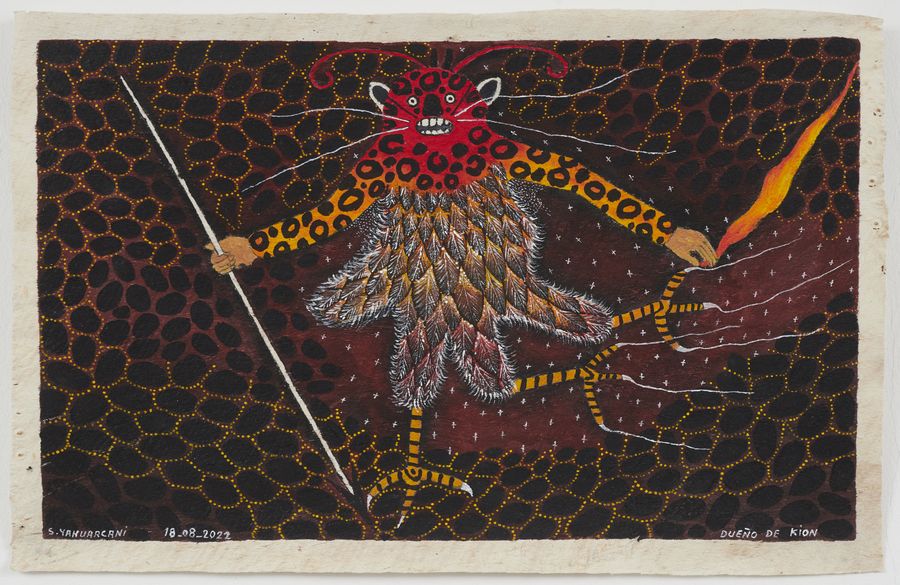
The Museu de Arte de São Paulo (MASP) is hosting "El principio del conocimiento," the first solo exhibition in Brazil for Peruvian artist Santiago Yahuarcani. Curated by Amanda Carneiro, the show features approximately 35 paintings on llanchama (tree bark) that explore the Uitoto worldview. The exhibition is organized into five thematic sections that navigate the sensory experience of the Amazon, the spiritual significance of sacred plants like coca and tobacco, and the brutal historical memory of colonial extraction.

Emerging Practices and New Languages: This is How Pinta Lima 2026 is Shaped

EMERGING PRACTICES AND NEW LANGUAGES THIS IS HOW PINTA LIMA 2026 IS SHAPED

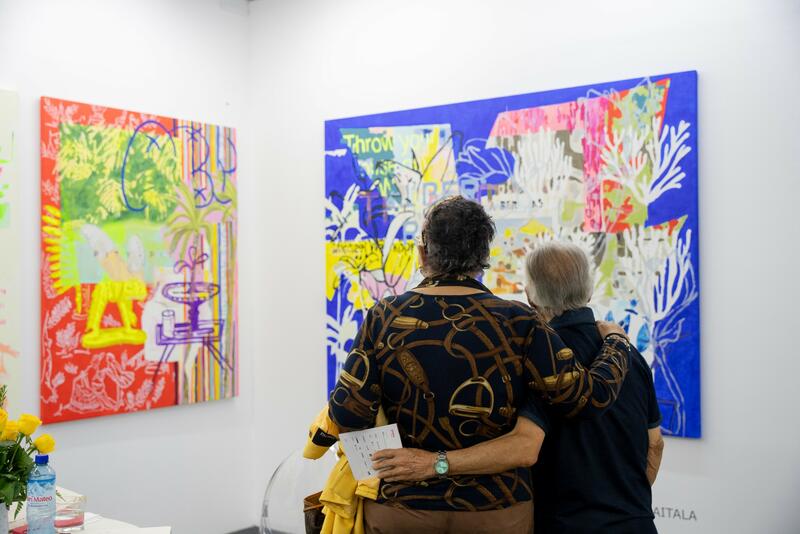
Pinta Lima has announced the details for its 13th edition, scheduled to take place from April 23 to 26, 2026, at Casa Prado. Under the artistic direction of Irene Gelfman, the fair will feature 45 galleries from 15 international cities, with nearly 70% of participants arriving from outside Peru. The event is structured into five specialized sections, including the Main Section, RADAR (curated by Ilaria Conti), NEXT (curated by Juan Canela), and dedicated spaces for video and special projects.

MALI PRESENTS ITS 2026 SUMMER AUCTION AND FESTIVE GALA

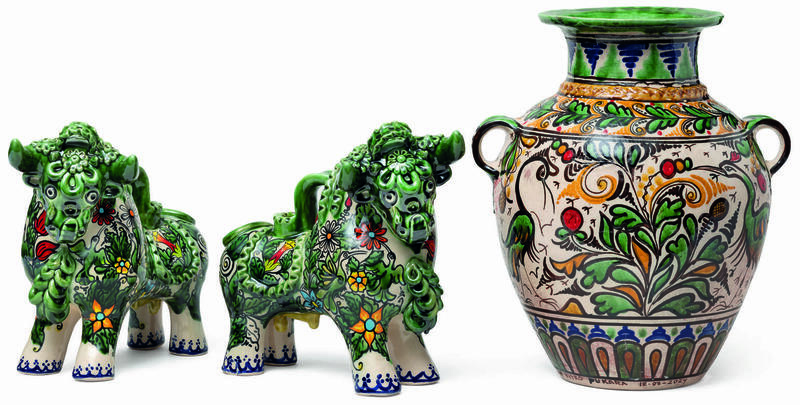
The Museo de Arte de Lima (MALI) will hold its 15th Summer Auction on February 28, featuring a curated selection of Peruvian art. The lots span from historical Indigenismo works by artists like José Sabogal to contemporary pieces by emerging talents such as Venuca Evanán, encompassing painting and sculpture.

MASP Contested Narratives Between Replica and Weaving

MASP CONTESTED NARRATIVES BETWEEN REPLICA AND WEAVING

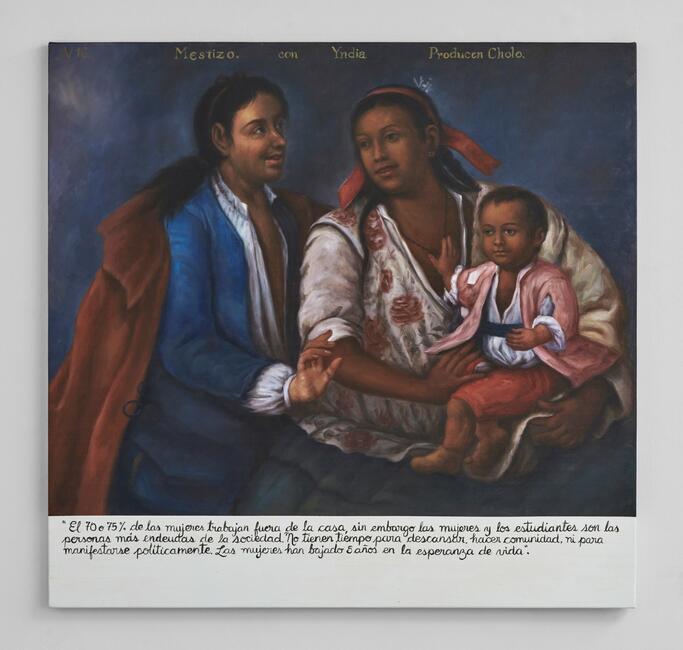
The Museu de Arte de São Paulo (MASP) has opened two simultaneous exhibitions that critically examine how narratives in Latin American art are formed. 'Réplica (Replica)' is a retrospective of Peruvian artist Sandra Gamarra Heshiki, featuring over 70 works that appropriate and alter historical pieces to expose the exclusionary mechanisms of museums. 'Vivir, tejer (Living, Weaving)' presents the collaborative textile work of Claudia Alarcón and the Silät collective, a group of over one hundred Wichí women weavers, foregrounding ancestral knowledge and collective creation.

WAYS OF REMEMBERING YAHUARCANI AND MUNOZ AT MASP

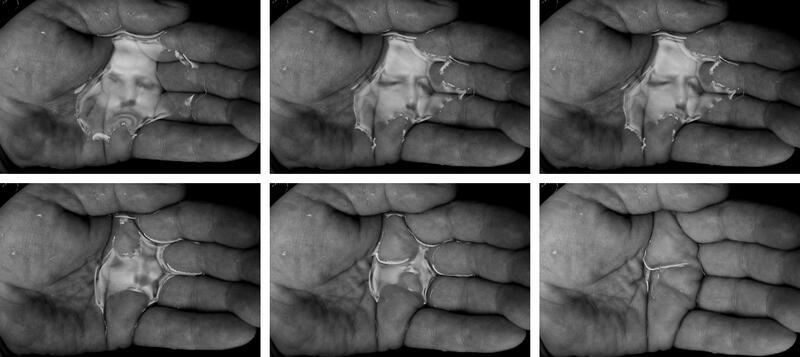
The Museu de Arte de São Paulo (MASP) is currently presenting two distinct exhibitions that explore memory, identity, and historical violence in Latin America. 'Santiago Yahuarcani: The Beginning of Knowledge' features 35 works by the Peruvian artist that weave together Uitoto cosmology with the traumatic history of the Amazon rubber boom, while 'Video Room: Oscar Muñoz' showcases three video works by the Colombian artist that use ephemeral materials to reflect on political disappearance and the instability of the image.