filter_list Showing 7 results for "post-colonialism" close Clear
dashboard All 7 museum exhibitions 4article culture 1trending_up market 1rate_review review 1
date_range Range Today This Week This Month All
Subscribe

Moffat Takadiwa: Recoded Memories

Moffat Takadiwa, a Zimbabwean artist born in 1983, transforms post-consumer waste like computer keyboards and bottle tops into intricate sculptures and wall works that reflect his Korekore heritage and address consumerism, inequality, post-colonialism, and environmental decay. His recent exhibitions include a solo show "Second Life" at Nicodim Gallery in New York (2025), participation in the 60th Venice Biennale (2024), and shows at mumok Vienna and the Orange County Museum of Art. He is represented by Nicodim Gallery and founded Mbare Art Space, an artist-led hub in Harare's Mbare township.
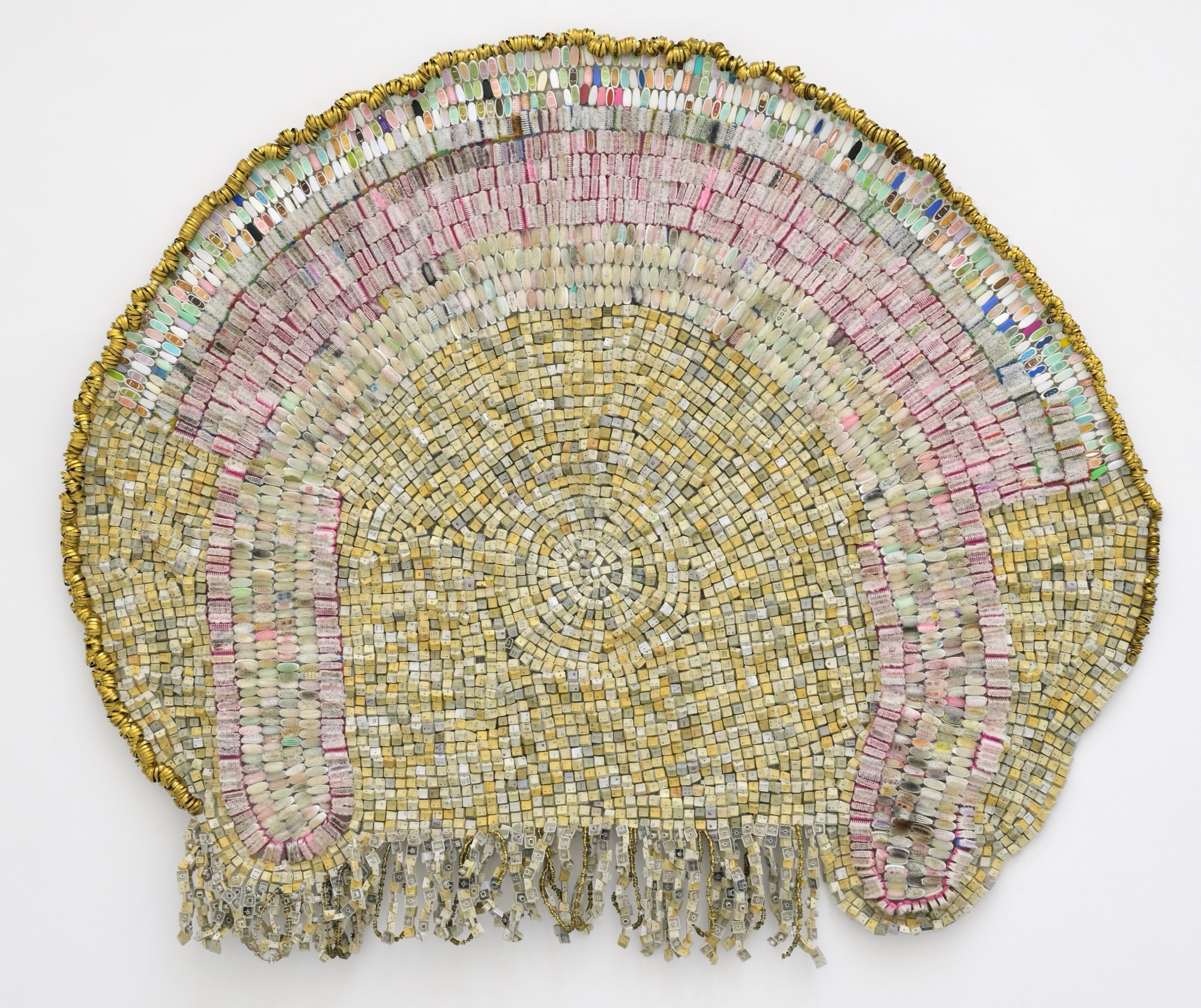
Moffat Takadiwa’s Scrounged Sculptures Confront Africa’s ‘Colonial Hangover’

Zimbabwean artist Moffat Takadiwa transforms discarded consumer waste—including computer keys, toothbrush heads, and plastic combs—into intricate, tapestry-like sculptures. His latest solo exhibition, "The Crown!" at Semiose in Paris, features large-scale works foraged from landfills in Harare’s Mbare neighborhood. These meticulously sorted and woven objects create organic patterns that mask their industrial origins, forcing a confrontation with the physical reality of global overconsumption.

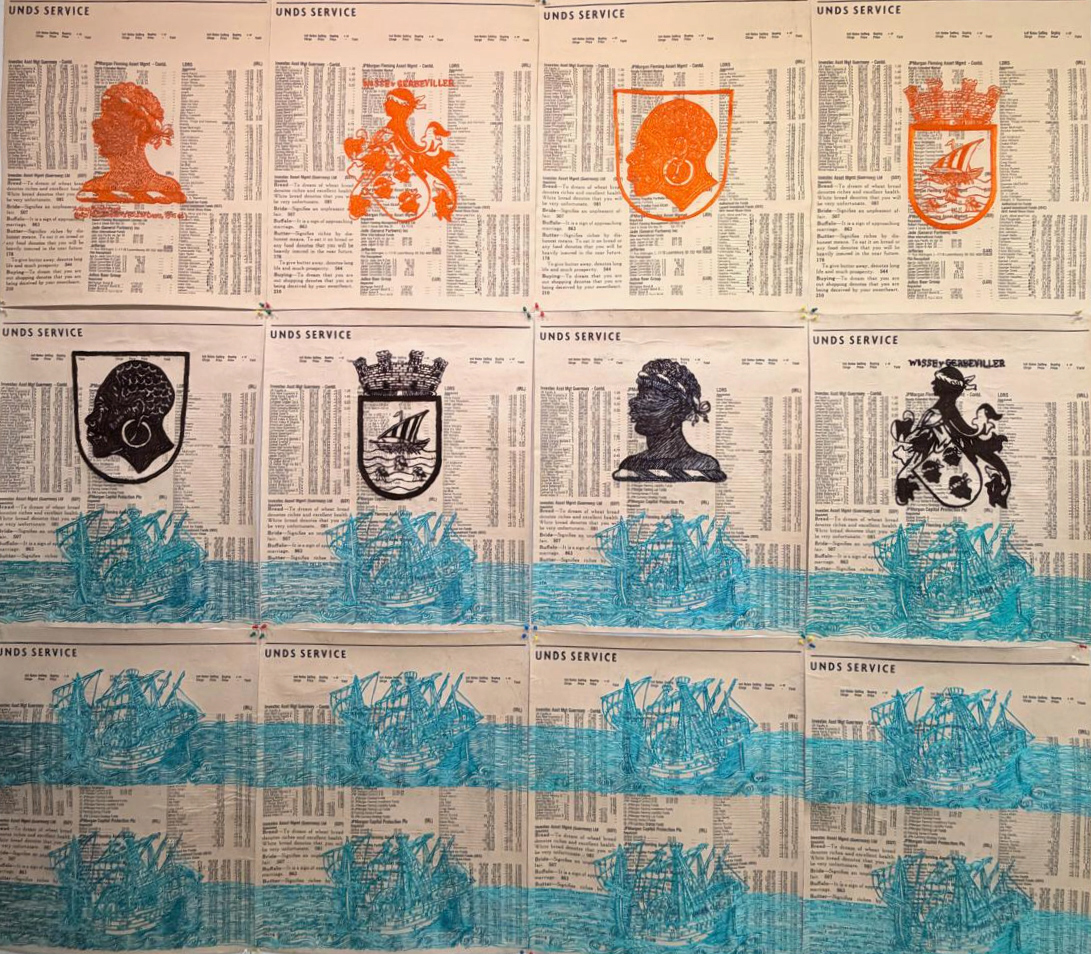
Godfried Donkor: It’s a Numbers Game

Ghanaian-British artist Godfried Donkor is set to debut his first UK institutional solo exhibition, "It’s a Numbers Game," at Firstsite in Colchester. The exhibition features a diverse array of media including collage, painting, embroidery, and installation, highlighted by a gallery transformed into a boxing ring to symbolize migration and endurance. Donkor utilizes materials like Financial Times pages and Adinkra symbols to explore the "triangle of commerce" between Britain, West Africa, and the Caribbean, while specifically linking the local history of Boudicca to the resistance of Ashanti leader Yaa Asantewaa.

Latin American Art: Structural Growth between Market and Institutions

Latin American Art: Structural Growth between Market and Institutions

Latin American contemporary art is experiencing structural growth and increased global visibility between 2024 and 2026, moving beyond speculative trends toward deep-seated institutional legitimacy. This shift is highlighted by the prominent inclusion of regional artists in major international platforms, most notably the 2026 Venice Biennale and the Pinault Collection. Key figures such as Rosanna Paulino, Adriana Varejão, and Paulo Nazareth are leading this movement, utilizing diverse media to explore themes of post-colonialism, racial violence, and ecological memory.

Meriem Bennani, the artist who went viral during the pandemic

Meriem Bennani, a New York-based artist known for her shape-shifting practice of videos, installations, and immersive environments, gained viral fame during the COVID-19 lockdown in March 2020. She co-created the animated series '2 Lizards' with fellow artist Orian Barki, which depicted surreal, humorous conversations between anthropomorphic reptiles navigating the first weeks of the pandemic in New York City. The series, posted on Instagram, resonated widely and led to eight episodes. Bennani's broader work, including 'Life on the CAPS' (2018–2022) and 'Mission Teens' (2019), blends digital animation, live-action footage, and cultural critique, often exploring themes of diaspora, post-colonialism, and migration through dystopian, supernatural narratives.

A review of the 2026 Venice Biennale without naming a single artist

Una recensione della Biennale di Venezia 2026 senza nominare neppure un artista

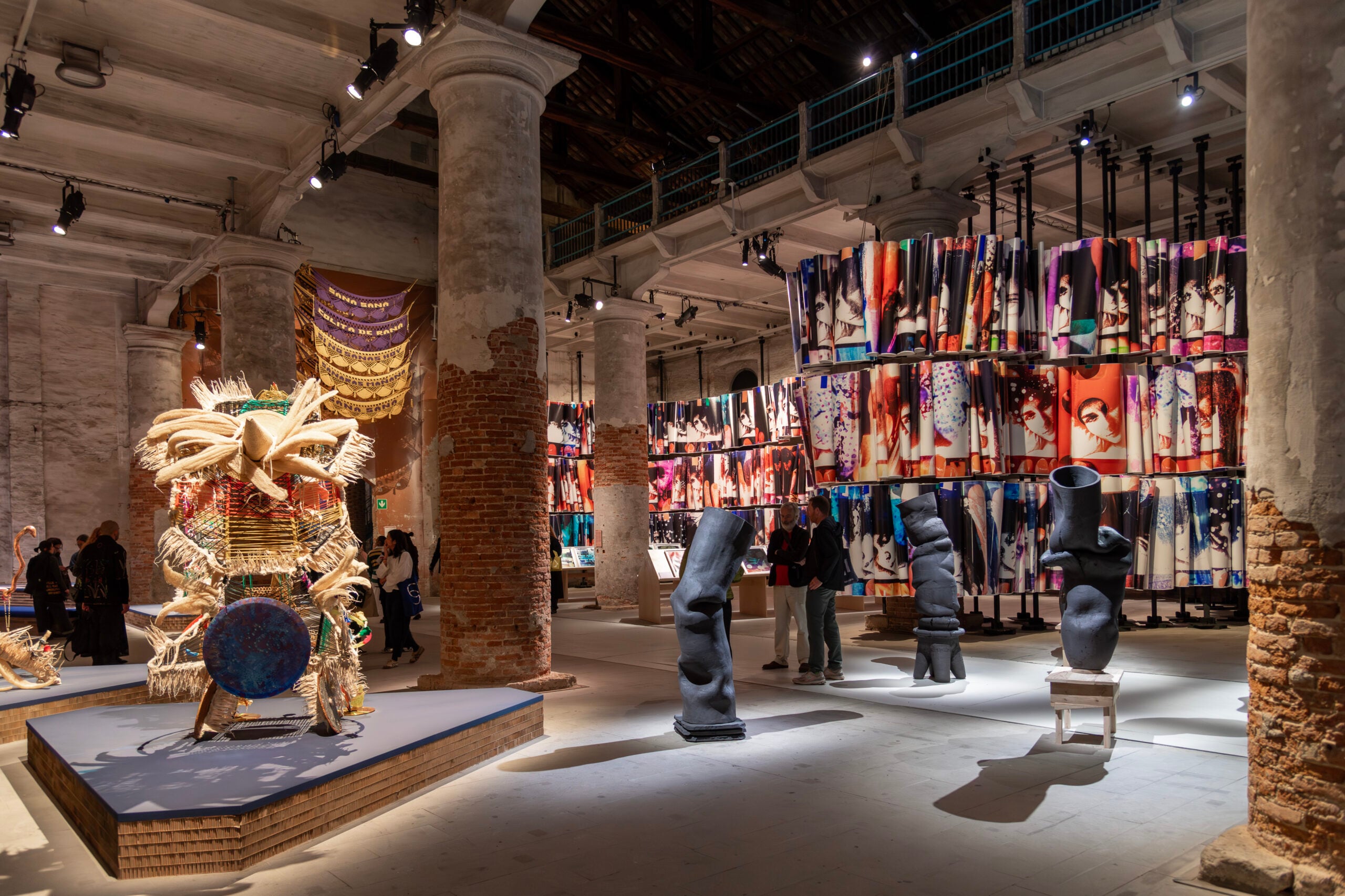
This review of the 2026 Venice Biennale describes an exhibition that overcame dire circumstances—the death of curator Koyo Kouoh early in preparations, losses of key artists, and international political controversies—to deliver a surprisingly joyful and engaging show. Titled "In Minor Keys," the Biennale features a well-conceived, flowing presentation across the Giardini and Arsenale that prioritizes beauty, craftsmanship, and hope over a punitive or documentary tone.

Looking Back to Look Forward

Blick zurück nach vorn

The Museum Rietberg in Zürich is hosting an exhibition that examines the intersection of photography and colonialism. The show highlights how early photographic techniques, introduced to Africa shortly after their invention in 1839, were historically used as tools of power, surveillance, and scientific categorization. By juxtaposing historical archives with contemporary works, the exhibition demonstrates how modern artists are reclaiming and transforming these violent visual legacies.