filter_list Showing 4 results for "racial inequality" close Clear
dashboard All 4 article culture 2article news 1museum exhibitions 1
date_range Range Today This Week This Month All
Subscribe

guerrilla girls feminist collective why so important 1234745911

The feminist collective Guerrilla Girls began its activism in May 1985 by wheat-pasting posters in SoHo, New York, that listed prominent male artists and revealed that their galleries showed 10 percent or fewer women artists. The group formed after the 1984 MoMA exhibition 'An International Survey of Recent Painting and Sculpture' included only 13 women out of 169 participants, sparking protests that failed to gain traction. For 40 years, the Guerrilla Girls have used statistics-driven, provocative posters to call out sexism and racism in galleries, museums, and the broader art world. This year, their anniversary is marked by retrospective exhibitions at the National Museum for Women in the Arts in Washington, D.C., the Getty Research Institute in Los Angeles, and the National Gallery of Bulgaria in Sofia.
Beloved CUNY Social Practice Art Program to Shut Down

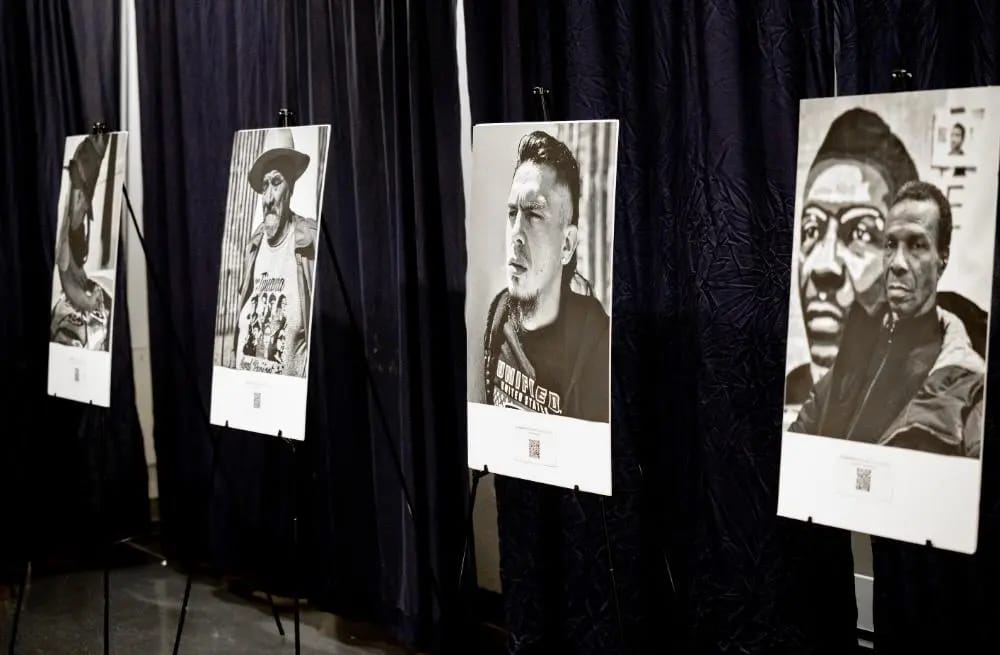
Social Practice City University of New York (SPCUNY), an artist-led initiative supporting social justice-minded art across the CUNY system, will cease operations in February 2027. Founded in 2021 by artists Chloë Bass and Gregory Sholette with support from the Mellon Foundation, the program distributed over $535,000 in fellowships to 129 faculty and student fellows. The closure is prompted by the departure of both co-directors from their academic positions at Queens College, leaving the independent project without a clear institutional pathway for leadership transition.

literature darkology rhae lynn barnes blackface minstrelsy

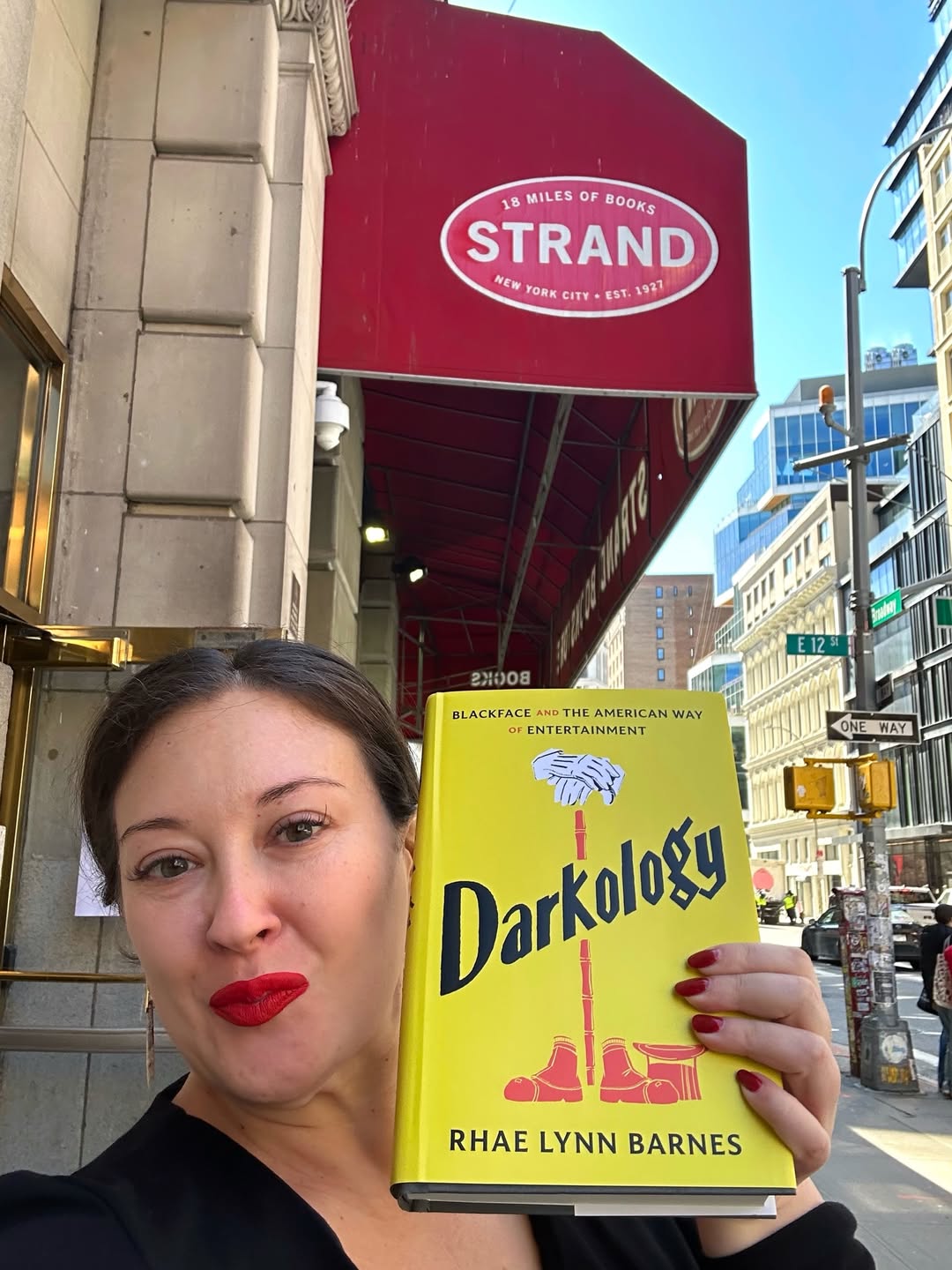
Rhae Lynn Barnes, a scholar at Princeton, has published a new book titled "Darkology: Blackface and the American Way of Entertainment," which examines the pervasive history of amateur minstrelsy in American life from the 19th through 20th centuries. Drawing on two decades of archival research, Barnes reveals how blackface performances were not confined to professional theaters but were common in living rooms, schools, USO shows, fraternal lodges, and even Japanese internment camps, involving figures like Shirley Temple, Frank Sinatra, and Bing Crosby.

culture politics bryan stevenson equal justice

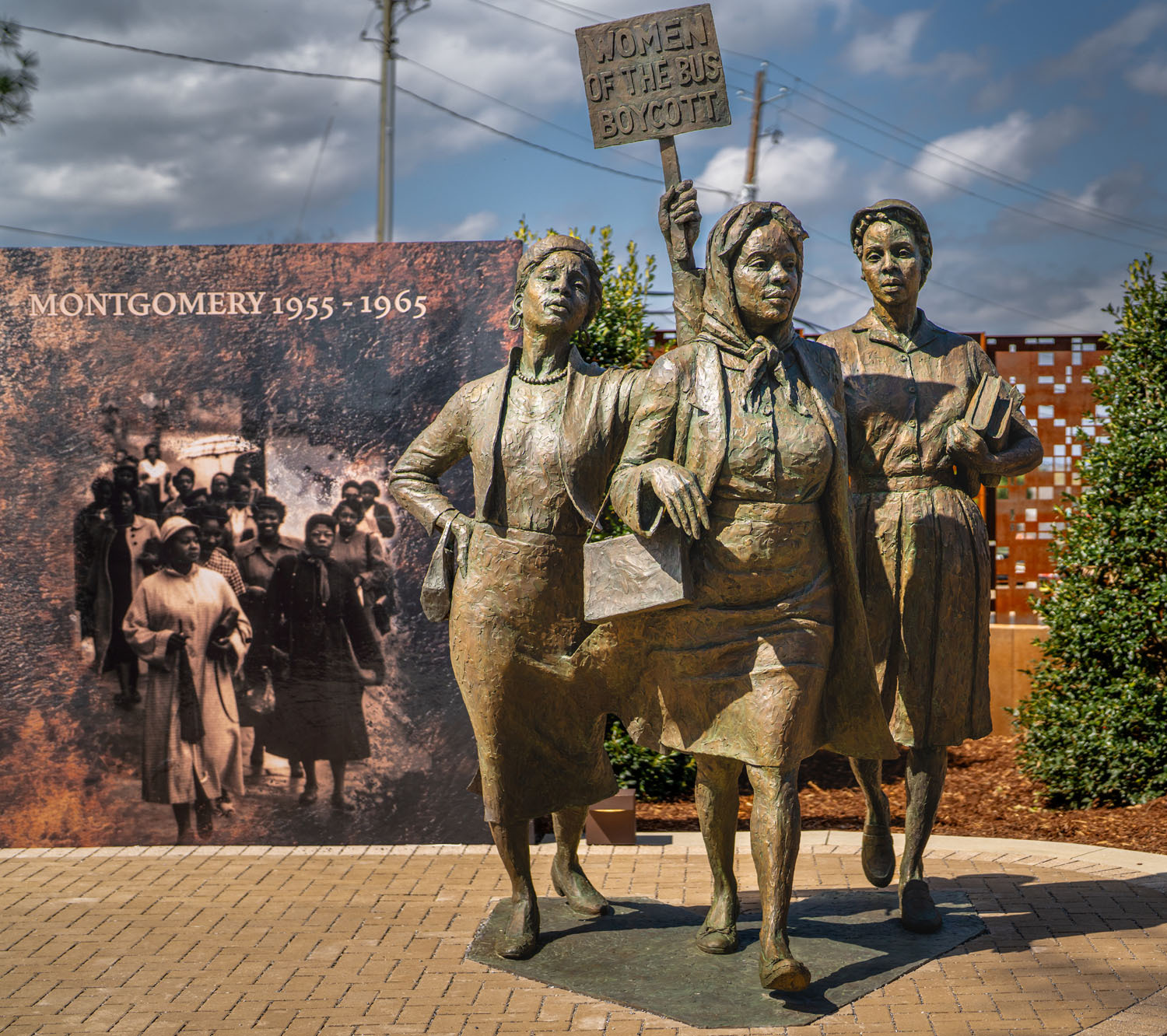
Bryan Stevenson, civil rights attorney and executive director of the Equal Justice Initiative (EJI), opened Montgomery Square in Alabama on the anniversary of the Selma to Montgomery March. The new public space commemorates the acts of courage that led to the Voting Rights Act of 1965, focusing on the Civil Rights era and the role of Montgomery's Black community, including lesser-known figures like Linda Blackmon Lowry and Sheyann Webb. Stevenson discusses the square as part of EJI's broader network of sites—including the Legacy Museum and the National Memorial for Peace and Justice—which aim to deepen public understanding of America's history of racial inequality and mass incarceration.