
filter_list Showing 2 results for "radical software" close Clear
dashboard All 2 article culture 1museum exhibitions 1
date_range Range Today This Week This Month All
Subscribe

RADICAL SOFTWARE: WOMEN, ART & COMPUTING 1960–1991

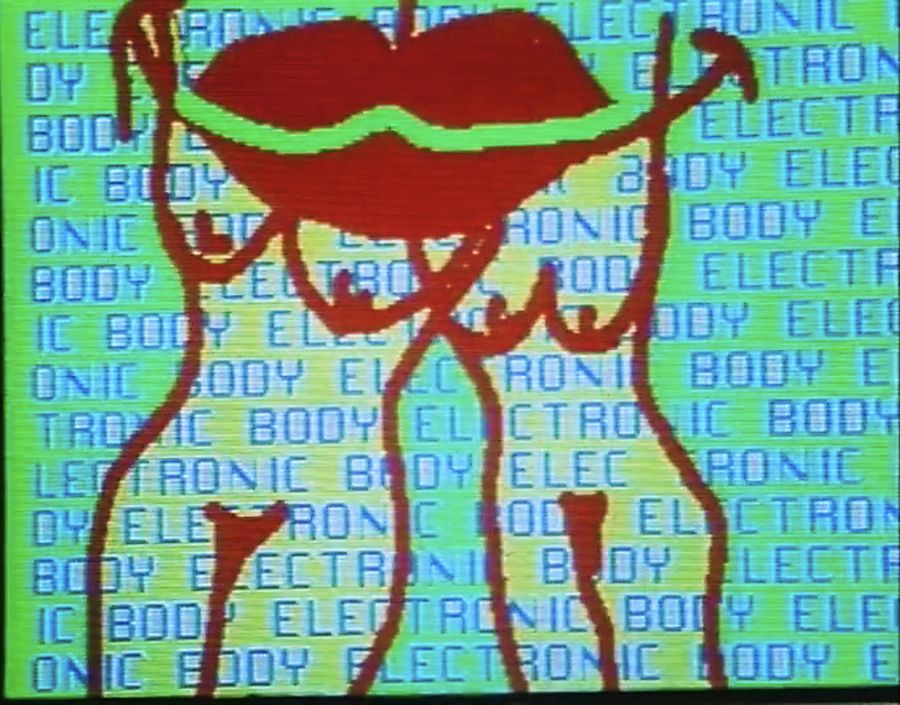
Kunsthalle Wien presents "Radical Software: Women, Art & Computing 1960–1991," a landmark exhibition foregrounding the pioneering role of women in early digital art. Organized with Mudam Luxembourg, the show brings together over one hundred works by fifty artists from European and U.S. collections, spanning painting, sculpture, installation, film, performance, and computer-generated works. The title references the 1970 magazine "Radical Software" by Beryl Korot, Phyllis Segura, and Ira Schneider, which envisioned decentralized access to information. The exhibition traces digital art from mainframe experiments in the 1960s through the microcomputer revolution, highlighting artists like Charlotte Johannesson, who traded a tapestry for an Apple II in 1978.
who was joan shogren computer art 2619360

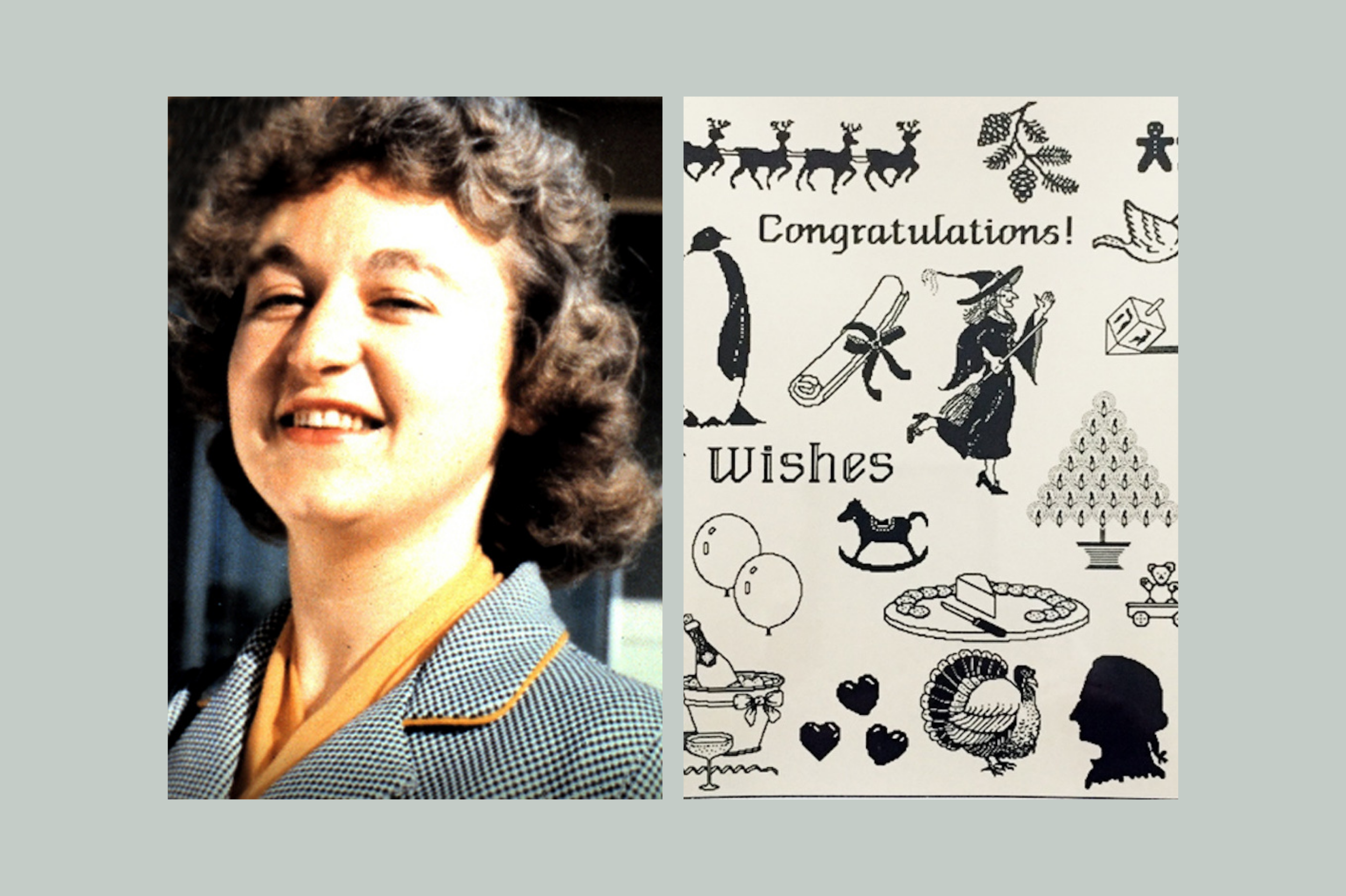
Joan Shogren, a chemistry graduate from San José State University (SJSU) in the early 1950s, created some of the world's first computer-generated art in 1963 while working as a secretary in the chemistry department. Collaborating with graduate student Jim Larson and assistant professor Ralph Fessenden, she developed a theory that computers could create art if given "rules" of proportion, balance, and center of interest. Fessenden translated her "laws of art" into code on an IBM 1620 computer, producing artworks that were printed as number arrays and later hand-colored by artist Marvin Coon. Shogren exhibited these works in May 1963 at the campus bookstore, recognized as the first public display of computer art. Two decades later, she was commissioned by software company T/Maker to create the first clip art, "ClickArt," released in 1984 for Macintosh computers, designed pixel by pixel.