filter_list Showing 4 results for "radiocarbon dating" close Clear
dashboard All 4 article news 4
date_range Range Today This Week This Month All
Subscribe

Researchers Link Two Unattributed Works To Michelangelo

Researchers have attributed two previously unattributed works to Michelangelo. The Royal Institute for Cultural Heritage of Belgium used radiocarbon dating, pigment analysis, and infrared reflectography to link a 16th-century oil-on-canvas Pietà to the master, finding monograms and a date consistent with his work. Separately, Italian researcher Valentina Salerno published a decade-long study using archival documents and stylistic analysis to attribute a marble bust of Christ in a Roman basilica to Michelangelo.

mowaa archeological project findings benin city nigeria 1234760131

The Museum of West African Art (MOWAA) in Benin City, Nigeria, will open its MOWAA Institute next week, the first completed building of a planned 15-acre campus that will also include the Rainforest gallery and other facilities by 2028. In advance of the opening, Antiquity magazine published an updated report on the MOWAA Archeological Project (2022–2024), a collaboration among MOWAA, the British Museum, and Nigeria’s National Commission for Museums and Monuments, with Cambridge Archaeological Unit and Wessex Archaeology as delivery partners. The excavations, the first at the royal palace complex since the 1960s, used both digs and ground-penetrating radar, with radiocarbon dating revealing artifacts spanning from before the Benin Kingdom through its collapse and colonial and postcolonial eras.

Unusually Large, 2,000-Year-Old Hillfort Discovered in Estonia

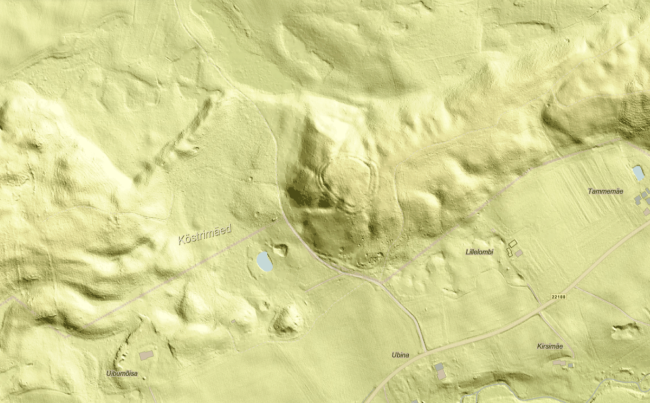
Archaeologists from the University of Tartu have discovered a massive 2,000-year-old hillfort at Köstrimägi in Tartu County, Estonia. Utilizing high-resolution terrain mapping, the team identified a 4,800-square-meter Iron Age fortification featuring concentric ramparts and shallow ditches, a structural complexity rarely seen in the region. Radiocarbon dating suggests the site was active for a relatively short period, specifically between 41 BCE and 9 CE.

Archaeologists Identify Lost Medieval Village in Polish Forest

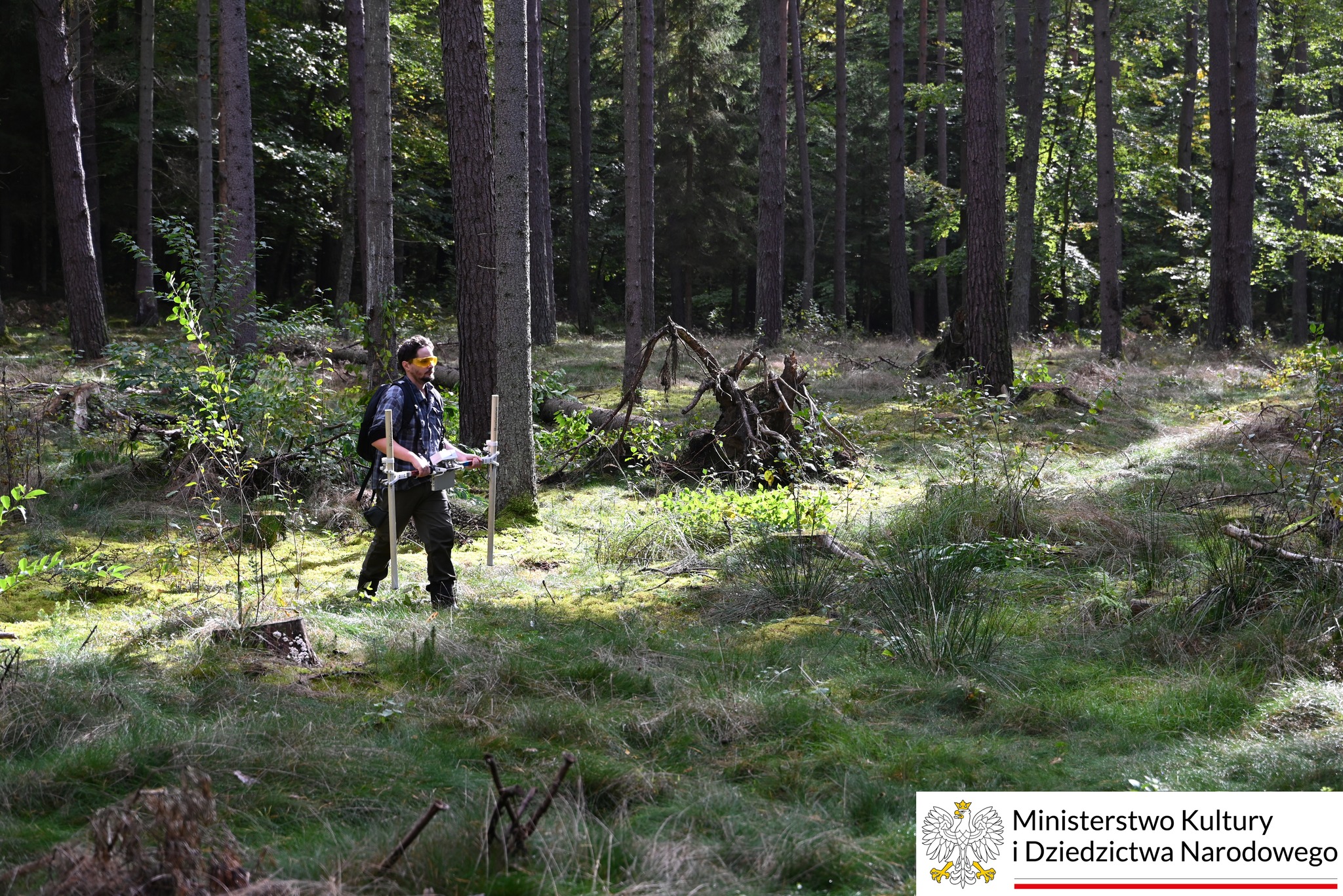
Archaeologists from Poland's Relicta Foundation have located the lost medieval village of Stolzenberg in a dense forest near Sławoborze in northwestern Pomerania. The 15-acre site, identified through a combination of historical research, metal detecting, and advanced geophysical surveys, has yielded 1,500 surface anomalies and 400 artifacts, including coins and belt buckles from the 13th-14th centuries, confirming its medieval origins. Radiocarbon dating places the height of its activity in the 14th century.