
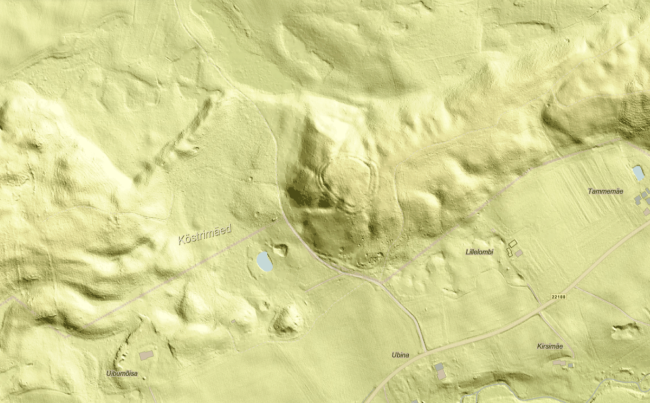
Archaeologists from the University of Tartu have discovered a massive 2,000-year-old hillfort at Köstrimägi in Tartu County, Estonia. Utilizing high-resolution terrain mapping, the team identified a 4,800-square-meter Iron Age fortification featuring concentric ramparts and shallow ditches, a structural complexity rarely seen in the region. Radiocarbon dating suggests the site was active for a relatively short period, specifically between 41 BCE and 9 CE.
This discovery challenges traditional understandings of Baltic prehistoric architecture and social organization. The unusual size and layered defensive structures suggest the site may have served as a significant community status symbol or reflected external cultural influences rather than functioning solely as a basic military defense. The find provides a rare window into the sophisticated engineering and social stratification of Iron Age societies in Northern Europe.