filter_list Showing 9 results for "repatriation" close Clear
dashboard All 9 gavel restitution 4museum exhibitions 3article policy 2
date_range Range Today This Week This Month All
Subscribe

France Passes Landmark Restitution Law for Looted Art

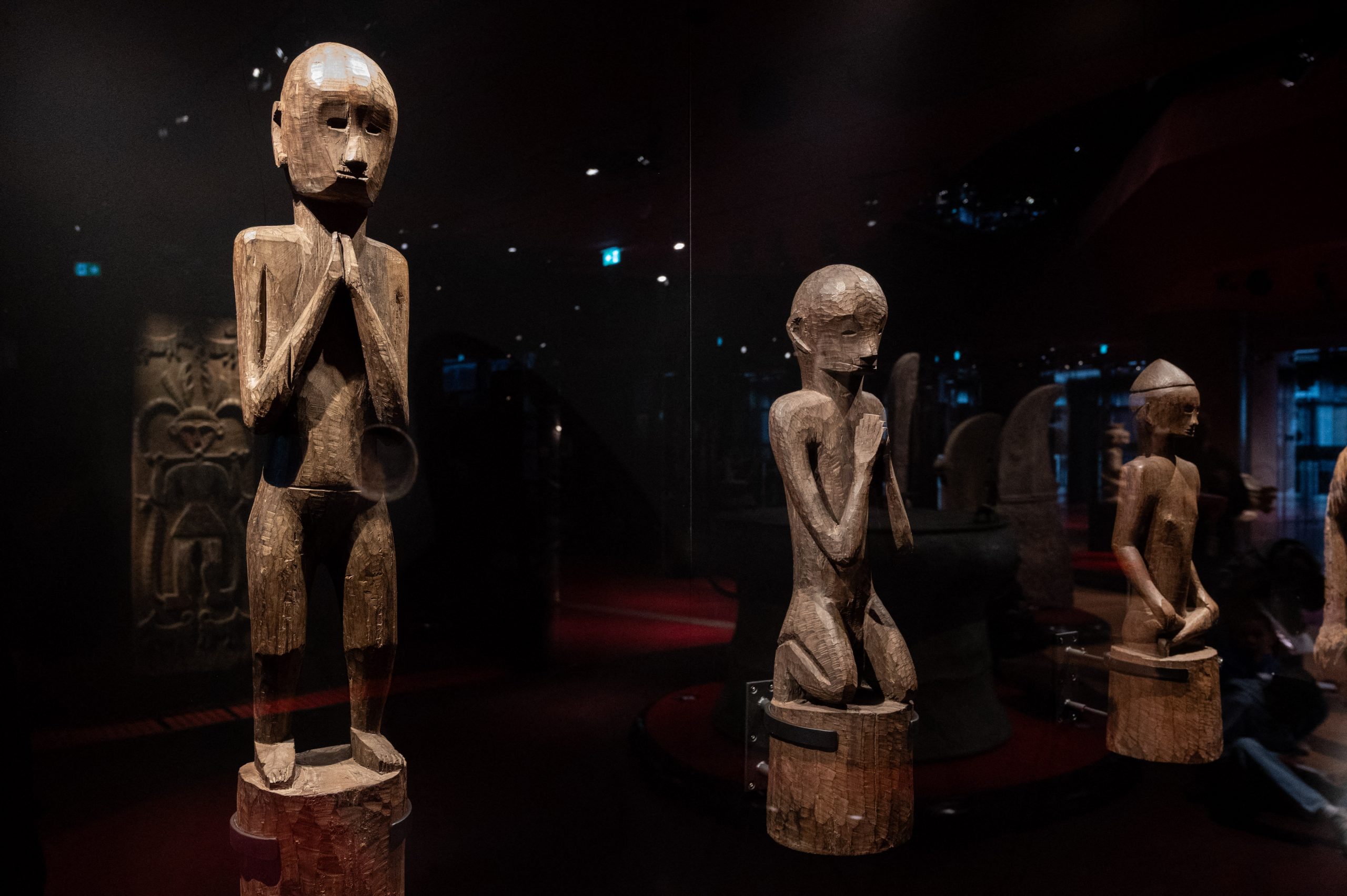
France has passed a landmark restitution law for looted art, marking a significant shift in the country's approach to addressing Nazi-era confiscations and colonial-era acquisitions. The legislation establishes a legal framework for returning artworks and cultural objects to their rightful owners or heirs, streamlining a process that previously required case-by-case parliamentary approval. This law is expected to accelerate the return of thousands of items held in French museums and public collections.
A New Landmark Survey Aims to Bring Transparency to Museum Collecting Practices

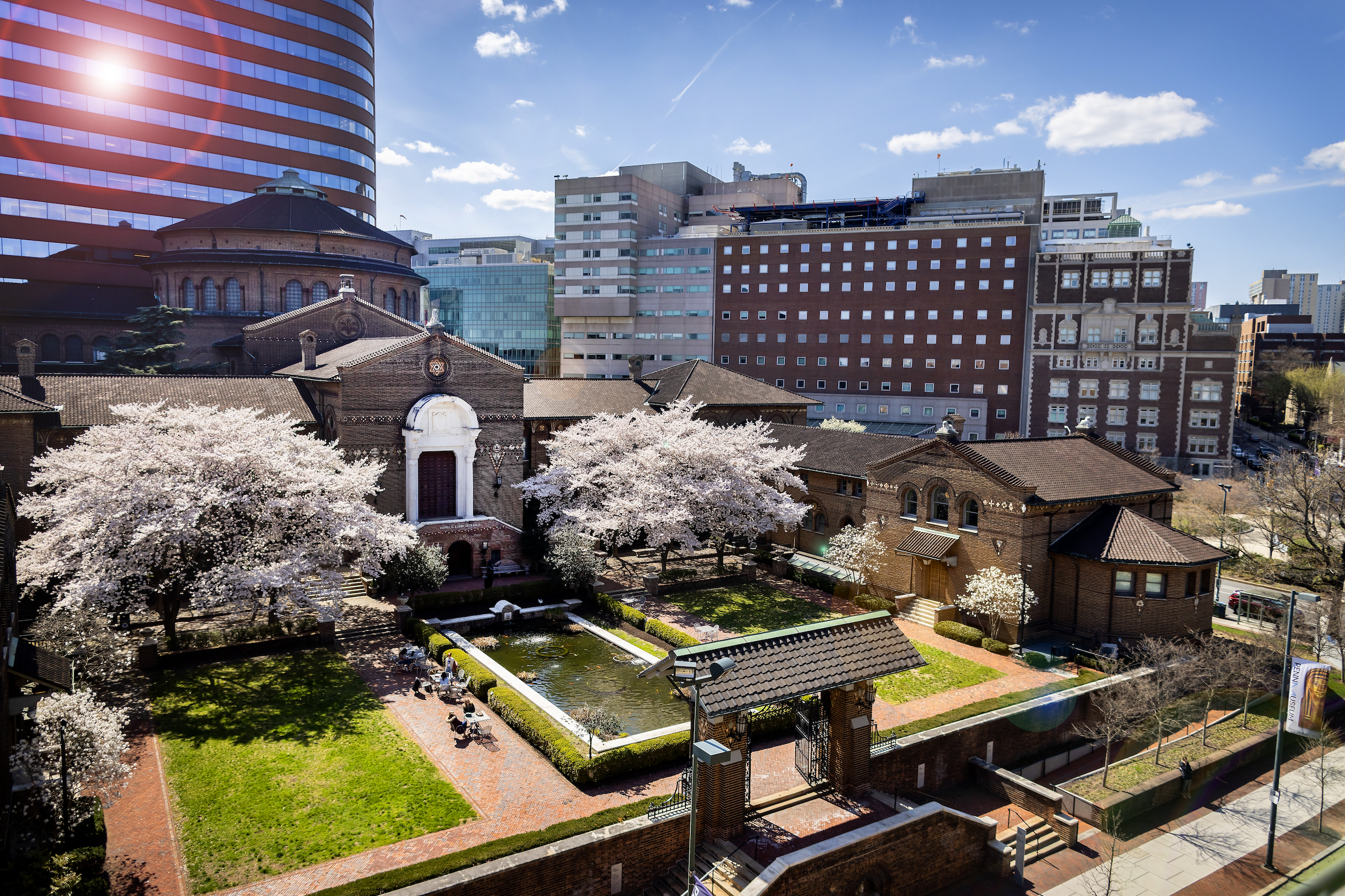
The Penn Cultural Heritage Center (PennCHC) at the University of Pennsylvania's Penn Museum will launch the National Survey of Museum Collecting Practices on May 20, running through August 20. This first-of-its-kind survey, part of the Museums: Missions and Acquisitions Project (M2A Project), will collect data on acquisitions, deaccessions, loans, provenance research, and policies from U.S. nonprofit museums and libraries. Results will be published in 2027, with only generalized insights to maintain anonymity.

Spring brings two new exhibits to Banff's Whyte Museum

Two new exhibitions have opened at the Whyte Museum of the Canadian Rockies in Banff: "Thick as Thieves," a touring show from the MacKenzie Art Gallery in Regina, and "When our eyes touch," drawn from the museum's own collection. "Thick as Thieves" explores themes of power, secrecy, and trust through works spanning from Auguste Rodin sculptures to contemporary pieces by August Klintberg and Amanda Strong, curated by Crystal Mowry. "When our eyes touch" focuses on portraiture by museum founders Peter Whyte and Catharine Robb Whyte, featuring paintings from their time at art school in Boston and later portraits of Stoney Nakoda community members, curated by Dagny Dubois and Christina Cuthbertson. Both exhibitions run until November 8.

The Founders of Open Restitution Africa (ORA) on Their New Open Data Platform

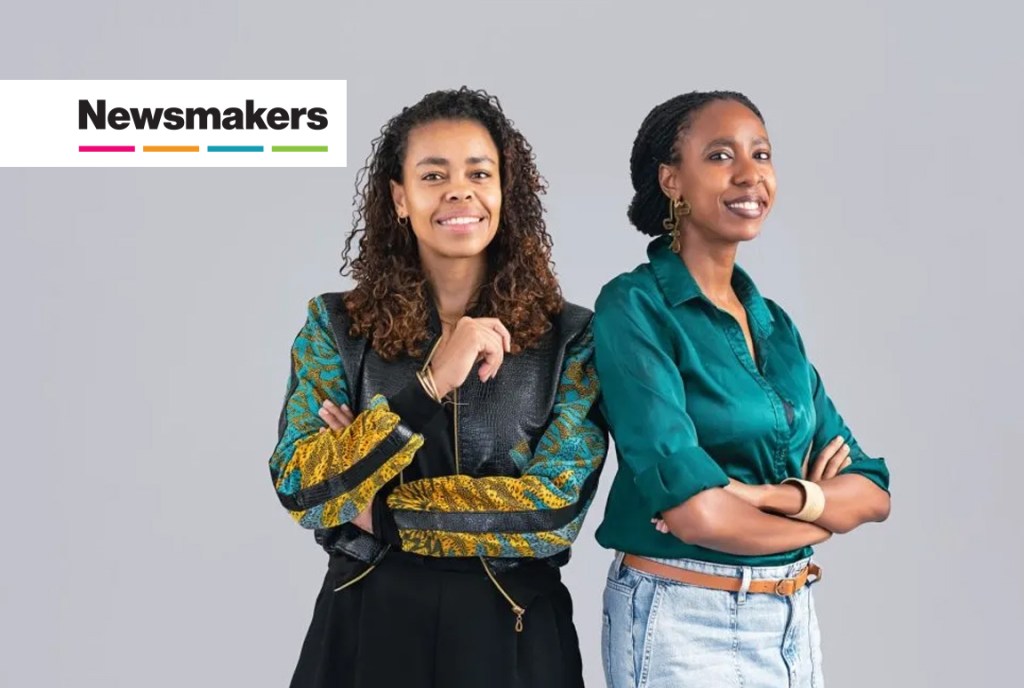
On March 31, the research initiative Open Restitution Africa (ORA) launched the ORA Open Data Platform, a database providing information on the restitution of African artifacts and ancestral remains. Developed over six years by ORA’s all-woman, pan-African team, the site uses case histories and AI-powered tools to offer practical insights into the return process, available in French and English. It presents 25 case histories spanning 200 years, using data visualizations, essays, and interactive tools to help individuals and communities develop their own restitution strategies. ARTnews interviewed founders Chao Tayiana Maina and Molemo Moiloa about the project's origins and goals.

No money, more problems: 85% of US museums in urgent need of building repairs

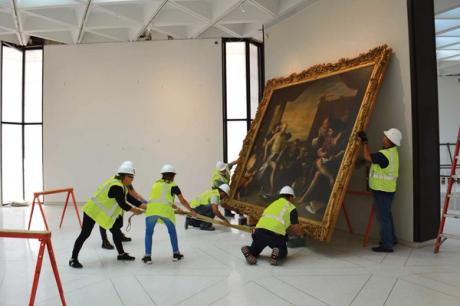
A recent survey by the US Government Accountability Office (GAO) found that approximately 85% of US museums face a costly backlog of maintenance or building repairs, with 77% having at least one structural issue that puts their collections at risk. Based on a survey of around 300 museums and 17 site visits, the report reveals that institutions across the country struggle to keep buildings updated and safe due to a lack of funding, with challenges especially pronounced in rural and remote locations where shipping materials and finding skilled workers is prohibitively expensive. Many museums are housed in historic homes or sites that are part of their collections, adding further complexity, and smaller museums often lack the budget to address major problems like new roofs or HVAC systems.

Manhattan D.A.’s Office Returns More Than 650 Looted Artifacts to India

On April 28, Manhattan District Attorney Alvin L. Bragg, Jr., announced the return of 657 trafficked antiquities valued at nearly $14 million to India. The items were recovered by the D.A.'s Antiquities Trafficking Unit and Homeland Security Investigations, and formally returned at a ceremony in New York. Among the repatriated pieces are a bronze figure of Avalokiteshvara (valued at $2 million), stolen from the Mahant Ghasidas Memorial Museum in Raipur in 1982; a red sandstone Buddha statue (valued at $7.5 million) smuggled by convicted dealer Subhash Kapoor; and a sandstone Ganesha sculpture looted by trafficker Vaman Ghiya and sold through Christie's by Nancy Wiener, who was later convicted of antiquities trafficking.

Australian Indigenous Art Speaks to Contemporary Concerns

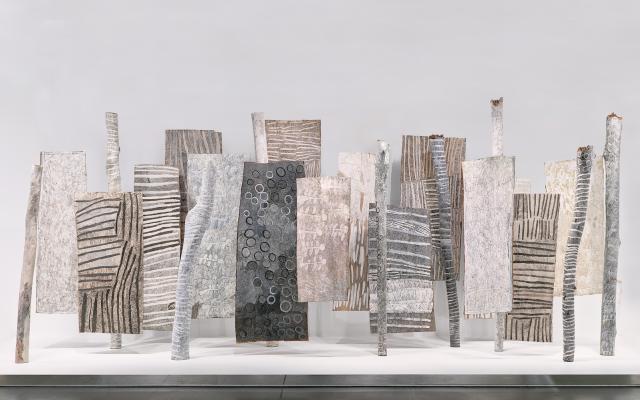
The National Gallery of Victoria (NGV) in Melbourne, in collaboration with the National Gallery (NGA) in Washington, D.C., has organized 'The Stars We Do Not See,' the largest and most comprehensive exhibition of Australian Indigenous art ever shown outside Australia. Opening in Washington on October 25 and running through March 1, 2026, the show features over 200 works from the 19th century to the present, including 130 of the NGV's most prized pieces by revered artists from across Australia. The title is inspired by late Yolŋu artist Gulumbu Yunupiŋu, known for her celestial mappings, and the exhibition will travel to several U.S. cities and Toronto over two and a half years.

France Passes Law Easing Process of Returning Looted Art

France has passed a new law that simplifies the process of returning looted art and cultural artifacts to their countries of origin. The legislation, championed by President Emmanuel Macron, is seen as a major step in addressing colonial-era acquisitions, particularly for African artworks held in French museums. Experts describe the law as a seismic shift in restitution policy, enabling faster and more systematic returns without requiring individual parliamentary approvals for each item.

8,000-year-old artifact on display at Moose Jaw Museum & Art Gallery

Moose Jaw Museum & Art Gallery in Saskatchewan is presenting an exhibition titled "môso-tâpiskan: Indigenous Living Heritage," curated by local artist Sadi Rose Vaxvick. The show features artifacts from the permanent collection, including a projectile point identified by an archaeologist as 8,000 years old, as well as pottery pieces dating back 2,000 years. Vaxvick consulted an Indigenous advisory committee of elders, repatriation liaisons, historians, and Métis locals, and worked with language speakers to translate all artifact notations into their original Indigenous languages.