

filter_list Showing 3 results for "resnick center for herbert bayer studies" close Clear
search
dashboard All 3 museum exhibitions 3
date_range Range Today This Week This Month All
Subscribe

aspen summer guide exhibition art fair

Aspen's summer 2025 art scene is packed with exhibitions and fairs. Highlights include a mini-survey of photographer Anastasia Samoylova at Casa Tua Aspen, a major Sherrie Levine retrospective at the Aspen Art Museum (June 6–Sept. 29), Enrique Martínez Celaya's 'The Pale Threshold' at Baldwin Gallery (June 20–July 20), the Intersect Aspen Art + Design Fair (July 29–Aug. 3) featuring Shepard Fairey and Michael Stipe, Anderson Ranch's Summer Series with talks by Issy Wood and Titus Kaphar, and the Aspen Art Fair (July 29–Aug. 2) at Hotel Jerome.
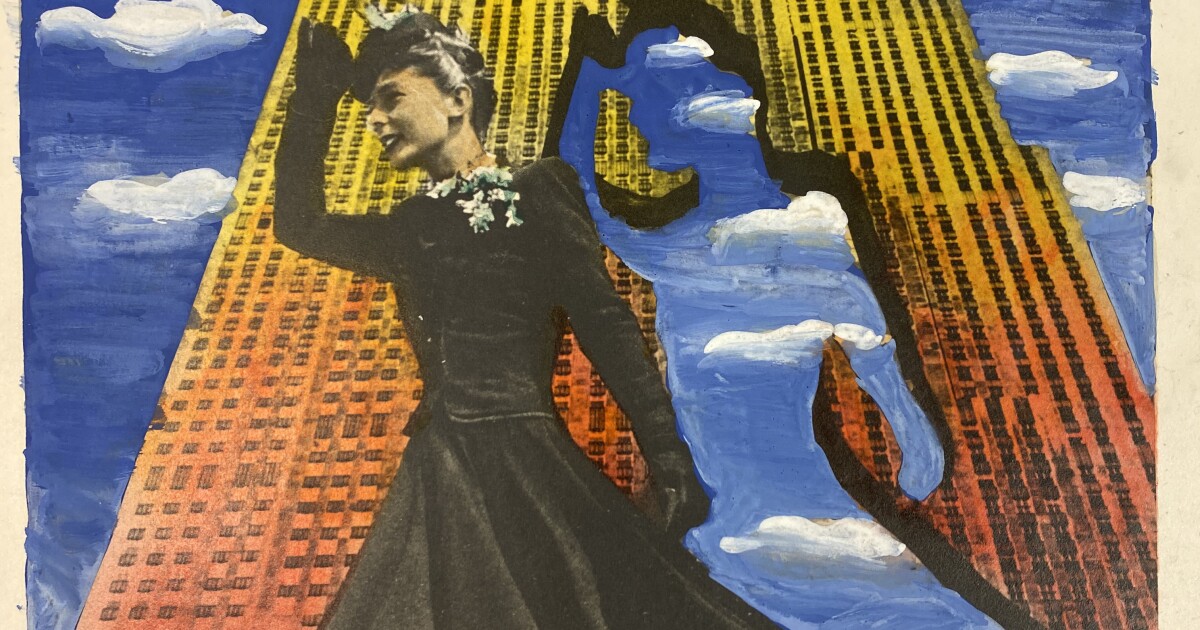
Double Take: Recurrent Dialogues in the Art of Herbert Bayer

The Resnick Center for Herbert Bayer Studies in Aspen, Colorado, is opening a new exhibition titled "Double Take: Recurrent Dialogues in the Art of Herbert Bayer" on June 12, 2026. The show features over 70 works by Bayer, many rarely seen, on loan from the Denver Art Museum, the Santa Barbara Museum of Art, and the George Eastman Museum. The exhibition pairs and clusters Bayer's works to explore the interdependency of mediums across his career, from 1930s surrealist photomontages to 1970s geometric abstractions.

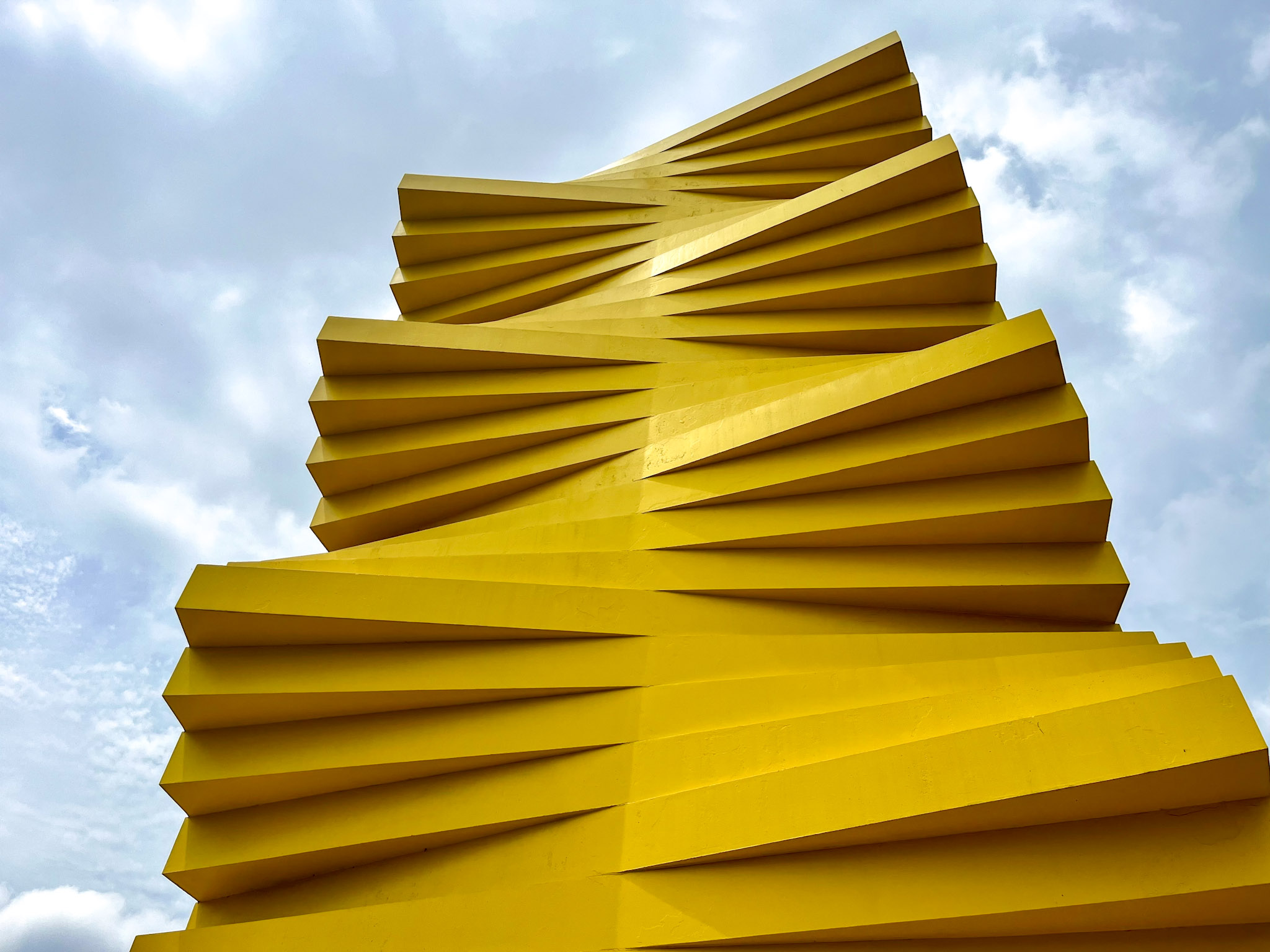
Colorado Arts Spotlight: An exhibition honoring the Bauhaus artist behind Denver’s iconic “French fry” sculpture comes to Aspen — plus, things to do this weekend

The Resnick Center for Herbert Bayer Studies in Aspen has opened a new exhibition titled "Sculpting the Environment," the first-ever show dedicated to the site-specific outdoor sculptures and land art of Bauhaus artist Herbert Bayer. Bayer, who moved to Aspen in 1945 at the invitation of industrialist Walter Paepcke, lived there for nearly 30 years and created Denver's iconic "Articulated Wall" sculpture in 1985, the year of his death. The exhibition, co-curated by Koko Bayer (his step-granddaughter) and Adam Thomas, highlights his three-dimensional process and his role in shaping Colorado's cultural landscape.