filter_list Showing 7 results for "spatial experience" close Clear
dashboard All 7 article culture 5museum exhibitions 1rate_review review 1
date_range Range Today This Week This Month All

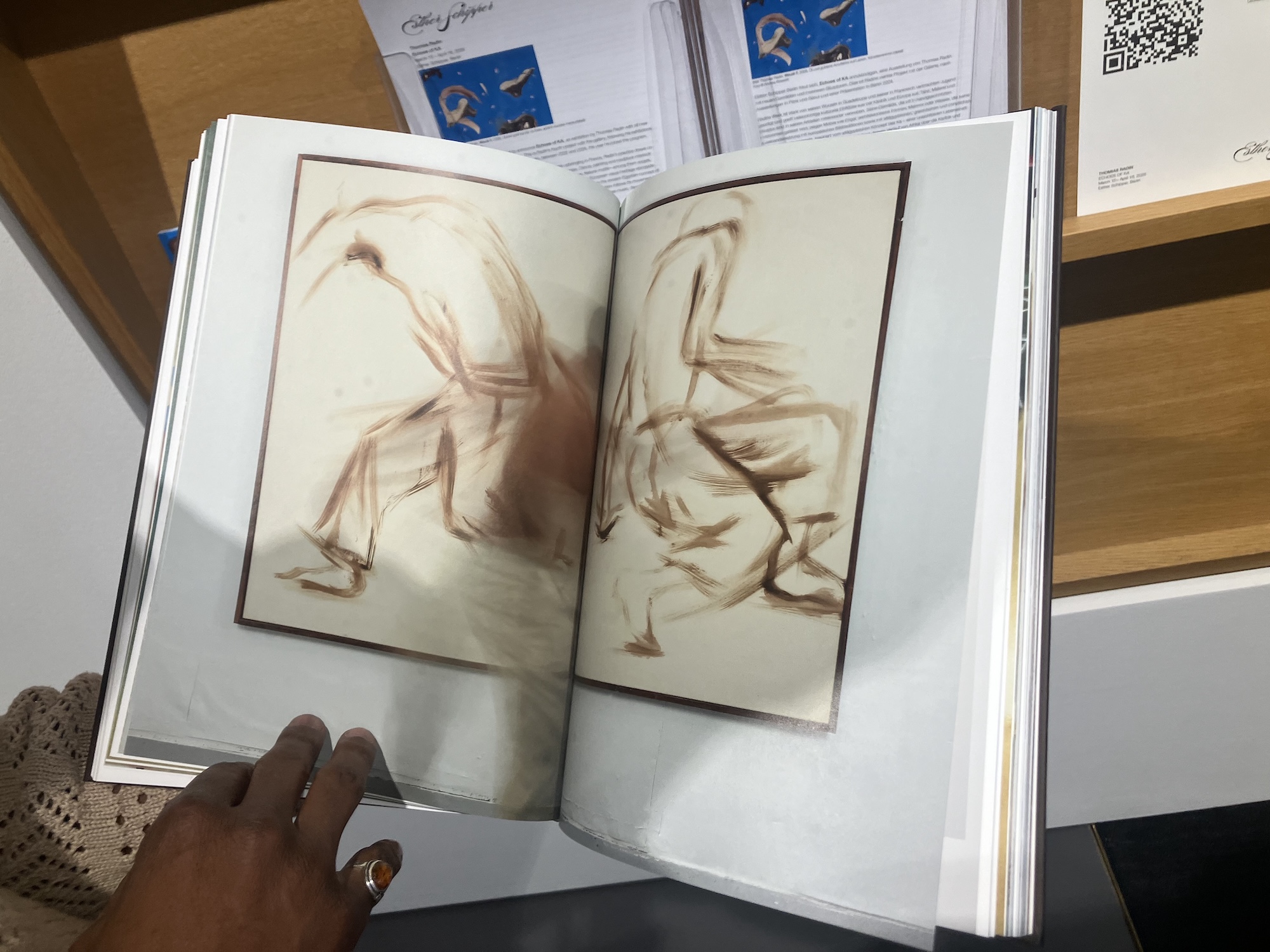
Review: Thomias Radin, Echoes of KA at Esther Schipper, Berlin

Thomias Radin’s fourth solo exhibition at Esther Schipper in Berlin, titled "Echoes of Ka," presents a multidisciplinary environment blending painting, woodwork, and installation. The Guadeloupe-born artist draws heavily from Caribbean embodied knowledge, dance philosophy, and the ancient Egyptian concept of 'Ka'—a vital life force—to transform the gallery into a choreographed 'secret garden.' The works, characterized by vibrant colors and gestural oil paintings on raw linen, are informed by Radin’s collaboration with dance scholar Léna Blou and his own practice of improvisation.

Miljohn Ruperto Rethinks Western Ideas of Time

The rise of the 'one-work exhibition' is transforming how audiences engage with art, shifting the focus from the rapid consumption of numerous objects to a singular, immersive spatial experience. By isolating a single masterpiece or installation, institutions are creating environments that demand 'slow looking' and provide a meditative counterpoint to the overwhelming speed of digital and contemporary visual culture.

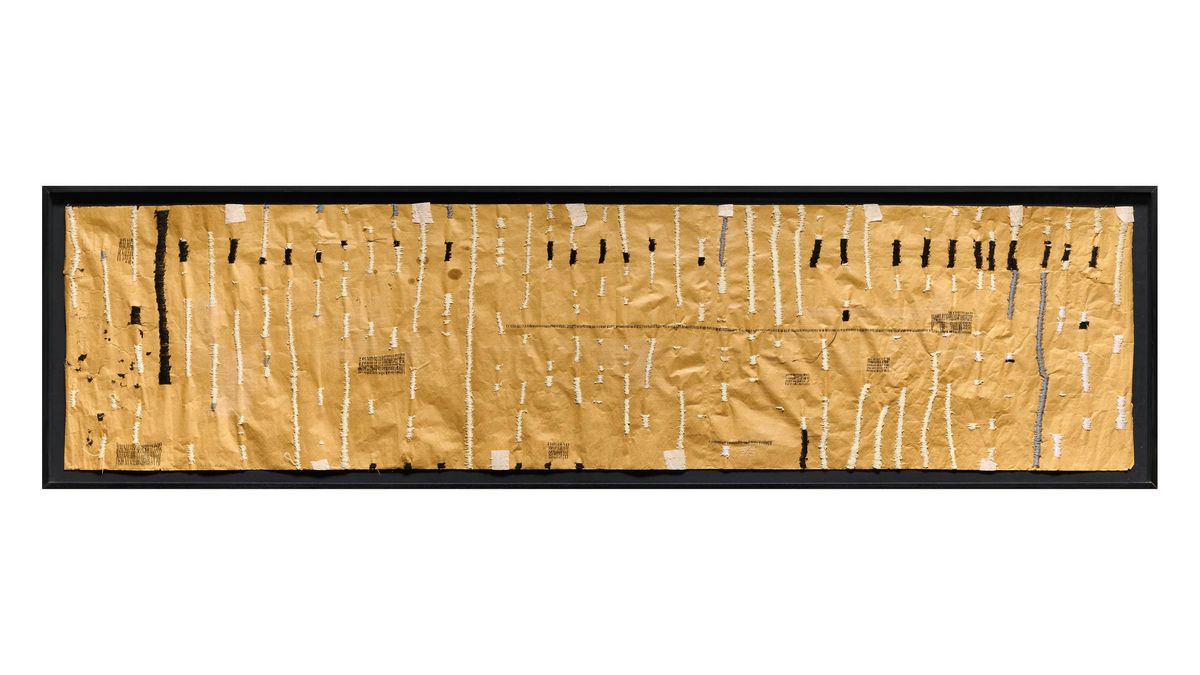
Exhibition | Nyakallo Maleke, 'A Soft Language of Distance' at Bode, Berlin, Germany

Johannesburg-based artist Nyakallo Maleke presents her solo exhibition, 'A Soft Language of Distance,' at Bode in Berlin. The show features an expanded practice of drawing that incorporates textiles, wax paper, and intricate stitching to explore themes of movement, memory, and spatial experience. Maleke, who was recently named the recipient of the 2025 Standard Bank Young Artist Award, utilizes these unconventional materials to create a tactile vocabulary that bridges the gap between intimate gesture and architectural form.

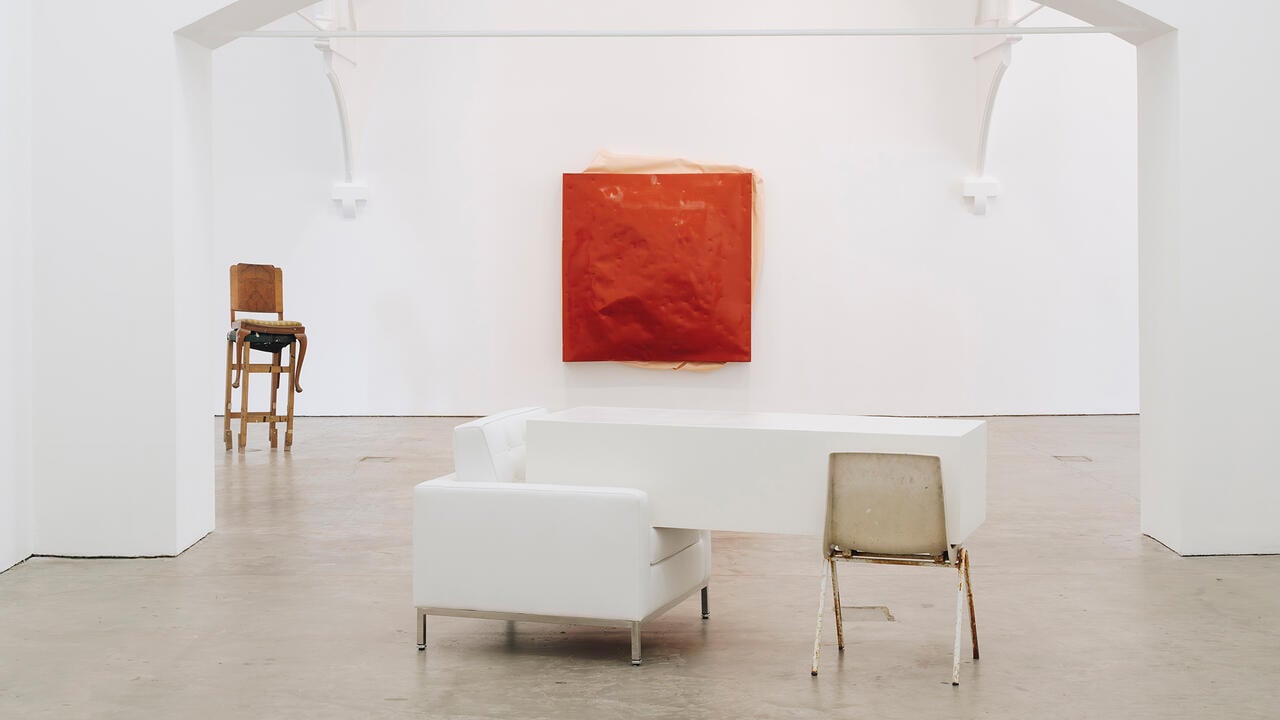
Angela de la Cruz Breaks the Frame

The art world is witnessing a significant shift toward the 'one-work exhibition,' a format that rejects the traditional gallery model of high-volume displays in favor of singular, immersive encounters. By isolating a single masterpiece or installation, institutions are encouraging 'slow looking' and recasting the act of viewing as a deliberate spatial experience. This trend serves as a direct response to the digital age's relentless pace and the overwhelming 'glut' of contemporary visual culture.

6 Exhibitions to See During EXPO Chicago 2026

The art world is witnessing a significant shift toward 'one-work exhibitions,' where entire gallery or museum spaces are dedicated to a single object. This curatorial trend, often referred to as 'slow looking,' prioritizes deep engagement and spatial experience over the traditional model of high-volume, rapid-fire viewing. By isolating a single masterpiece or installation, institutions are challenging the 'speed and glut' that defines modern digital and visual consumption.

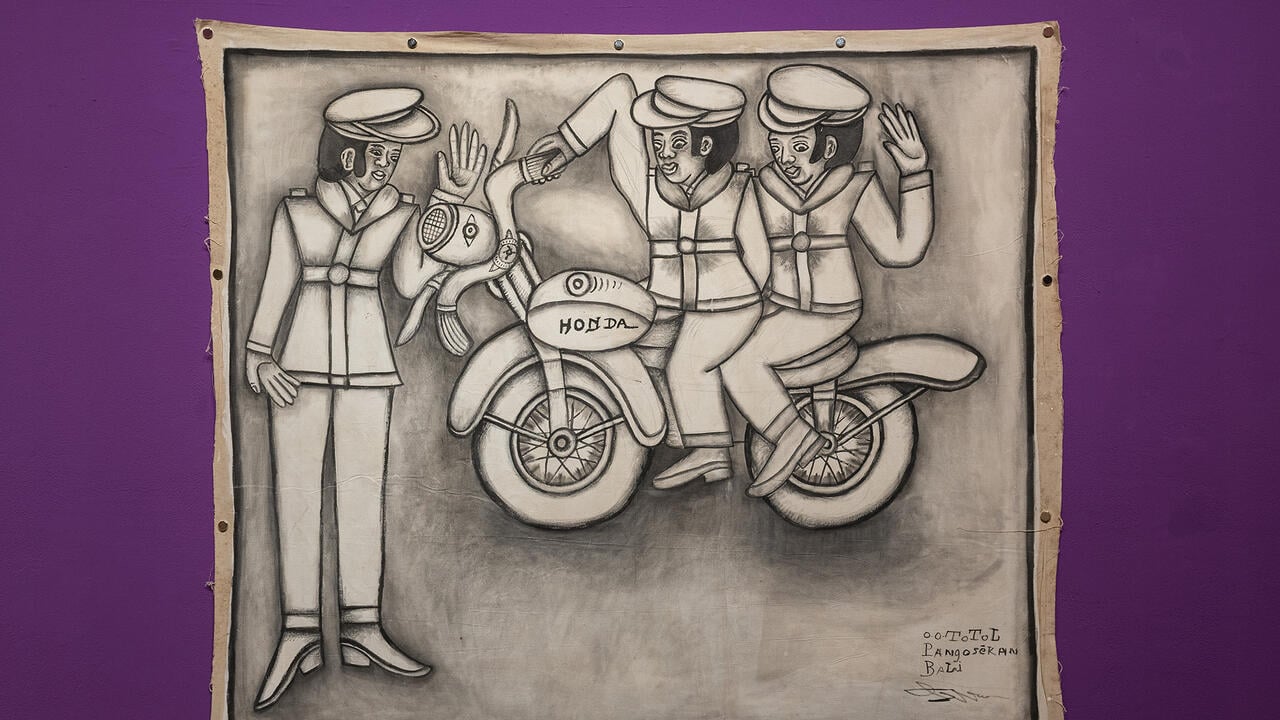
What Oototol’s Art Reveals about Indonesian History

Tara Anne Dalbow explores the emerging trend of 'one-work exhibitions,' where galleries and museums dedicate an entire show to a single masterpiece. This format encourages 'slow looking,' a meditative practice that prioritizes deep engagement and spatial experience over the rapid-fire consumption of images typical of the digital age.

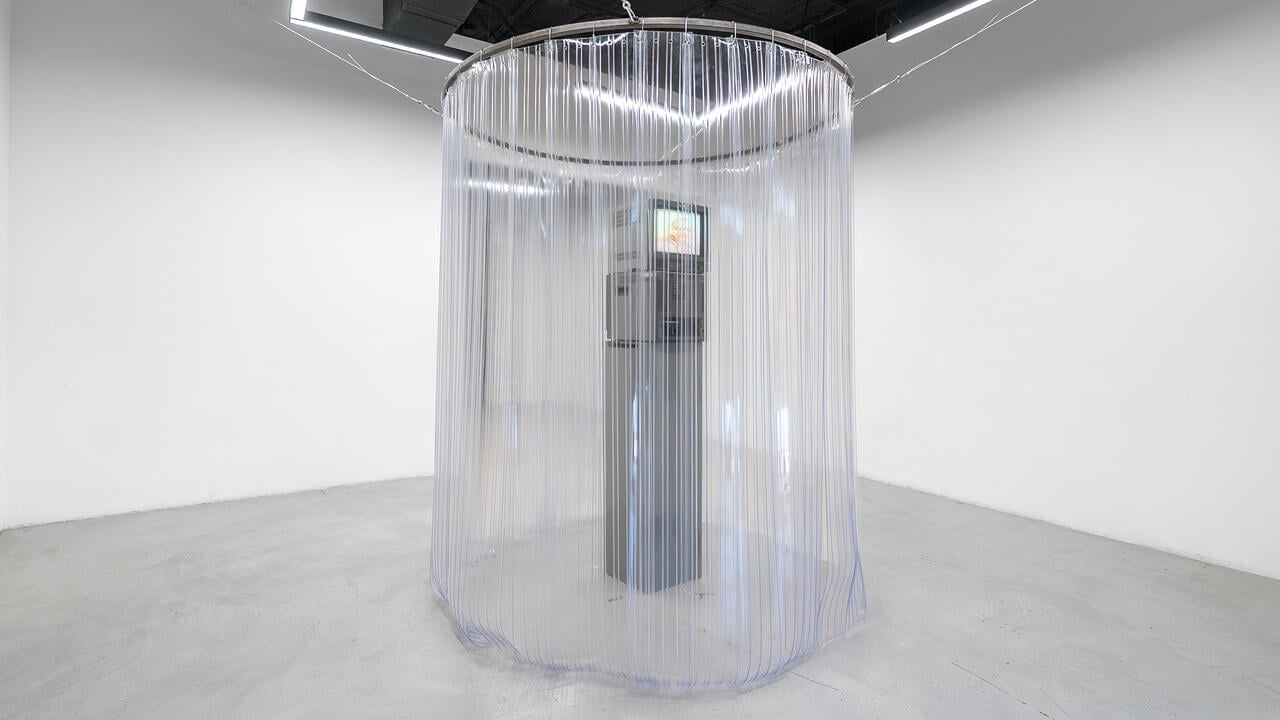
Can Video Art Rewire South Korea’s Global Image?

The rise of the 'one-work exhibition' is transforming the traditional museum experience by focusing an entire show on a single object. These minimalist presentations prioritize 'slow looking' and spatial immersion, forcing viewers to engage deeply with a lone masterpiece rather than scanning through a crowded gallery of multiple works.