
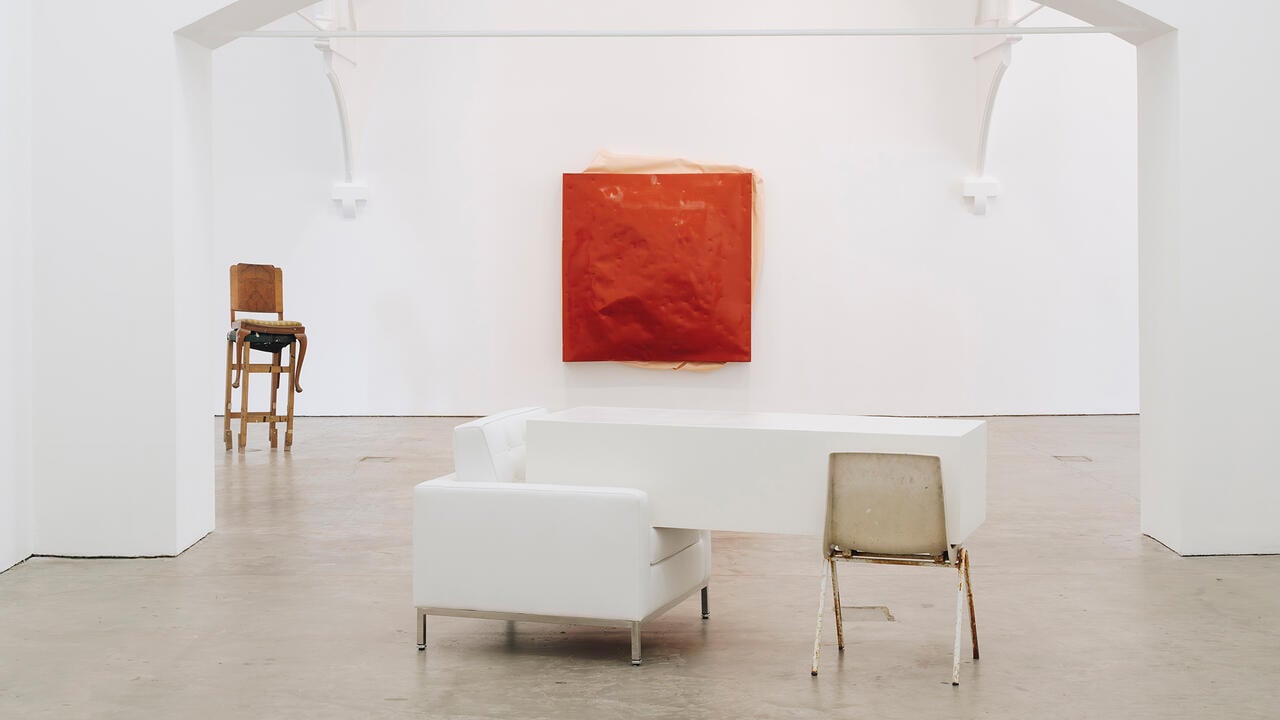
The art world is witnessing a significant shift toward the 'one-work exhibition,' a format that rejects the traditional gallery model of high-volume displays in favor of singular, immersive encounters. By isolating a single masterpiece or installation, institutions are encouraging 'slow looking' and recasting the act of viewing as a deliberate spatial experience. This trend serves as a direct response to the digital age's relentless pace and the overwhelming 'glut' of contemporary visual culture.
This movement matters because it signals a growing institutional desire to reclaim depth and nuance in an era of fragmented attention. By prioritizing quality of engagement over quantity of content, these exhibitions challenge the commercial pressures of the art market and the 'blockbuster' mentality of museums. They offer a meditative counter-model that re-centers the viewer's physical and psychological relationship with the art object, suggesting that the future of curation may lie in radical simplicity.