filter_list Showing 8 results for "swedish artist" close Clear
search
dashboard All 8 museum exhibitions 6article culture 1article news 1
date_range Range Today This Week This Month All
Subscribe

5 free must-see exhibitions to pick in Parisian galleries in May

5 expos gratuites coups de cœur à cueillir dans les galeries parisiennes en mai

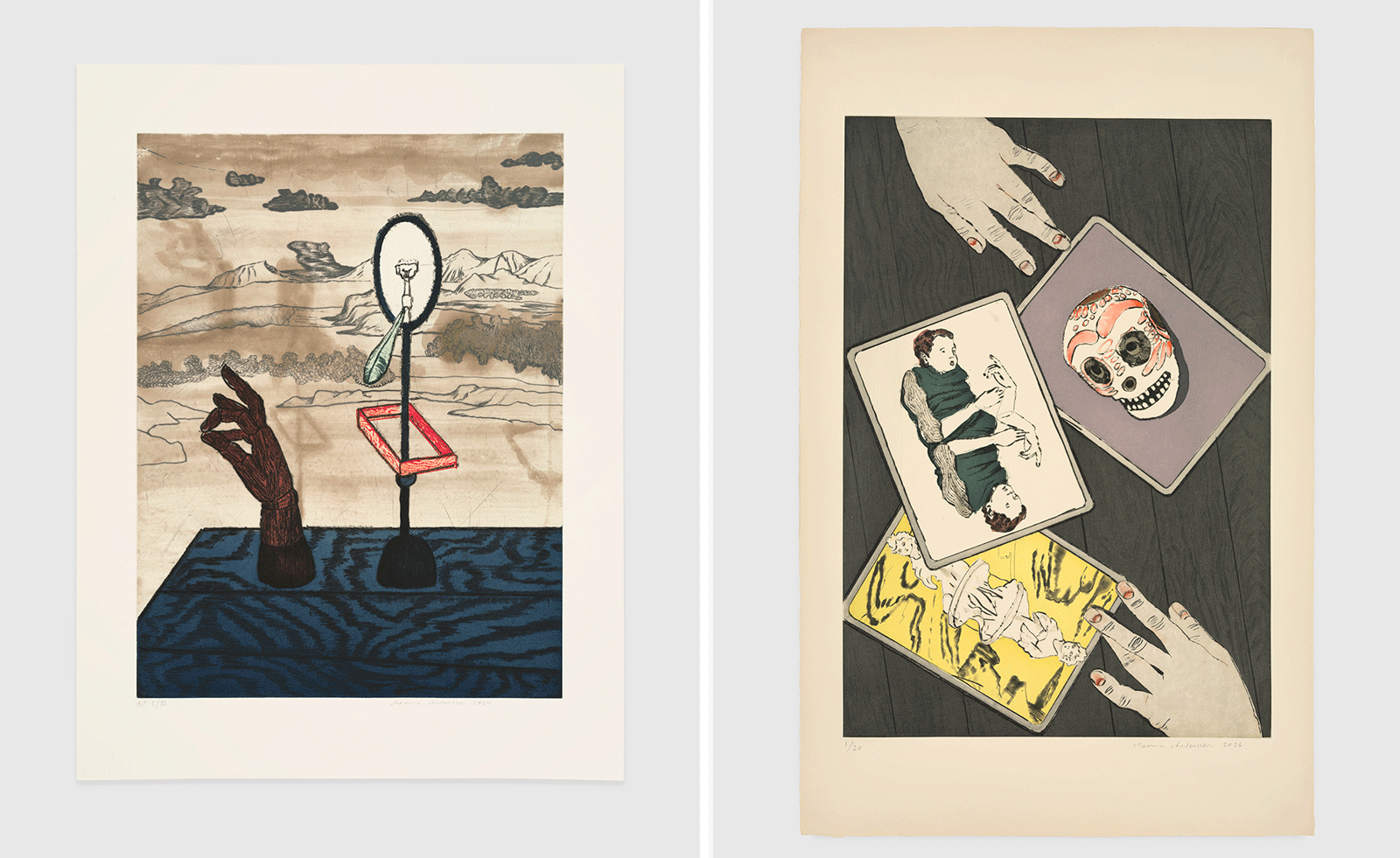
Beaux Arts Magazine highlights five free exhibitions to visit in Parisian galleries in May 2026. At Galerie Mayoral, a show explores Alexander Calder's ties to Paris, featuring gouaches and totems. Galerie Les Filles du Calvaire presents Michel Jocaille's first solo exhibition, "Lily of the Valley," which uses lily-of-the-valley motifs to evoke labor history and camp aesthetics. Galerie Anne-Laure Buffard hosts a poignant dialogue between Diane Esmond, a painter whose works were burned by the Nazis, and her granddaughter Adrianna Wallis, whose photographs reference looted objects. Galerie Templon exhibits Alioune Diagne's paintings inspired by Wolof traditions, and another gallery shows prints by Swedish artist Mamma Andersson.

The invisible worlds of Hilma af Klint, pioneer of abstraction, finally revealed at the Grand Palais

Les mondes invisibles d’Hilma af Klint, pionnière de l’abstraction, enfin révélés au Grand Palais

The article reveals the long-overlooked story of Hilma af Klint (1862–1944), the Swedish artist who created abstract paintings years before Kandinsky, Mondrian, and Malevich, yet kept her work secret until 20 years after her death. Her monumental output—1,600 abstract paintings and 124 notebooks—was first publicly shown in 1986 at the Los Angeles exhibition 'The Spiritual in Art, Abstract Painting, 1890–1985'. A 2019 retrospective at the Guggenheim Museum in New York drew 600,000 visitors, a museum record. Now, the Grand Palais in Paris presents the first-ever French exhibition of her work, focusing on her 'Paintings for the Temple' cycle (1906–1915), a series of 193 works that synthesize her spiritual quest.

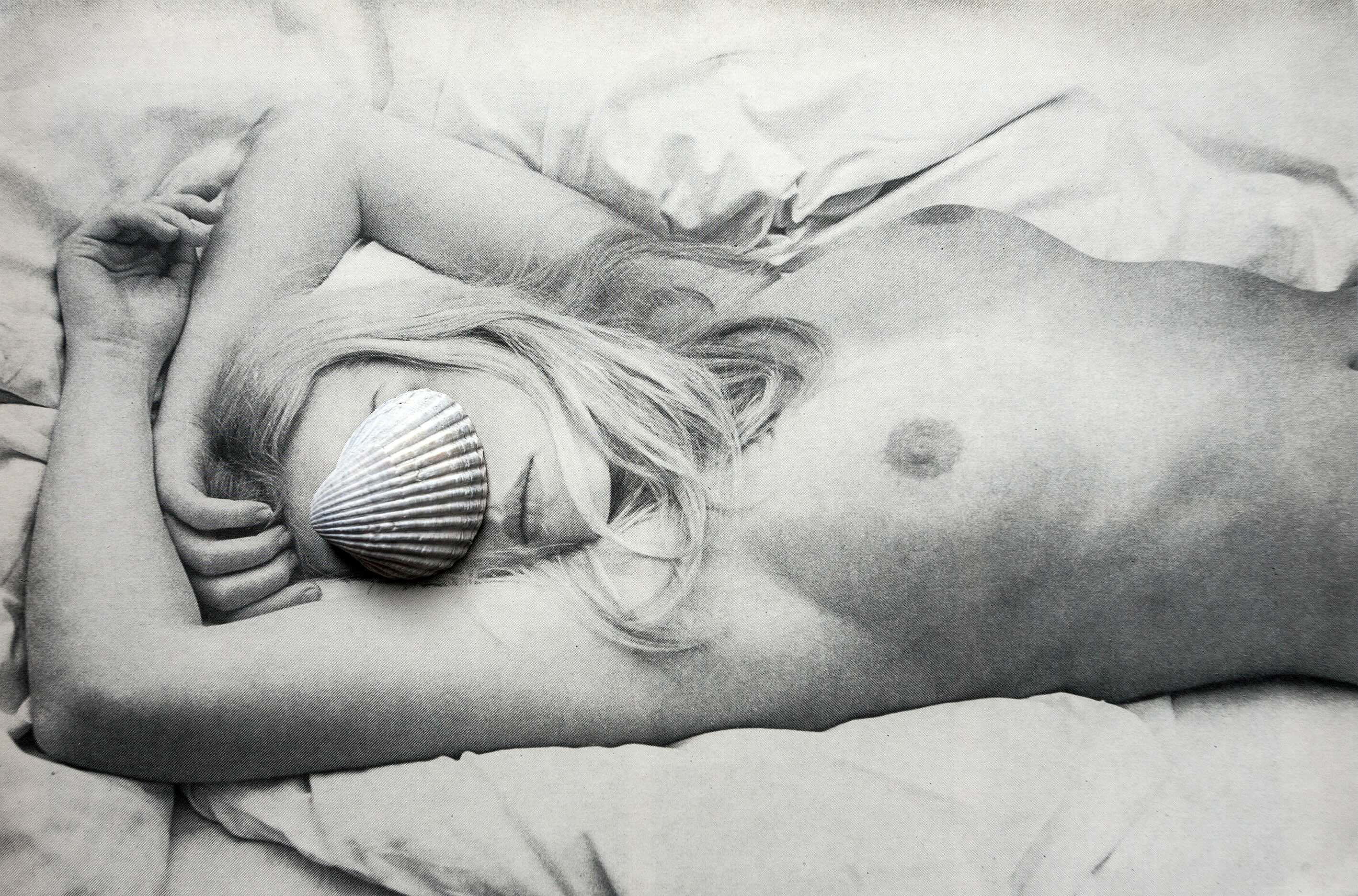
When Shells Become Weapons

Wenn Muscheln zu Waffen werden

Swedish artist Lotta Antonsson, born in 1963, presents her exhibition "I am Everything" at Fotografiska in Stockholm, featuring around 50 works that repurpose found black-and-white photographs from 1960s and 1970s fashion and lifestyle magazines. She overlays these images of women in objectifying poses with shells, stones, and crystals, creating assemblages that obscure faces or add threatening details like crystal vampire teeth on actresses Ali MacGraw and Jane Fonda. The show opened during the Stockholm Art Fair and draws on Antonsson's extensive archive, including East German erotic magazines sourced from Berlin flea markets.

At the Grand Palais, Hilma af Klint, a pioneer of abstraction

The article reports on an exhibition at the Grand Palais in Paris dedicated to Hilma af Klint, the Swedish artist recognized as a pioneer of abstract art. The show presents her visionary works, which predate those of better-known male abstractionists like Kandinsky and Mondrian.

In Paris, step inside Swedish artist Mamma Andersson's broken reality

Swedish artist Mamma Andersson is preparing for a new exhibition, 'Œuvres sur papier', at David Zwirner Paris, showcasing her works on paper including aquatint, etching, lithograph, and woodcut. The article visits her studio in Stockholm, where she discusses her creative process, recurring motifs like chairs, masks, and deer, and her collaborations with writer Karl Ove Knausgaard. The show also features vitrines with reference materials and books alongside original artworks.

Somali artists and culture workers express concern over Somalia Pavilion in Venice

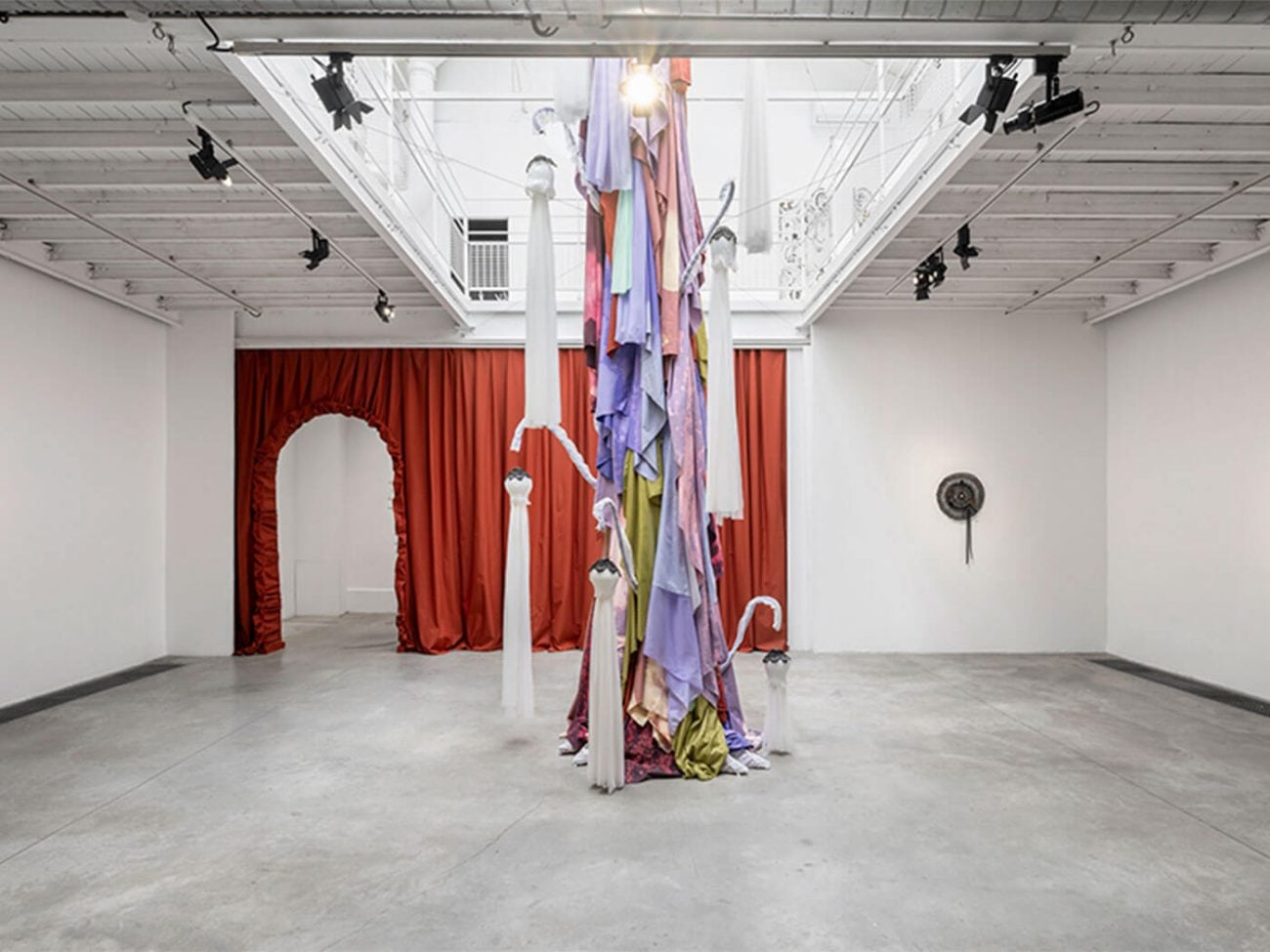
Somali artists, cultural workers, and organizations have published multiple open letters and statements expressing concern over the Somalia Pavilion at the Venice Biennale. The pavilion, announced in March for the 2026 edition, is titled 'SADDEXLEEY' and features Somali-Swedish artist Ayan Farah, Somali-Danish poet and filmmaker Asmaa Jama, and Somali-British writer Warsan Shire, curated by Stockholm-based Mohamed Mire and Italian project manager Fabio Scrivanti. Critics, including the Somali Arts Foundation and the queer collective Warbixinta Cidda, allege that the pavilion was organized without meaningful consultation of artists and organizations based in Somalia, and object to the appointment of an Italian co-curator given Italy's colonial history in Somalia. An anonymous open letter further alleges intimidation and coercive pressure against critics, and demands Scrivanti's removal, calling for a boycott if demands are not met.

Hilma af Klint en 2 minutes

Hilma af Klint (1862–1944) is profiled as a pioneering Swedish abstract artist who created a vast body of visionary, large-scale abstract paintings decades before Kandinsky, yet kept them secret during her lifetime. The article traces her life from a childhood steeped in science and nature, through her studies at the Royal Academy of Fine Arts in Stockholm, to her dual artistic practice: conventional landscapes and portraits for income, and radically abstract works guided by spiritualist séances and theosophical beliefs. She founded the group "The Five" with fellow female artists, and from 1906 onward produced the monumental series "Paintings for the Temple" (193 works), convinced she was channeling a higher force. She stipulated in her will that her abstract works not be revealed until 20 years after her death, and they were only rediscovered in the late 1960s.

On the Somalia Pavillion

At the 2026 Venice Biennale, Somalia has established its first-ever national pavilion, commissioned by the Somali government to showcase the richness of Somali culture through the theme of Saddaxleey, a triadic form of Somali poetry and proverbs. The pavilion features works by Somali Swedish artist Ayan Farah, UK-based Somali Danish multidisciplinary artist Asmaa Jama, and Somali British poet Warsan Shire. However, a collective of queer Somali artists, curators, and culture workers called Warbixinta Cidda has publicly criticized the pavilion for overrepresenting the diaspora, selecting an all-male advisory board, and appointing an Italian co-curator instead of Somali curators, raising concerns about representation and neocolonialism.