
filter_list Showing 2 results for "teio meedendorp" close Clear
dashboard All 2 article news 2
date_range Range Today This Week This Month All
Subscribe

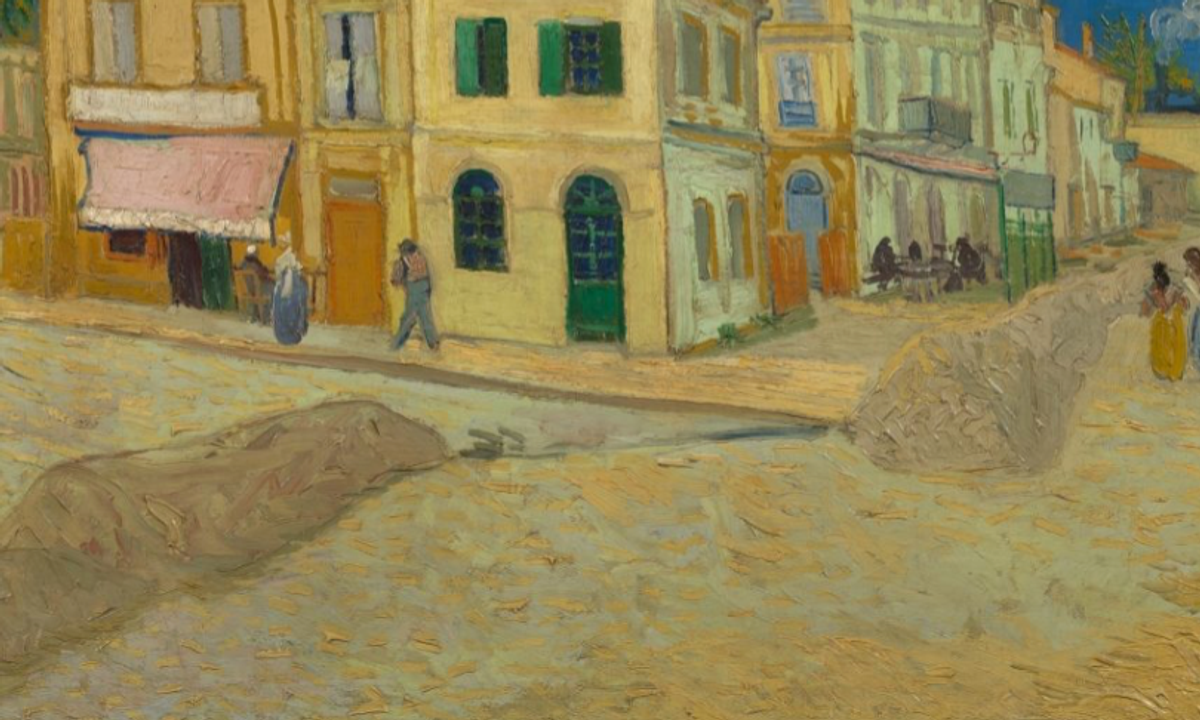
A manure mystery: why did Van Gogh depict heaps of sand in a painting of his beloved Yellow House?

A new study by Van Gogh Museum senior researcher Teio Meedendorp proposes that the mysterious piles of sand in Vincent van Gogh's 1888 painting "The Yellow House" are not, as previously thought, related to gas pipe installation, but rather cleansing sand used to absorb horse manure and urine on the streets of Arles. Meedendorp supports his theory with historical postcards from 1902 showing similar sand piles and street-cleaning practices, as well as municipal records indicating the city had outsourced dung removal in August 1888.

A manure mystery: why did Van Gogh depict heaps of sand in a painting of his beloved Yellow House?

A new study by Van Gogh Museum senior researcher Teio Meedendorp proposes that the mysterious piles of sand in Vincent van Gogh's painting *The Yellow House* (September 1888) are not, as previously thought, related to gas pipe installation, but rather cleansing sand used to absorb horse manure and urine on the streets of Arles. Meedendorp supports his theory with 1902 postcards showing similar sand piles and street-cleaning practices, and notes that the Arles municipal council had outsourced street cleaning in August 1888, just before the painting was made.