filter_list Showing 10 results for "the yellow house" close Clear
search
dashboard All 10 museum exhibitions 7article news 2rate_review review 1
date_range Range Today This Week This Month All
Subscribe

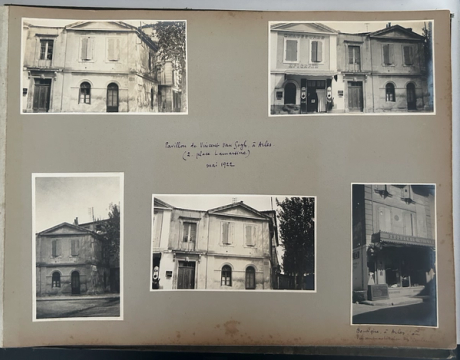
Rare early photographs reveal lost sites featured in Van Gogh’s paintings

Two rare photographic albums taken by art critic Gustave Coquiot in 1922 have been acquired by the newly established Van Gogh Academy in Auvers-sur-Oise, France, and are now on display. The images capture many of the sites in Arles that Vincent van Gogh painted in the late 1880s, including the Yellow House, the Langlois Bridge, and the Rhône riverbank. Several of these locations were later destroyed during World War II or by modernization, making Coquiot's photographs valuable historical records of Van Gogh's original subjects.

van gogh roulin portraits mfa boston

The Museum of Fine Arts Boston has opened "Van Gogh: The Roulin Family Portraits," the first exhibition dedicated to Vincent van Gogh's portraits of the Roulin family—the local postman Joseph Roulin, his wife Augustine, and their children. The show brings together 14 of Van Gogh's 26 depictions of the family, including loans from the Van Gogh Museum in Amsterdam, the Museum of Modern Art, the Metropolitan Museum of Art, the Philadelphia Museum of Art, the National Gallery of Art, and the Museum Boijmans Van Beuningen. The exhibition was inspired by a 2018 conversation between curators Nienke Bakker and Katie Hanson, who realized no show had ever focused on this working-class family that was so central to Van Gogh's portraiture.

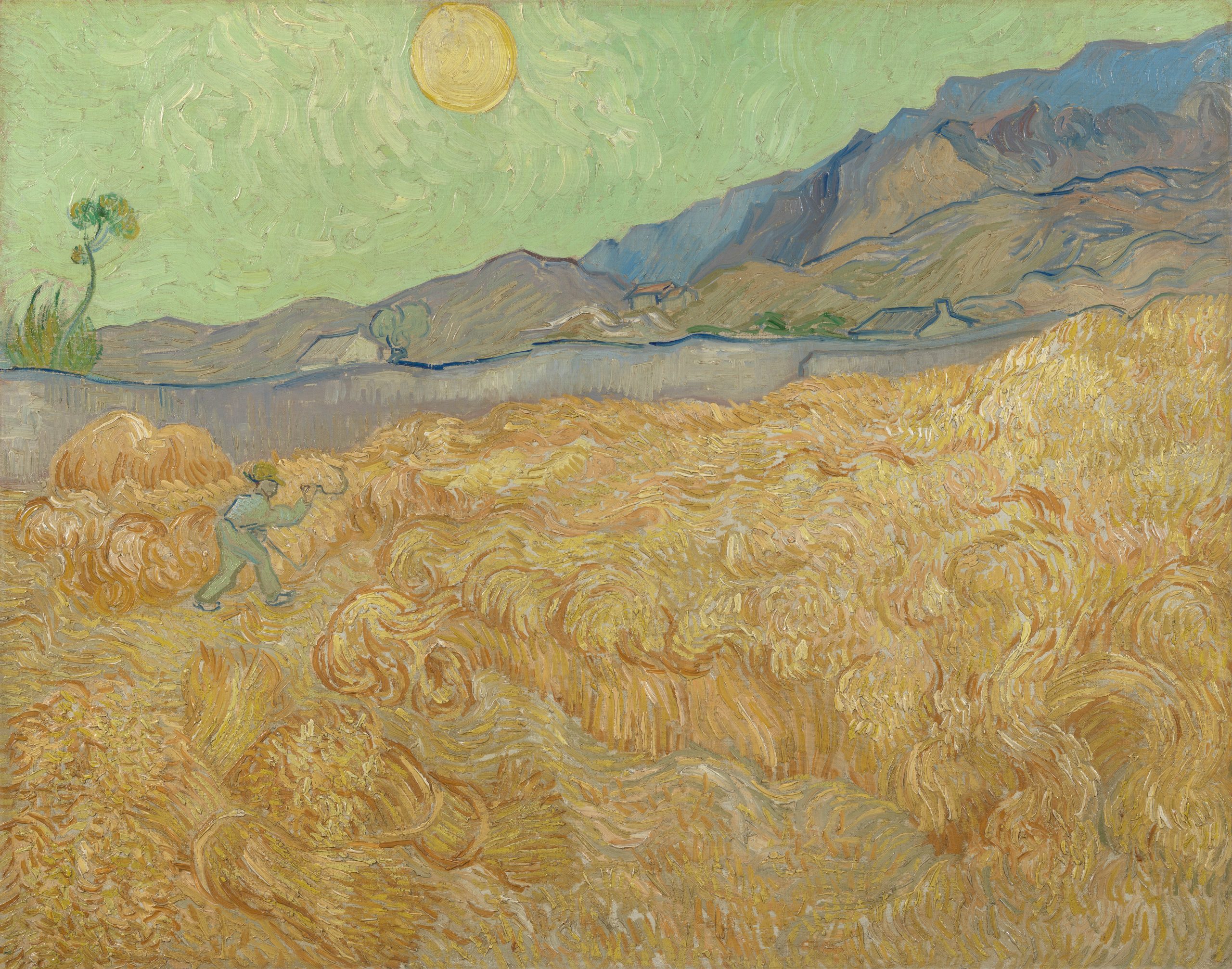
Van Gogh Museum Explores the Artist's Obsession with Yellow

van gogh yellow exhibition

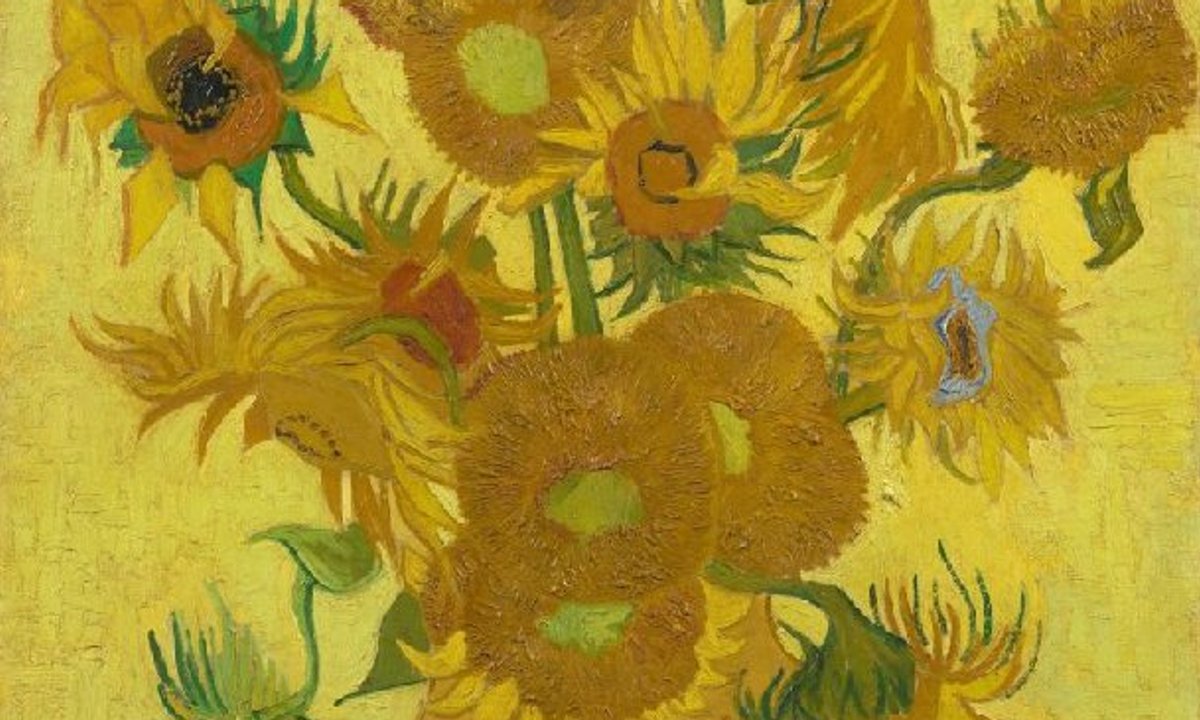
The Van Gogh Museum in Amsterdam has launched a major exhibition centered on Vincent van Gogh’s profound obsession with the color yellow. The show explores how the artist utilized the hue—from the 'pale sulfur' of his Arles landscapes to his iconic sunflowers and the famous Yellow House—as a symbol of life-giving sunshine and modernity. Beyond Van Gogh’s own masterpieces, the exhibition features works by 19th- and 20th-century masters like Wassily Kandinsky and Hilma af Klint, as well as a contemporary light installation by Olafur Eliasson.

van gogh yellow house museum

The Van Gogh Museum in Amsterdam has opened an exhibition titled "Van Gogh and the Roulins. Together Again at Last," which reunites 14 of Vincent van Gogh's 23 portraits of the Roulin family, painted during his 15-month stay in the Yellow House in Arles (1888–89). The show features a full-scale recreation of the Yellow House façade, the original chair used by postman Joseph Roulin during sittings, and costumed actors portraying family members. It traveled from the Museum of Fine Arts, Boston, where it drew 280,000 visitors, and includes four additional paintings not shown in Boston, on loan from institutions such as the Stedelijk Museum, Kröller-Müller Museum, Kunst Museum Winterthur, and Museum Folkwang.

Did Van Gogh’s Yellow House turn blue after his death?

New historical evidence suggests that Vincent van Gogh’s iconic 'Yellow House' in Arles underwent a dramatic color change before its destruction. While Van Gogh famously painted and cherished the building for its yellow facade in 1888, two recently highlighted paintings from the late 1930s by artists Willy Guggenheim (Varlin) and George Tomaziu depict the structure with a blue exterior. This discovery, brought to light by Ukrainian artist Yuri Pikul, indicates the building had been repainted while serving as a café-bar called the Civette Arlésienne.

Why yellow was Van Gogh's favourite colour

The Van Gogh Museum in Amsterdam has launched a new exhibition titled "Yellow: Beyond Van Gogh’s Colour," running until May 17. The show explores Vincent van Gogh’s profound obsession with the color yellow, featuring eight of his works alongside pieces by contemporaries like Paul Gauguin and Aubrey Beardsley. It highlights Van Gogh's technical use of chrome yellow pigments to capture the "high yellow note" of the Provencal sun and the symbolic association of the color with modernity and life-giving energy.

A manure mystery: why did Van Gogh depict heaps of sand in a painting of his beloved Yellow House?

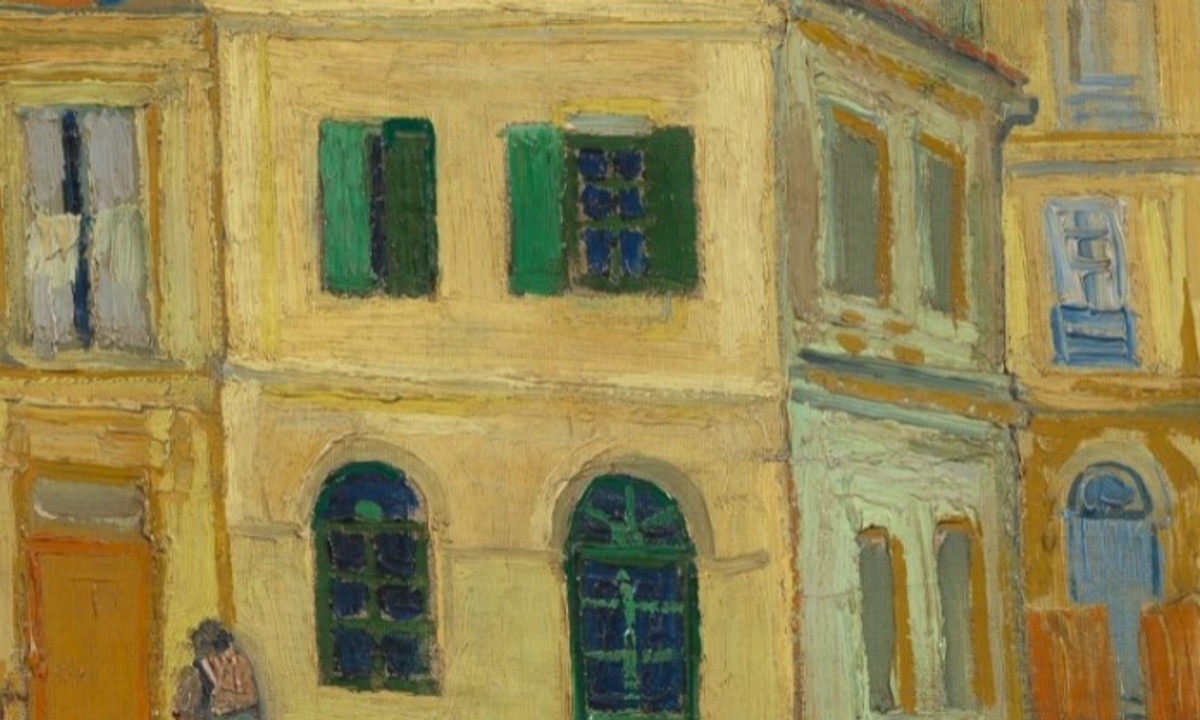
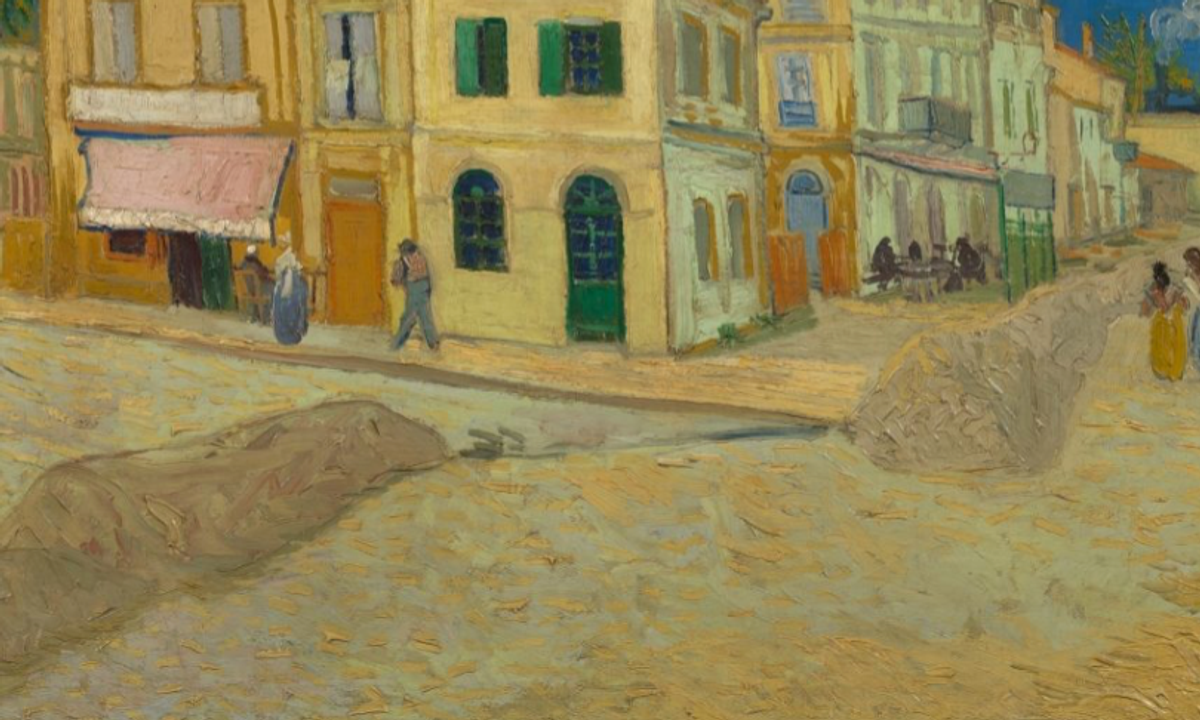
A new study by Van Gogh Museum senior researcher Teio Meedendorp proposes that the mysterious piles of sand in Vincent van Gogh's 1888 painting "The Yellow House" are not, as previously thought, related to gas pipe installation, but rather cleansing sand used to absorb horse manure and urine on the streets of Arles. Meedendorp supports his theory with historical postcards from 1902 showing similar sand piles and street-cleaning practices, as well as municipal records indicating the city had outsourced dung removal in August 1888.

Lovers to friends: the intimate story of Van Gogh's sister-in-law and the artist Isaac Israëls

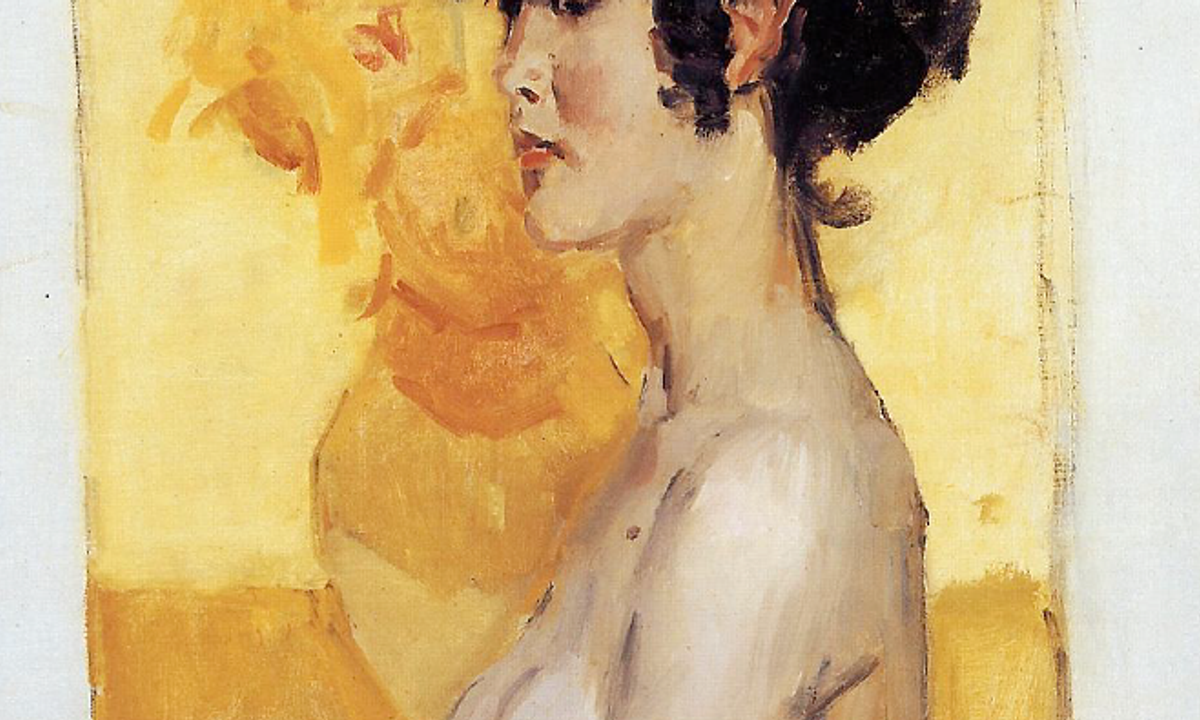
The Van Gogh Museum in Amsterdam has published 103 letters from Dutch Impressionist painter Isaac Israëls to Jo Bonger, Vincent van Gogh's sister-in-law, revealing a previously secret romantic relationship between them. The museum is also presenting an exhibition titled "Captivated by Vincent: The Intimate Friendship of Jo van Gogh-Bonger and Isaac Israëls" (through January 25, 2026), which explores their brief physical relationship in the 1890s and its aftermath, including how Israëls incorporated Van Gogh's paintings into his own portraits—a practice he called "Vincenting." Twelve of these portraits are on display for the first time.

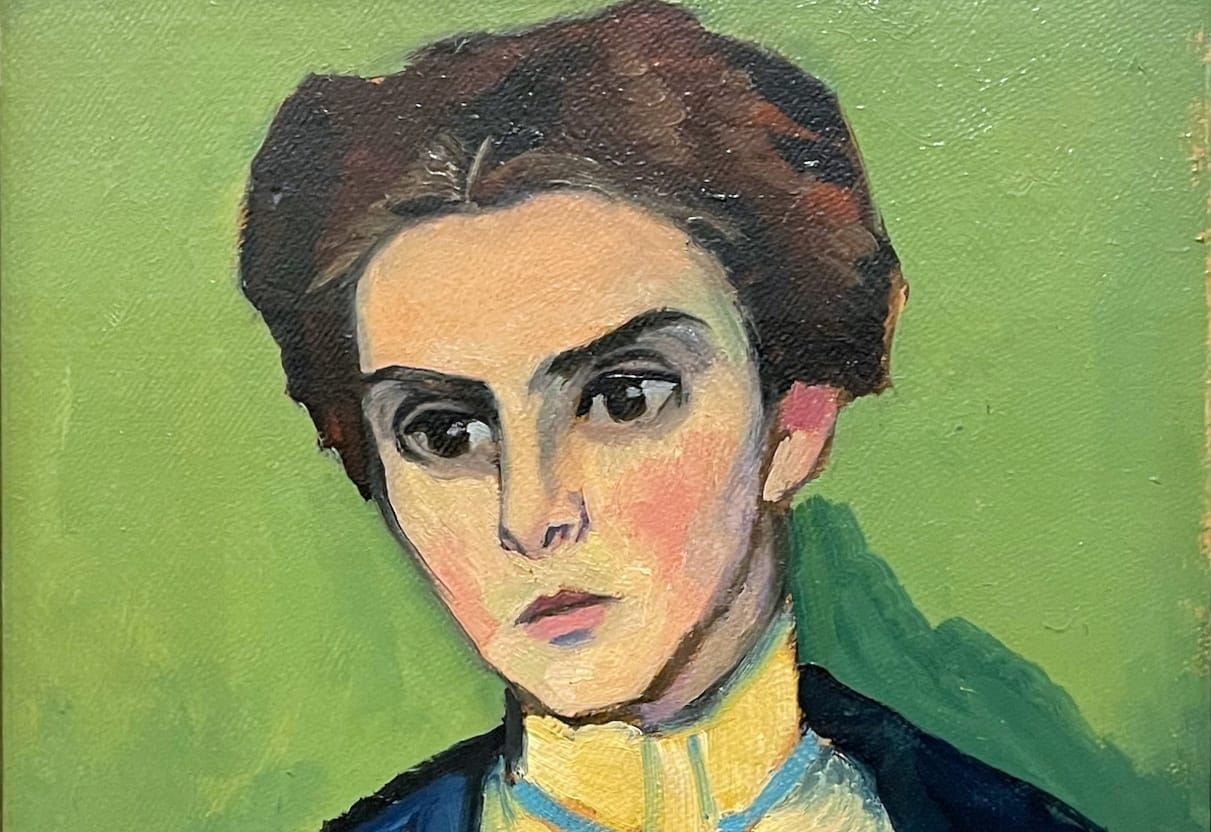
It’s Gabriele Münter’s World, We’re Just Living in It

The Solomon R. Guggenheim Museum is hosting "Contours of a World," a retrospective dedicated to Gabriele Münter, a co-founder of the Blue Rider group. The exhibition moves beyond the shadow of her long-time partner Wassily Kandinsky, showcasing her distinct approach to German Expressionism through photography, intimate domestic scenes, and vibrant landscapes. Unlike her contemporaries who leaned toward total abstraction, Münter utilized bold outlines and layered compositions to create a dynamic, phenomenological experience of seeing.

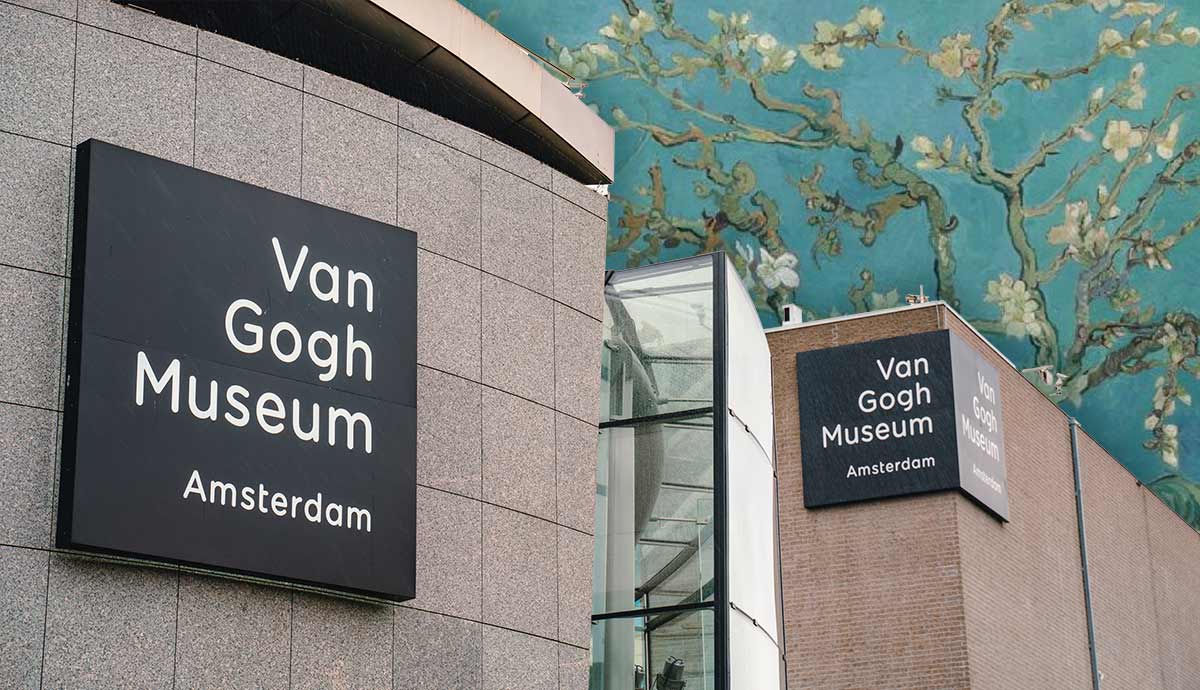
The Colorful History of the Van Gogh Museum and the Highlights You Must Not Miss

The article traces the history of the Van Gogh Museum in Amsterdam, from its origins in the efforts of Johanna van Gogh-Bonger—who preserved Vincent van Gogh's works after his death—to its official opening in 1973 by Queen Juliana. It describes the museum's location on Museum Square, its two-part building designed by Gerrit Rietveld and Kisho Kurokawa, and its role as a major tourist attraction that drew nearly two million visitors in 2024.