filter_list Showing 5 results for "turner bequest" close Clear
dashboard All 5 article news 4article culture 1
date_range Range Today This Week This Month All
Subscribe

J.M.W. Turner’s Most Famous Self-Portrait Might Not Actually Be by the Artist at All

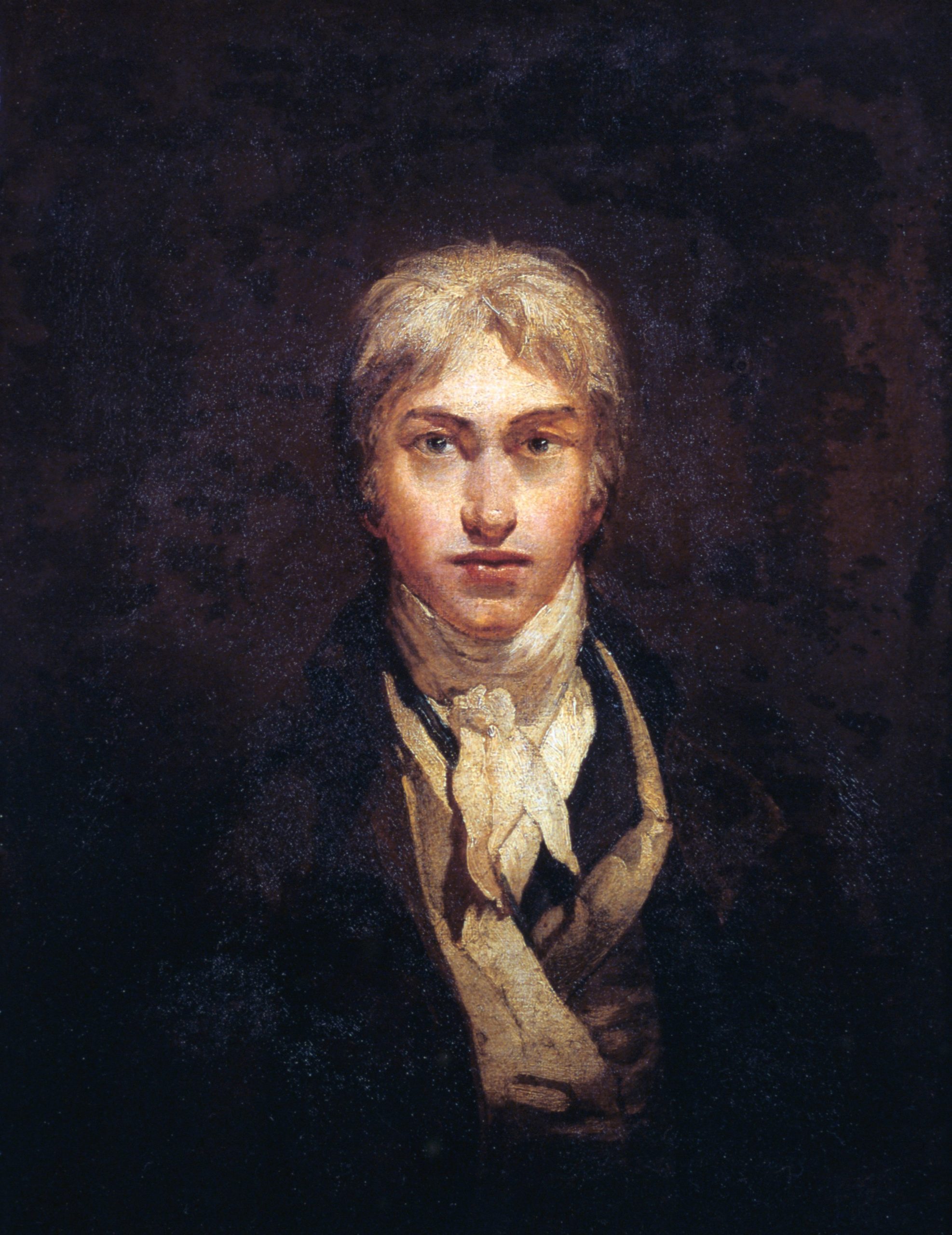
Art historian James Hamilton has publicly claimed that J.M.W. Turner's most famous self-portrait, which appears on the £20 note, is actually by the painter John Opie. Hamilton, who used the portrait on the cover of his 1997 biography of Turner, argues that the work was misattributed when it entered the Turner Bequest—the vast collection of paintings and works on paper Turner left to the nation after his death in 1851. He points to stylistic evidence, noting Opie's signature technique of "light emerging dramatically from dark," and has published his research in Turner Society News, calling on the Tate to reattribute the painting.

Hungary’s New Minister of Culture Vows to Restore Artistic Freedom, Turner’s Famous ‘Self-Portrait’ Called Into Doubt, and More: Morning Links for May 14, 2026

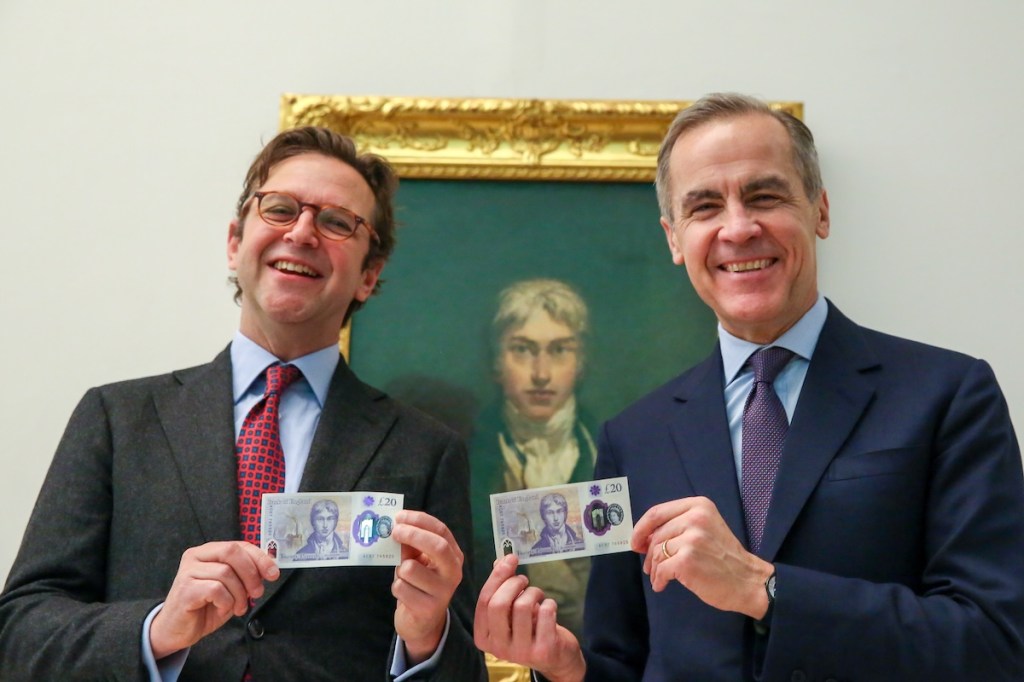
An expert claims that the iconic self-portrait of J.M.W. Turner, which hangs in Tate Britain and appears on British £20 notes, was not actually painted by Turner. James Hamilton, a Turner scholar, argues the work was misattributed when it entered the Turner Bequest and may instead be by Turner contemporary John Opie. Meanwhile, Hungary’s new Minister of Culture, Zoltán Tarr, vows to restore artistic freedom and dismantle political control over cultural institutions following the election of Prime Minister Peter Magyar. The Trump administration is proceeding with construction of a contested Triumphal Arch and a White House ballroom, and a former Louvre employee has been charged in a ticket fraud scandal.

who was j m w turner why so important british artist 1234745218

This article profiles British painter Joseph Mallord William Turner (1775–1851), detailing his rise from a barber's son to one of Britain's most famous artists. It covers his early training at the Royal Academy Schools, his mastery of watercolor and oil, and his prolific output of over 500 oil paintings and thousands of works on paper. Key works discussed include *Jedburgh Abbey* (c. 1832), *Fishermen at Sea* (1796), and *The Battle of Trafalgar* (1822), the latter of which sparked controversy for historical inaccuracies. The piece notes that for his 250th birthday, international institutions are celebrating his legacy.

Is This a JMW Turner Self-Portrait? One Scholar Has Doubts

Art historian James Hamilton has published a paper in the JMW Turner Society’s magazine arguing that a famous portrait long believed to be a self-portrait by JMW Turner was actually painted by John Opie, a British portrait artist 14 years Turner’s senior. Hamilton notes that the work is an anomaly in Turner’s oeuvre, which is dominated by landscapes and seascapes, and that its dramatic lighting closely resembles Opie’s style. He suggests Opie may have given the painting to Turner, and that its authorship became misattributed after Turner’s death when his vast bequest of artworks was transferred to the nation and eventually housed at the Tate.

Most famous image of JMW Turner not a self-portrait, says expert

Dr James Hamilton, a leading Turner expert, has claimed that the most famous portrait of JMW Turner—long believed to be a self-portrait and featured on the UK £20 banknote—is actually by the painter John Opie. Hamilton argues that the work, dated around 1799, was mistakenly included in the Turner Bequest after the artist's death in 1851, when his studio was in disarray and the attribution was never properly verified. He points to stylistic evidence, including Opie's characteristic use of dramatic light and shadow, and calls on Tate Britain to reattribute the painting.