filter_list Showing 73 results for "venice biennale" close Clear
dashboard All 73 museum exhibitions 36article news 16article policy 11person people 5candle obituary 1rate_review review 1article event 1article culture 1trending_up market 1
date_range Range Today This Week This Month All
Subscribe

I Have Always Been Drawn to the Despised

"Ich habe mich schon immer zum Verachteten hingezogen gefühlt"

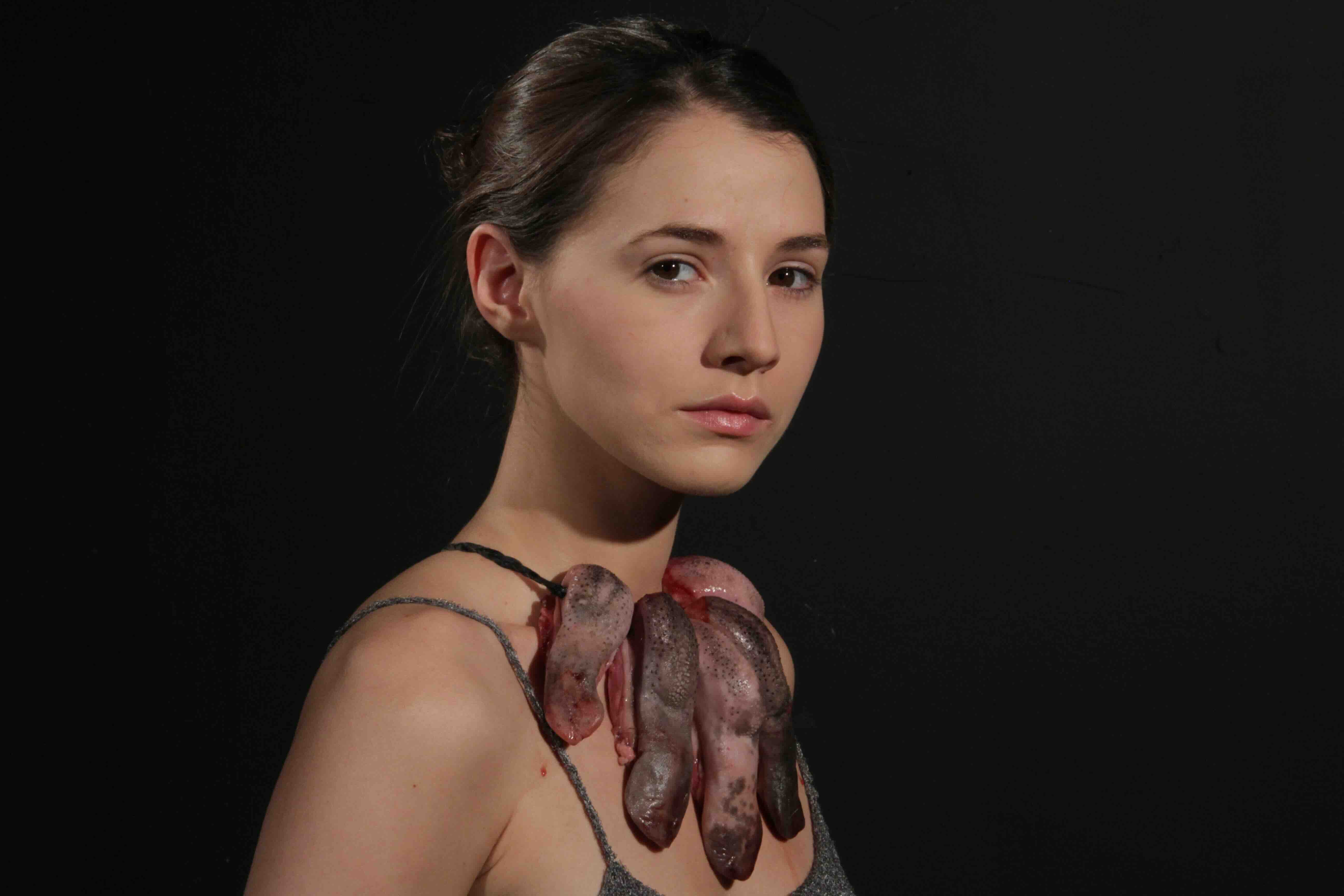
Irish artist Alice Maher discusses her ongoing exploration of patriarchal structures, mythology, and the symbolic power of female hair in her practice. Her current work focuses on large-scale drawings of Sibyls—ancient female prophets—whose excessive hair serves as a metaphor for identity, power, and the 'monstrous feminine.' Maher reflects on her career-long engagement with Irish history, from collecting hair during the Troubles to her collaborative textile masterpiece, "The Map," which reclaims the legacy of Mary Magdalene from Catholic institutional narratives.
Finland Pulls Back Venice Biennale Presence Over Return of Russian Pavilion

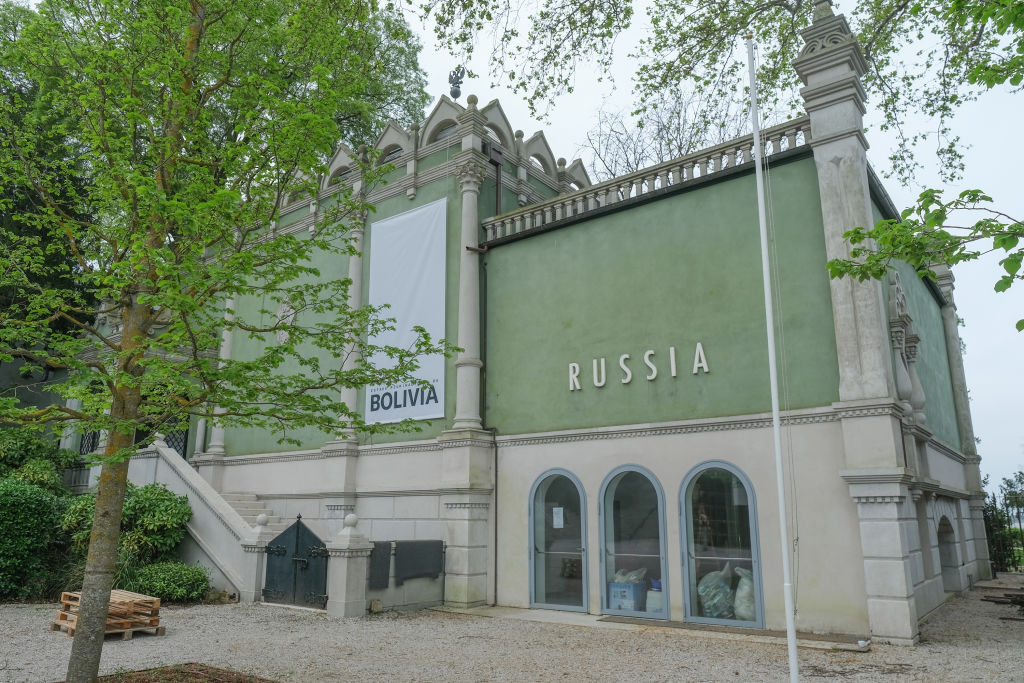
Finland’s political leadership has announced it will boycott the Venice Biennale if the Russian Pavilion proceeds with its planned exhibition. While Finnish public officials will still attend to support their own national artists, the Ministry of Education and Culture stated that Russia should be excluded as long as the war in Ukraine continues. This move follows an open letter from 22 European nations and a warning from the European Commission regarding potential sanctions violations.

Faig Ahmed on Representing Azerbaijan at the 61st Venice Biennale

Artist Faig Ahmed will represent Azerbaijan at the 61st Venice Biennale in 2026 with a project exploring the intersections of mystical poetry and quantum physics. Located in the Campo de la Tana, the pavilion aims to create a contemplative space where technology and ancient oral traditions facilitate a personal dialogue for the viewer. Ahmed’s presentation responds to the Biennale’s overarching theme, 'In Minor Keys,' by focusing on subtle, often overlooked phenomena.

Kazakhstan Presents “Qoñyr: Archive of Silence” at Venice Biennale

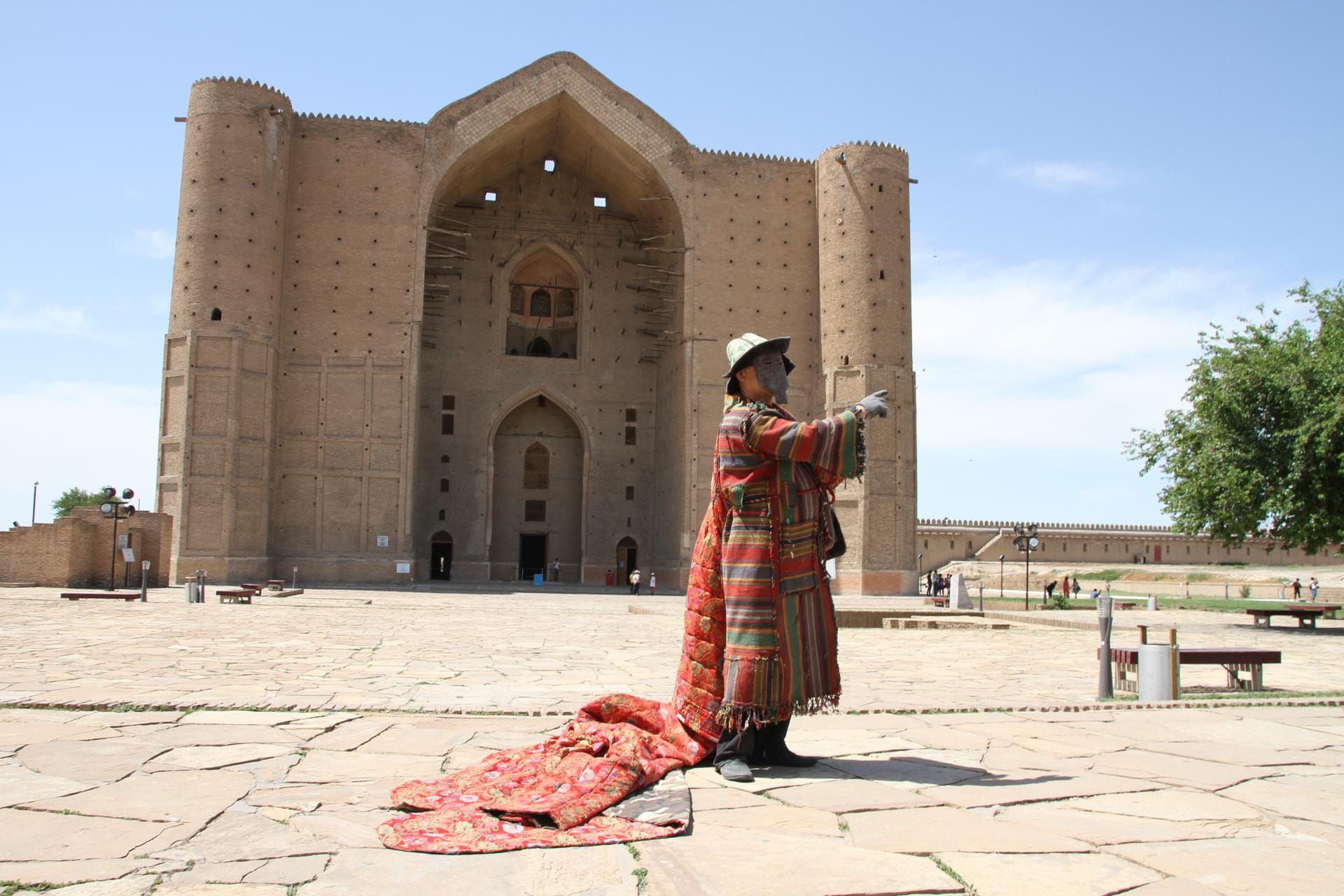
Kazakhstan has unveiled details for its national pavilion at the 61st Venice Biennale, titled “Qoñyr: Archive of Silence.” Curated by Syrlybek Bekbota, the exhibition features nine artists including Smail Bayaliyev, Asel Kadyrkhanova, and Ardak Mukanova, and will be hosted at the Museo Storico Navale. The presentation utilizes the Kazakh concept of "Qoñyr"—a term encompassing specific colors, sounds, and scents—to explore themes of Soviet domesticity, nuclear trauma, and cultural heritage through sound installations, video, and archival assemblages.

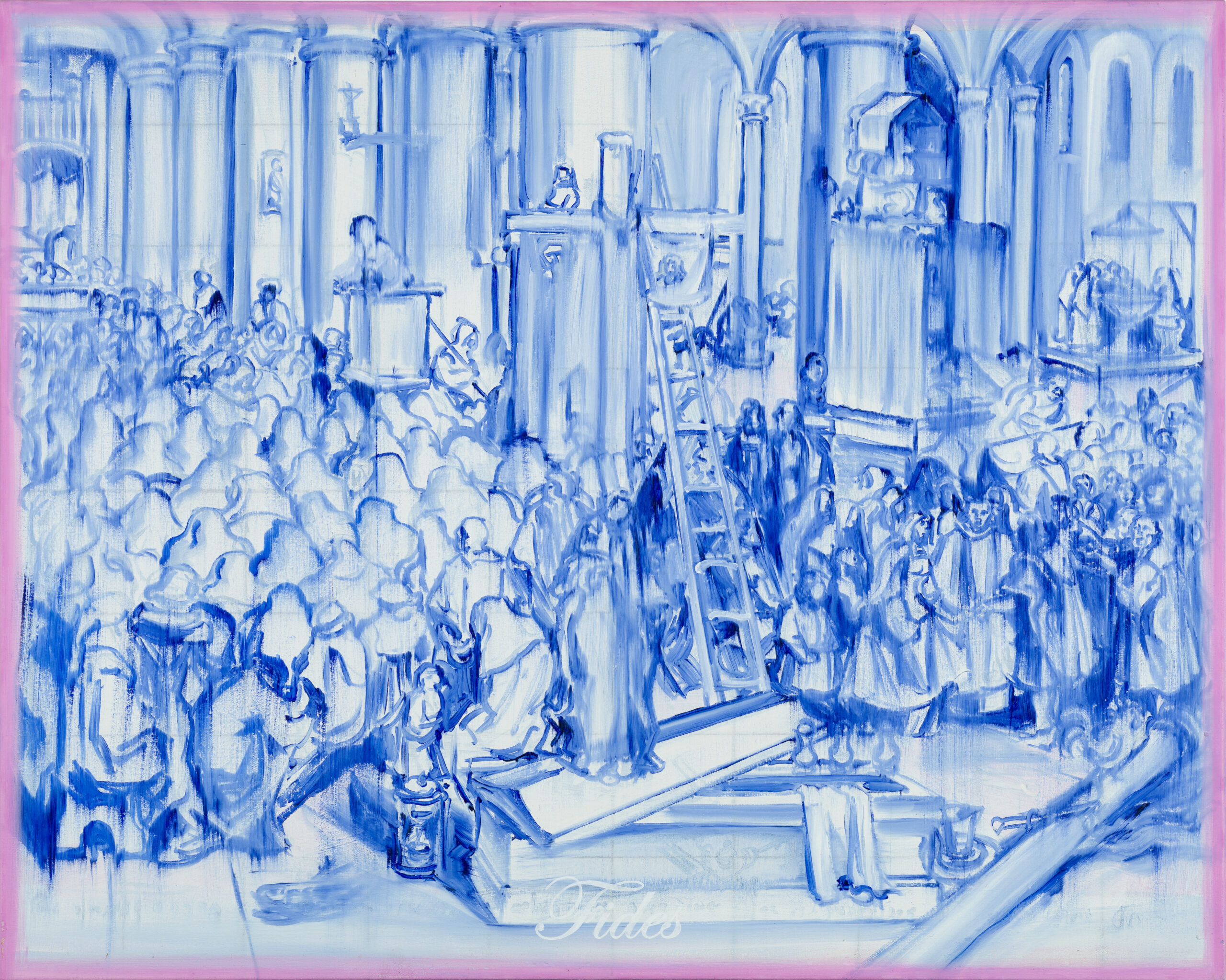
Johannes Phokela: Exploring Virtue, Contradiction, and Power at the Venice Biennale 2026.

South African artist Johannes Phokela is set to showcase a significant body of work at the 2026 Venice Biennale, building on his recent series 'The Seven Virtues' and 'Original Sin'. Curated under a vision initiated by the late Koyo Kouoh and supported by Eclectica Contemporary, Phokela’s paintings subvert the aesthetics of European Old Master traditions. His works, including 'Fides' and 'Temperantia', utilize Baroque visual languages to critique constructed morality, institutional power, and the performance of virtue.

Minor Keys, Major Shifts: Sierra Leone’s Resonant Debut in Venice.

Sierra Leone has made its inaugural appearance at the 61st Venice Biennale with a pavilion titled 'Worlds of Today' located at the Liceo Guggenheim. Curated with a focus on "minor keys" rather than grand spectacles, the exhibition features Sierra Leonean artists Hawa-Jane Bangura, Ayesha Feisal, Hickmatu Bintu Leigh, and Abu Bakarr Mansaray alongside practitioners from other ECOWAS nations. The pavilion functions as a sensorial, porous space that prioritizes communal resilience and spiritual epistemologies over the commodification of identity.

‘Washwasha’ (Whispers Across Water): Sonic Cartographies of the UAE at the Venice Biennale.

The National Pavilion UAE has announced its upcoming exhibition for the 61st Venice Biennale in 2026, titled ‘Washwasha’ (Whispers Across Water). Curated by Bana Kattan with assistant curator Tala Nassar, the presentation features six artists: Mays Albaik, Jawad Al Malhi, Farah Al Qasimi, Alaa Edris, Lamya Gargash, and Taus Makhacheva. The exhibition moves away from traditional visual spectacle to focus on sound, oral traditions, and 'sonic cartographies' that explore memory, migration, and the fluid identity of the UAE through an architectural environment designed by Büro Koray Duman Architects.

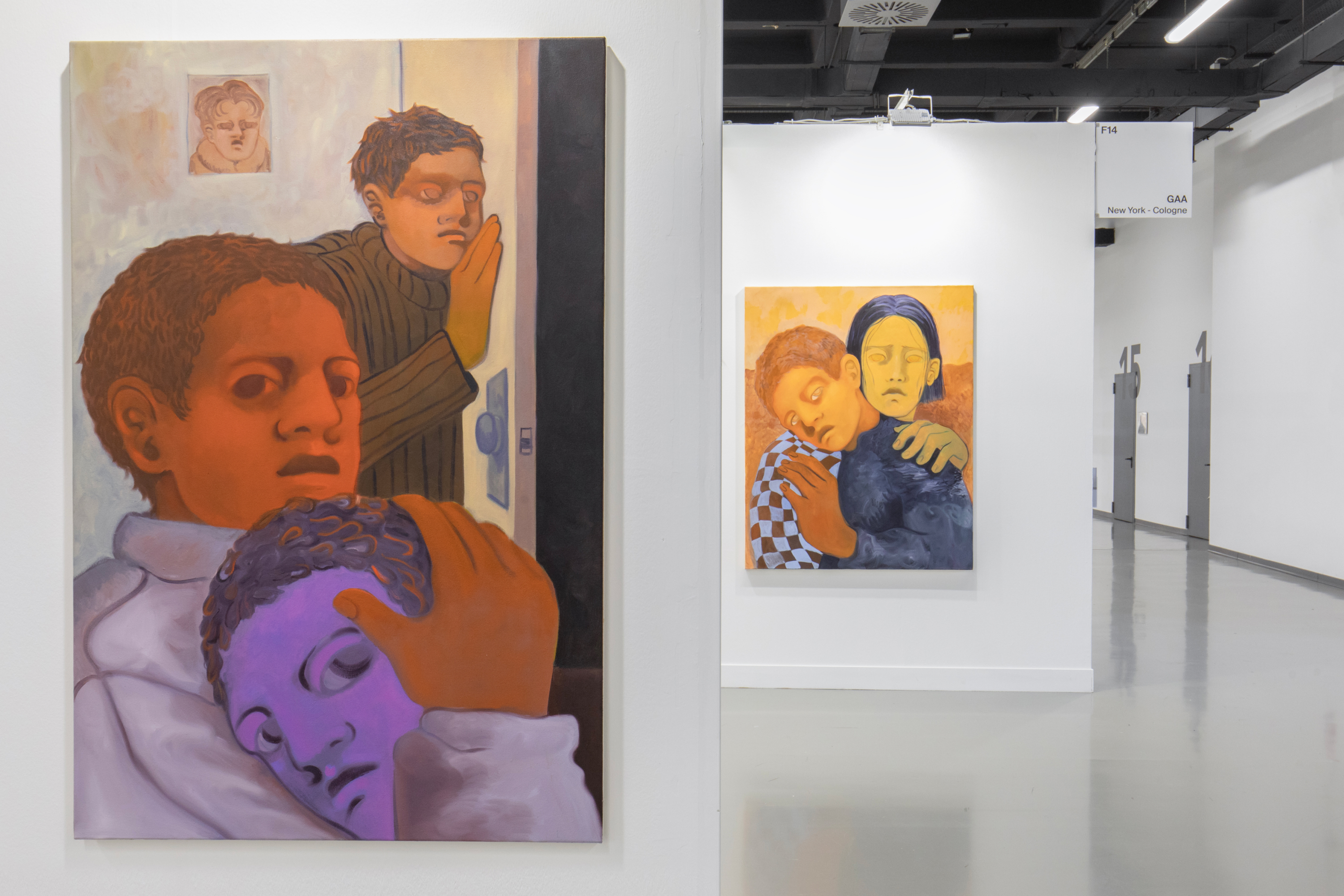
The 5 Best Booths at miart 2026

The 30th edition of miart opened its doors at the Allianz MiCo convention center in Milan, marking a significant milestone for Italy’s premier international modern and contemporary art fair. As the city continues its ascent as a global art capital, the 2026 fair attracted a diverse continental crowd of collectors and professionals ahead of the upcoming Venice Biennale.

Venice Biennale jury excludes Russia and Israel from artist awards as EU threatens funding cut

The Venice Biennale jury has excluded Russia and Israel from eligibility for artist awards, following the EU's threat to cut funding over geopolitical concerns. The decision bars artists from these countries from being considered for official prizes at the prestigious international art exhibition.

Hyperallergic’s Guide to the 2026 Venice Biennale

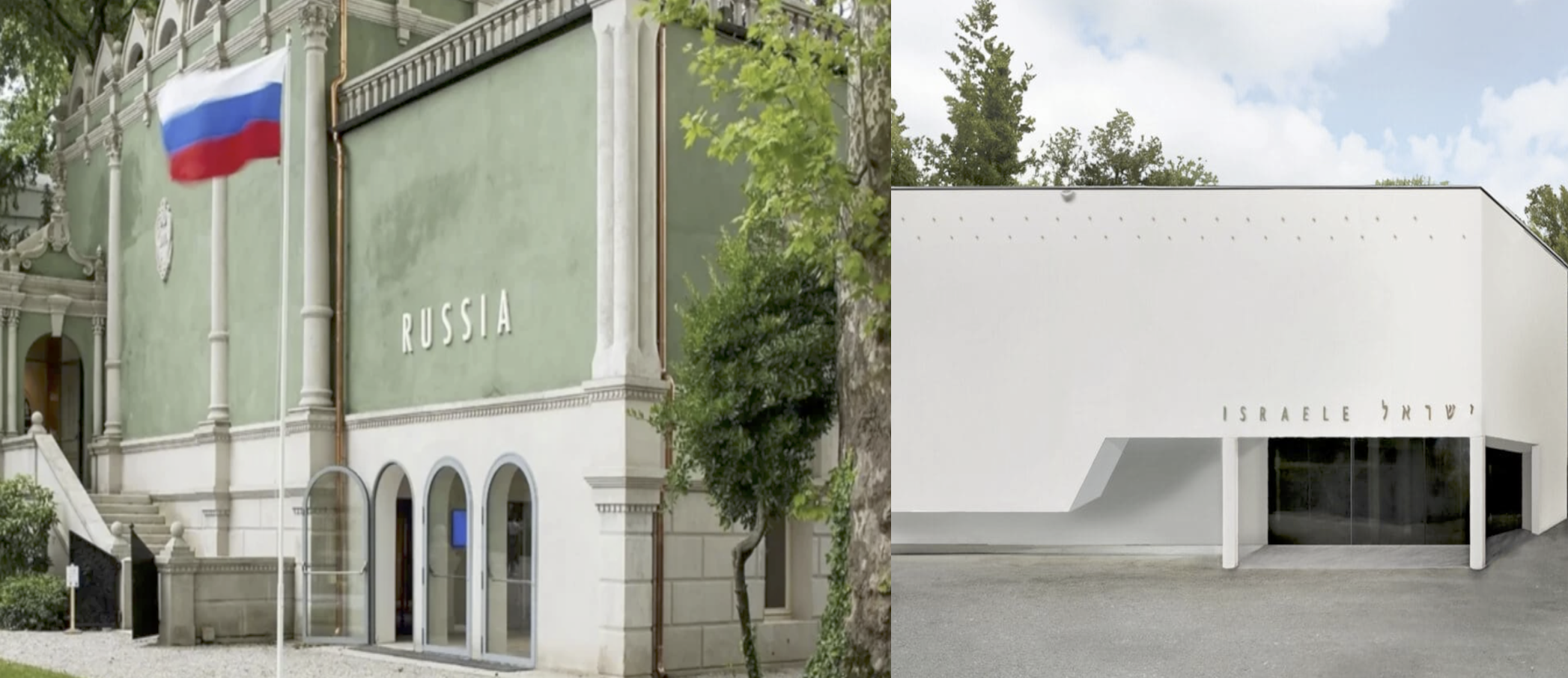
Hyperallergic has published its guide to the 2026 Venice Biennale, detailing what to see and do at this year's edition. The guide covers the three main categories of the Biennale—the Giardini with 29 permanent national pavilions, the Arsenale with temporary rented spaces, and collateral events across the city. Key developments include the return of Russia to its permanent Giardini pavilion and Israel's participation with a new contractual stipulation preventing its artist from closing the pavilion, after Ruth Patir's protest in 2024. South Africa withdrew following the cancellation of Gabrielle Goliath's video installation 'Elegy,' which mourns victims of Israel's genocide in Gaza and will now be shown at a historic church. The United States will be represented by Alma Allen after Barbara Chase-Riboud stepped down, and Qatar is set to become the first country in decades to build a new pavilion in the Giardini.

What Is the Venice Biennale? Everything You Need to Know

The Venice Biennale returns for its 61st edition, running from May 9 to November 22, 2026. The event, often called the Olympics of the art world, comprises a central exhibition curated by an artistic director, national pavilions from dozens of countries, and officially approved Collateral Events. This year's edition was to be curated by Koyo Kouoh, a celebrated Cameroonian-born curator, but she died at 57 in May 2025 before announcing the title and theme, “In Minor Keys.” The Biennale organization has moved forward with a team of five curatorial advisers executing her vision. The event is overseen by president Pietrangelo Buttafuoco and is expected to draw over 800,000 visitors.

Russia and Israel cannot win any prizes at the next Venice Art Biennale 2026. The jury takes a stand

Russia e Israele non potranno vincere nessun premio alla prossima Biennale Arte di Venezia 2026. La giuria prende posizione

The international jury for the 61st Venice Biennale, led by Solange Farkas, has unanimously declared it will not consider countries whose leaders are currently accused of crimes against humanity by the International Criminal Court. This means Russia and Israel are excluded from competing for the Golden Lion awards, including Best National Participation and Best Artist. The jury's statement, published on e-Flux Notes, emphasizes the Biennale's historical role as a platform connecting art with contemporary urgencies and acknowledges the complex relationship between artistic practice and state representation.

Nations Charged With Crimes Against Humanity Will Not Be Considered for Venice Biennale Awards

The jury for the 2026 Venice Biennale announced it will not consider contributions from countries whose leaders are charged with crimes against humanity for the Golden and Silver Lion awards, effectively excluding Israel and Russia. The decision, framed as a commitment to human rights and aligned with curator Koyo Kouoh's vision, comes amid broader controversy over participating pavilions, including American artists declining to represent the US and the EU withdrawing a $2.3 million grant over Russia's involvement.

Apre a Venezia una nuova fondazione per l’arte. Il progetto dell’artista curdo Ahmet Güneştekin a Palazzo Gradenigo

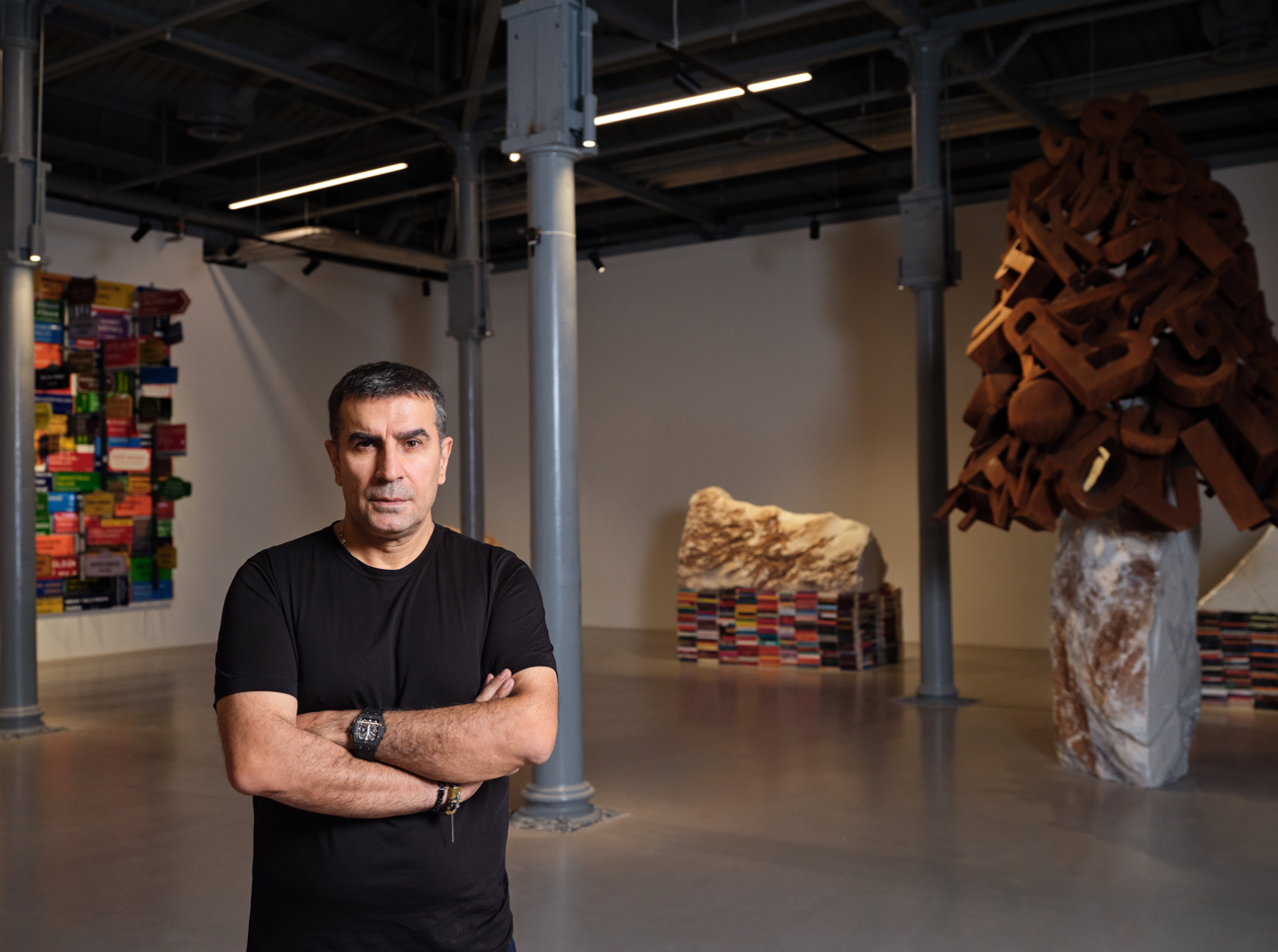
Kurdish artist Ahmet Güneştekin has opened a new foundation in Venice at Palazzo Gradenigo, a 16th-century building in the Castello district. The foundation's inaugural exhibition, titled "Sessizlik/Silenzio/Silence," will open on May 6 during the Venice Biennale. The show features 11 new bronze sculptures and 11 oil paintings. The palace, closed to the public for 17 years, was purchased by the artist and is undergoing a conservative restoration led by architects Alberto Torsello and Elisa Santoro, set to complete by late 2026. The foundation, entirely self-funded through sales of Güneştekin's works and royalties, aims to provide exhibition and training opportunities for young artists, especially from Turkey, in an international context.

Venice Biennale Awards Jury Won’t Consider Russia and Israel

The international awards jury for the 61st Venice Biennale has announced it will not consider countries whose leaders are charged with crimes against humanity by the International Criminal Court (ICC) for prizes. The all-women jury, chaired by Solange Farkas, published a statement on e-flux declaring this policy, which implicitly targets Russia and Israel, whose leaders Vladimir Putin and Benjamin Netanyahu face ICC warrants. The jury is responsible for awarding Golden Lions for the best national pavilion and best artist in the central exhibition. A majority of artists in the main show issued an open letter supporting the decision, while the Biennale Foundation faces criticism for allowing both nations to participate in 2026.

Now we open a Palestinian Pavilion at the Biennale. Interview with Tomaso Montanari

“Ora apriamo un Padiglione Palestina in Biennale”. Intervista a Tomaso Montanari

Tomaso Montanari, a member of the scientific committee for the exhibition "Gaza, il futuro ha un cuore antico. Materie e memorie del Mediterraneo" at Fondazione Merz in Turin, discusses the show's aim to highlight Gaza's 5,000-year history beyond the current war imagery. The exhibition, organized in collaboration with the Museo Egizio and the MAH – Musée d’art et d’histoire de Genève, juxtaposes ancient artifacts with contemporary artworks to assert the cultural and historical significance of Palestine. Montanari also addresses the upcoming Venice Biennale, criticizing the lack of a Palestinian pavilion and suggesting that the Turin exhibition itself serves as a de facto Palestinian pavilion, while calling for accountability for Israel's actions.

First Indigenous Representative of Peru at the Venice Biennale, Sara Flores Opens the Doors of Her Studio in the Heart of the Amazon

Première représentante autochtone du Pérou à la Biennale de Venise, Sara Flores ouvre les portes de son atelier au cœur de l’Amazonie

Sara Flores, a 76-year-old artist from the Shipibo-Konibo Indigenous community in the Peruvian Amazon, has been selected as the first Indigenous artist to represent Peru at the Venice Biennale. In her open-air studio deep in the rainforest, she creates large-scale geometric compositions in the kené ("true drawing") tradition, using natural dyes from local plants. She is also co-founder of the Bakish Mai Multiversity, an educational institution dedicated to Indigenous knowledge and artist residencies, alongside Matteo Norzi, one of the two curators of the Peruvian pavilion. The article offers an intimate portrait of her life, her matriarchal family, and her creative process.

Shigeo Toya, artist who looked to nature with his wood sculptures, 1947–2026

Shigeo Toya, the Japanese artist renowned for his chainsaw-hewn wood sculptures, has died at age 79. Born in 1947 in a small village in Nagano Prefecture, Toya began his signature Woods series in 1984, carving rough textures into tall lumber and arranging the pieces like a forest. His series Twenty Eight Deaths featured stacked wooden blocks with cavities and burn marks. Toya represented Japan at the Venice Biennale in 1988 and later exhibited at the Asia Pacific Triennial (1993) and Gwangju Biennale (2000). A major survey of his work was held at the Nagano Prefectural Art Museum and The Museum of Modern Art, Saitama, in 2022–23.

Venice Biennale Jury Says It Won’t Consider Countries Charged with Crimes Against Humanity, Including Israel and Russia

The Venice Biennale's jury announced it will not consider nations whose leaders are charged with crimes against humanity by the International Criminal Court, effectively excluding Israel and Russia from competing for top honors. The jury, led by Videobrasil founder Solange Farkas, stated this decision aligns with curator Koyo Kouoh's vision and the Biennale's historical role as a platform connecting art to urgent issues. The ICC has issued arrest warrants for Israeli Prime Minister Benjamin Netanyahu and Russian President Vladimir Putin, while other indicted leaders like Sudan's Omar al-Bashir and Afghan officials lack Biennale pavilions.

Venice Golden Lion jury won’t consider Russian and Israeli pavilions

The jury for the Golden and Silver Lion awards at the 61st Venice Biennale has announced it will not consider the national pavilions of any country whose leaders are currently charged with crimes against humanity by the International Criminal Court. This decision specifically excludes Russia, whose president Vladimir Putin is charged with unlawful deportation of Ukrainian children, and Israel, whose prime minister Benjamin Netanyahu is charged with targeting Palestinian civilians and using starvation as a weapon. The jury, presided over by Solange Oliveira Farkas and including Zoe Butt, Elvira Dyangani Ose, Marta Kuzma, and Giovanna Zapperi, issued a full statement explaining their commitment to human rights and alignment with the curatorial vision of the late Koyo Kouoh.

Haiti’s Visionary: Edouard Duval-Carrié previews Venice-Bound work in Little Haiti

Haitian-American artist and curator Edouard Duval-Carrié has been selected to represent Haiti at the 61st Venice Biennale, titled "Smaller Keys." Ahead of the exhibition, he is opening his Little Haiti studio for a rare one-night preview on Friday, April 24, organized alongside the Tout-Monde Art Foundation. The preview includes a conversation with art historian Erica Moiah James and features works that were not sent to Venice but share the same themes of Haitian history, African connections, and diaspora. Duval-Carrié's Biennale theme centers on the question, "What did Africa bring to the world?" His selection was posthumously confirmed from the notes of chief curator Koyo Kouoh, the first African woman appointed to the role, who passed away last year.

Nilbar Güreş on Representing Turkey at the 61st Venice Biennale

Nilbar Güreş, the artist representing Turkey at the 61st Venice Biennale (2026), responds to a questionnaire from ArtReview about her upcoming exhibition. She expresses exhaustion with having to explain herself to Western audiences and critiques the white, male-dominated art world. Her inspiration for the pavilion comes from this disgust and fatigue, and she states that the Biennale's theme, "In Minor Keys," did not guide her preparation. Güreş also voices disillusionment with the art world's silence on humanitarian crises, particularly the bombing of hospitals and children in Palestine, and notes that artists speaking out on Palestine face censorship and exclusion.

At the ‘art world Olympics,’ Team USA is chaotic

The US Pavilion at the 2026 Venice Biennale, often called the 'art world Olympics,' is mired in controversy and delays under the Trump administration. Curator Jeffrey Uslip insists the process has been smooth and artistically autonomous, but the selection of sculptor Alma Allen and commissioner Jenni Parido—a former pet supply shop owner with a new nonprofit—has raised eyebrows. The usual vetting process by the National Endowment for the Arts was disrupted, new language banning diversity, equity, and inclusion efforts was added to applications, and a government shutdown left only six months to fundraise and plan the exhibition, which coincides with the US's 250th anniversary.

Alma Allen Speaks Out on Backlash Over U.S. Pavilion Commission: ‘A Little Stressful’

Sculptor Alma Allen has spoken out for the first time about the backlash he faced after accepting the commission to represent the United States at the Venice Biennale. In a rare interview on the podcast *Time Sensitive*, recorded at his home in Tepotzlán, Mexico, Allen described the response as “a little stressful” but said he never hesitated when curator Jeffrey Uslip invited him last fall. His selection sparked controversy because the State Department’s requirement that proposals “reflect and promote American values” while not promoting DEI initiatives led higher-profile artists like William Eggleston and Barbara Chase-Riboud to refuse. Allen’s former galleries, Mendes Wood and Olney Gleason, dropped him after he accepted, though he has since joined Perrotin. He also hinted that his exhibition, “Call Me the Breeze,” will include work about conflict and surveillance.

"Du bist nun in die ewigen Jagdgründe der Kunst entschwunden"

This week's art news roundup covers several stories: Jonathan Meese publishes an obituary for his mother Brigitte Meese in Der Spiegel, describing her as a central figure in his life and work. Pussy Riot seeks to take over the Russian Pavilion at the Venice Biennale. The European Media Art Festival (EMAF) in Osnabrück faces controversy over antisemitism allegations linked to Palestinian-American filmmaker Basma al-Sharif, leading the city and state government to distance themselves from the festival. In the NZZ, Christian Wildhagen reports on conflicts over official political portraits, citing examples like Swiss councilor Martin Neukom rejecting paintings and Donald Trump criticizing his portrait. Art historian Horst Bredekamp pays tribute to Italian philosopher Federico Vercellone (1955–2026) in the FAZ, highlighting his theory of the 'self-activity of form.'

Andreas Angelidakis: Escape Room

The Greek Ministry of Culture has selected artist Andreas Angelidakis to represent Greece at the 61st Venice Biennale in 2026. Angelidakis will present an installation titled "Escape Room" at the Greek Pavilion, curated by George Bekirakis with MOMUS as National Commissioner. The project reimagines Plato's allegory of the cave as an immersive environment addressing post-truth, nationalism, and digital illusions, while also confronting the troubled history of the Pavilion itself, including its 1934 inauguration amid the rise of fascism.

MIT List Visual Arts Center celebrates 40 years

MIT's List Visual Arts Center celebrated its 40th anniversary on April 10, 2026, with performances, receptions, and the opening of a new exhibition titled "Performing Conditions," which explores work, debt, and labor. Housed in the Wiesner Building designed by I. M. Pei, the museum manages public art across MIT's campus, including works by Olafur Eliasson and Sanford Biggers, and runs a Student Lending Art Program that loans about 700 works annually. An anonymous donor has launched a $1 million matching challenge grant for conservation of the public art collection.

Taiwan Strips National Prize from Sakuliu Pavavaljung After Sexual Assault Conviction

Taiwan’s National Culture and Arts Foundation has revoked the National Award for Arts from Indigenous Paiwan artist Sakuliu Pavavaljung, following his conviction for sexual assault. The Supreme Court upheld a four-and-a-half-year prison sentence for forcible sexual intercourse involving a female student in 2021. Pavavaljung, who received the award in 2018, must return the NTD 1 million prize. The case gained traction after artist Kuo Yu Ping disclosed it on social media in December 2021, leading to additional victims coming forward. His planned exhibition for Taiwan at the 59th Venice Biennale was canceled in 2022.

Statement of Intention by the International Jury of the 61st International Art Exhibition In Minor Keys of La Biennale di Venezia

The international jury for the 61st International Art Exhibition of La Biennale di Venezia, titled "In Minor Keys," has issued a statement declaring their intention to exclude from consideration any countries whose leaders are currently charged with crimes against humanity by the International Criminal Court. The jury, chaired by Solange Farkas and including members Zoe Butt, Elvira Dyangani Ose, Marta Kuzma, and Giovanna Zapperi, was selected by artistic director Koyo Kouoh to award the Golden and Silver Lions among the 110 artists in the exhibition.

The Jury of the 2026 Venice Art Biennale Will Be Completely Composed of Women

La giuria della Biennale d’Arte di Venezia 2026 sarà tutta composta da donne

The organizing body of the Venice Biennale has announced the international jury for its 61st International Art Exhibition, titled 'In Minor Keys.' For the first time, the five-member jury is composed entirely of women: Solange Oliveira Farkas (president), Zoe Butt, Elvira Dyangani Ose, Marta Kuzma, and Giovanna Zapperi. They will award the prestigious Golden Lions and special mentions during the awards ceremony on May 9.