
filter_list Showing 3 results for "violenza" close Clear
dashboard All 3 article culture 1article news 1museum exhibitions 1
date_range Range Today This Week This Month All
Subscribe

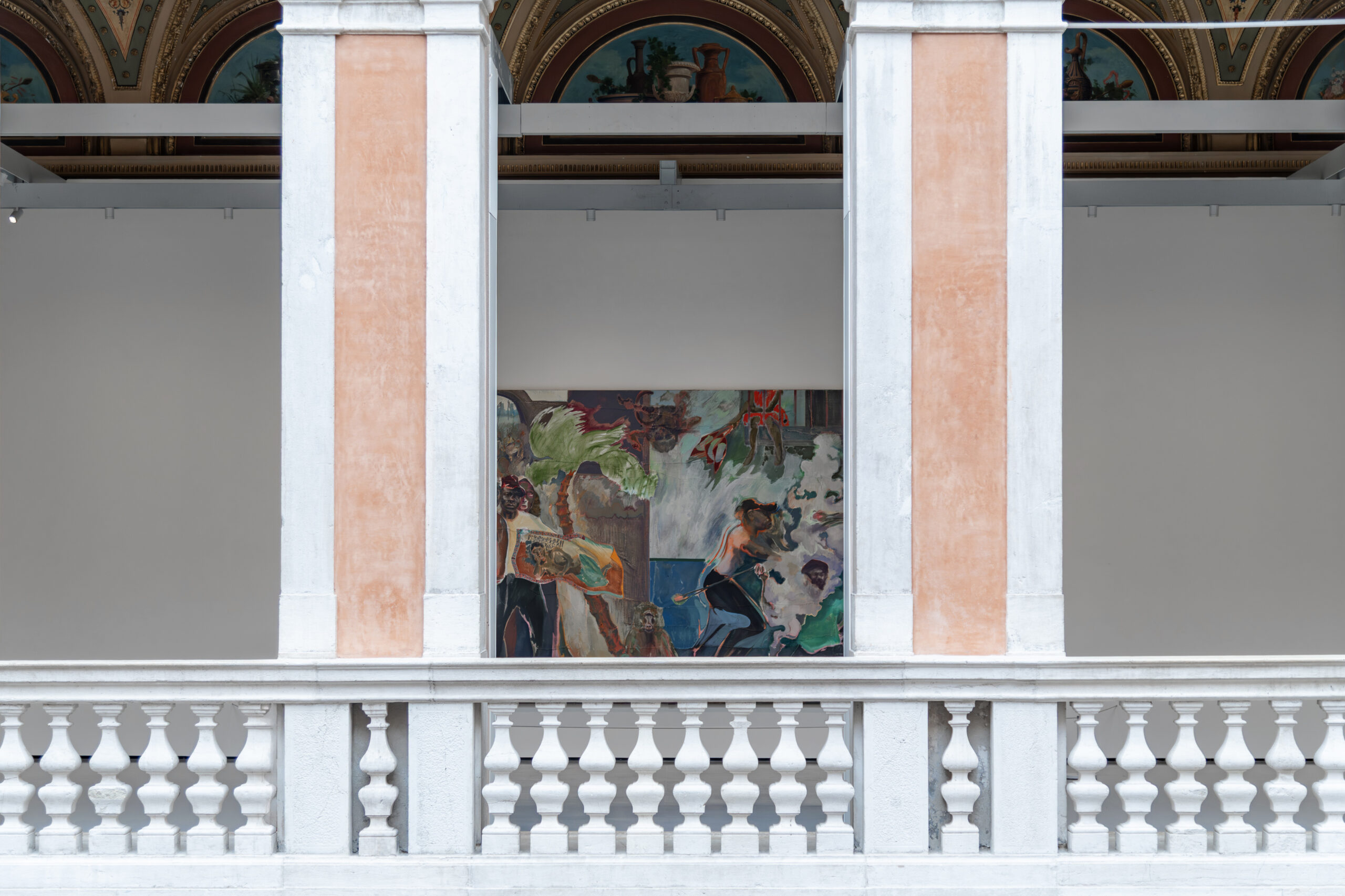
The Synthesis of Poetry and Violence: Inside the New Exhibitions at the Pinault Collection in Venice

La sintesi tra poesia e violenza. Ecco come sono le mostre alla Pinault Collection di Venezia

The Pinault Collection has unveiled its 2025 exhibition program across its two Venice venues, Palazzo Grassi and Punta della Dogana. This year, the institution opts for a multi-artist approach rather than a single-artist takeover, featuring Michael Armitage and Amar Kanwar at Palazzo Grassi, alongside Lorna Simpson and Paulo Nazareth at Punta della Dogana. The exhibitions focus heavily on global perspectives, spanning from Kenya and India to Brazil and the United States, addressing contemporary social tensions through diverse media.
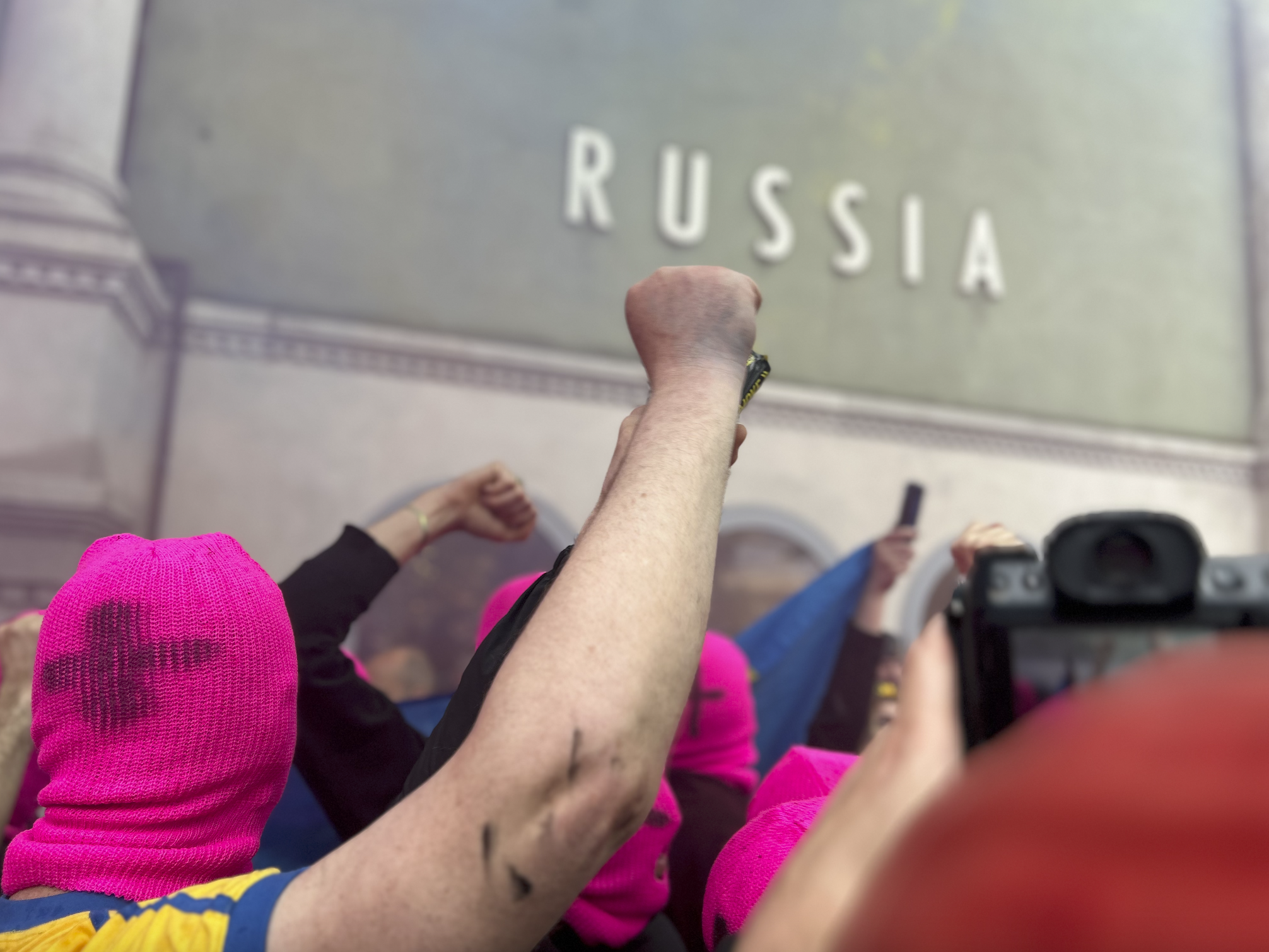
Pussy Riot and FEMEN protest at the Russian Pavilion at the Venice Biennale. "Blood is the true language of Russia"

Le Pussy Riot e le FEMEN in protesta al Padiglione russo alla Biennale di Venezia. “Il sangue è il vero linguaggio della Russia”

On May 6, 2026, during the preview days of the 61st Venice Biennale, Pussy Riot and FEMEN staged a joint protest outside the Russian Pavilion. Led by Nadya Tolokonnikova, the activists denounced Russia's participation in the Biennale as a form of political normalization while the war in Ukraine continues. The action included chants and slogans such as "Russia kills, Biennale exhibits. Blood is Russia's art," and targeted the Russian ambassador present inside the pavilion. The protest was unannounced and caught Biennale security off guard, drawing a crowd of journalists, visitors, and art professionals.

“La preistoria non è stata solo violenza, ma anche cura”. Intervista all’archeologa femminista Marga Sánchez Romero

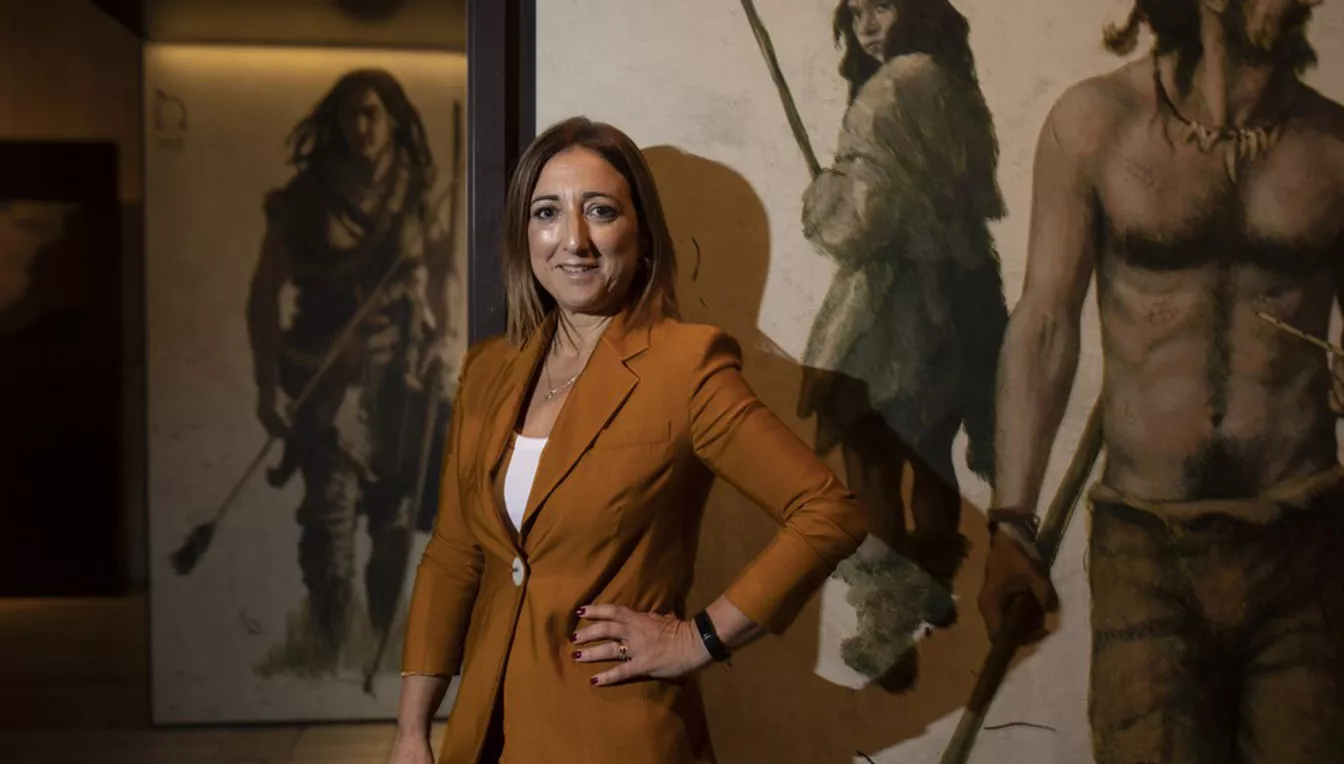
Marga Sánchez Romero, a professor of Prehistory at the University of Granada and a leading voice in feminist archaeology in Spain, argues in an interview that prehistory has been misrepresented as a sequence of violence and hierarchies. She emphasizes that new questions are reshaping our understanding of the past, highlighting that care, cooperation, and solidarity were as crucial as conflict in human evolution. The conversation covers biases in archaeological interpretation, the famous Viking tomb of Birka, the origins of inequality, and the role of museums in creating more inclusive narratives.