filter_list Showing 6 results for "wheel of fortune" close Clear
dashboard All 6 museum exhibitions 5article culture 1
date_range Range Today This Week This Month All
Subscribe

golden thread show textile art 2633487

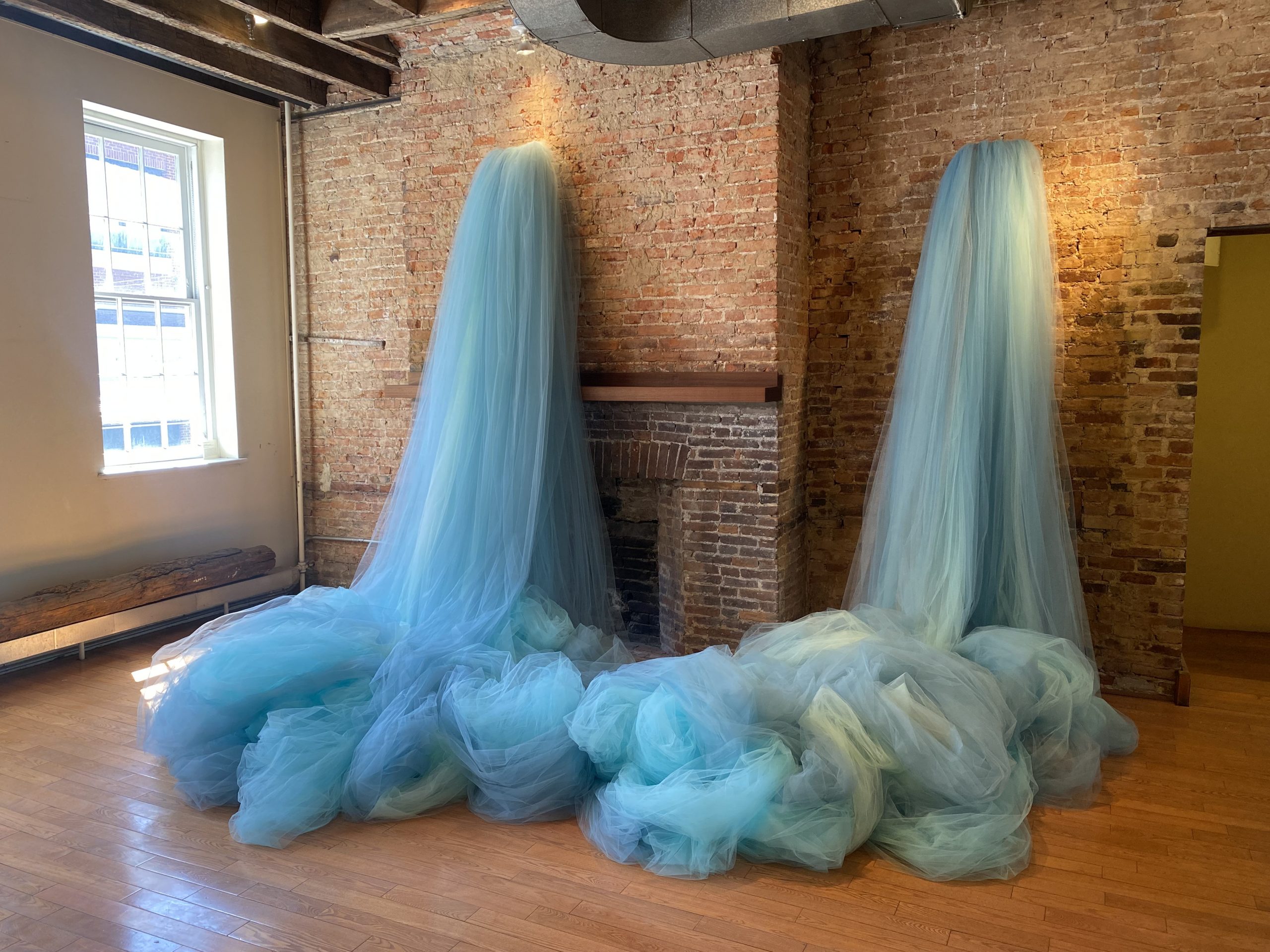
New York art dealers Karin Bravin and John Lee of BravinLee Programs have mounted "The Golden Thread II" at 207 Front Street in South Street Seaport, a historic 1797 building. The exhibition brings together 60 artists, including 10 new site-specific installations, with works spanning textile techniques such as needlework, embroidery, felting, quilting, and weaving. Highlights include Tura Oliveira's "Wheel of Fortune" (2025), a bloodred humanoid figure tangled in a historic grain hoist. Prices range from a few hundred dollars to $70,000. The show runs for a month, coinciding with the Frieze fair, and is curated with input from Elissa Auther, deputy director of curatorial affairs and chief curator at the Museum of Arts and Design.
art new york gallery guide spring

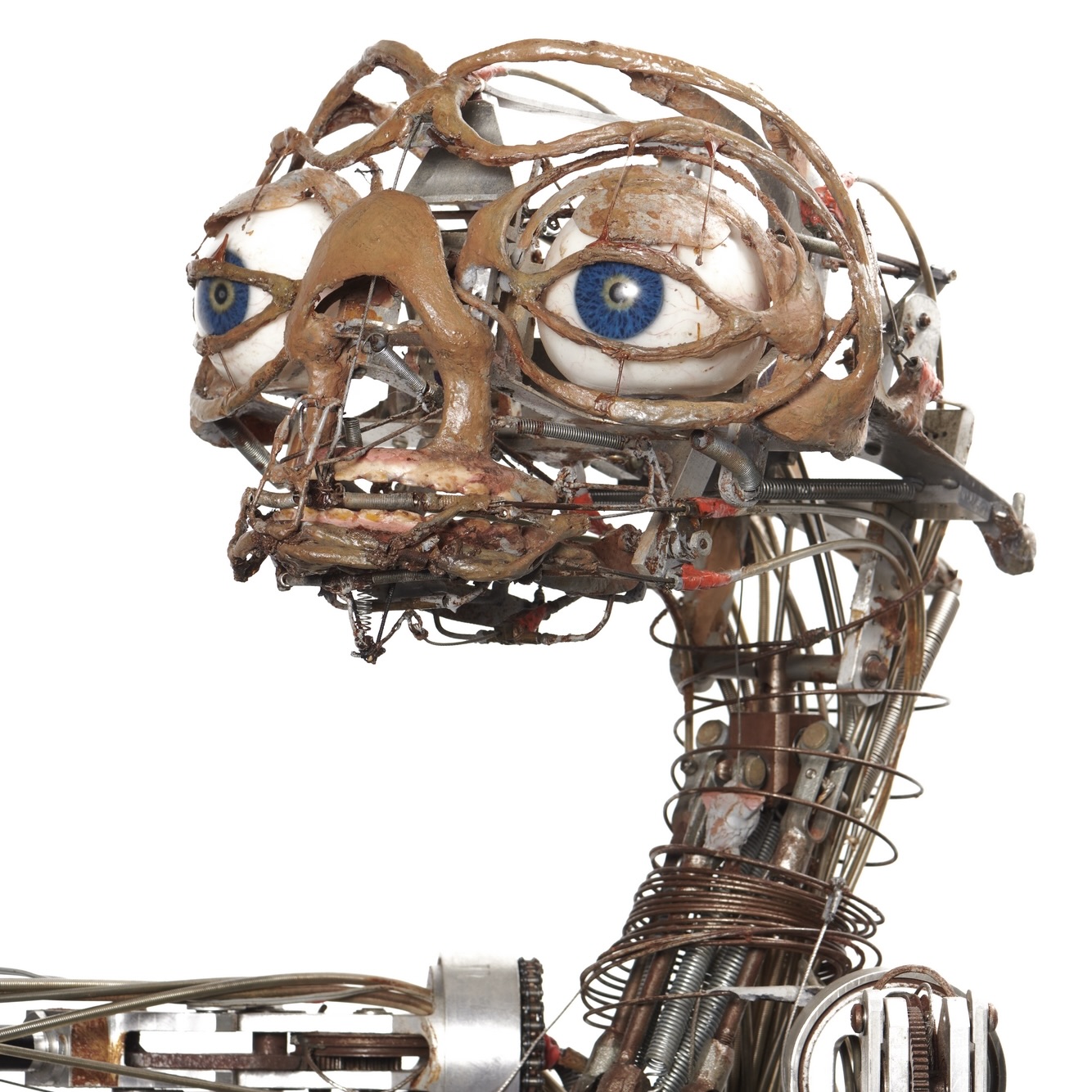
Cultured's spring gallery guide for New York highlights a curated selection of exhibitions across the city, with standout shows including Carol Bove's sculptural installation at the Solomon R. Guggenheim Museum, Joan Semmel's retrospective at the Jewish Museum, Jessi Reaves's furniture-based works at the American Academy of Arts and Letters, and the group show "Afterlives: Contemporary Art in the Byzantine Crypt" at the Metropolitan Museum. The guide also notes exhibitions by Paul Chan, Nicola Tyson, Doron Langberg, and Yuval Pudik that are closing soon, and extends coverage to shows in Philadelphia and Warsaw.

New Exhibition Explores the 60 Artists At the Forefront of Contemporary Fiber Art

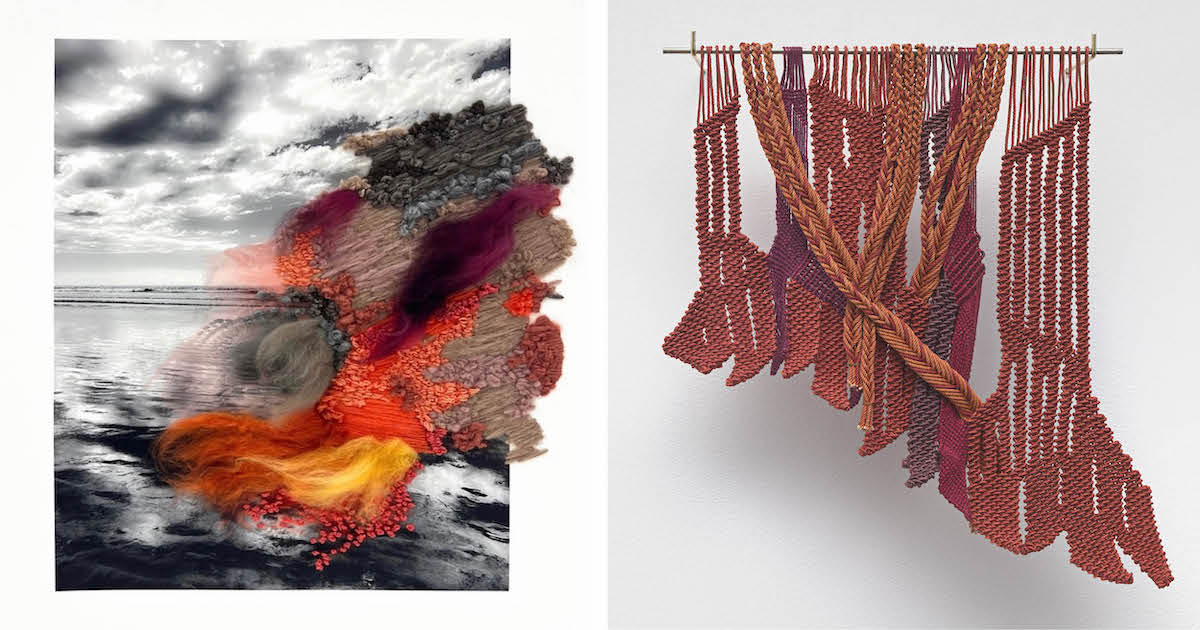
The Golden Thread 2, a new exhibition organized by Karin Bravin and John Lee of BravinLee Programs, showcases the work of 60 contemporary fiber artists at an 18th-century mercantile building in Manhattan’s South Street Seaport neighborhood. Running until May 16, 2025, the show features a wide range of techniques including weaving, crochet, knitting, embroidery, tufting, and quilting, with pieces by artists such as Julia Bland, Lucia Engstrom, Mark Fleuridor, Sammy Bennet, Ali Dipp, Ana Maria Hernando, and Ellie Murphy. This second iteration is larger and longer than the first, which coincided with Frieze New York in 2024.

Conspiracies: Who Can You Trust?

A new exhibition titled 'Conspiracies' has opened at the Warburg Institute in London, featuring works by contemporary artists Hannah Black, Caspar Heinemann, Sam Keogh, and Shenece Oretha, alongside an installation by ceramicist Edmund de Waal and panels from Aby Warburg's Bilderatlas Mnemosyne. The show explores the concept of conspiracy, tracing its history as both a response to power and a contaminating force in contemporary society, through multimedia installations, drawings, and speculative biographies.

Biennale de Venise 2026 : les saturnales éblouissantes d’Yto Barrada pour le pavillon français

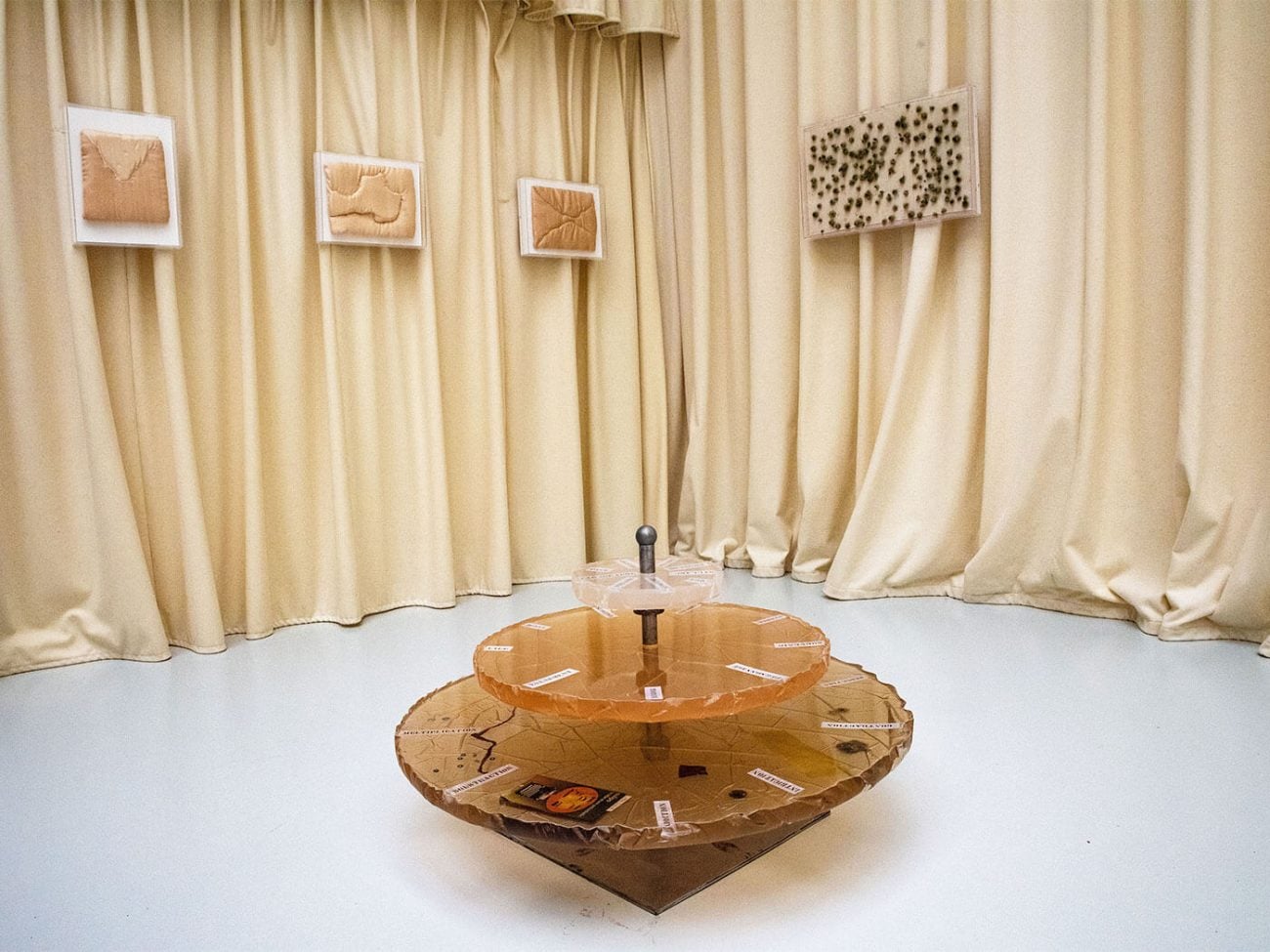
Yto Barrada has been selected to represent France at the 61st Venice Biennale in 2026 with her exhibition "Comme Saturne" (Like Saturn) in the French Pavilion. The installation features rebellious stage curtains hiding wasp nests and a copper daguerreotype plate of a planet, a large rock, a Wheel of Fortune, and a nostalgic vanitas arrangement around a missing mirror frame. Curated by Myriam Ben Salah, the show explores textile and natural dyeing, with three cabinets addressing the transmission of know-how, migration of plants and people, postcolonial history, and Enlightenment imperialism. A central room displays 70 pieces forming a symmetrical frieze of red natural dyes, while a black monochrome patchwork highlights the difficulty of achieving black in dyeing. Barrada is the fifth woman to represent France at the Biennale.

How binge-watching Wheel of Fortune started a two-year art project

Melissa Nightingale reports on a two-year art project inspired by binge-watching *Wheel of Fortune*. The project reimagines the game show's prize wheel, replacing material goods like sewing machines and cars with intangible rewards such as belonging and dignity. Participants can spin the wheel, but the prizes are conceptual rather than physical, reflecting a shift in values from consumerism to human connection.