arrow_back Back to all stories

person Alia Lübben

newspaper Monopol Magazin article 11 articles

Looking Back to Look Forward

Blick zurück nach vorn

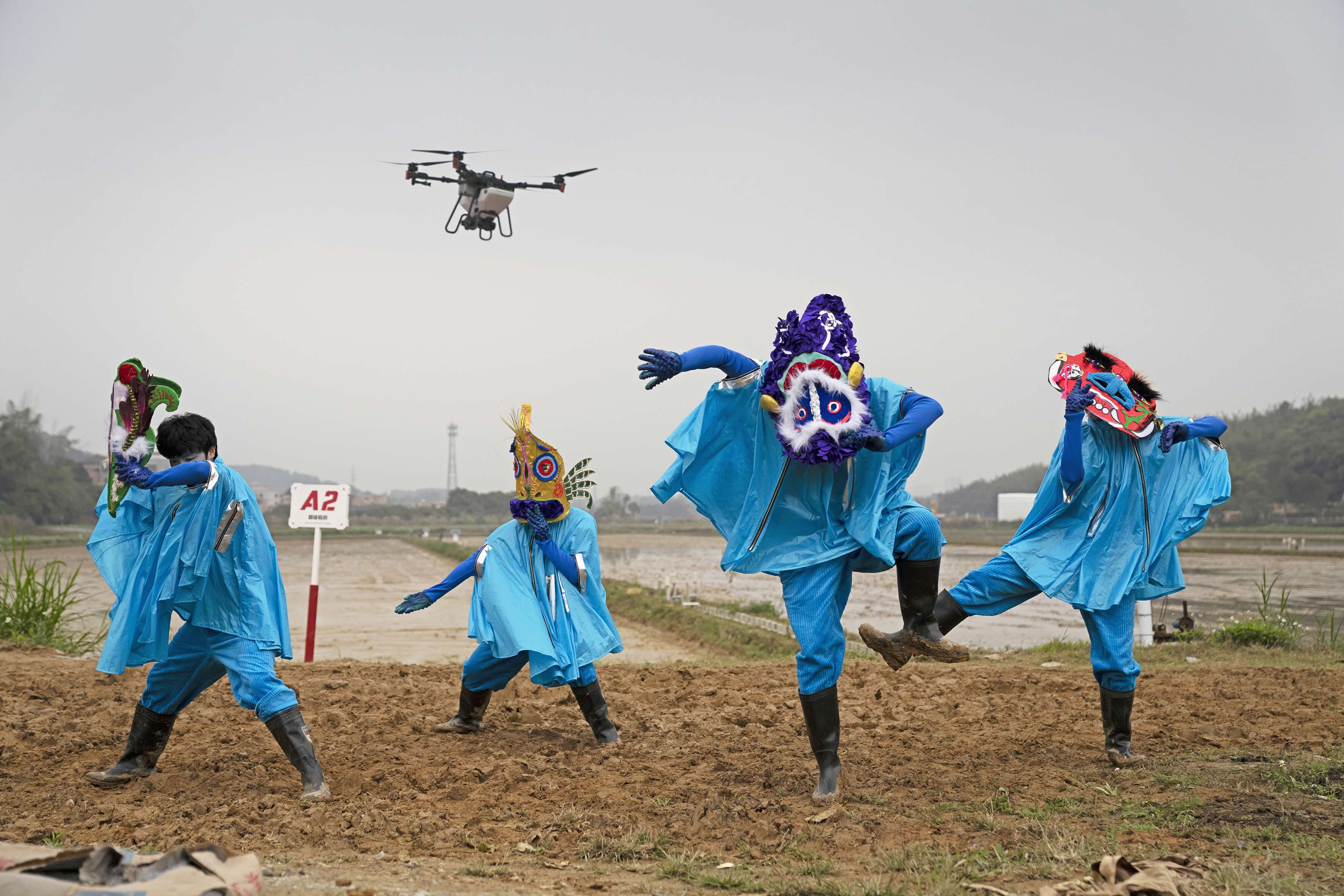
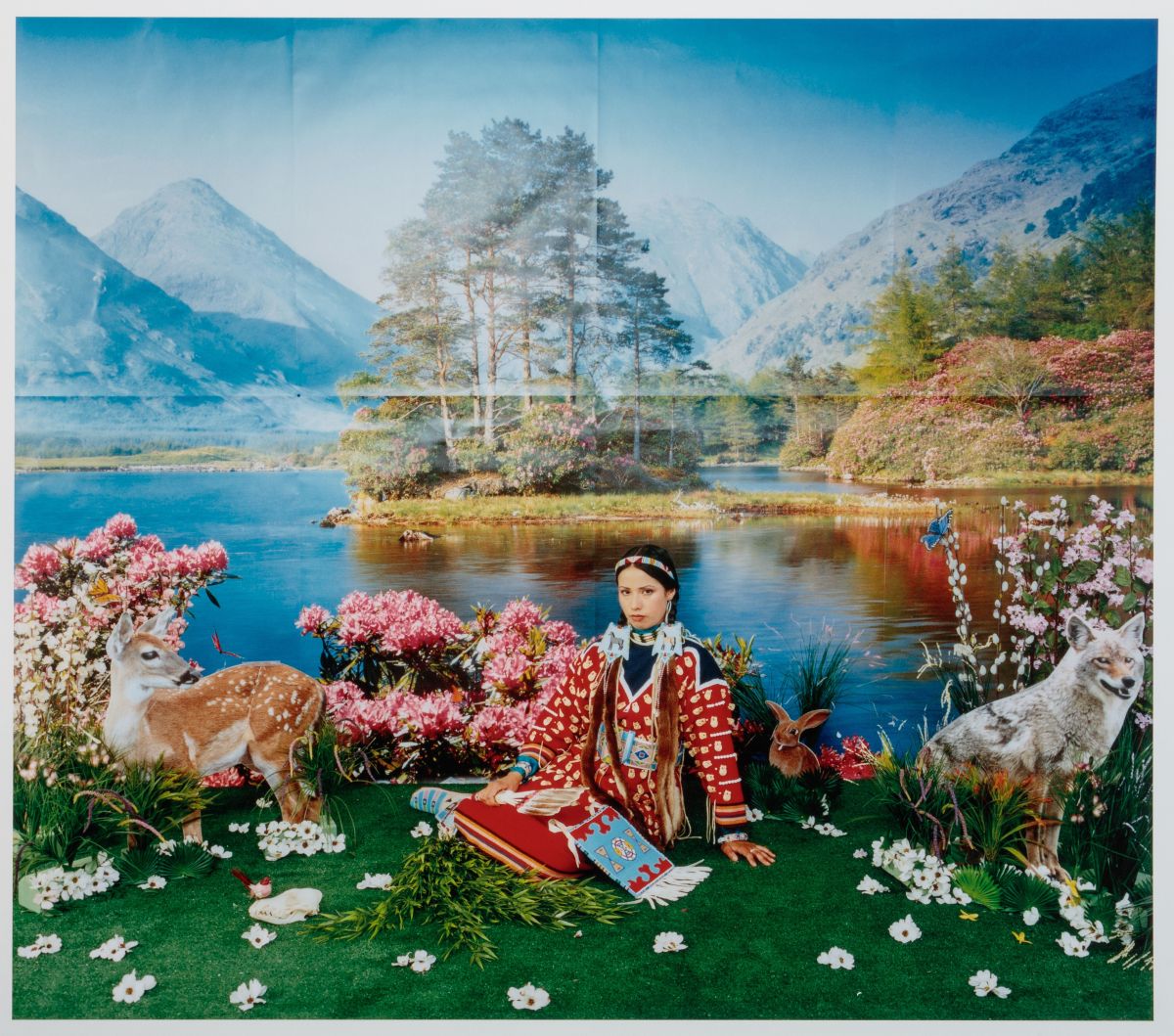
The Museum Rietberg in Zürich is hosting an exhibition that examines the intersection of photography and colonialism. The show highlights how early photographic techniques, introduced to Africa shortly after their invention in 1839, were historically used as tools of power, surveillance, and scientific categorization. By juxtaposing historical archives with contemporary works, the exhibition demonstrates how modern artists are reclaiming and transforming these violent visual legacies.

Phallus, Vagina, Universe

Phallus, Vagina, Universum

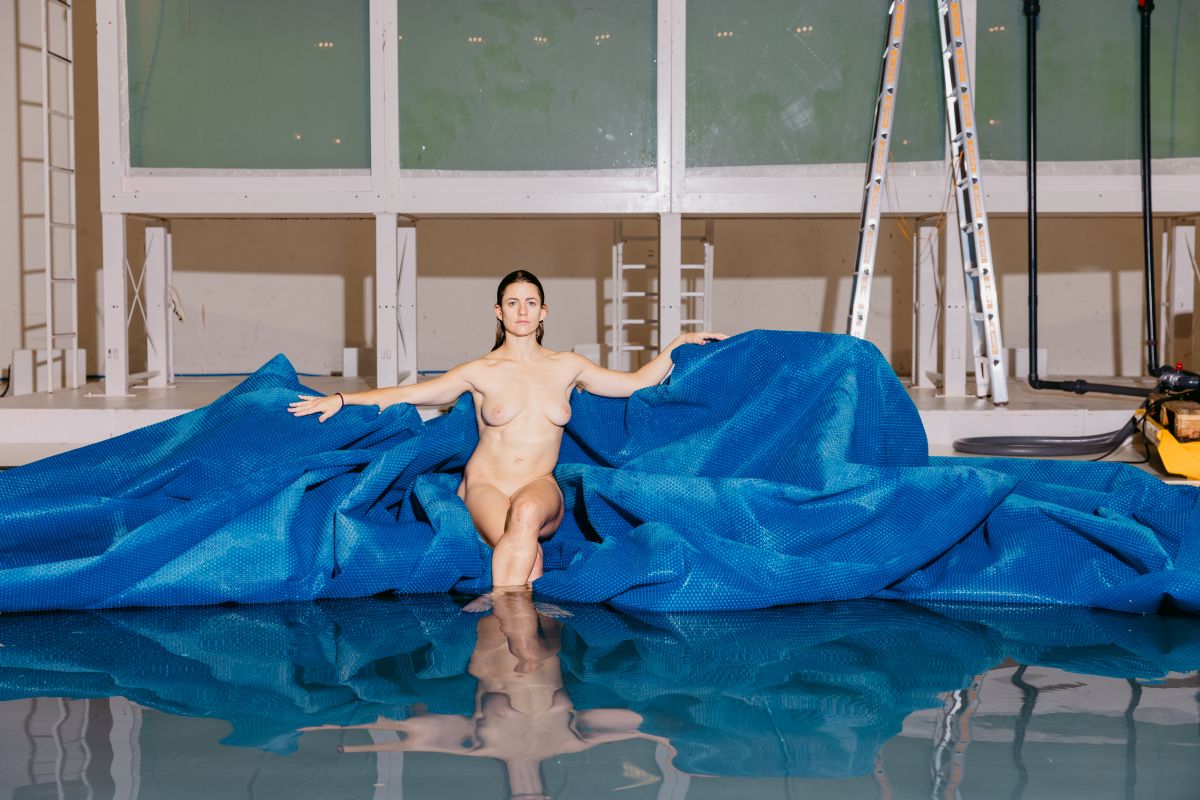
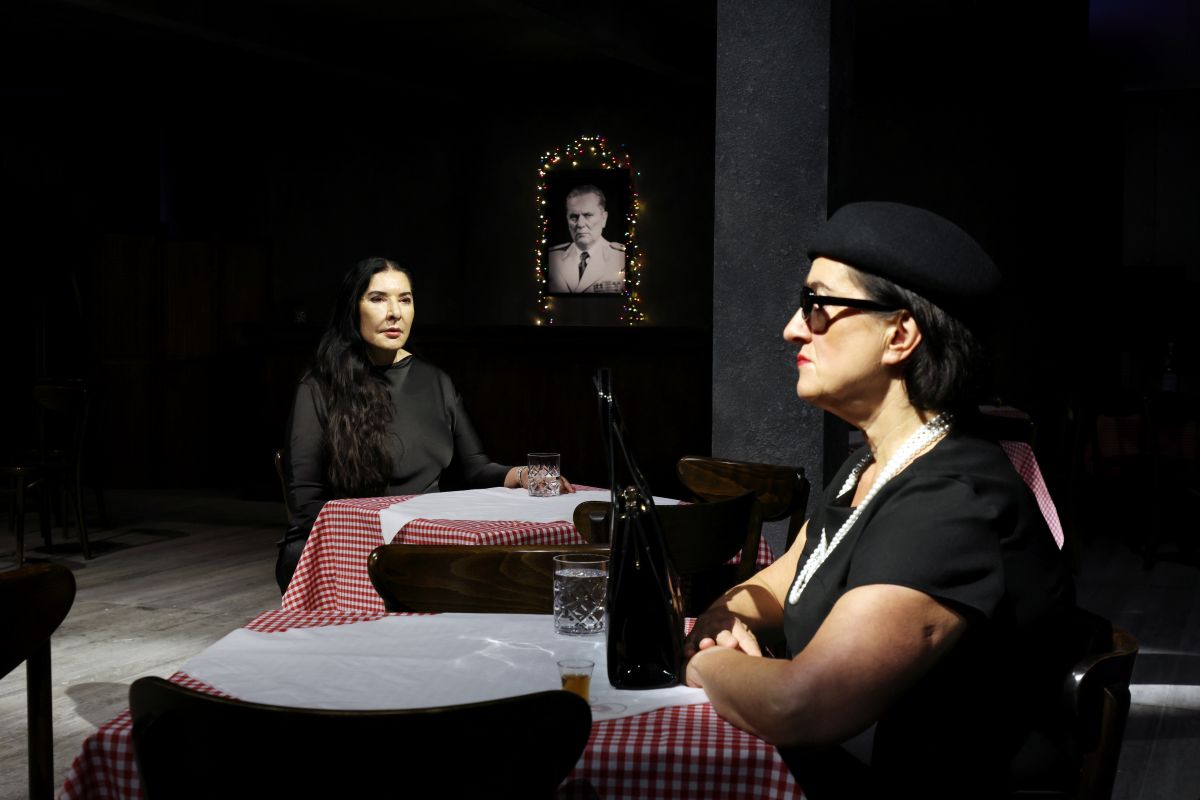
Marina Abramović is presenting a major retrospective at the Neue Nationalgalerie in Berlin, shifting focus from her well-known explorations of physical pain to the erotic energy of the human body. The exhibition draws heavily on Slavic folklore and pagan traditions from her Balkan heritage, exploring how ancient rituals used sexuality and the body as tools for spiritual and cosmic connection.

Michael Armitage and the Feverish Memory of Images

Michael Armitage und das fiebrige Gedächtnis der Bilder

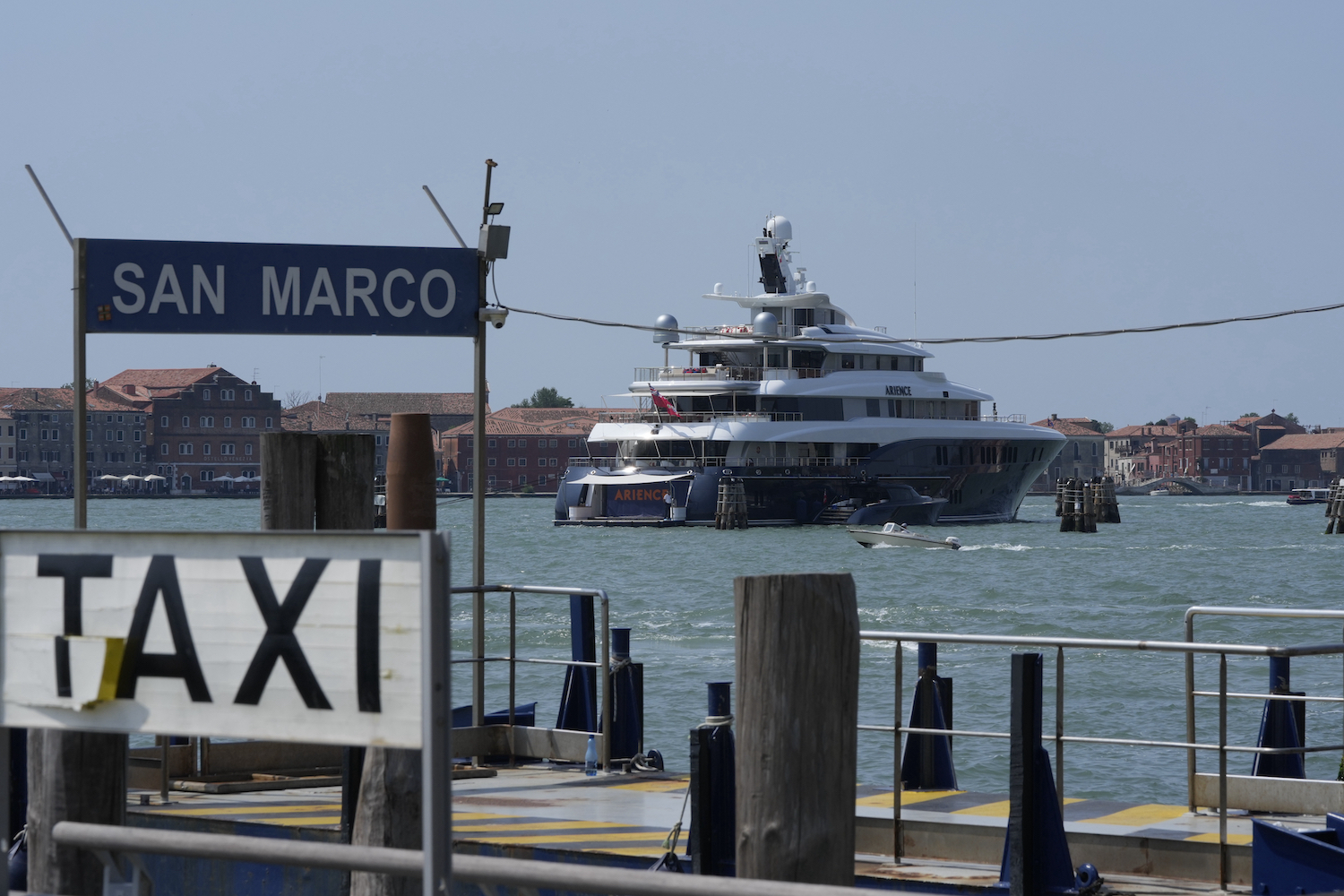
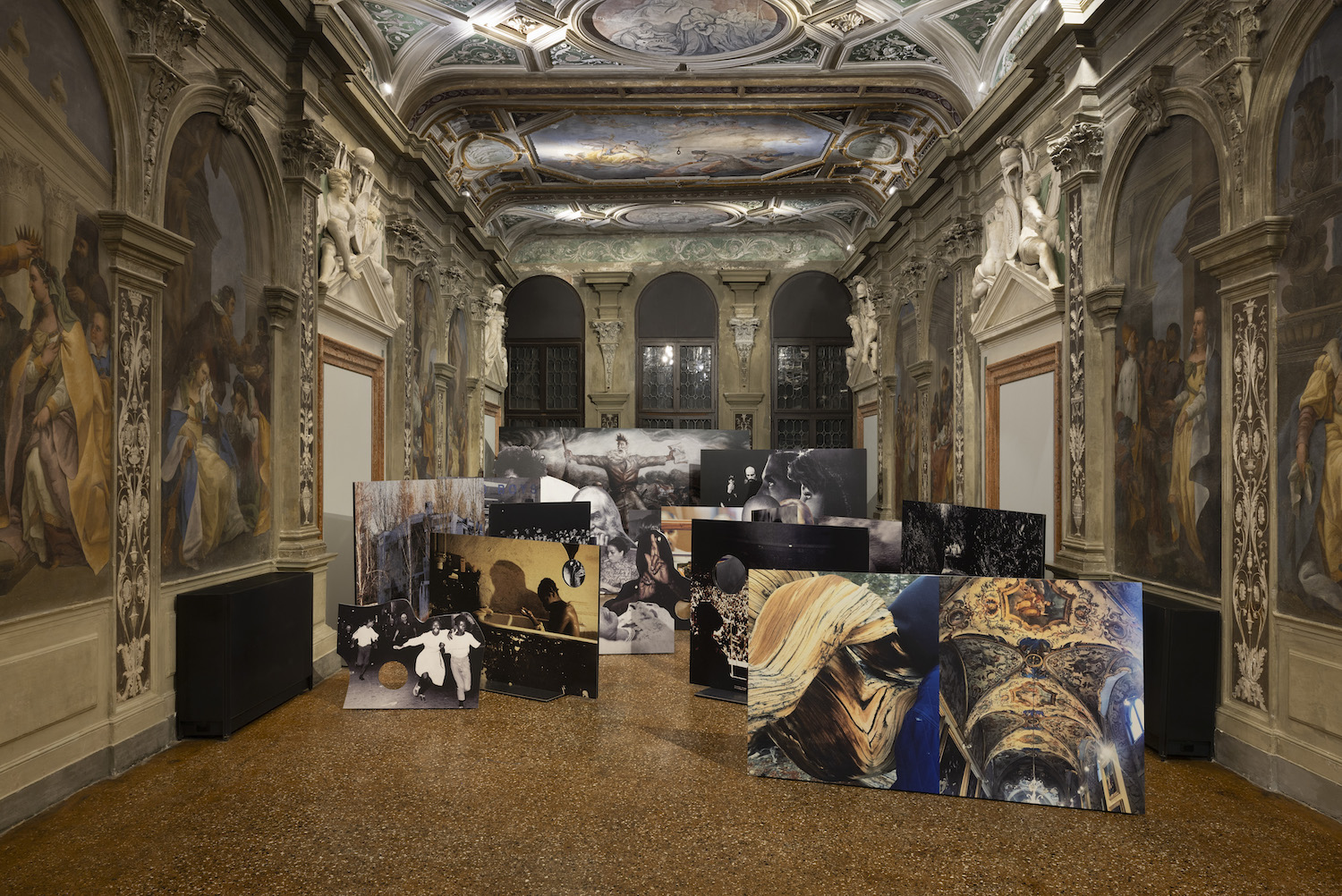
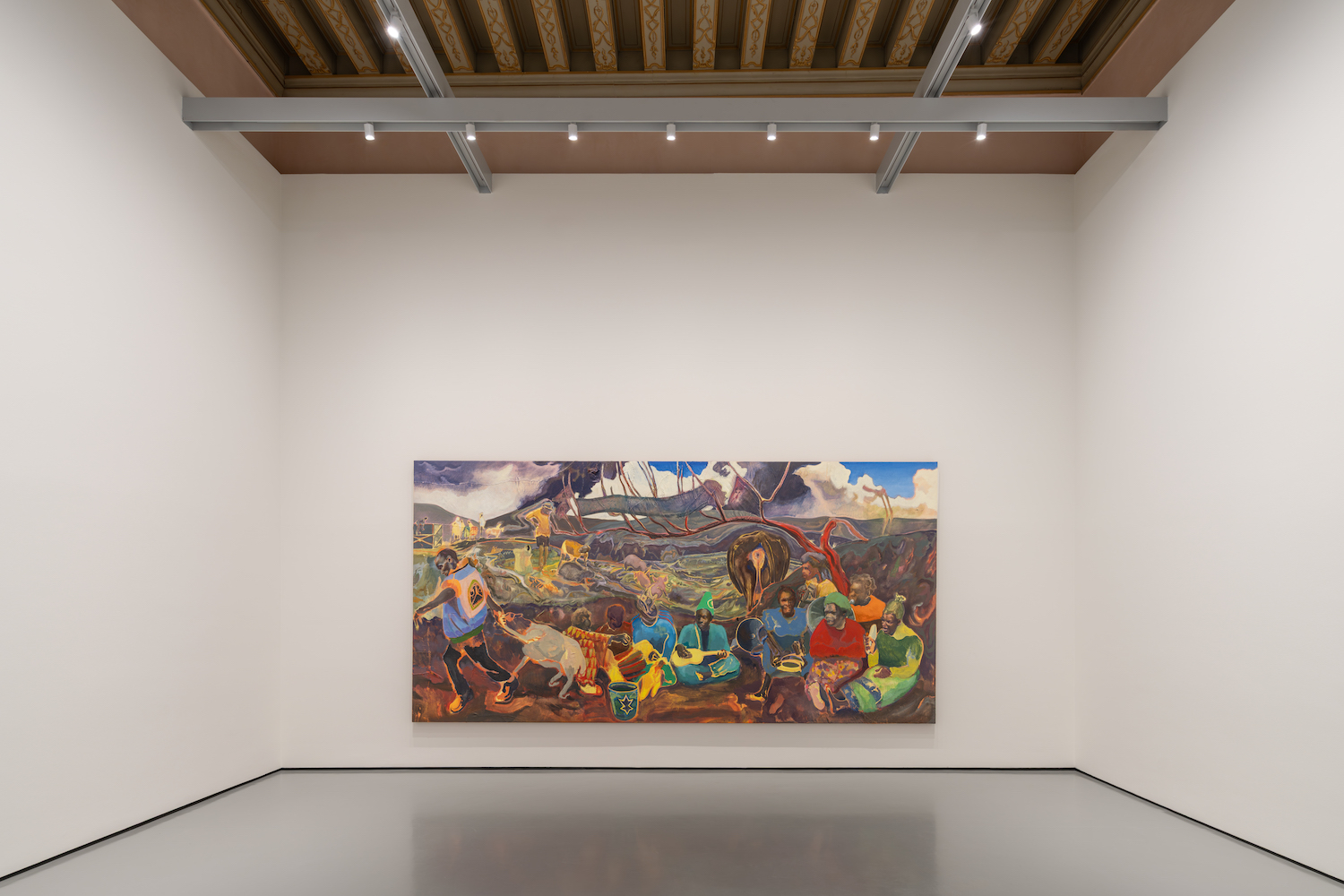
The British-Kenyan painter Michael Armitage is the subject of a major solo exhibition at the Palazzo Grassi in Venice, part of the Pinault Collection. The showcase features new works, including the titular painting "52,000 Years," which references prehistoric cave art while weaving together themes of political unrest, the refugee crisis, and lush landscapes. Armitage’s technique is noted for its use of Lubugo bark cloth, a traditional Ugandan material that adds a tactile, irregular dimension to his complex figurative compositions.

What You Shouldn't Miss at Art Düsseldorf

Das sollten Sie auf der Art Düsseldorf nicht verpassen

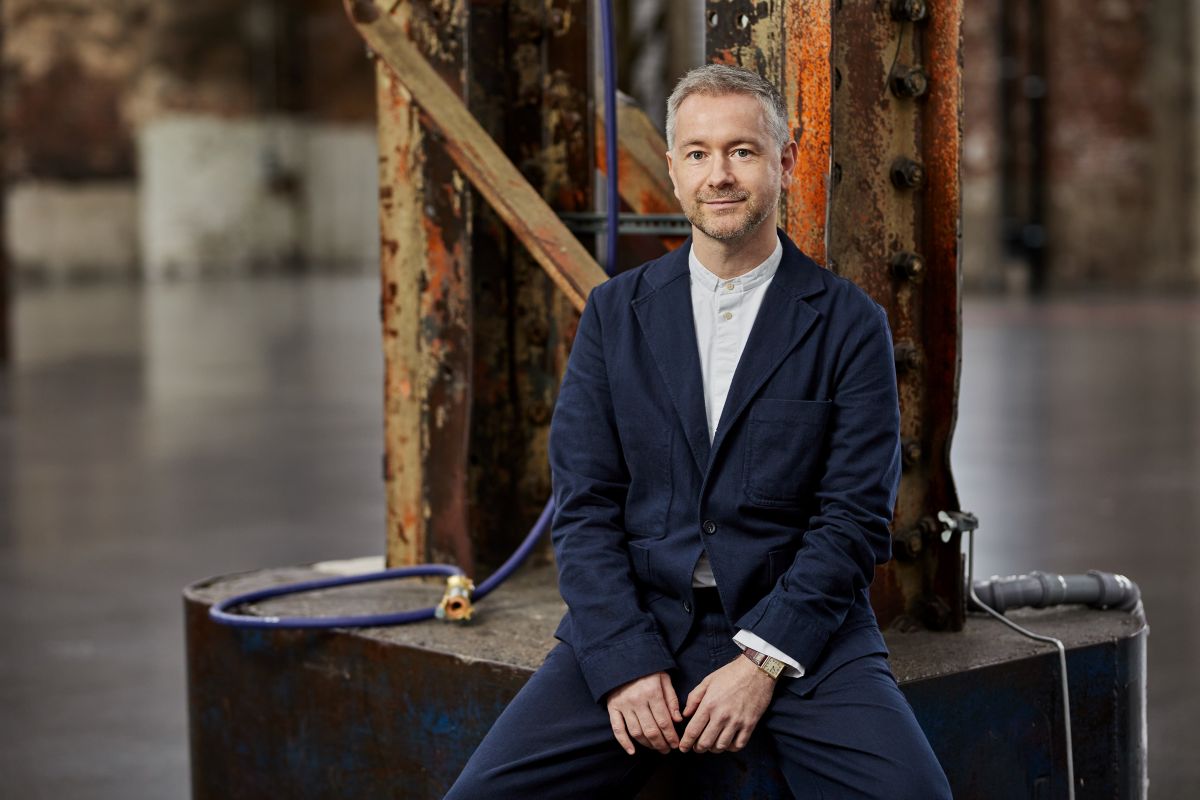
The eighth edition of Art Düsseldorf is set to launch at the Areal Böhler with its most diverse lineup to date, featuring 119 galleries. This year's iteration marks a significant organizational shift with the appointment of Gilles Neiens as the fair's first Artistic Director, a role created to oversee the event's curatorial and programmatic direction. The fair continues to balance its strong regional roots in the Rhineland with an increasingly international selection of painting, sculpture, and experimental works.

The Most Important Thing is That Art Remains Accessible

"Das Wichtigste ist, dass die Kunst zugänglich bleibt"

Gilles Neiens has been appointed as the first-ever artistic director of Art Düsseldorf, marking a strategic shift for the eight-year-old regional art fair. In his new role, Neiens aims to elevate the fair's profile by focusing on high-quality curation, thematic depth, and fostering closer collaborative relationships with participating galleries. This structural change signals a move away from purely organizational management toward a more distinct, content-driven identity.

Whitney Biennial Between Cuteness and Panic

Whitney-Biennale zwischen Niedlichkeit und Panik

The Whitney Museum of American Art has unveiled its latest Biennial, a sprawling survey of contemporary art that navigates the tension between playful aesthetics and existential dread. Curators have embraced an expanded definition of American art, incorporating global perspectives and diverse media to reflect a nation grappling with political instability and social change. The exhibition oscillates between moments of "cuteness" and "panic," utilizing strong visual narratives to address the complexities of the current era.
The Narrow Corridor of Normality

Der schmale Korridor der Normalität

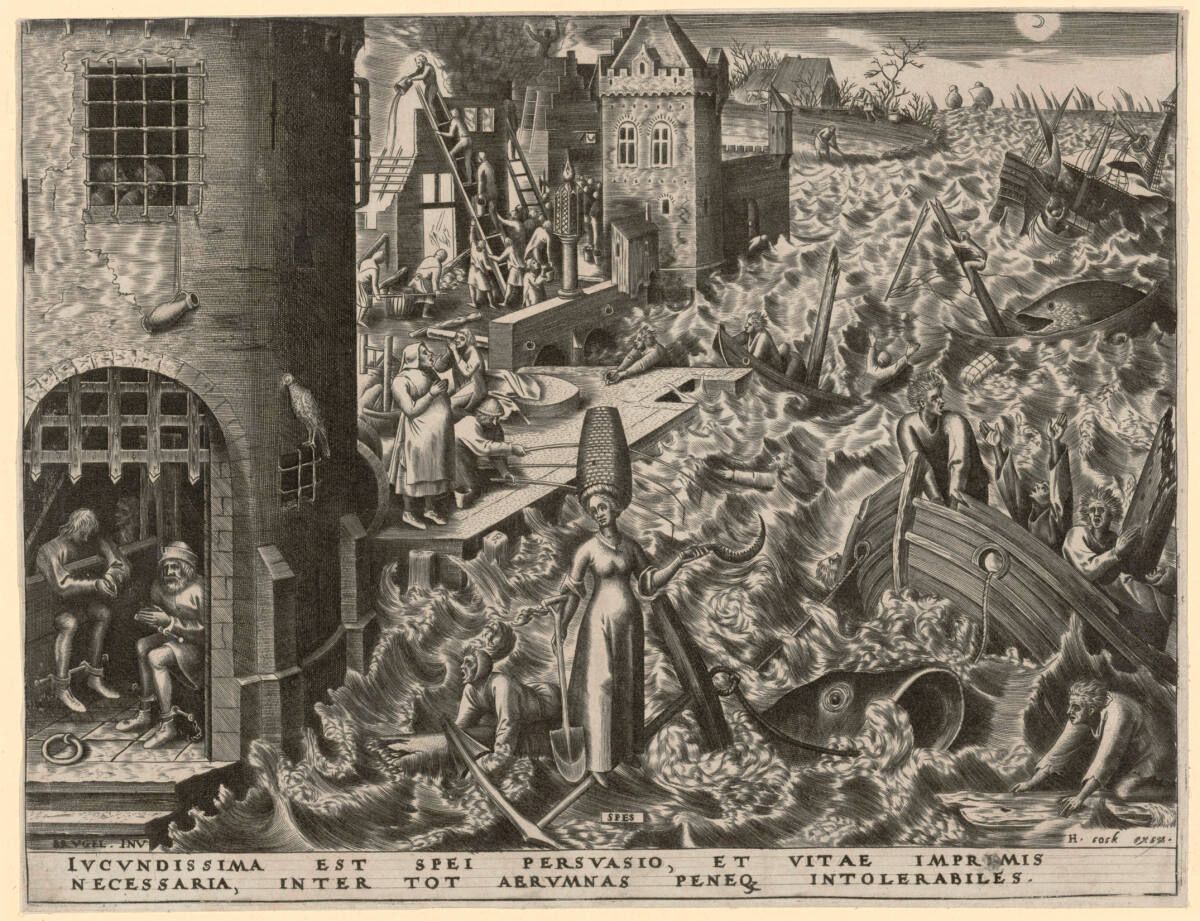
Artist Beate Gütschow reflects on Pieter Bruegel the Elder’s 16th-century engraving "Spes" (Hope), which she encountered during a visit to the Kunstmuseum Basel. The artwork depicts a personified figure of Hope standing amidst a chaotic scene of shipwrecks and flooding, symbolizing the necessity of maintaining focus and action even in the face of overwhelming disaster.

"Suddenly it was a completely different world"

"Es war plötzlich eine ganz andere Welt"

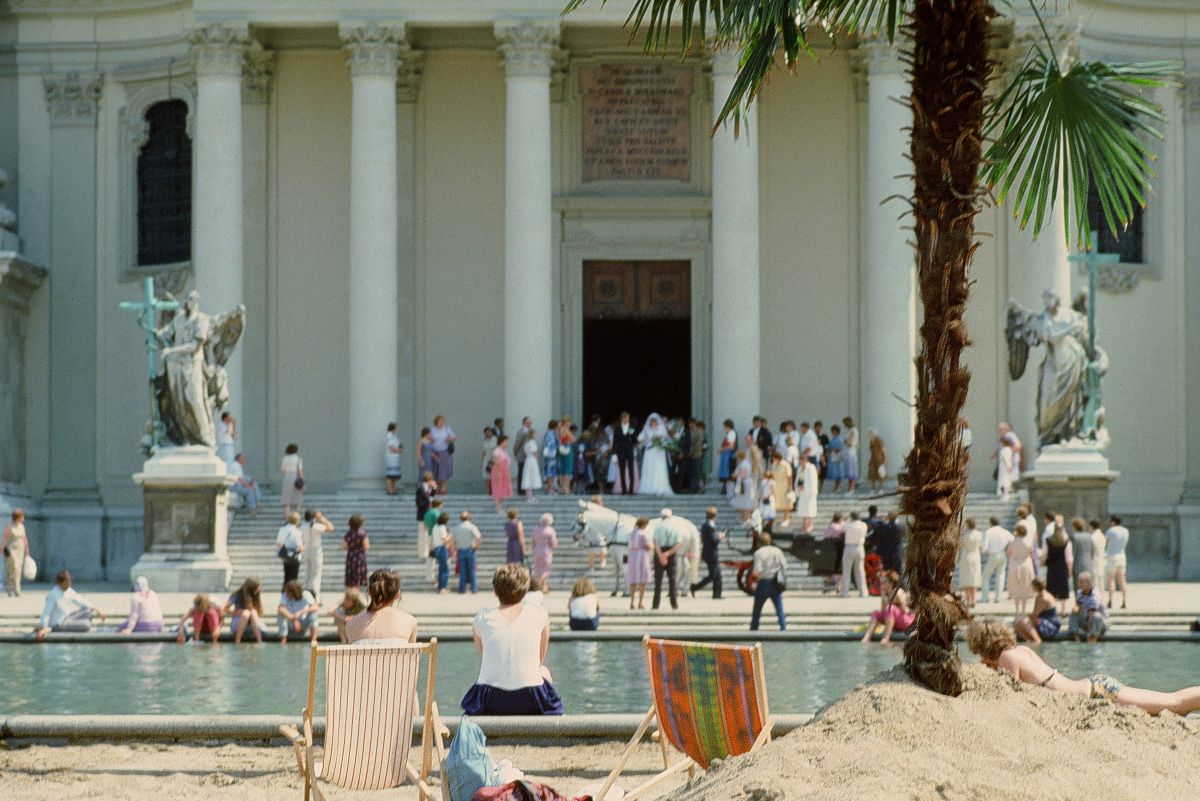
Margot Pilz, a pioneer of the feminist avant-garde, is reviving her historic 1982 art intervention "Kaorle" for the Klima Biennale in Vienna. Originally conceived as Europe's first urban beach, the installation transformed Vienna's Karlsplatz by depositing tons of sand and installing a palm tree, deck chairs, and a synthetic whale in a pond to create a surreal coastal escape in the city center.

How Expensive Art Auctions Really Are

Wie teuer Kunstauktionen wirklich sind

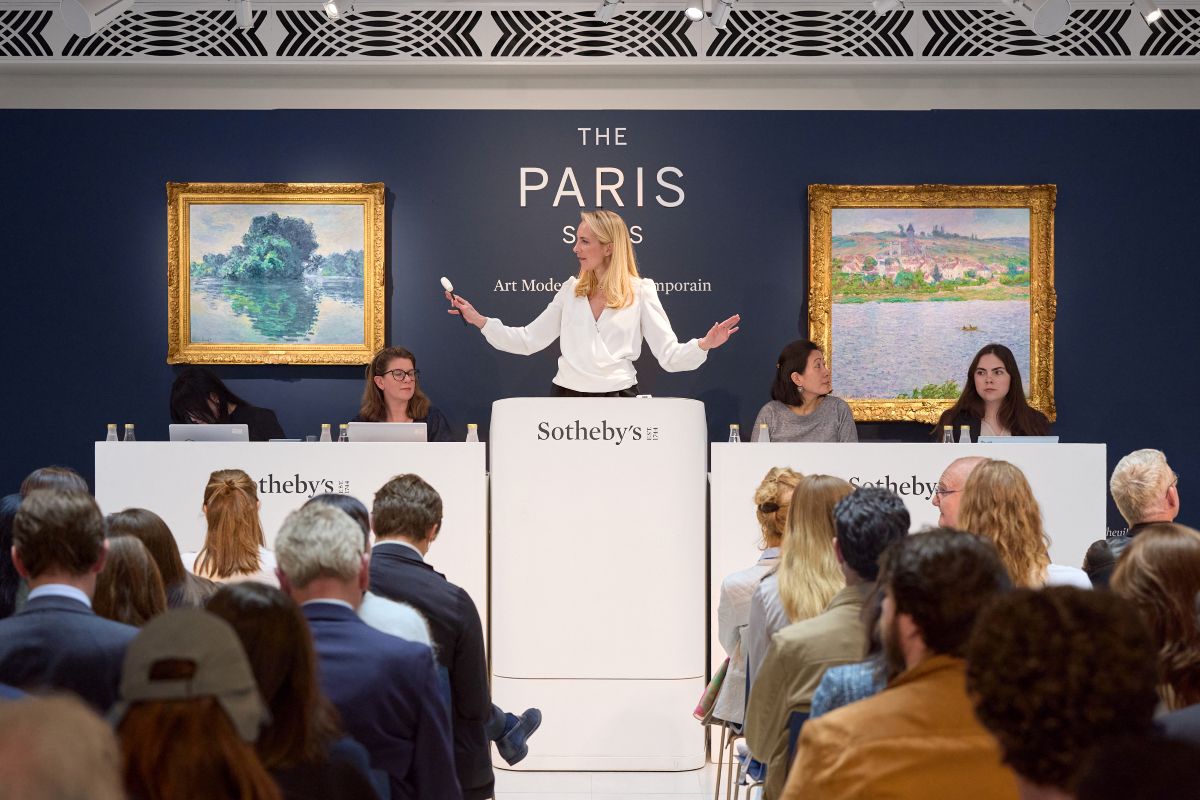
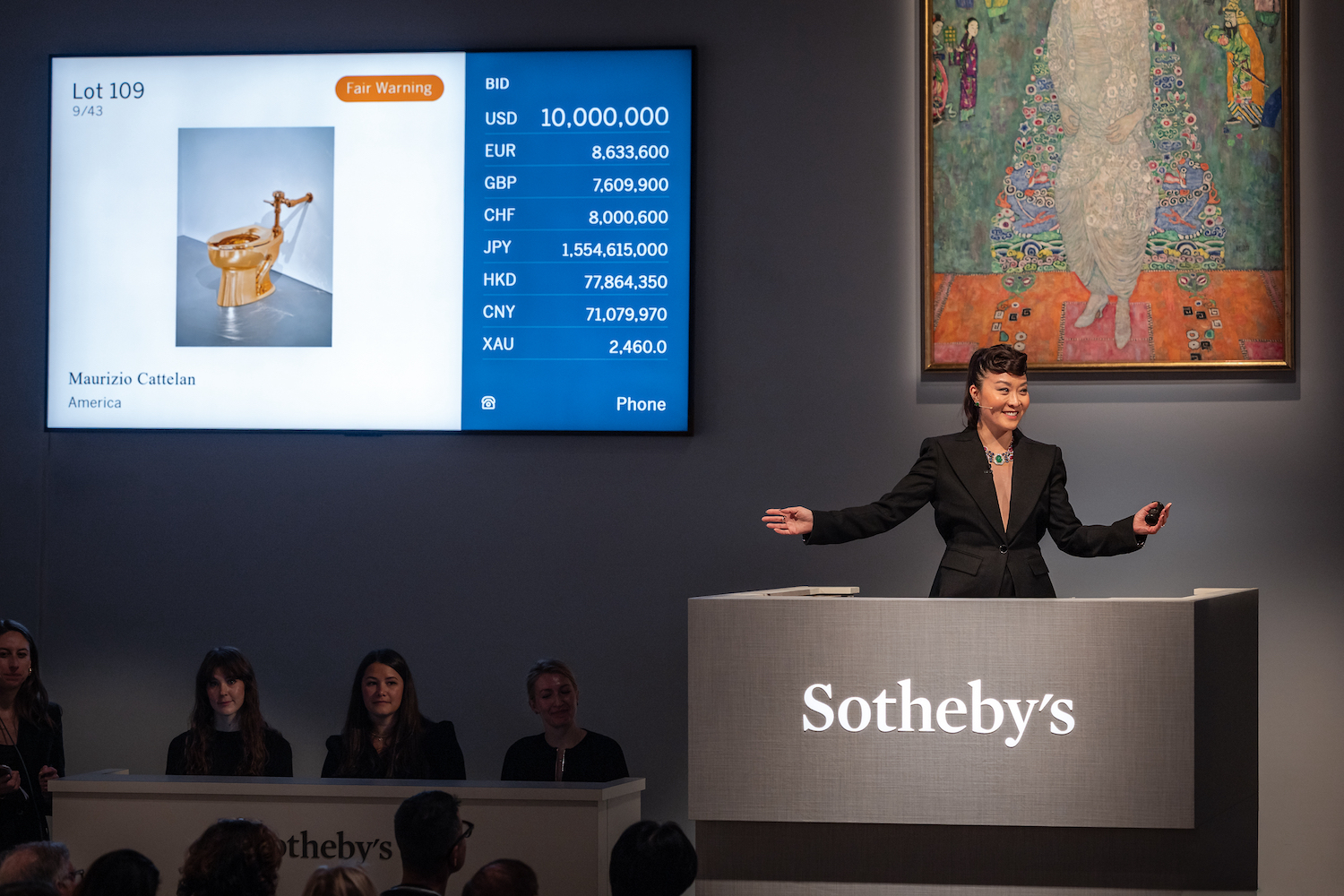
Art auction houses often promote transparency through public bidding, but the final hammer price is merely the starting point for a complex web of additional costs. Buyers frequently face buyer's premiums, value-added taxes, and resale right royalties (droit de suite) that can inflate the final invoice by up to 50 percent beyond the initial bid.

In Wiesbaden, Wolfgang Hollegha Understands Abstraction Physically

In Wiesbaden begreift Wolfgang Hollegha Abstraktion körperlich

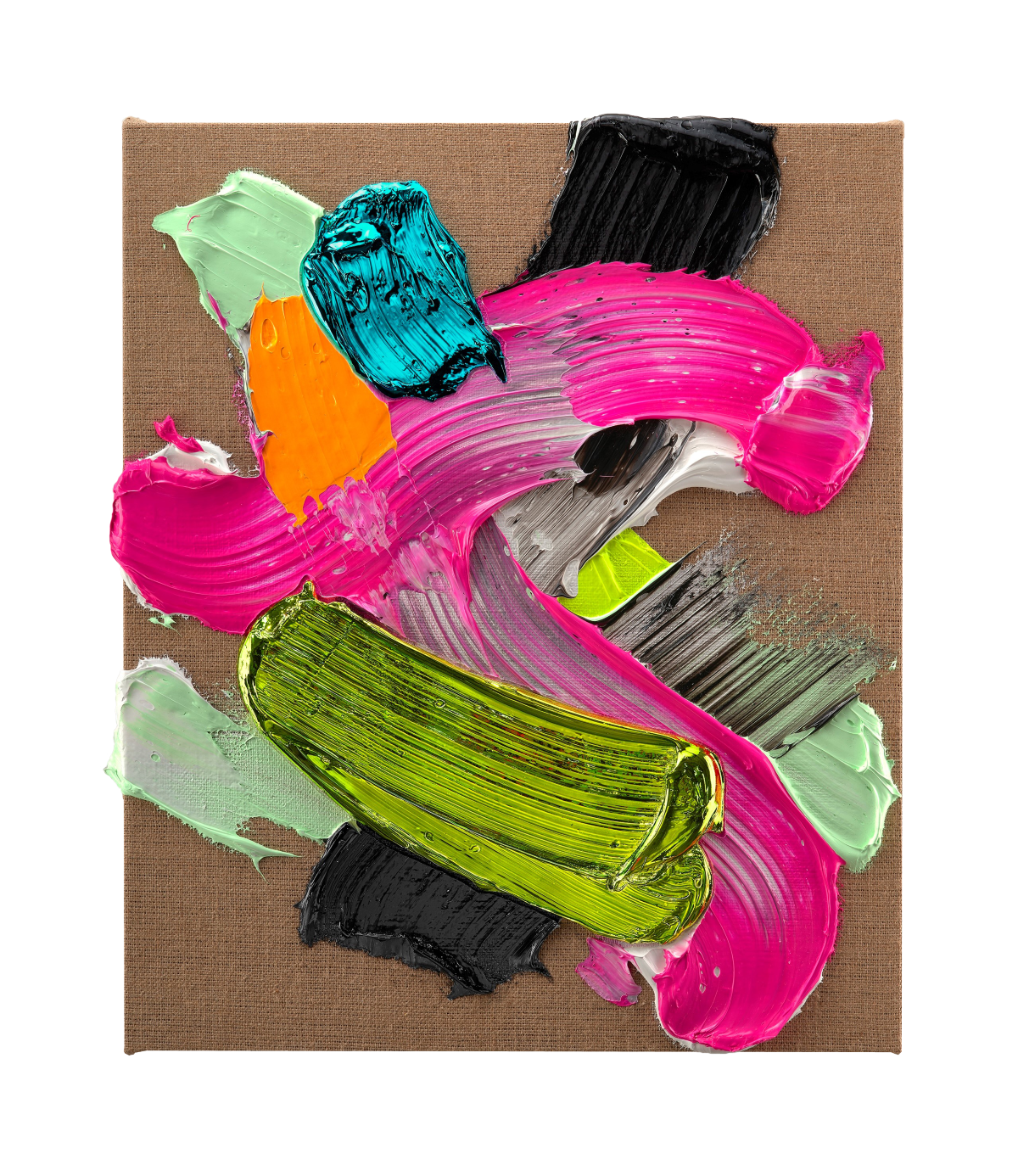
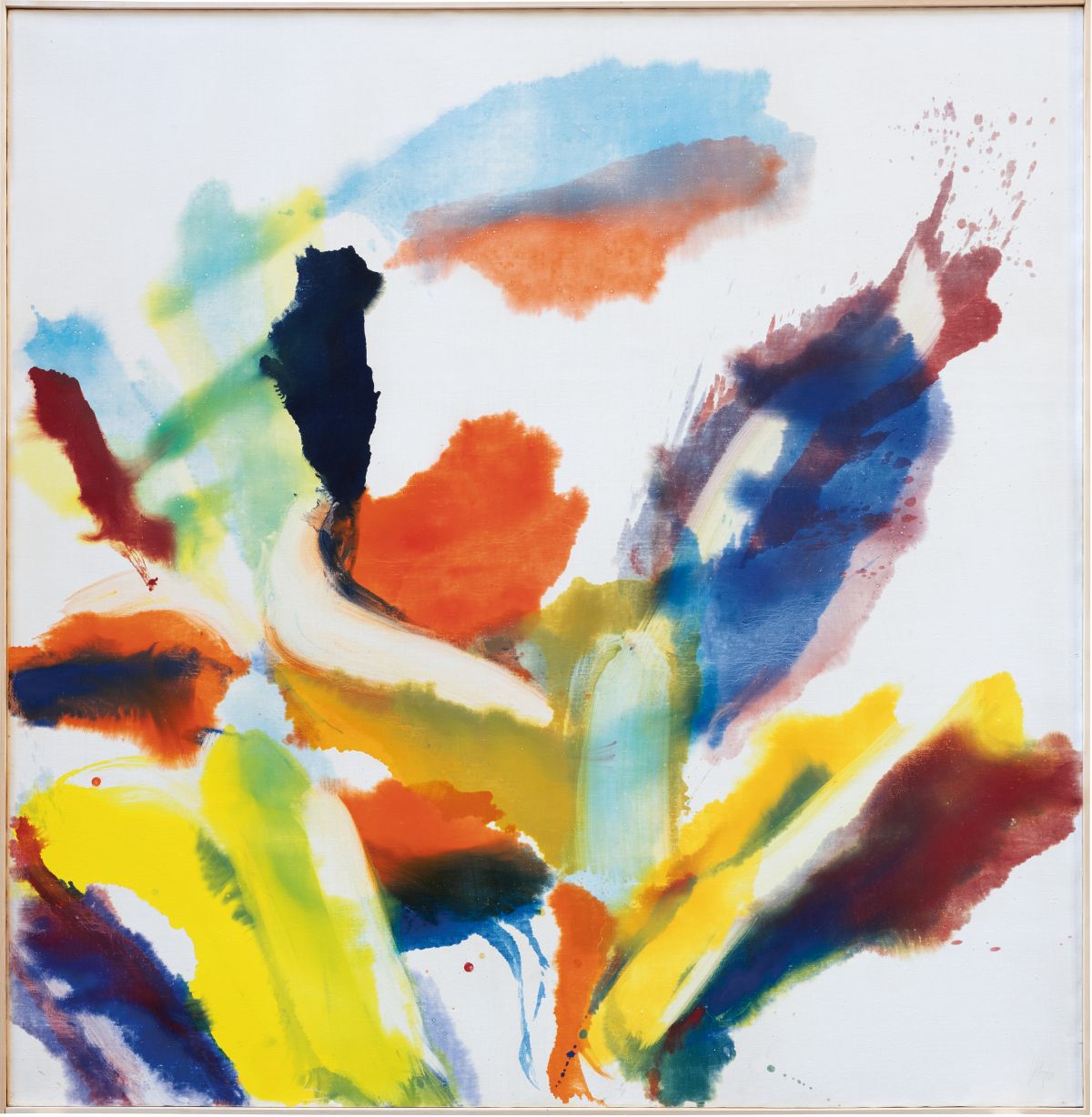
The Museum Reinhard Ernst in Wiesbaden is hosting a major retrospective dedicated to the late Austrian painter Wolfgang Hollegha. The exhibition showcases Hollegha’s signature monumental canvases, characterized by a unique technique of pouring paint to create eruptive yet precise compositions that bridge the gap between physical movement, memory, and spatial abstraction.

More Than Breakfast

Mehr als Frühstück

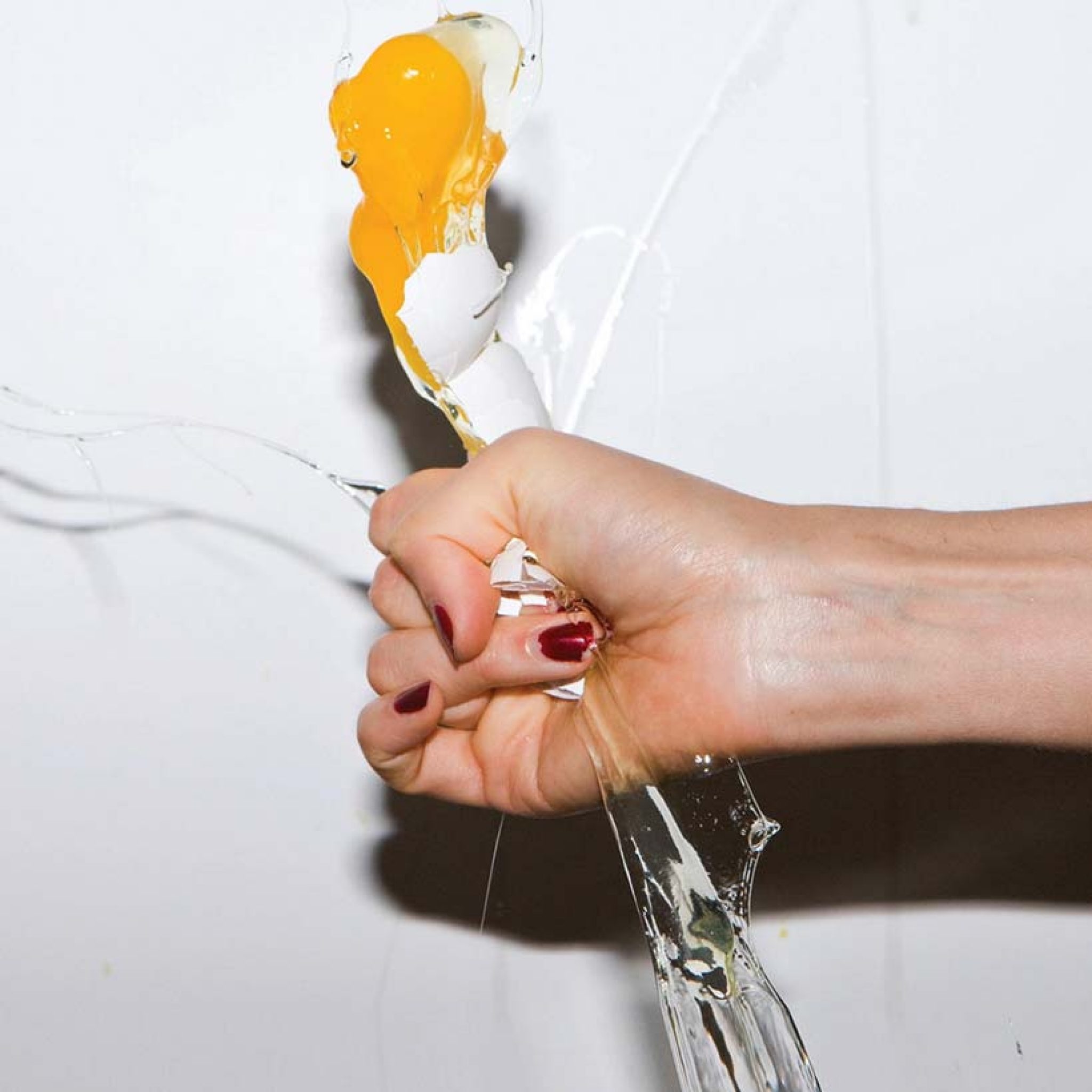
The article explores the enduring presence and symbolism of the egg as a motif throughout art history. It highlights works by artists from Hieronymus Bosch and Pieter Bruegel the Elder to Salvador Dalí and Constantin Brâncuși, showing how the egg has been used in painting, sculpture, and photography to represent themes of origin, life, and perfect form.

In London, Tracey Emin is Concerned with Death and Resurrection

In London geht es Tracey Emin um Tod und Auferstehung

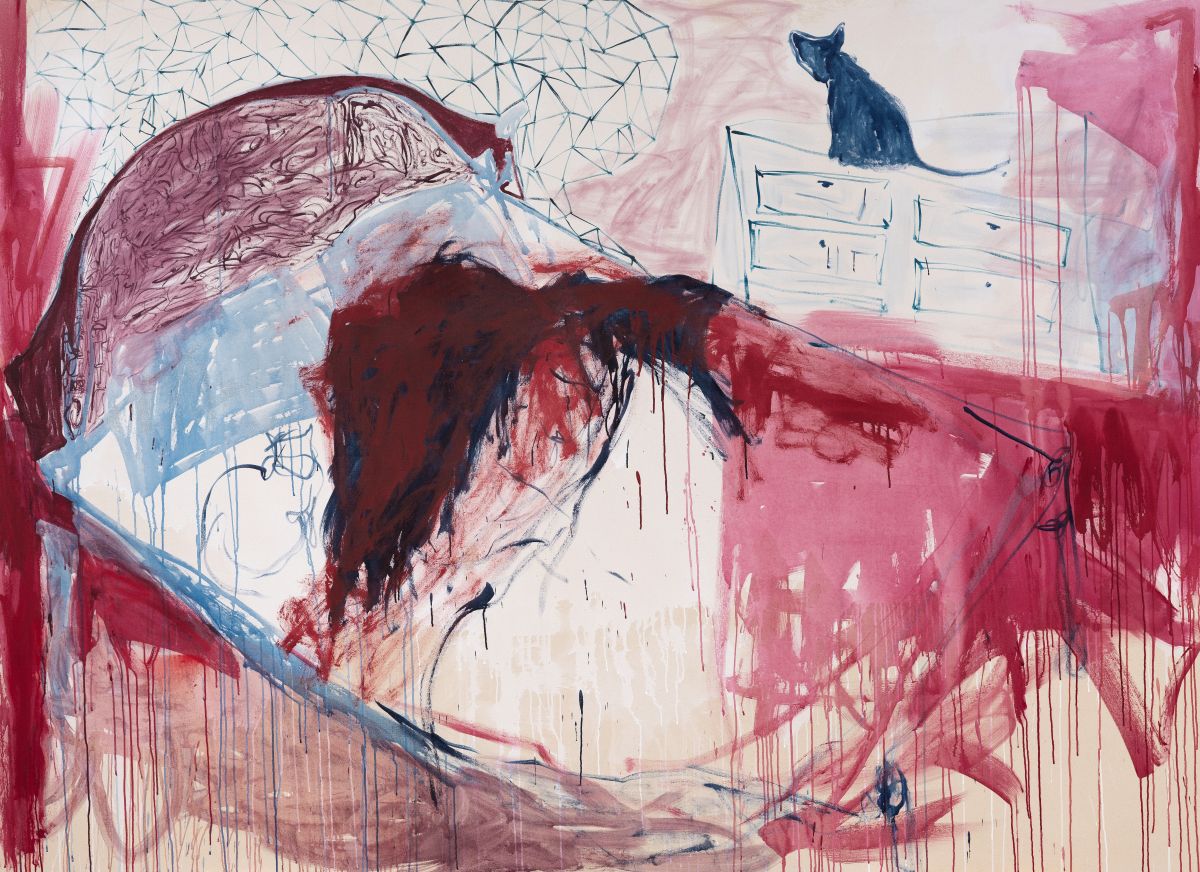
Tracey Emin has opened a major exhibition at the Tate Modern in London. The show, which follows her battle with an aggressive bladder cancer diagnosed in 2020, presents a new chapter in her work, focusing on themes of trauma, triumph, and the body.