arrow_back Back to all stories

person Amandine Coqueraut

newspaper Beaux Arts Magazine article 5 articles

Giovanni Segantini en 2 minutes

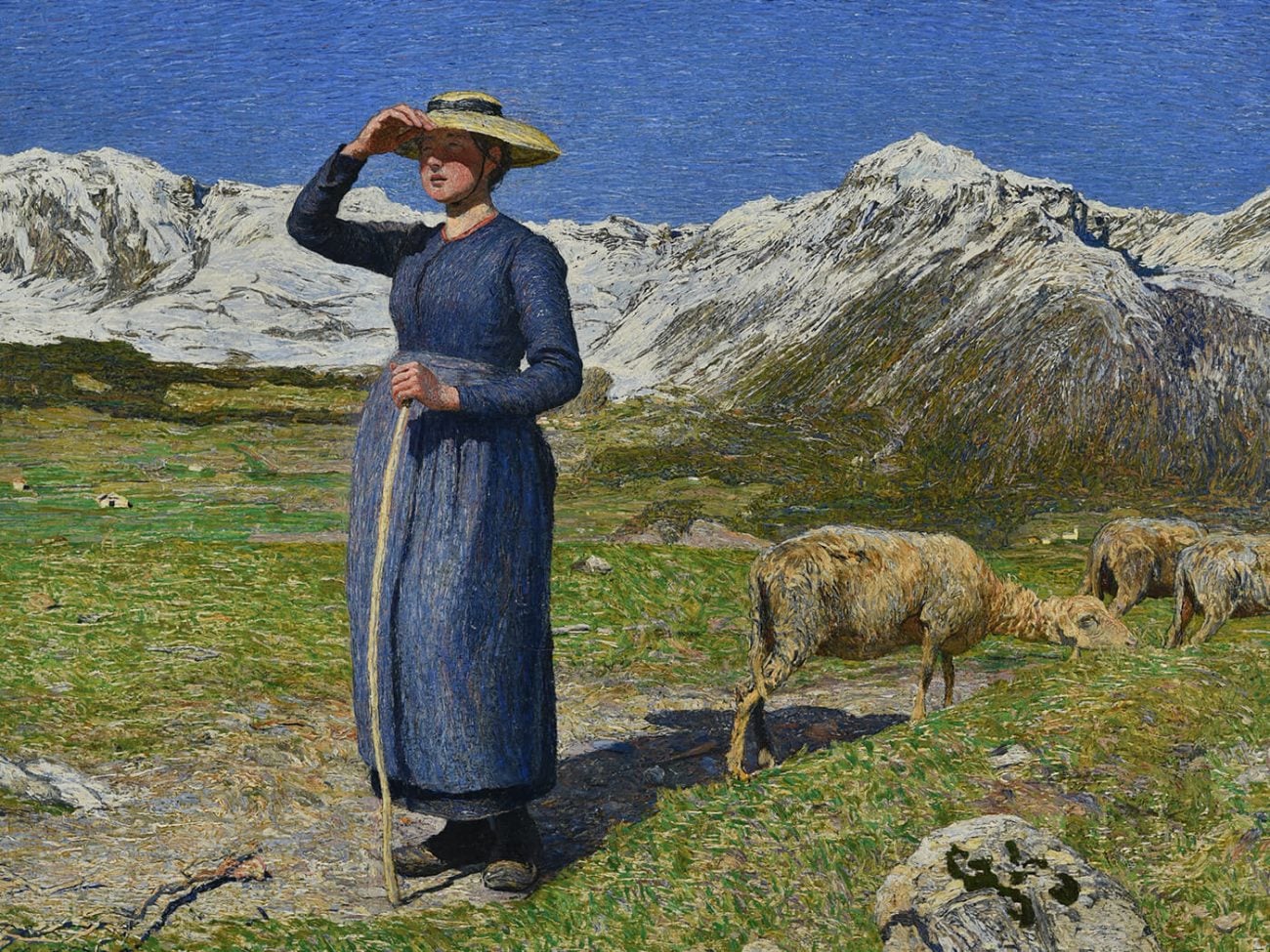
Giovanni Segantini (1858–1899), a key figure in Italian Divisionism and European Symbolism, is profiled in a concise biographical overview. The article traces his life from a difficult childhood in Arco, Trentino, through his training at the Accademia di Brera in Milan, his breakthrough with *Stalles du chœur de Sant'Antonio* in 1879, and his adoption of Divisionist technique in 1886. It highlights his move to the Swiss Alps, his friendship with Giovanni Giacometti, and his creation of major works such as *Ave Maria à la traversée* (1886) and *Midi dans les Alpes* (1891). The piece concludes with his death from peritonitis in 1899 while working on *La Nature* on the Schafberg mountain.
Sheila Hicks en 2 minutes

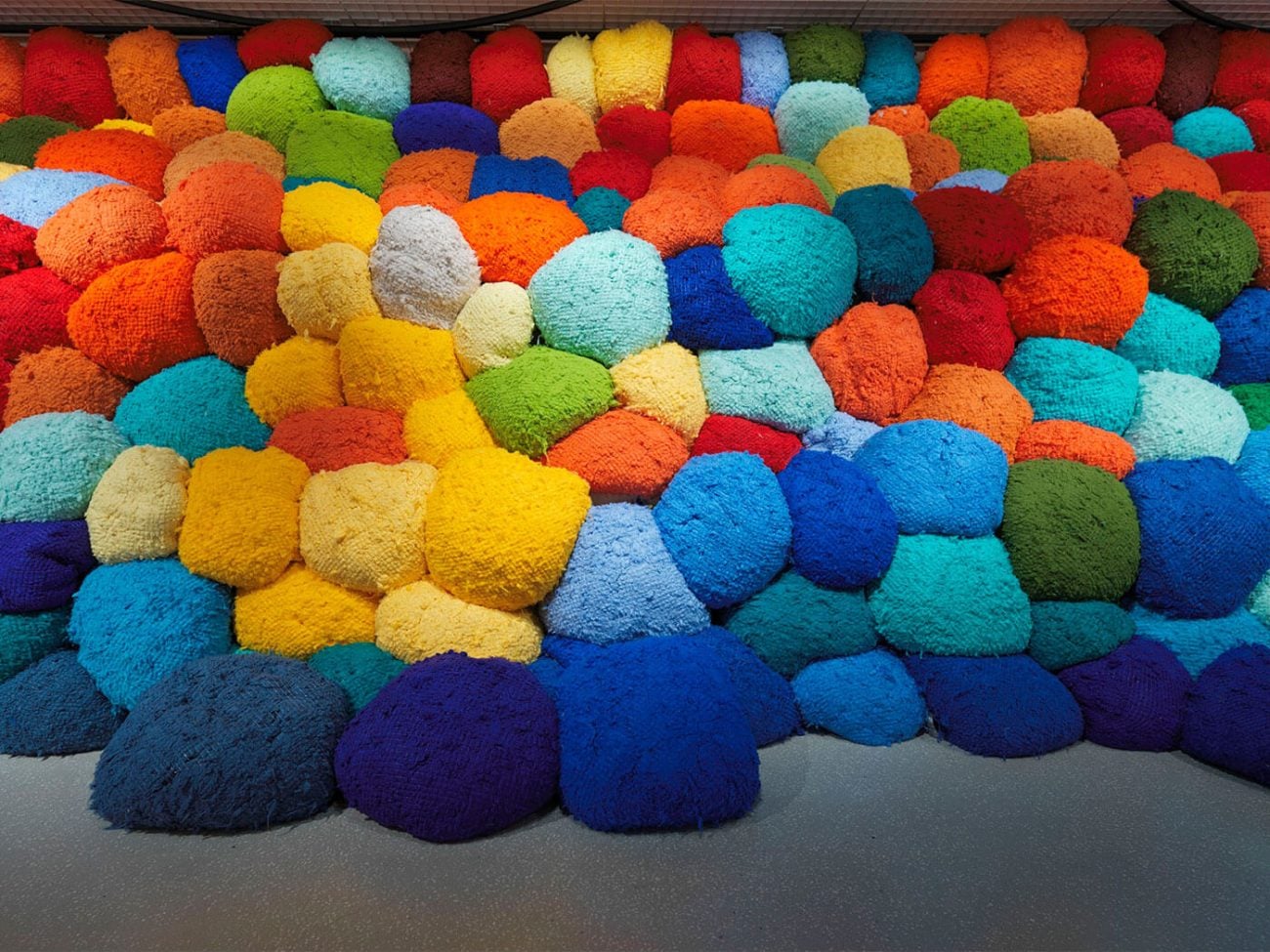
Sheila Hicks, the American textile artist born in 1934, is profiled in a concise overview of her career. The article traces her journey from studying under Josef Albers at Yale and learning weaving from Andean artisans in Chile, to establishing her studio in Mexico and later Paris. It highlights her monumental commissions for hotels, embassies, and public spaces, as well as her intimate "Minimes" works. Key milestones include her 2014 piece "Pillar of Inquiry/Supple Column" at the Whitney Biennial, her 2017 installation at the Venice Biennale, and a major retrospective at the Centre Pompidou in 2018.

Ary Scheffer en 2 minutes

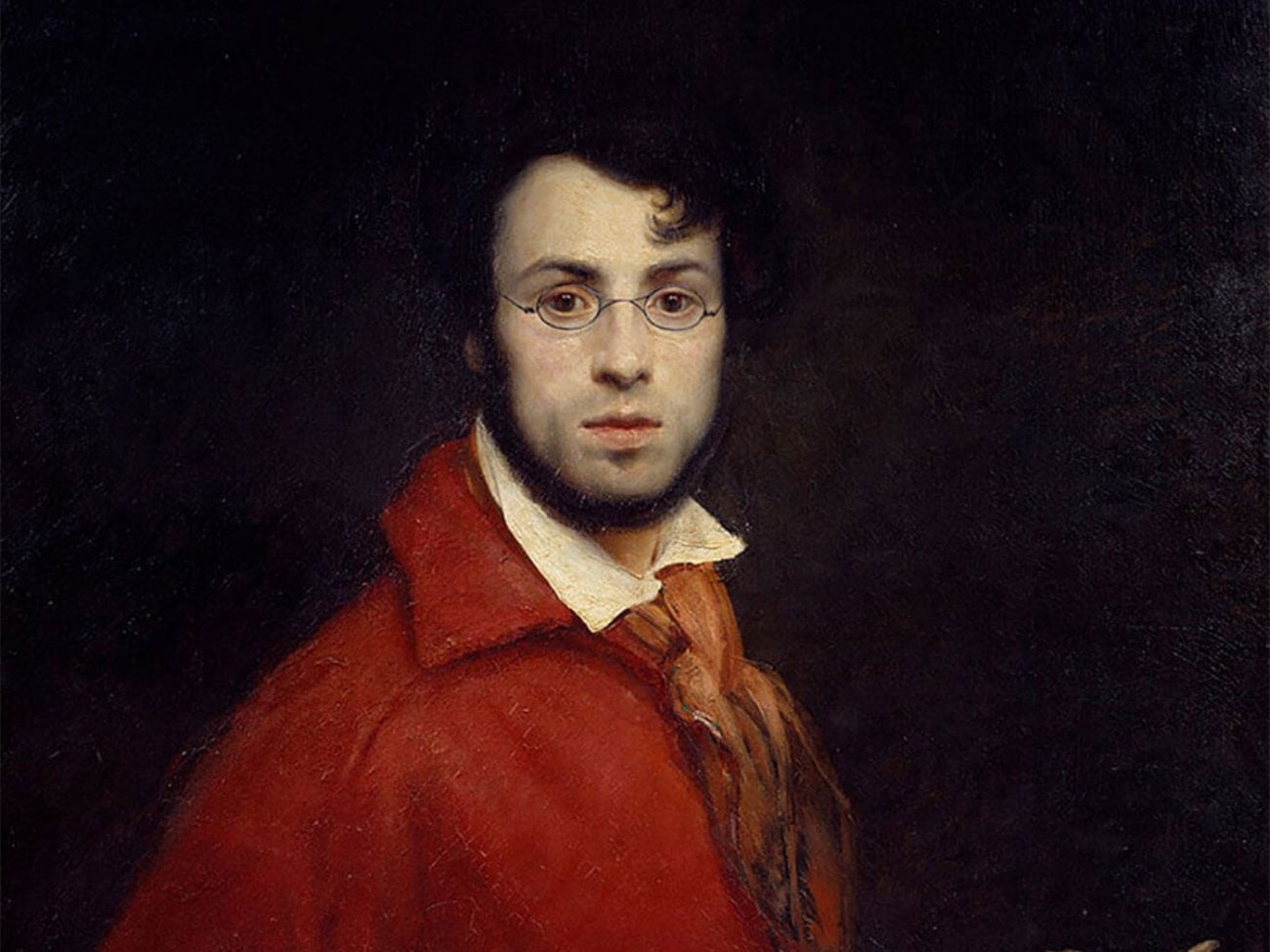
Ary Scheffer (1795–1858) was a Dutch-born Romantic painter who became a central figure in Parisian artistic and cultural life during the July Monarchy. He was the official portraitist of the Orléans family and created deeply melancholic, spiritual works inspired by Dante, Goethe, and the Gospels. His studio at 16 rue Chaptal, in the Nouvelle Athènes district, hosted legendary Friday gatherings attended by Chopin, Liszt, George Sand, and Dickens, and now houses the Musée de la Vie romantique. Key works include *Le Dévouement patriotique des six Bourgeois de Calais* (1819) and *Les Femmes souliotes* (1827), both acquired by the French state.

Martin Schongauer in 2 Minutes

Martin Schongauer en 2 minutes

Martin Schongauer (c. 1445–1491), the Alsatian painter, draftsman, and engraver, is celebrated as the greatest German copperplate engraver before Albrecht Dürer and one of the first artists to achieve pan-European fame in his lifetime. The article outlines his life and career, from his early training in his father's goldsmith workshop in Colmar to his studies at the University of Leipzig and travels through Flanders, where he absorbed the influence of Rogier van der Weyden and Dirk Bouts. It highlights his 116 copper engravings, signed with the monogram 'M+S', which elevated engraving to a high art and circulated from Spain to Bohemia, inspiring Dürer and the young Michelangelo. Key works discussed include the painting 'La Vierge au buisson de roses' (1473) and the engraving 'La Tentation de saint Antoine' (c. 1470–1475).

Nicéphore Niépce in 2 Minutes

Nicéphore Niépce en 2 minutes

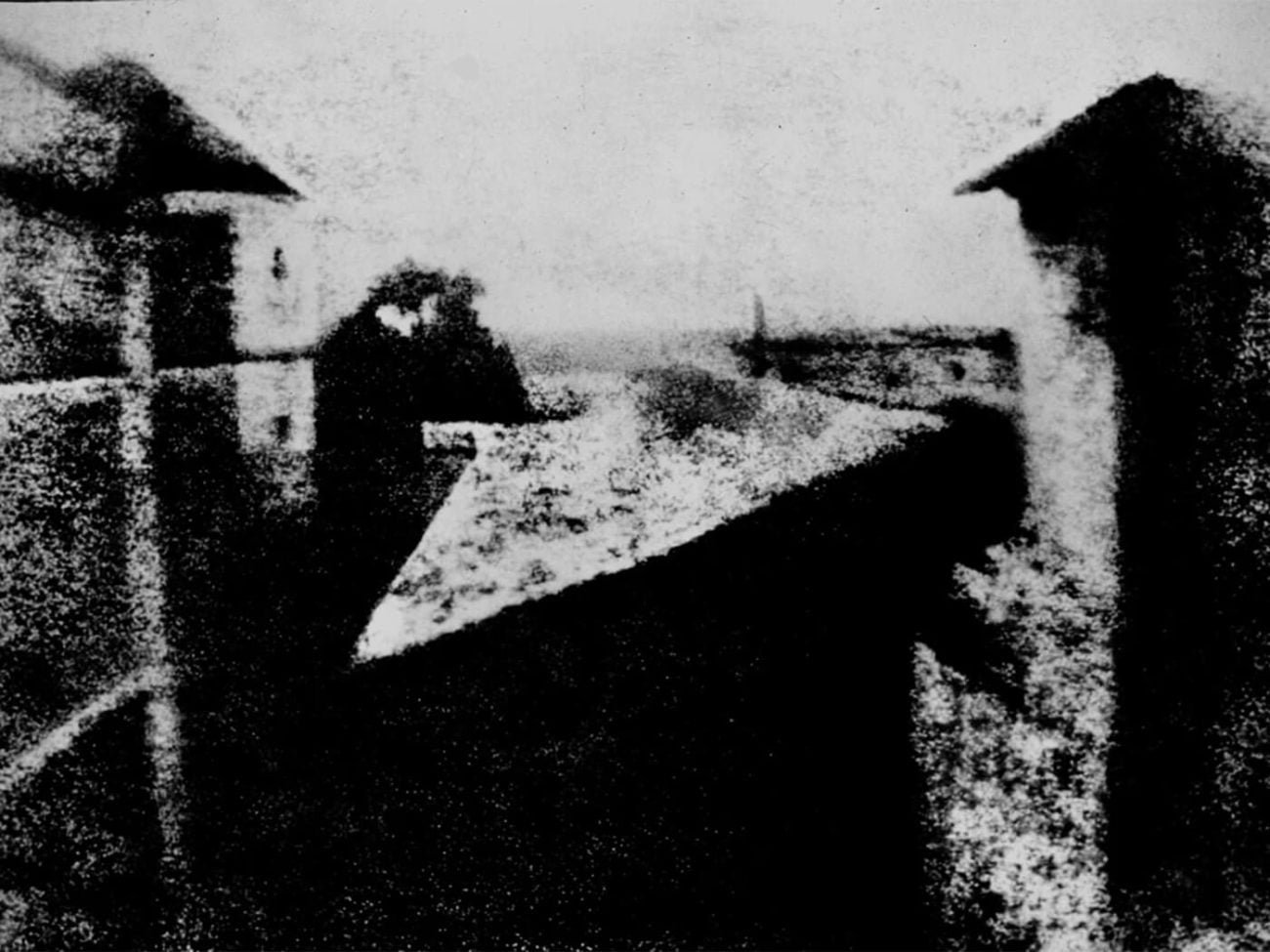
Joseph Nicéphore Niépce, a Burgundian engineer and inventor, is credited with creating the world's first permanent photograph, "Point de vue du Gras," in 1827. Using a process he termed heliography, Niépce utilized bitumen of Judea on pewter plates to fix images captured in a camera obscura. Despite his groundbreaking achievement, he died in relative obscurity in 1833, shortly after entering a partnership with Louis Daguerre, who would later receive the primary credit for the invention of photography.