
Nicéphore Niépce en 2 minutes
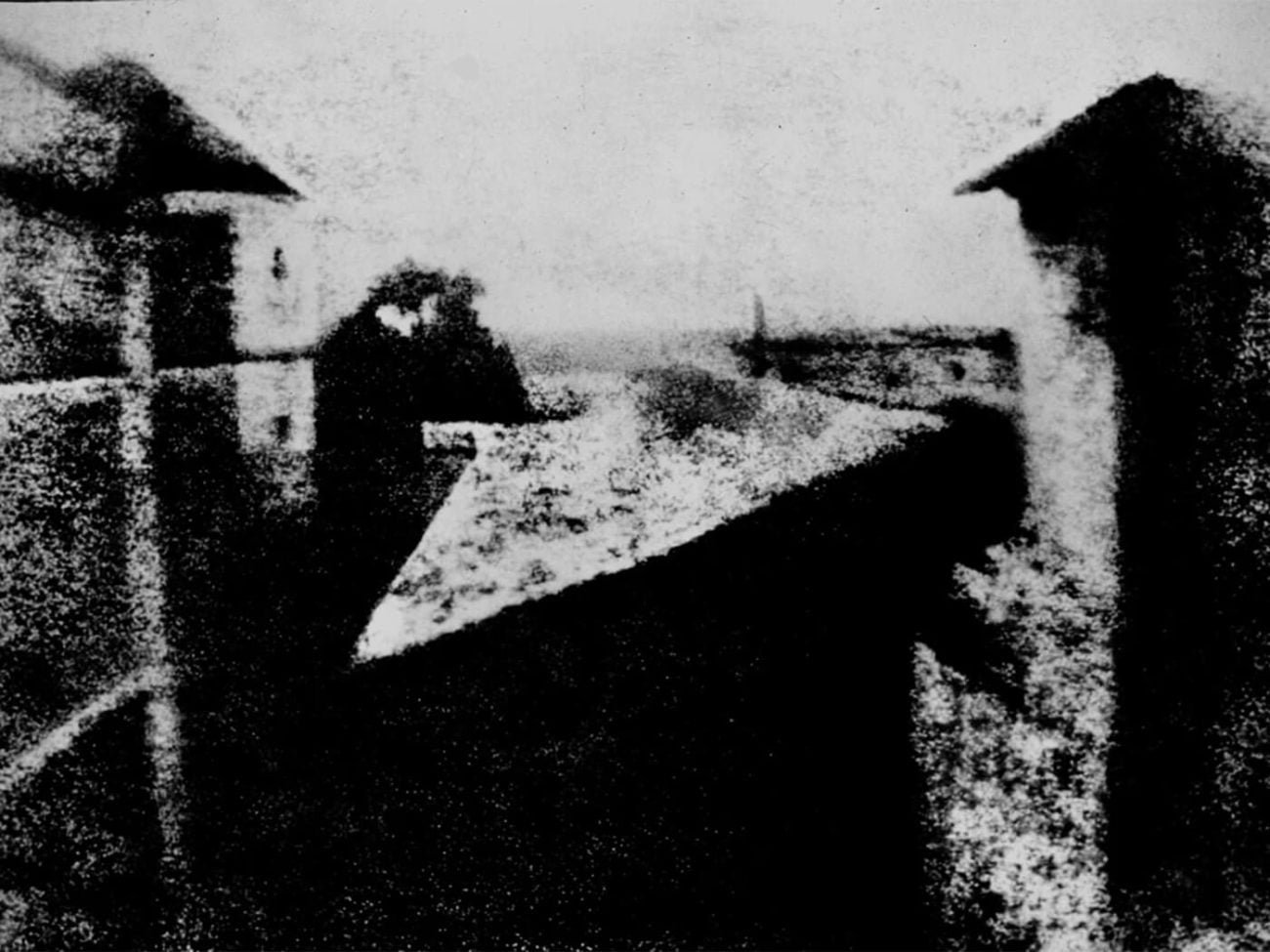
Joseph Nicéphore Niépce, a Burgundian engineer and inventor, is credited with creating the world's first permanent photograph, "Point de vue du Gras," in 1827. Using a process he termed heliography, Niépce utilized bitumen of Judea on pewter plates to fix images captured in a camera obscura. Despite his groundbreaking achievement, he died in relative obscurity in 1833, shortly after entering a partnership with Louis Daguerre, who would later receive the primary credit for the invention of photography.
Niépce’s legacy is fundamental to the history of visual culture, marking the transition from manual representation to chemical image fixation. His work represents a pivotal intersection of art and science, and the rediscovery of his original plates in 1952 by historian Helmut Gernsheim solidified his status as the true pioneer of the photographic medium. This profile highlights the technical evolution of his process and the unfortunate historical overshadowing of his contributions by the more commercially successful daguerreotype.