arrow_back Back to all stories

person Constanza Ontiveros Valdés

newspaper The Art Newspaper article 12 articles

Mexico City museum with world's richest collection of Kahlo and Rivera works reopens after years of controversy

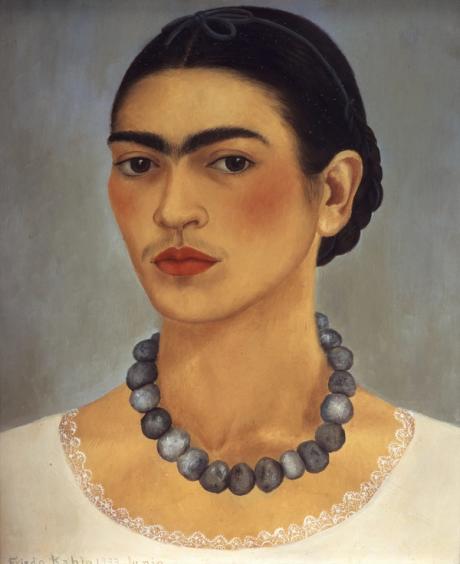
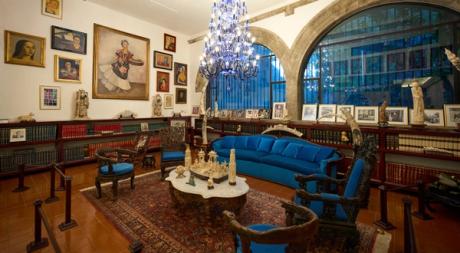
The Museo Dolores Olmedo in Xochimilco, Mexico City, reopened on May 30 after six years of closure and controversy over a planned relocation. The museum, housed in a former 16th-century hacienda, showcases the world's richest collection of works by Frida Kahlo and Diego Rivera, along with founder Dolores Olmedo's pre-Hispanic and popular arts. New galleries highlight Olmedo's private spaces and her decades-long bond with Rivera, including 98 of his works arranged chronologically and Kahlo's iconic painting *The Broken Column* (1944).
Chichén Itzá reopens after dispute with vendors that led to 13-day closure

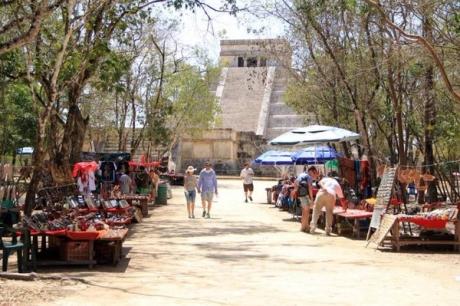
Chichén Itzá, Mexico's most visited archaeological site, reopened on June 1 after a 13-day closure triggered by a dispute over the relocation of more than 600 vendors and artisans to a new 16-hectare visitor facility called Catvi. The conflict involved the Indigenous Governing Council of Pisté Chichén Itzá (CIGPC), which filed a legal injunction and held protests, arguing insufficient community consultation and inadequate conditions at the new site. Authorities, including Mexico's National Institute of Anthropology and History (INAH), defended the project as part of the controversial Maya Train infrastructure, claiming it would improve security and visitor services.

Controversy resurfaces in Colombia over treasure-filled San José shipwreck

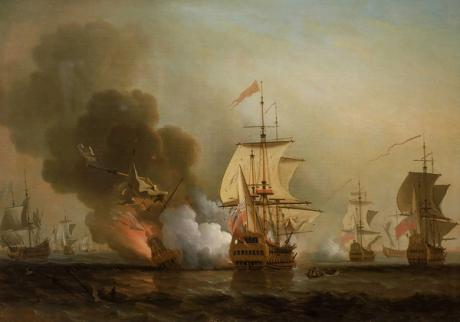
Controversy has resurfaced in Colombia over the San José, a Spanish galleon that sank in 1708 with a cargo of gold, silver, and emeralds. The oversight group Veeduría Nacional para el Control Social del Patrimonio Cultural Sumergido de Colombia (VNPCS) issued an open letter to the attorney general, alleging a lack of transparency, looting, and unauthorized interventions at the wreck site in 2016 and 2022. The group claims that the site's coordinates, considered a state secret, have been disclosed. The dispute involves multiple parties, including the Swiss treasure-hunting firm Maritime Archaeology Consultants (MAC), which helped locate the ship in 2015 and is now seeking compensation, and the US-based salvage company Sea Search Armada, which claims to have found the galleon in the 1980s and is seeking $10 billion. The ship was designated a protected archaeological area in 2024, placing it under the jurisdiction of the Colombian Institute of Anthropology and History (ICANH), but critics argue that earlier allegations of looting were ignored.

19th-century European weapons found in cenote in Mexico

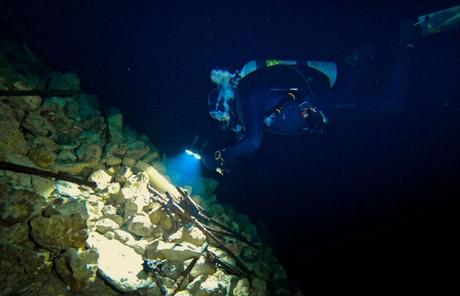
Archaeologists from Mexico's National Institute of Anthropology and History (INAH) have discovered 153 Spanish and British muskets and rifles, along with an iron cannon, in the Síis Já cenote beneath the 16th-century former convent San Bernardino de Siena in Valladolid, Mexico. The weapons were likely discarded by the Yucatecan government during the early years of the Caste War of Yucatán (1847-1901) to prevent them from falling into Maya rebels' hands. The site also yielded Maya ceramic pieces and 18th-century Chinese porcelain, and INAH reported debris and pollution affecting the cenote.

Pedro Reyes’s new Lacma commission sparks criticism in Mexico

Pedro Reyes's new sculpture 'Tlali' (2026), a four-meter-tall Olmec-inspired volcanic-stone female face installed at the Los Angeles County Museum of Art (Lacma), has sparked criticism in Mexico. An open letter signed by nearly 80 cultural figures, published on the art criticism site Cubo Blanco, alleges the work is a new version of a 2021 project that was canceled after backlash. That earlier project, 'Tlalli', was meant to replace a Christopher Columbus statue on Mexico City's Paseo de la Reforma but faced opposition from over 300 cultural figures who argued a male, non-Indigenous artist should not represent Indigenous women. The site later became the 'Glorieta de las Mujeres que Luchan', an anti-monument against gender violence.

Mass shooting at Mexico's Teotihuacan archaeological site leaves one dead, 13 injured

A mass shooting occurred at the Teotihuacan archaeological site in Mexico, leaving one Canadian tourist dead and 13 others from various nations injured. The gunman, identified as Julio César Jasso Ramírez, opened fire from atop the Pyramid of the Moon before killing himself at the scene.

New Bienal de Yucatán to spotlight Mexican region’s growing art scene

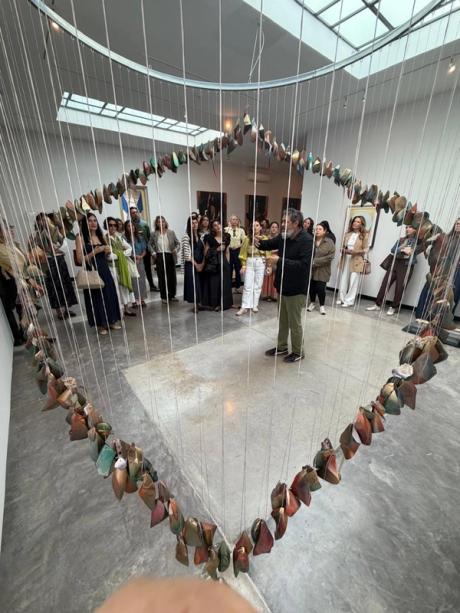
The city of Mérida is set to host the inaugural Bienal de Yucatán from November 2026 to February 2027, marking a significant milestone for the region's burgeoning contemporary art scene. Spearheaded by patron and curator Catherine Petitgas with artist Abraham Cruzvillegas serving as artistic director, the biennial aims to provide a formal platform for the city's dense ecosystem of over 40 galleries, international artist studios, and the Universidad de las Artes de Yucatán (UNAY). The announcement follows the successful debut of the Week of Art Yucatán (WAY), a multi-venue festival that showcased the city's unique blend of repurposed industrial spaces and traditional haciendas.

1,000-year-old Toltec altar with four human skulls found in Mexico

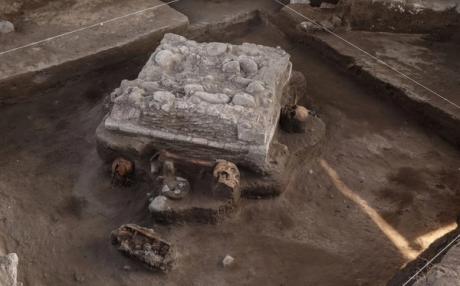
Archaeologists from Mexico’s National Institute of Anthropology and History (INAH) have discovered a 1,000-year-old Toltec altar during salvage work for a new high-speed rail line between Mexico City and Querétaro. The stone structure, known as a momoztli, dates back to AD 900-1150 and was found with four human skulls and leg bones arranged at its base, suggesting ritual or sacrificial use. Located near the ancient site of Tula Chico, the find also included ceramic objects and obsidian artifacts within a compound likely belonging to the local elite.

Mexico’s art community calls for greater transparency in management of treasured collection

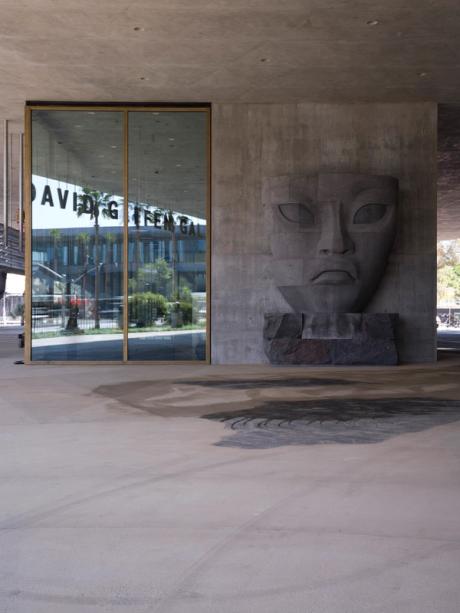
Over 350 Mexican cultural professionals have signed an open letter demanding greater transparency from the Instituto Nacional de Bellas Artes y Literatura (INBAL) regarding the management and export of the Gelman Collection. The collection, recently acquired by the Zambrano family and rebranded as the Gelman Santander Collection, includes 18 works by Frida Kahlo and other major 20th-century Mexican artists, with 30 pieces designated as national artistic monuments requiring state oversight.

500-year-old Aztec ritual offering uncovered in Mexico City

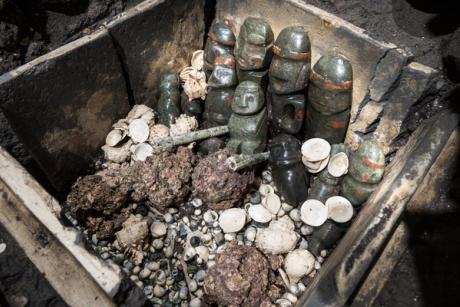
Archaeologists from Mexico's National Institute of Anthropology and History have uncovered a 500-year-old Aztec ritual offering at the Templo Mayor site in Mexico City. The discovery consists of six volcanic stone boxes containing greenstone sculptures, thousands of marine shells, copal spheres, and pendants, all forming a complete ceremonial assemblage from the reign of Emperor Moctezuma I (1440-1469).

Pedro Friedeberg, key figure in Mexican art renowned for hand-shaped chair, has died at age 90

Pedro Friedeberg, the Mexico-based artist and designer famed for his iconic Mano Silla (Hand Chair) created in 1962, has died at age 90. A key figure in 20th-century Mexican art, his singular work blended intricate, fantastical architecture with ornament and irony, creating a unique visual universe that defied easy categorization within movements like Surrealism or geometric abstraction.