arrow_back Back to all stories

person Daphné Bétard

newspaper Beaux Arts Magazine article 12 articles

Leandro Erlich, JR, Tomás Saraceno… Ces artistes qui transforment le réel

Beaux Arts Magazine profiles a group of contemporary artists who manipulate perception and reality through illusion, including Leandro Erlich, JR, Tomás Saraceno, and Fujiko Nakaya. The article highlights upcoming summer 2026 exhibitions: JR will wrap the Pont-Neuf in a giant trompe-l'oeil homage to Christo and Jeanne-Claude, Leandro Erlich will challenge perspective at the Grand Palais in Paris, Tomás Saraceno will create a manifesto work in Argentine salt flats addressing lithium mining and indigenous communities, and Fujiko Nakaya will envelop Honfleur in fog sculptures. The piece also references historical illusionists from antiquity to Op Art, citing E.H. Gombrich's theories on visual perception.
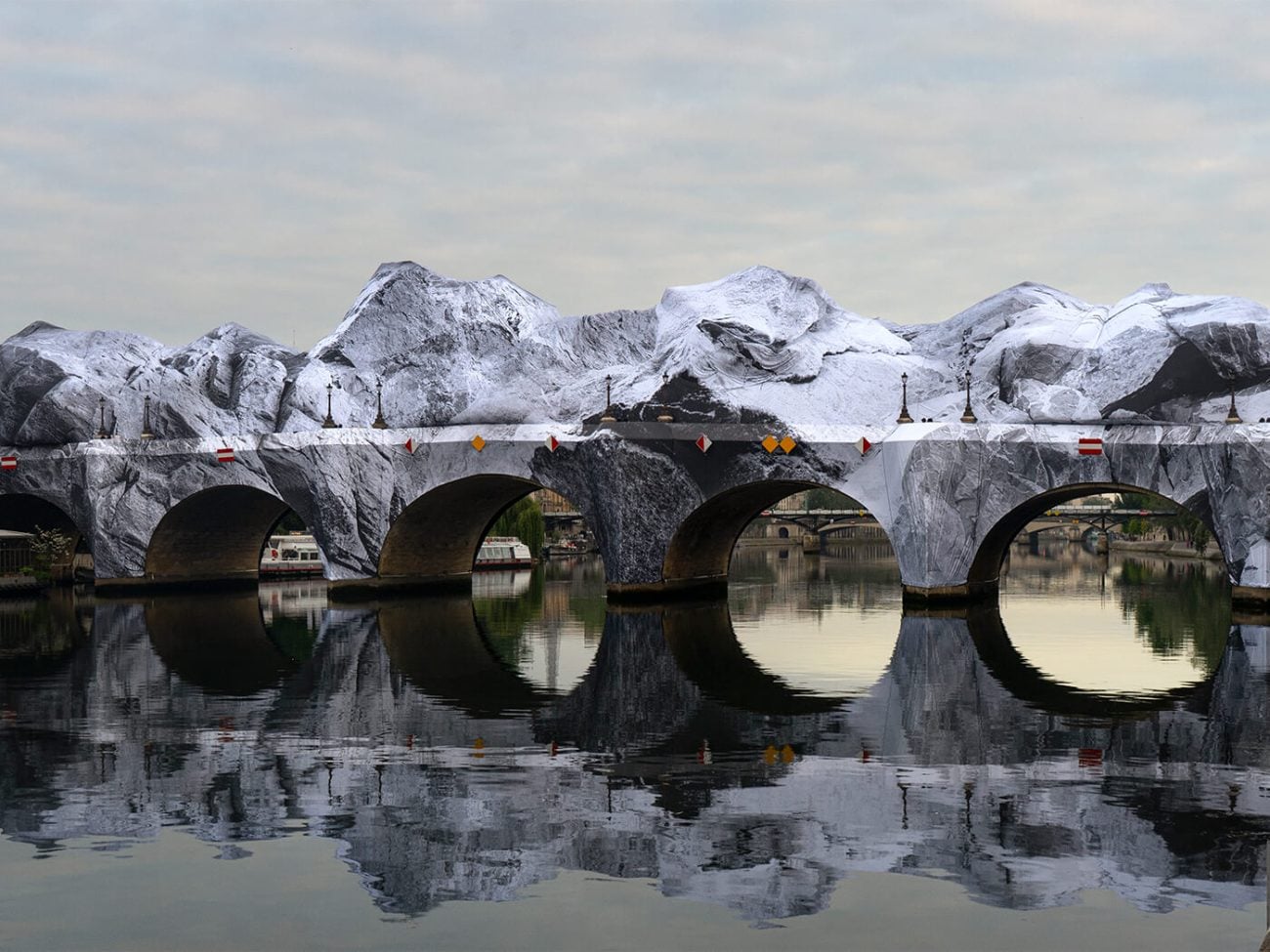
JR transforms the Pont-Neuf into an immense immersive cave

JR métamorphose le Pont-Neuf en immense caverne immersive

French artist JR has transformed the Pont-Neuf in Paris into a massive immersive cave installation titled "La Caverne du Pont-Neuf," unveiled in May 2026. The work pays homage to Christo and Jeanne-Claude's 1985 wrapping of the same bridge, using an inflatable double-wall structure covered with printed fabric to simulate rock formations and a prehistoric cave. The 120-meter-long installation is free and open to the public day and night, featuring augmented reality experiences via mobile devices and VR glasses, with a soundscape by a former Daft Punk member. The project, budgeted at €10.9 million funded by private sources, marks the first time JR has invited the public inside one of his works.

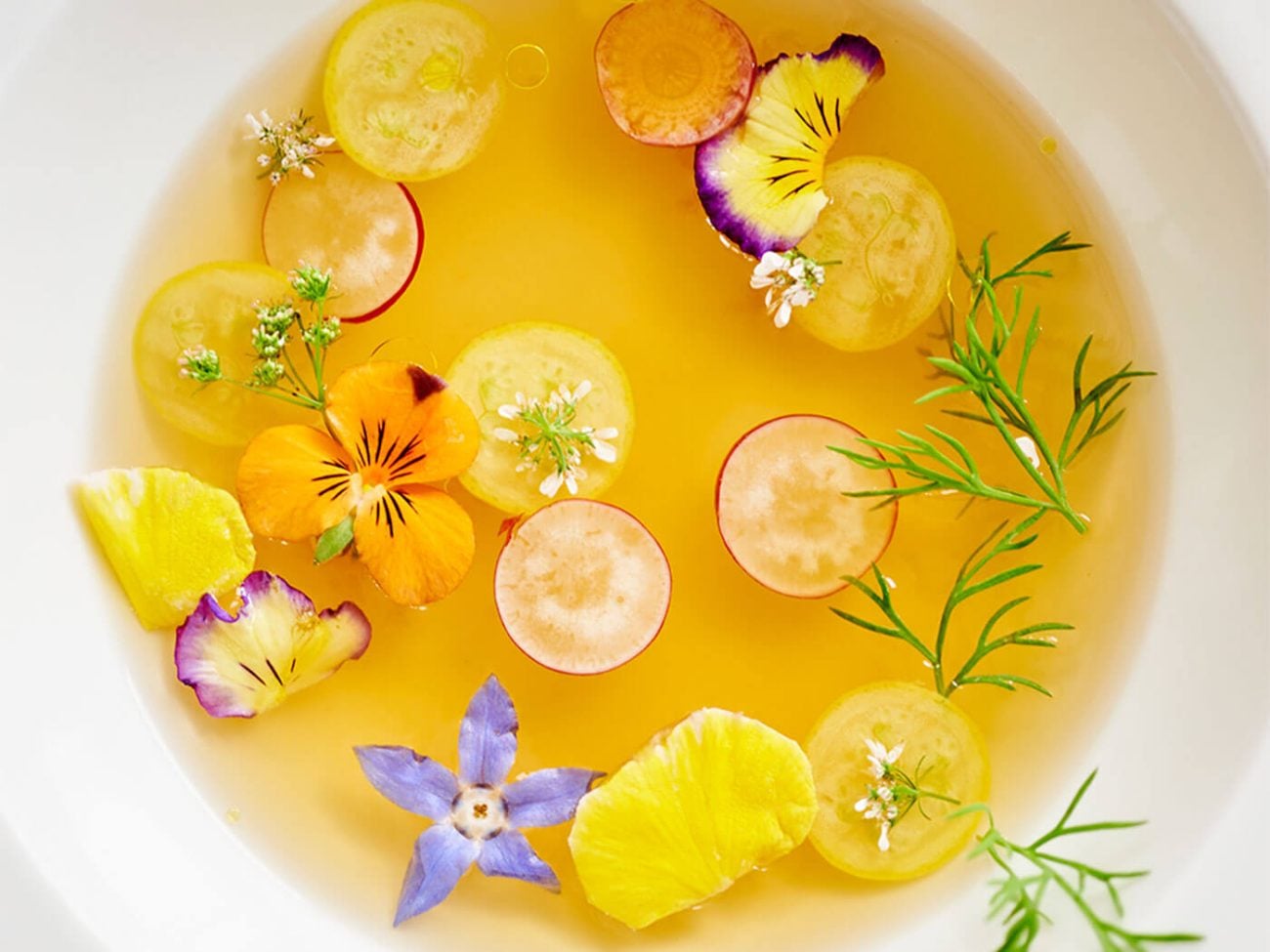
Alain Passard's Art Recipe: Monet's Sublime 'Water Lilies' Invade the Plate

La recette d’art d’Alain Passard : les sublimes « Nymphéas » de Monet s’invitent dans l’assiette

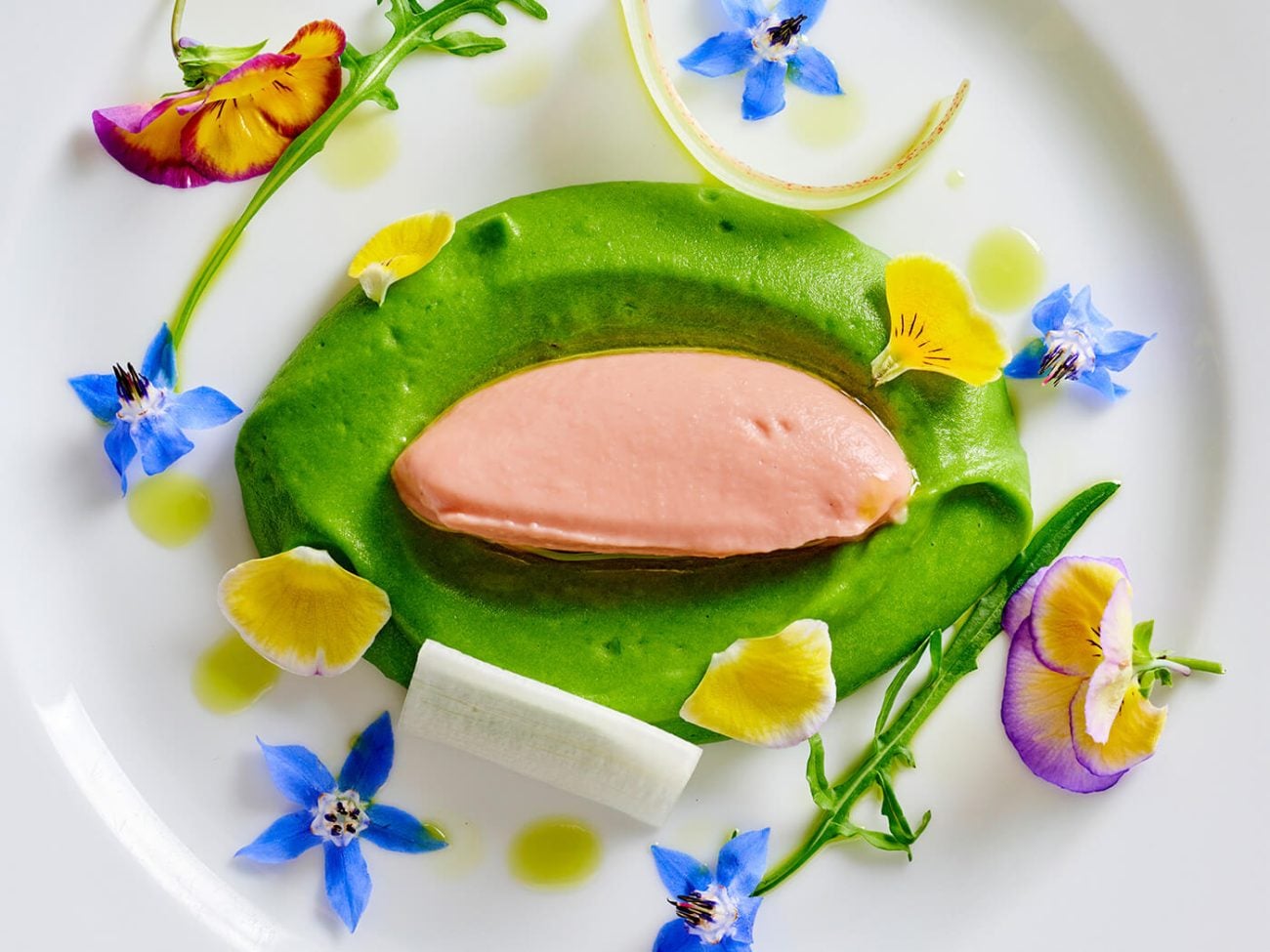
Chef Alain Passard shares a recipe inspired by Claude Monet's "Nymphéas" (Water Lilies) series, connecting the painter's obsessive depictions of his Giverny water garden to a spring consommé decorated with flower petals. The article recounts Monet's move to Giverny in 1883, his creation of a water garden, and his decades-long focus on painting the pond's surface, light, and reflections—culminating in the immersive panoramic panels gifted to France in 1918 and now housed at the Musée de l'Orangerie in Paris.

Biennale de Venise 2026 : les saturnales éblouissantes d’Yto Barrada pour le pavillon français

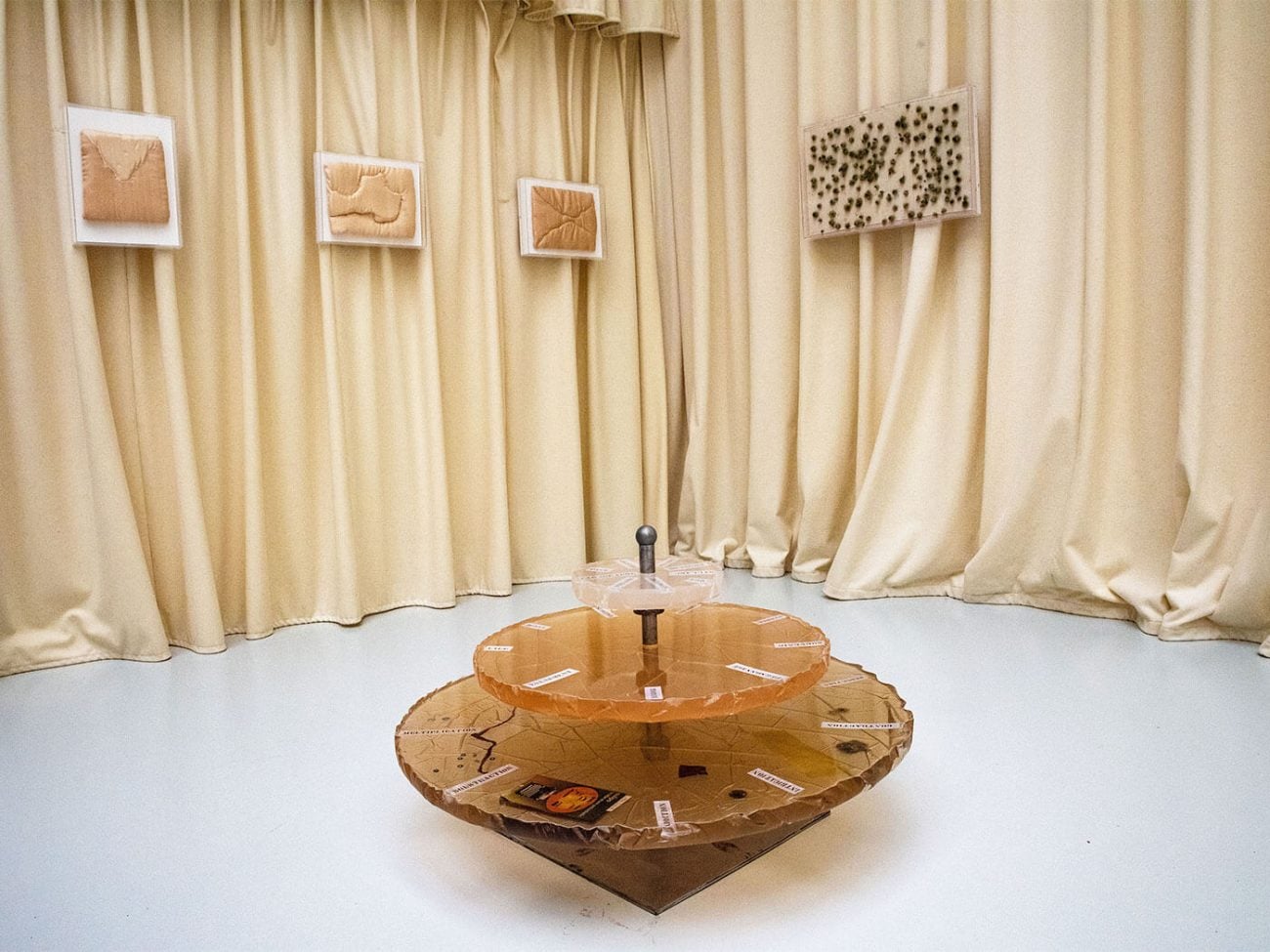
Yto Barrada has been selected to represent France at the 61st Venice Biennale in 2026 with her exhibition "Comme Saturne" (Like Saturn) in the French Pavilion. The installation features rebellious stage curtains hiding wasp nests and a copper daguerreotype plate of a planet, a large rock, a Wheel of Fortune, and a nostalgic vanitas arrangement around a missing mirror frame. Curated by Myriam Ben Salah, the show explores textile and natural dyeing, with three cabinets addressing the transmission of know-how, migration of plants and people, postcolonial history, and Enlightenment imperialism. A central room displays 70 pieces forming a symmetrical frieze of red natural dyes, while a black monochrome patchwork highlights the difficulty of achieving black in dyeing. Barrada is the fifth woman to represent France at the Biennale.

« Les artistes sont des fous, des enfants » : rencontre avec Annette Messager au cœur du bric-à-brac poétique de son atelier

French artist Annette Messager, 82, welcomes Beaux Arts Magazine into her Malakoff studio and home ahead of her exhibition at the Musée de la Chasse et de la Nature in Paris. The studio is a chaotic, poetic bric-à-brac filled with hybrid creatures, stuffed toys, anatomical objects, and textile works, including her iconic piece "Les Piques" (1992–1993). Messager, who won the Golden Lion at the Venice Biennale in 2005, discusses her playful yet serious approach to art, describing artists as "mad, like children" who play constantly, sometimes very seriously. Her upcoming shows include presentations at Centre Pompidou Málaga, Galería Albarrán Bourdais in Madrid, the National Taiwan Museum of Fine Arts, and the Kunsthalle Prague.

Who is Yto Barrada, France's representative at the Venice Biennale with a world-spanning work?

Qui est Yto Barrada, représentante de la France à la Biennale de Venise avec une œuvre-monde ?

Yto Barrada, the artist representing France at the 2026 Venice Biennale, has created a multidisciplinary installation titled "Saturne" for the French Pavilion. The work centers on textiles and natural dyeing, weaving together themes of postcolonial history, migration, craft transmission, and the symbolism of Saturn—from its astronomical mystery to its mythological role as the devourer of children. The installation features wool curtains, Aubusson tapestry, goat skins, wasp-nest sculptures, masks, muzzles, a color chart, and video, all housed in a renovated pavilion designed with the help of numerous artisans. Barrada, born in Paris in 1971 and raised in Tangier, founded the Cinémathèque de Tanger and later The Mothership, a research center focused on textiles and natural dyes. The exhibition is curated by Myriam Ben Salah.

Writer Thomas Clerc casts a tender fictional gaze on Montmartre's 'daubs'

L’écrivain Thomas Clerc pose, à travers une fiction, un regard tendre sur les « croûtes » de Montmartre

French writer and essayist Thomas Clerc has published a new fiction titled "Croûtes" as the fifteenth volume in the "Fléchette" collection by éditions sun/sun. The book draws inspiration from a single autochrome image taken from the Musée Albert-Kahn's "Archives de la planète" (1909–1931), specifically a one-minute film shot in March 1927 at the Foire aux croûtes in Montmartre, Paris. Clerc's narrative tenderly and humorously explores the life of an amateur painter and the infinite possibilities of so-called "croûtes"—a French slang term for amateurish or kitsch paintings that exist outside institutional recognition.

First Indigenous Representative of Peru at the Venice Biennale, Sara Flores Opens the Doors of Her Studio in the Heart of the Amazon

Première représentante autochtone du Pérou à la Biennale de Venise, Sara Flores ouvre les portes de son atelier au cœur de l’Amazonie

Sara Flores, a 76-year-old artist from the Shipibo-Konibo Indigenous community in the Peruvian Amazon, has been selected as the first Indigenous artist to represent Peru at the Venice Biennale. In her open-air studio deep in the rainforest, she creates large-scale geometric compositions in the kené ("true drawing") tradition, using natural dyes from local plants. She is also co-founder of the Bakish Mai Multiversity, an educational institution dedicated to Indigenous knowledge and artist residencies, alongside Matteo Norzi, one of the two curators of the Peruvian pavilion. The article offers an intimate portrait of her life, her matriarchal family, and her creative process.

Alain Passard’s Art Recipe: An Island of Tastes Wrapped in the Style of Christo and Jeanne-Claude

La recette d’art d’Alain Passard : un îlot de goûts emballé façon Christo et Jeanne-Claude

Michelin-starred chef Alain Passard pays tribute to the monumental environmental installations of Christo and Jeanne-Claude through a culinary creation. The article highlights the duo's 1983 project 'Surrounded Islands,' where they encircled eleven islands in Miami's Biscayne Bay with 600,000 square meters of floating pink polypropylene fabric, a work that exemplified their commitment to self-funded, accessible, and ephemeral public art.

Alexander Calder, Brilliant Sculptor of Air and Color Celebrated at the Fondation Vuitton

Alexander Calder, génial sculpteur de l’air et de la couleur célébré à la fondation Vuitton

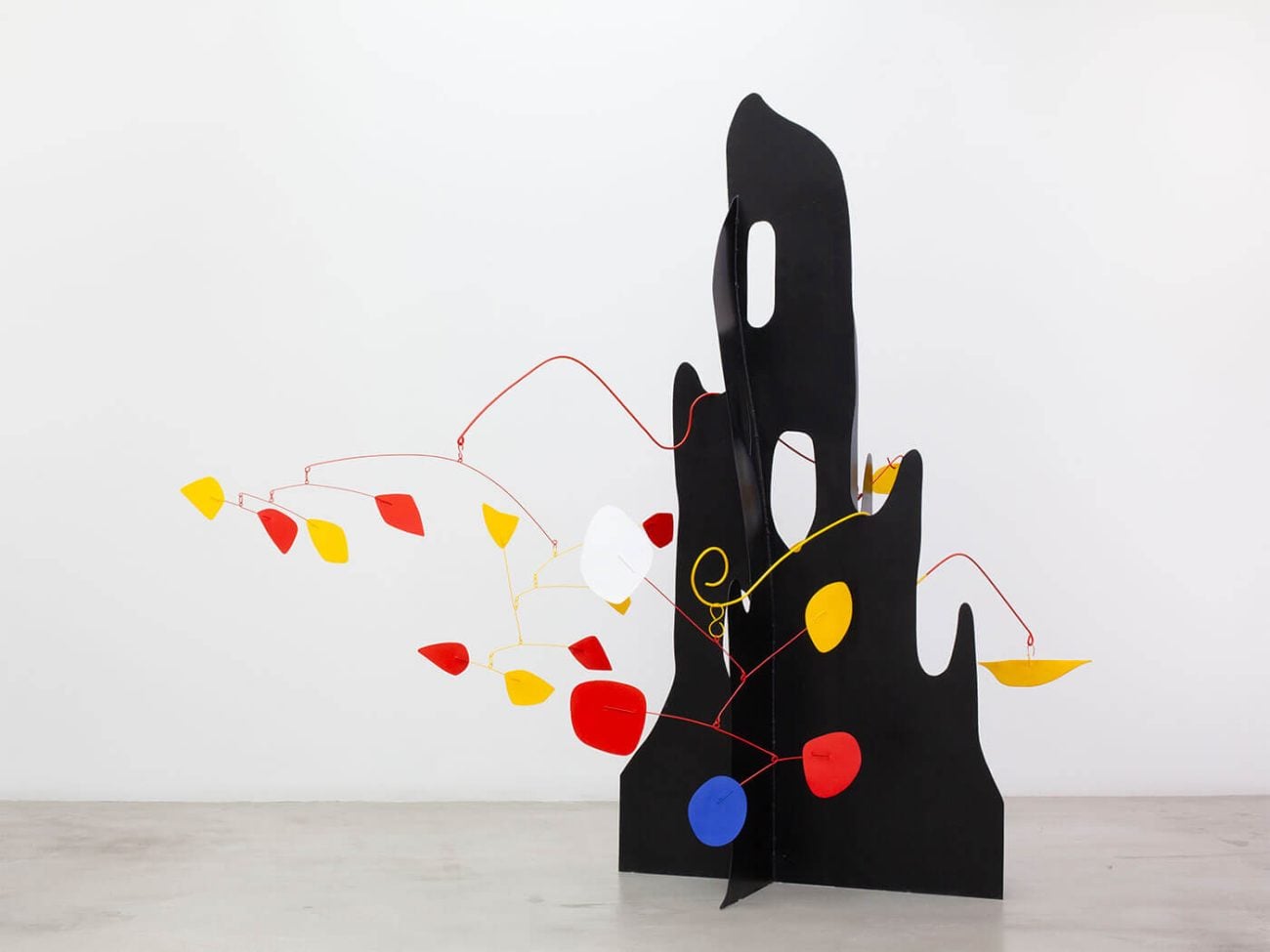
The Fondation Louis Vuitton is hosting a major celebration of Alexander Calder, the American sculptor who revolutionized 20th-century art by introducing movement and play into the medium. The article traces Calder's formative years in Paris starting in 1926, where the young engineer-turned-artist gained avant-garde fame with his 'Cirque Calder'—a miniature circus of wire and fabric figurines. This period marked his transition from traditional painting to his signature 'drawings in space,' featuring wire sculptures of figures like Josephine Baker that projected dancing shadows and captured the kinetic energy of the era.

Extraterrestrial Art Created During Space Observatory Residencies on View in Mouans-Sartoux

À Mouans-Sartoux s’expose l’art extra-terrestre créé lors des résidences de l’Observatoire de l’espace

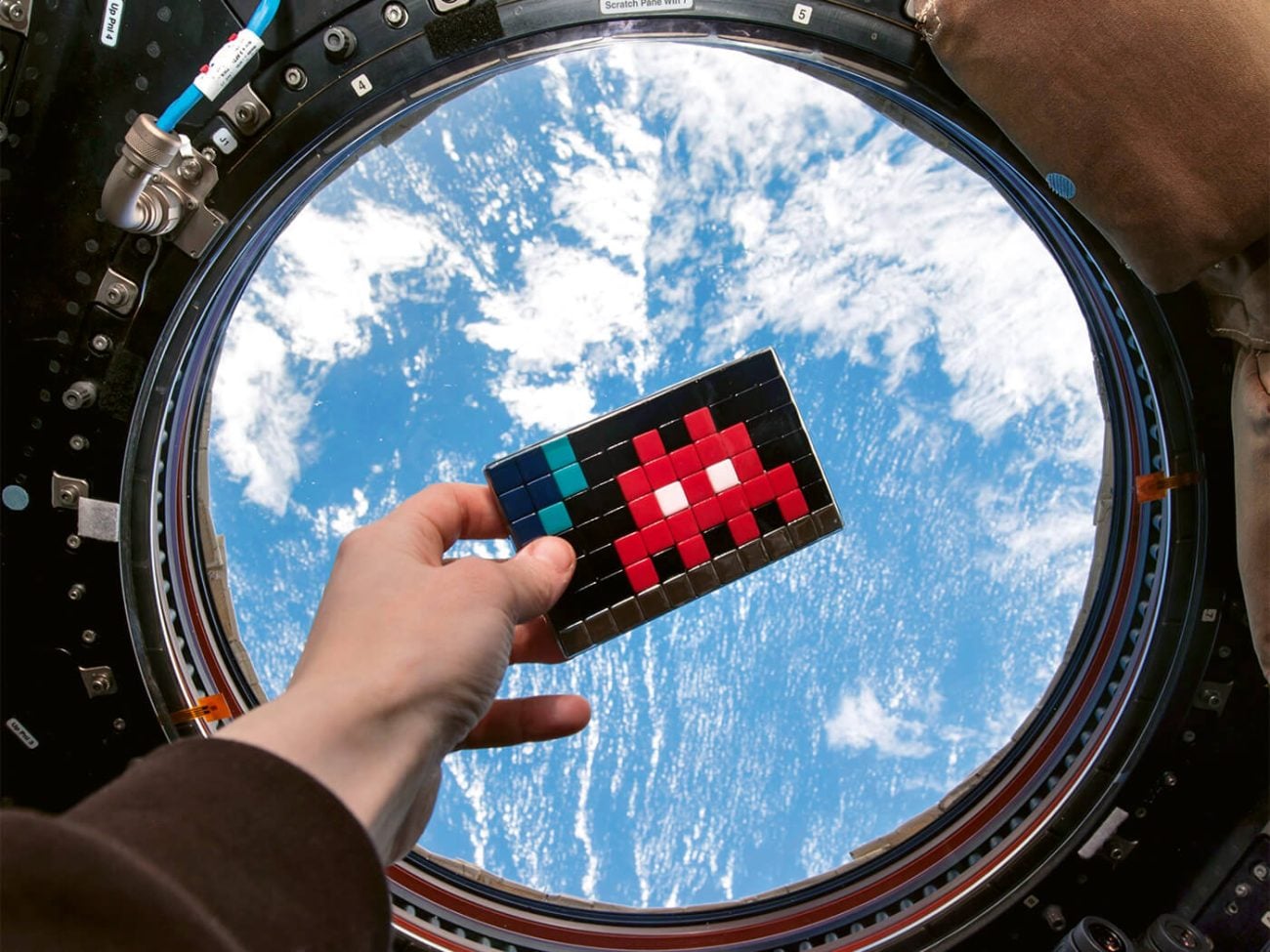
The Espace de l’art concret in Mouans-Sartoux is hosting a landmark exhibition featuring "extraterrestrial" artworks created through the Observatoire de l’espace’s residency program. Since 2006, this cultural laboratory of the French National Centre for Space Studies (CNES) has invited artists like Renaud Auguste-Dormeuil, Stéphane Thidet, and Victoire Thierrée to produce works in zero-gravity environments. These creations are born aboard parabolic flights on the Airbus A310 Zero G or via stratospheric balloons, where physical laws like gravity and atmospheric pressure are suspended.

1815, a Key Year for the Question of Art Restitution at the Heart of an Enlightening Book

1815, année clé de la question des restitutions d’œuvres d’art au cœur d’un ouvrage éclairant

Art historian Bénédicte Savoy has released a new book, "1815, le temps du retour," which examines the massive wave of art restitutions following the collapse of the Napoleonic Empire. Between 1794 and 1811, French revolutionary and imperial forces seized thousands of artworks and cultural objects from across Europe to fill the Louvre under the guise of creating a universal museum. After Napoleon's defeat in 1815, the subsequent return of these works sparked a global debate involving intellectuals and politicians regarding national identity, cultural property, and the legal status of looted heritage.

Lee Miller at the Musée d’Art Moderne: The Future Great Photographer Who Went from Rebel Child to Vogue Model

Lee Miller au musée d’Art moderne : la futur grande photographe passée de l’enfant rebelle au mannequin Vogue

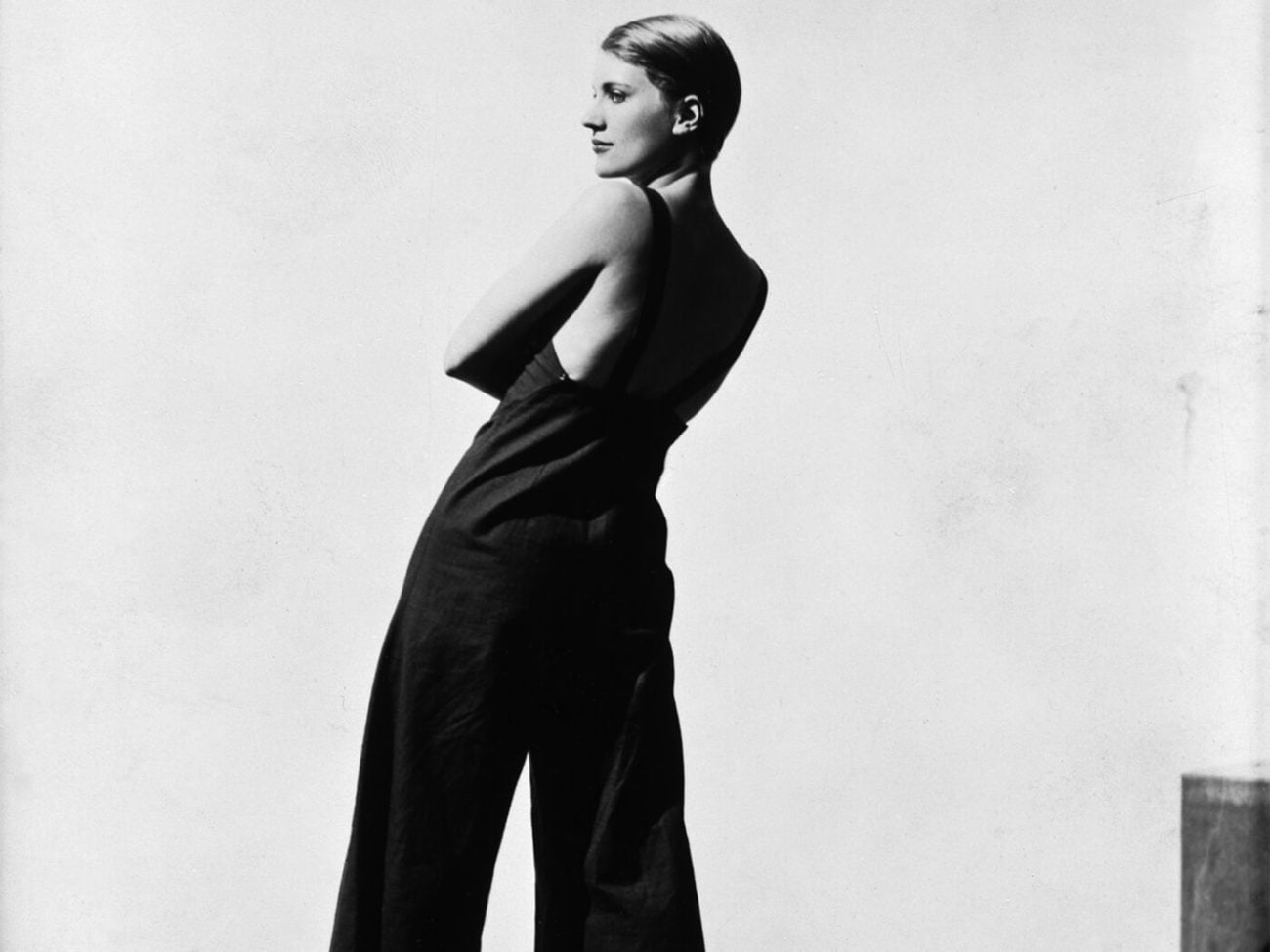
The Musée d’Art Moderne in Paris is hosting a major retrospective dedicated to Lee Miller, tracing her evolution from a rebellious child in upstate New York to a celebrated Vogue model and pioneering surrealist photographer. The exhibition highlights her early life under the influence of her father, Theodore Miller, an amateur photographer who introduced her to the technical aspects of the darkroom, and her subsequent move to Paris in 1930 where she transitioned from being a muse for photographers like George Hoyningen-Huene to a formidable artist in her own right.