
1815, année clé de la question des restitutions d’œuvres d’art au cœur d’un ouvrage éclairant
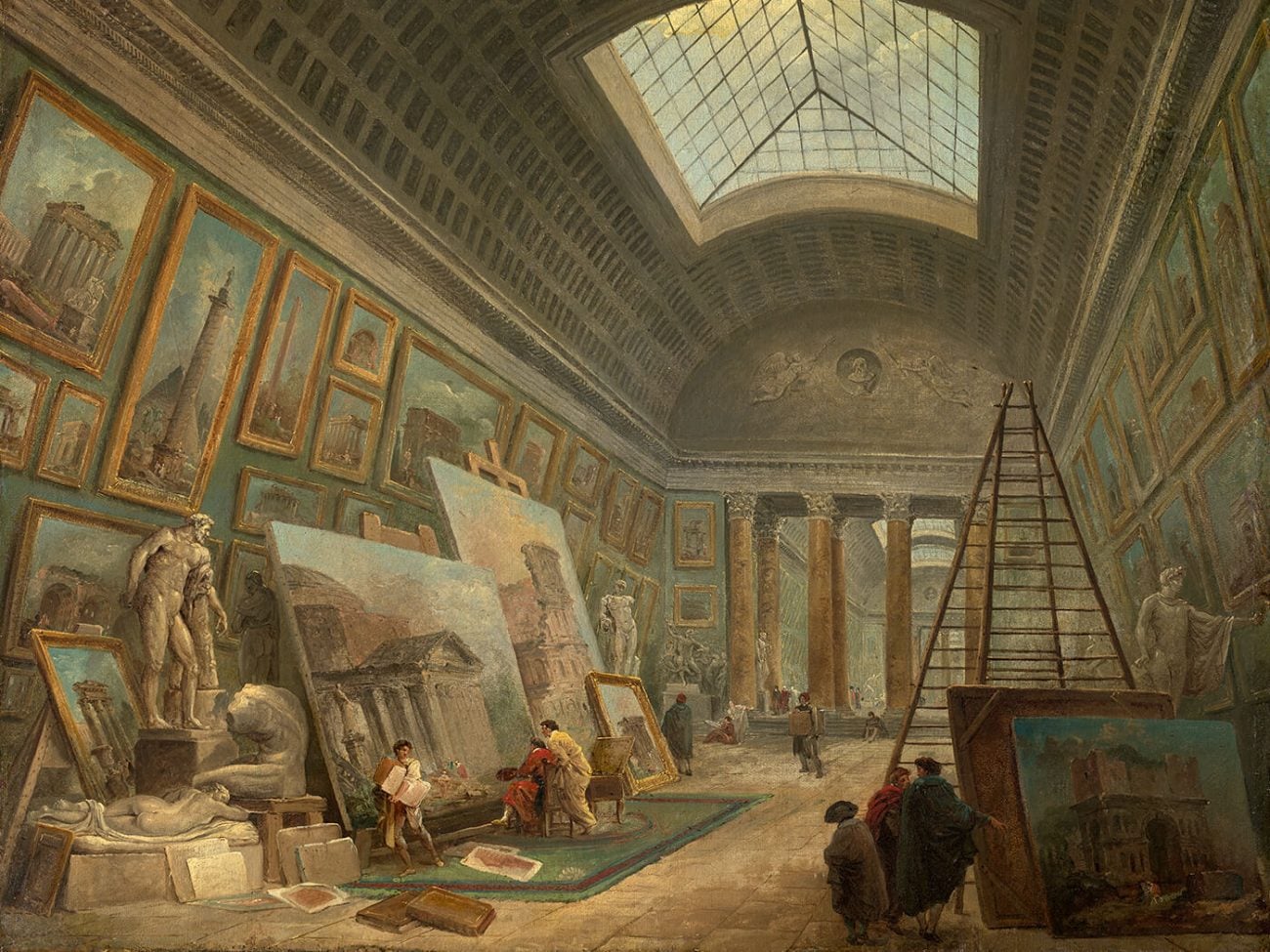
Art historian Bénédicte Savoy has released a new book, "1815, le temps du retour," which examines the massive wave of art restitutions following the collapse of the Napoleonic Empire. Between 1794 and 1811, French revolutionary and imperial forces seized thousands of artworks and cultural objects from across Europe to fill the Louvre under the guise of creating a universal museum. After Napoleon's defeat in 1815, the subsequent return of these works sparked a global debate involving intellectuals and politicians regarding national identity, cultural property, and the legal status of looted heritage.
This historical analysis serves as a critical framework for understanding modern post-colonial restitution claims. Savoy argues that the 1815 returns demonstrate that restitution does not destroy museums but rather forces them to redefine their purpose and ethics. By tracing the origins of museum-based cultural violence back to the 19th century, the book provides essential context for current disputes between European capitals and nations such as Nigeria, Indonesia, and Benin seeking the return of their cultural artifacts.