arrow_back Back to all stories

person Emmanuelle Lequeux

newspaper Beaux Arts Magazine article 9 articles

The Hallucinated Dreams of Brion Gysin at the Musée d'Art Moderne de Paris

Les rêves hallucinés de Brion Gysin au musée d’Art moderne de Paris

The Musée d'Art Moderne de Paris (MAM) has opened a major retrospective dedicated to Brion Gysin, the British-born artist, poet, and musician best known for inventing the Dreamachine in the late 1950s. The exhibition, curated by Olivier Weil and chief heritage curator Hélène Leroy, explores Gysin's跨界 career across surrealism, the Beat Generation, and experimental film, featuring over 400 works and archives that he bequeathed to the City of Paris before his death in 1986.
À Sars-Poteries, le MusVerre célèbre pour ses dix ans toutes les infinies possibilités de l’art verrier

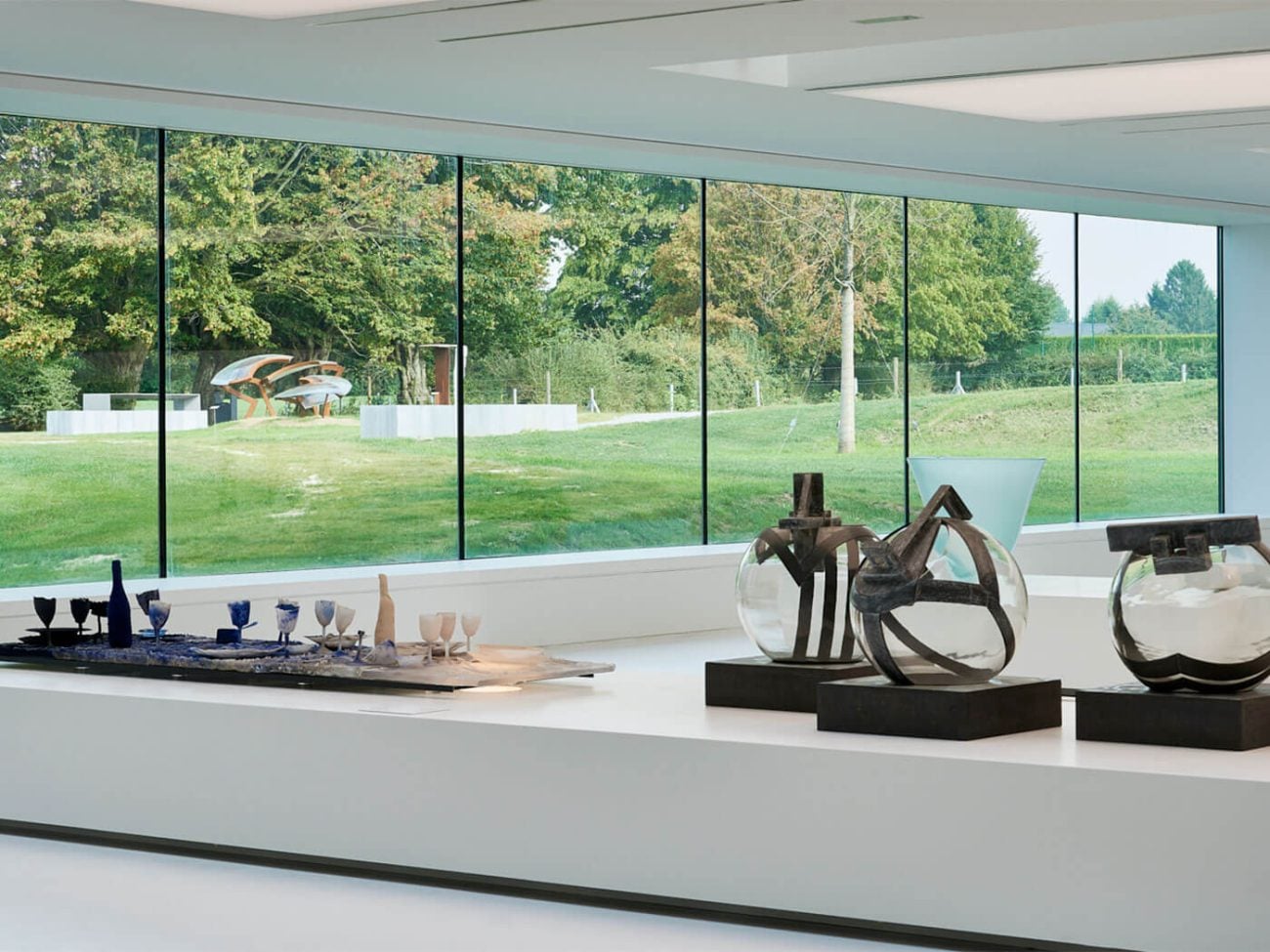
The MusVerre in Sars-Poteries, France, celebrates its tenth anniversary with a new exhibition titled "Enchanté – La fabrique des histoires," curated by Laura Bouvard. The museum, which opened in 2016 in a distinctive blue beveled building, houses over 800 glass artworks and 3,000 ancient pottery pieces, originating from the passion of amateur collector Louis Mériaux. Under new director Laetitia Messager, the museum is forging collaborations with the Musée de Charleroi, Cirva Marseille, and Frac Normandie, and plans to host a symposium in autumn to mark the anniversary.

In Pictures: The Highlights of the 2026 Venice Biennale

En images : les grands moments de la Biennale de Venise 2026

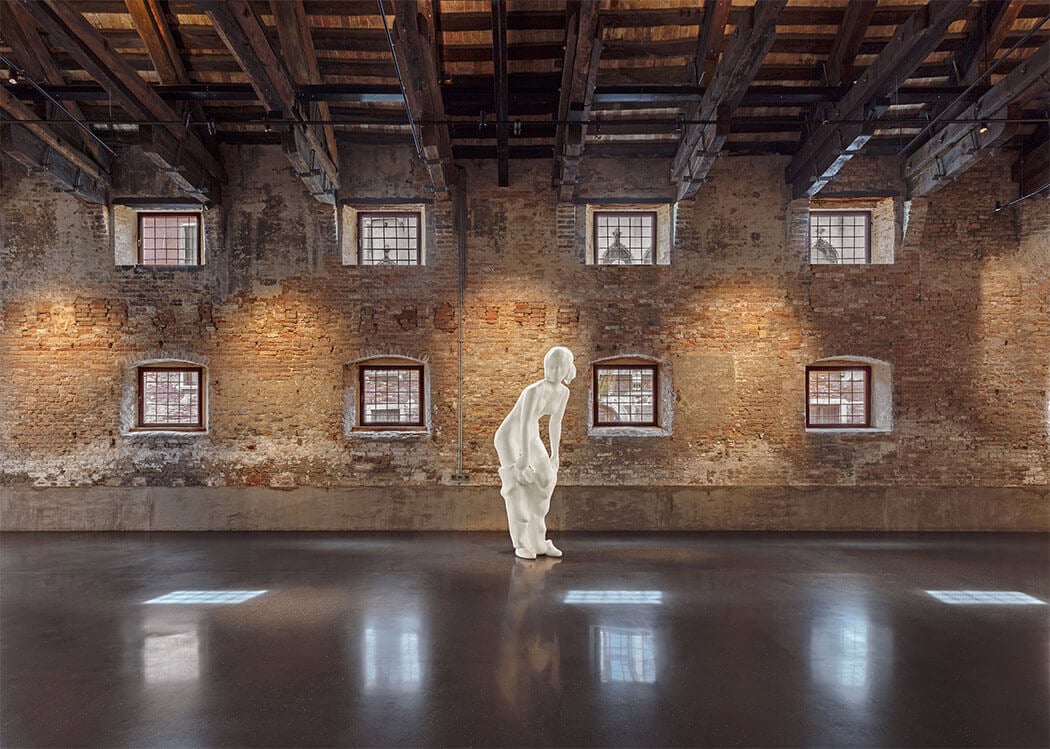
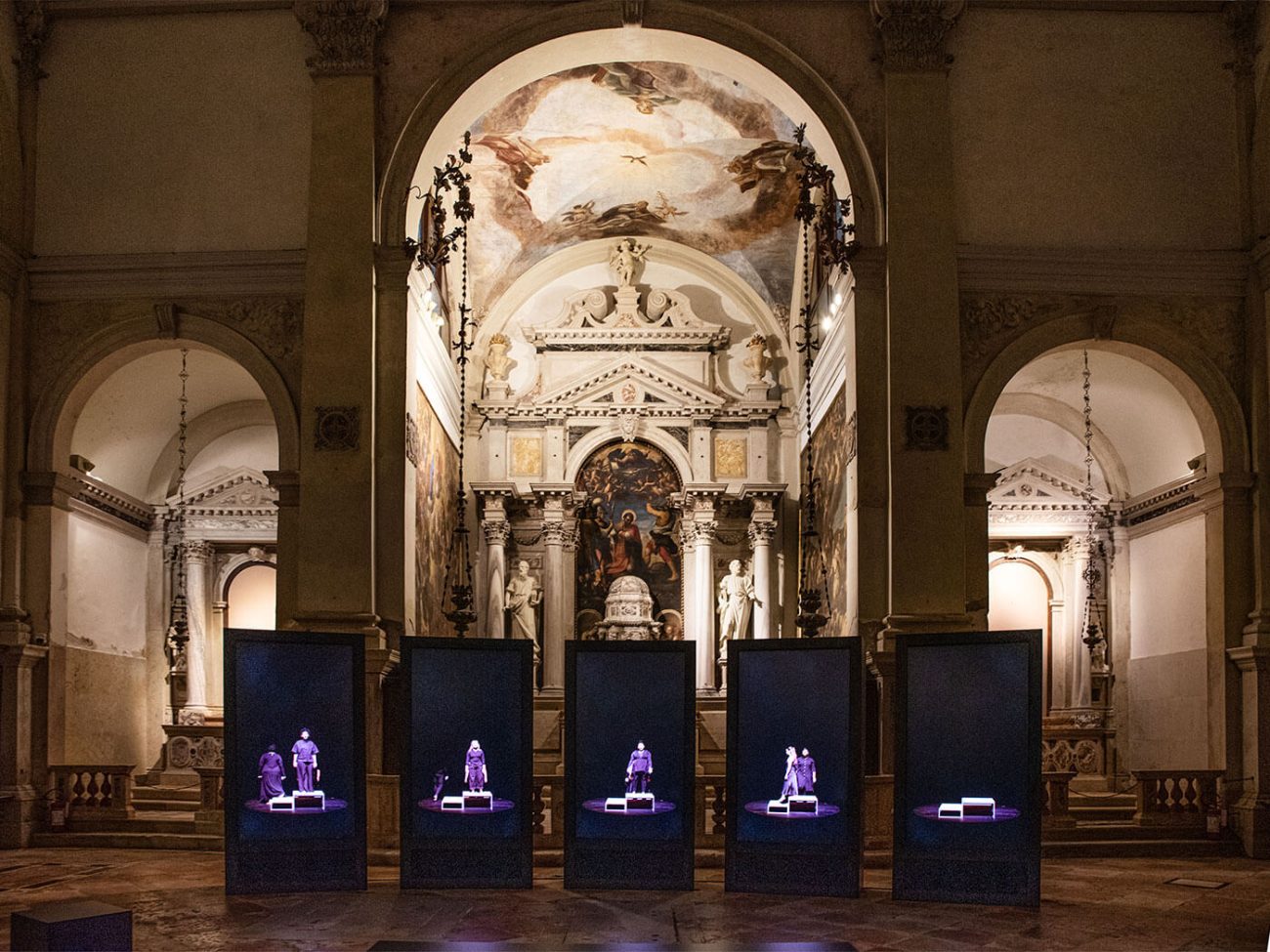
The 2026 Venice Biennale, titled "In Minor Keys" and curated by Koyo Kouoh, opened on May 9, 2026, at the Arsenale and Giardini venues. Kouoh, who died suddenly in May 2025 at age 57, conceived the event as a counterpoint to global noise and fury, inviting visitors to slow down and tune into minor tonalities. The exhibition features works addressing colonial memory, slavery, and Gaza, with a team of four curators executing her vision. Highlights include Maria Magdalena Campos-Pons's tribute to Kouoh and Toni Morrison, Hala Schoukair's installation, and Gabrielle Goliath's "Elegy," alongside collateral shows like the Dries van Noten Foundation at Palazzo Pisani Moretta and the Victor Pinchuk Foundation's "Still Joy – from Ukraine into the World."

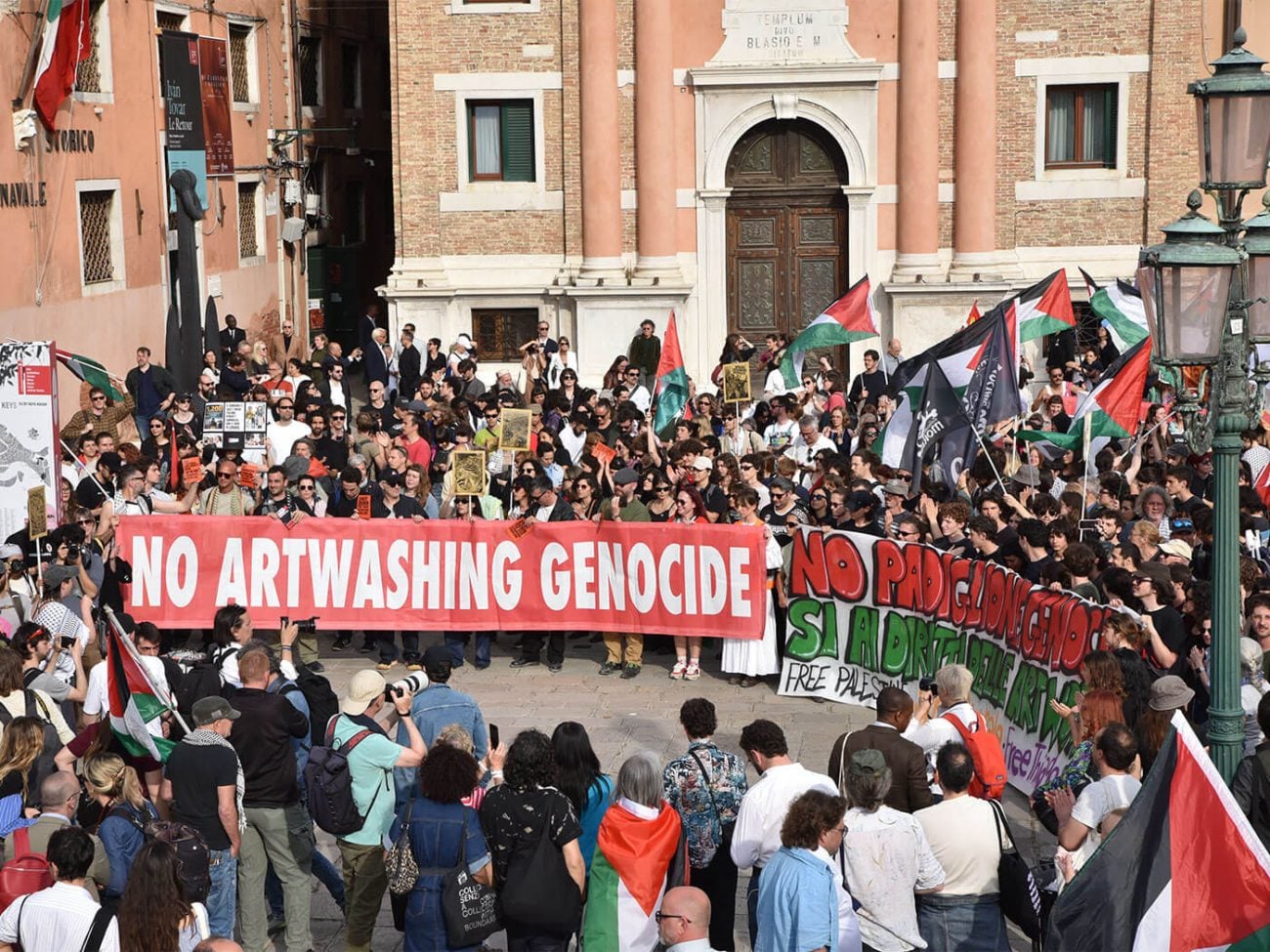
« No art washing ! » : à la Biennale de Venise, près de 3 000 manifestants réunis pour dénoncer la présence du pavillon israélien

On May 8, 2026, nearly 3,000 protesters gathered in Venice to demonstrate against the presence of the Israeli pavilion at the Venice Biennale. Led by the collective Art Not Genocide Alliance (Anga), the crowd included artists, curators, and cultural workers who chanted slogans such as "Stop al Padiglione genocidio" and called for a strike on the closing day of the professional previews. Dozens of national pavilions, including those of France, Belgium, Poland, Spain, the United Kingdom, Lebanon, and Ukraine, closed in solidarity. The protest followed a letter sent by Anga in March demanding Israel's exclusion, which went unanswered, and the self-dissolution of the awards jury on April 30 over the presence of both Israel and Russia.

In Venice, 22 unmissable exhibitions on the sidelines of the biennial

À Venise, 22 expositions incontournables en marge de la biennale

The article highlights 22 must-see exhibitions happening alongside the 61st Venice Biennale, which is expected to be affected by geopolitical tensions but still promises artistic vibrancy. Notable events include Bvlgari's dual projects featuring artists Lotus L. Kang, Lara Favaretto, and Monia Ben Hamouda; the unveiling of the Asscher collection at the Ama Venezia foundation with works by Charles Ray, Jenny Saville, and Richard Serra; and the inaugural exhibition "The Only True Protest Is Beauty" at the Fondation Dries Van Noten, showcasing 200 objects across fashion, design, and art. Other highlights include a dialogue between Picasso, Morandi, and Parmiggiani at the Fondazione Bevilacqua La Masa.

Venice Biennale 2026: What are the major trends that will mark the 99 national pavilions?

Biennale de Venise 2026 : quelles sont les grandes tendances qui vont marquer les 99 pavillons nationaux ?

The article previews the 2026 Venice Biennale, highlighting key trends across its 99 national pavilions. Major themes include the hybridization of theater, dance, and performance, particularly in pavilions from Austria, Luxembourg, Belgium, and Lithuania, where artists like Florentina Holzinger, Aline Bouvy, Miet Warlop, and Eglė Budvytytė use radical, body-centric works. Geopolitical engagement is also central, with the Ukrainian pavilion featuring Zhanna Kadyrova's work on resistance and the British pavilion exploring themes of exile and migration. Other notable pavilions include Spain's focus on imagery, a sound installation for the Vatican, a polyphonic piece for Romania, and a film on sign language song for Poland.

For the 61st Venice Biennale, a quest for beauty despite a troubled world

Pour la 61e Biennale de Venise, une quête de beauté malgré un monde troublé

Koyo Kouoh, the Swiss-Cameroonian curator who was set to become the first African woman to direct the Venice Biennale, died suddenly on May 10, 2025, at age 57, just weeks before the opening of the 61st edition she had conceived. Titled "In Minor Keys," the exhibition at the Giardini and Arsenale will proceed posthumously based on her detailed directives, featuring 111 artists including Laurie Anderson, Wangechi Mutu, and Kader Attia, with a focus on beauty, resilience, and radical emotional connection amid global turmoil.

Jo Ractliffe at the Jeu de Paume: “I am not a militant photographer, but when you work in South Africa you cannot escape stories of violence”

Jo Ractliffe au Jeu de Paume : « Je ne suis pas une photographe militante, mais quand on travaille en Afrique du Sud on ne peut échapper aux histoires de violence »

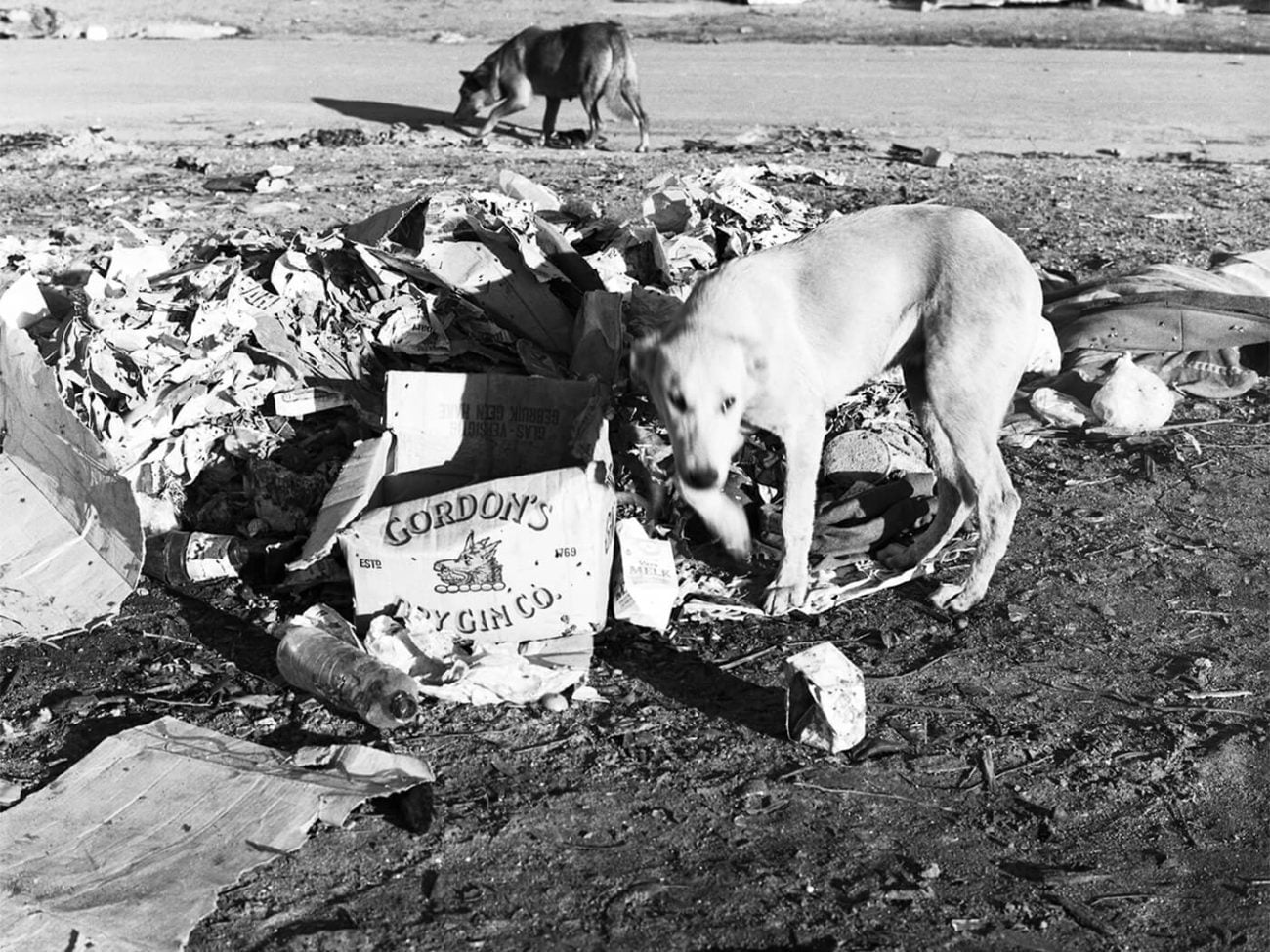
South African photographer Jo Ractliffe discusses her upcoming retrospective at the Jeu de Paume, reflecting on her career path that began during the isolation of the apartheid era. Eschewing traditional photojournalism, Ractliffe developed a singular poetic language focused on landscapes and animals to address the heavy histories of violence, ownership, and displacement in Southern Africa.

In Geneva, John M Armleder’s Stunning Lesson in Art History

À Genève, la renversante leçon d’histoire de l’art de John M Armleder

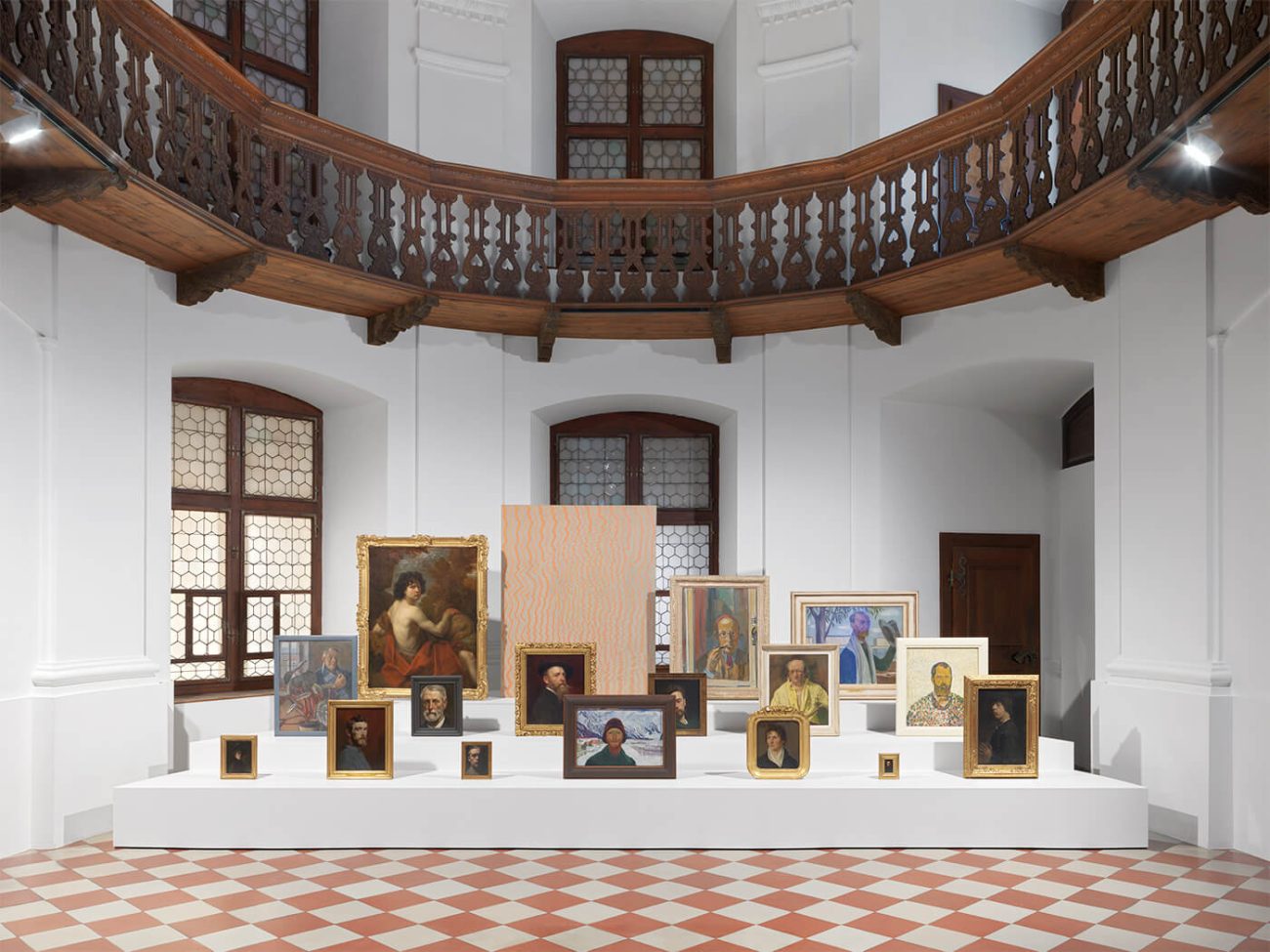
The Musée d’Art et d’Histoire (MAH) in Geneva has unveiled its sixth "carte blanche" exhibition, curated by the influential Swiss artist John M Armleder. Following in the footsteps of figures like Ugo Rondinone and Wim Delvoye, Armleder was invited by museum director Marc-Olivier Wahler to mine the institution's vast collection of 800,000 objects. The resulting show defies traditional museum hierarchies by juxtaposing fine art with decorative objects, such as silver-topped corks and musical instruments, alongside Armleder's own prolific output of multiples.

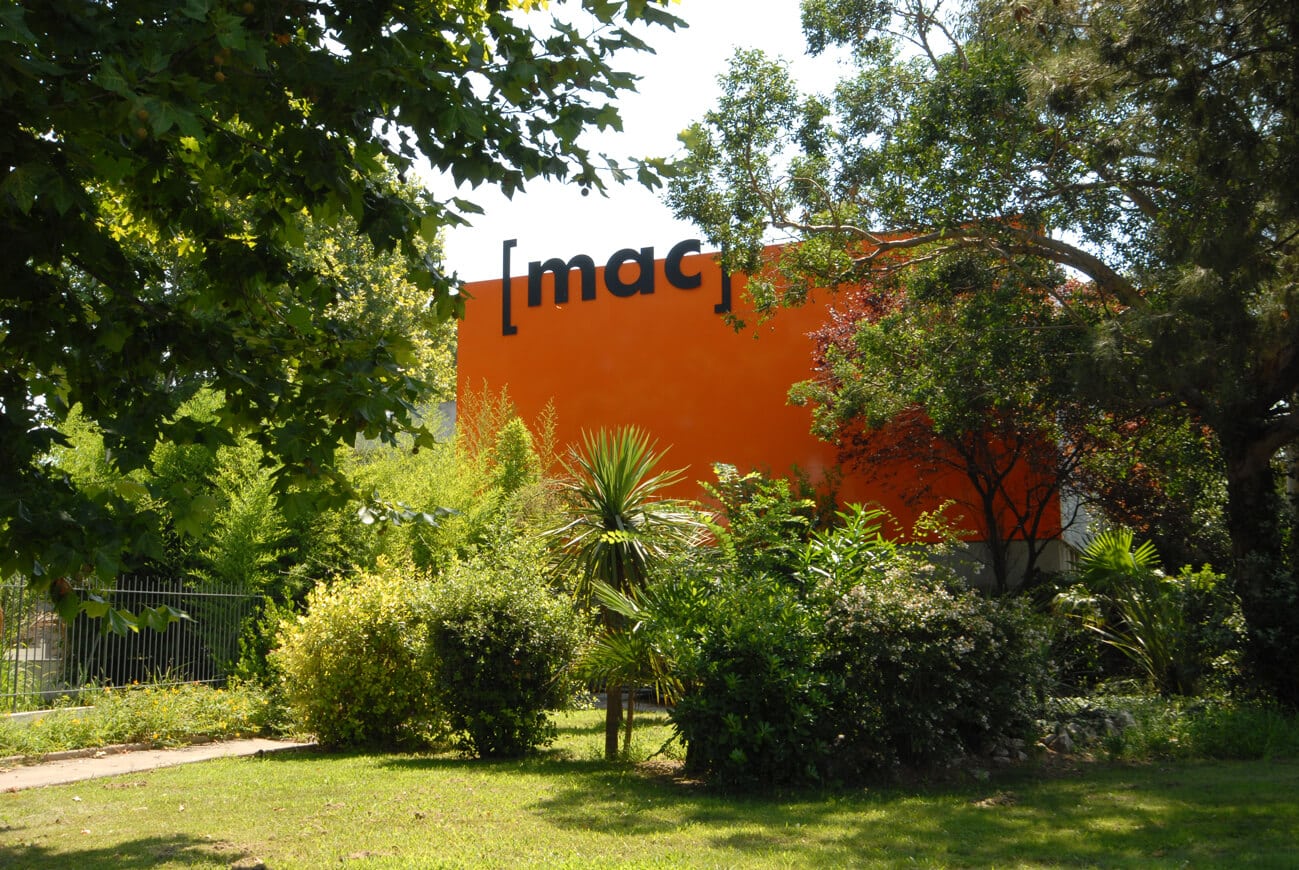
The Beautiful Renaissance of the [mac] in Marseille

La belle renaissance du [mac] à Marseille

The [mac] (Musée d’Art Contemporain) in Marseille is undergoing a significant revival following years of stagnation and underfunding. Under the new leadership of Stéphanie Airaud, who was appointed in 2023, the museum has completed major renovations including updated storage facilities, a new rooftop terrace, and a reorganized gallery layout. The institution is leveraging its impressive but previously underutilized collection of over 1,000 works—featuring masters like Basquiat, Klein, and Saint Phalle—while actively working to correct historical gender imbalances and strengthen ties to Mediterranean contemporary art.