
arrow_back Back to all stories

person Richard Unwin

newspaper The Art Newspaper article 2 articles

Venice show brings together two leading figures from the Polish avant-garde

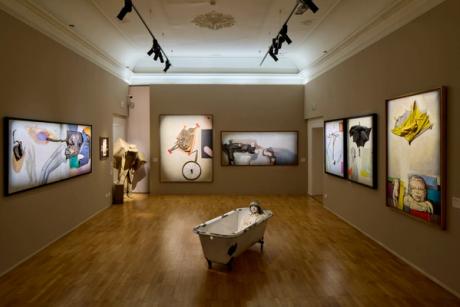
A collateral exhibition at the 2024 Venice Biennale, titled "Tadeusz Kantor (1915-1990) Emballage Cricotage and Madame Jarema," brings together two towering figures of the Polish avant-garde: Tadeusz Kantor and Maria Jarema. Organized by the Starak Family Foundation at the Procuratie Vecchie, the show features over 60 works spanning paintings, monotypes, sculptures, theatre props, and costumes, culminating in a room dedicated to Kantor's seminal theatre piece "The Dead Class" (1975). Jarema's work was shown at the 1958 Venice Biennale, and Kantor exhibited in the Polish pavilion in 1960; the exhibition highlights their intertwined, interdisciplinary practice and their foundational role in post-war Polish avant-garde art.
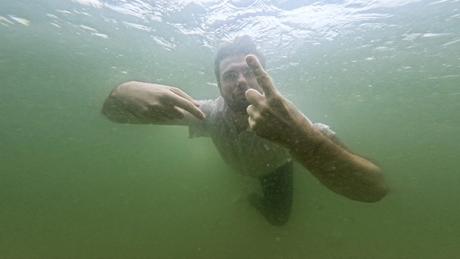
Polish pavilion at Venice Biennale explores fluidity of language with film recorded underwater

Poland's entry for the 2024 Venice Biennale, titled *Liquid Tongues*, is an audio-video installation by artists Bogna Burska and Daniel Kotowski. The work centers on a performance by the Chór w Ruchu (Choir in Motion), which includes both hearing and deaf performers, with much of the content filmed underwater in a Warsaw swimming pool. Presented across two screens in the Polish pavilion, the installation draws inspiration from whale song to explore alternative modes of communication, using spoken English and International Sign. The project builds on a previous performance at Warsaw's Zachęta National Gallery of Art and was developed in close collaboration with curators Ewa Chomicka and Jolanta Woszczenko.

‘The extremely happy part of the crowd’: Hungarian arts figures hope for change after 16 years of Orbán rule

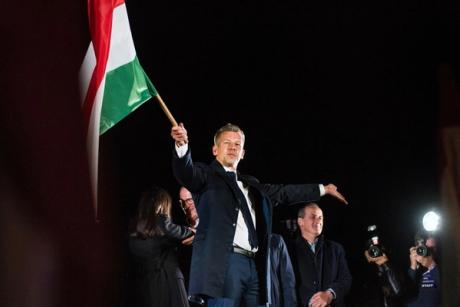
The 16-year tenure of Viktor Orbán has come to an end following a landslide victory for Péter Magyar’s Tisza Party in the 2026 Hungarian parliamentary election. The shift in power has sparked widespread celebration among Hungary’s progressive art community, which has long felt stifled by Orbán’s nationalist and socially conservative agenda. Figures from major Budapest galleries and the contemporary art scene report a profound sense of relief, signaling a potential departure from the "illiberal democracy" that dominated the country for nearly two decades.