
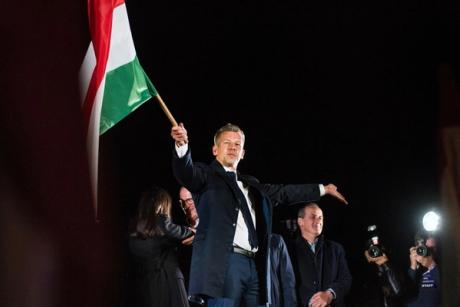
The 16-year tenure of Viktor Orbán has come to an end following a landslide victory for Péter Magyar’s Tisza Party in the 2026 Hungarian parliamentary election. The shift in power has sparked widespread celebration among Hungary’s progressive art community, which has long felt stifled by Orbán’s nationalist and socially conservative agenda. Figures from major Budapest galleries and the contemporary art scene report a profound sense of relief, signaling a potential departure from the "illiberal democracy" that dominated the country for nearly two decades.
This political transition is significant for the art world because it promises a reversal of policies that many viewed as anti-contemporary and authoritarian. Under Orbán, institutional autonomy was eroded, and controversial laws led to the dismissal of museum directors and the promotion of a conservative cultural agenda through the state-funded Hungarian Academy of Arts. The art community now hopes for the restoration of independent cultural institutions, a return to international dialogue, and the dismantling of state-controlled media structures that restricted critical expression.