
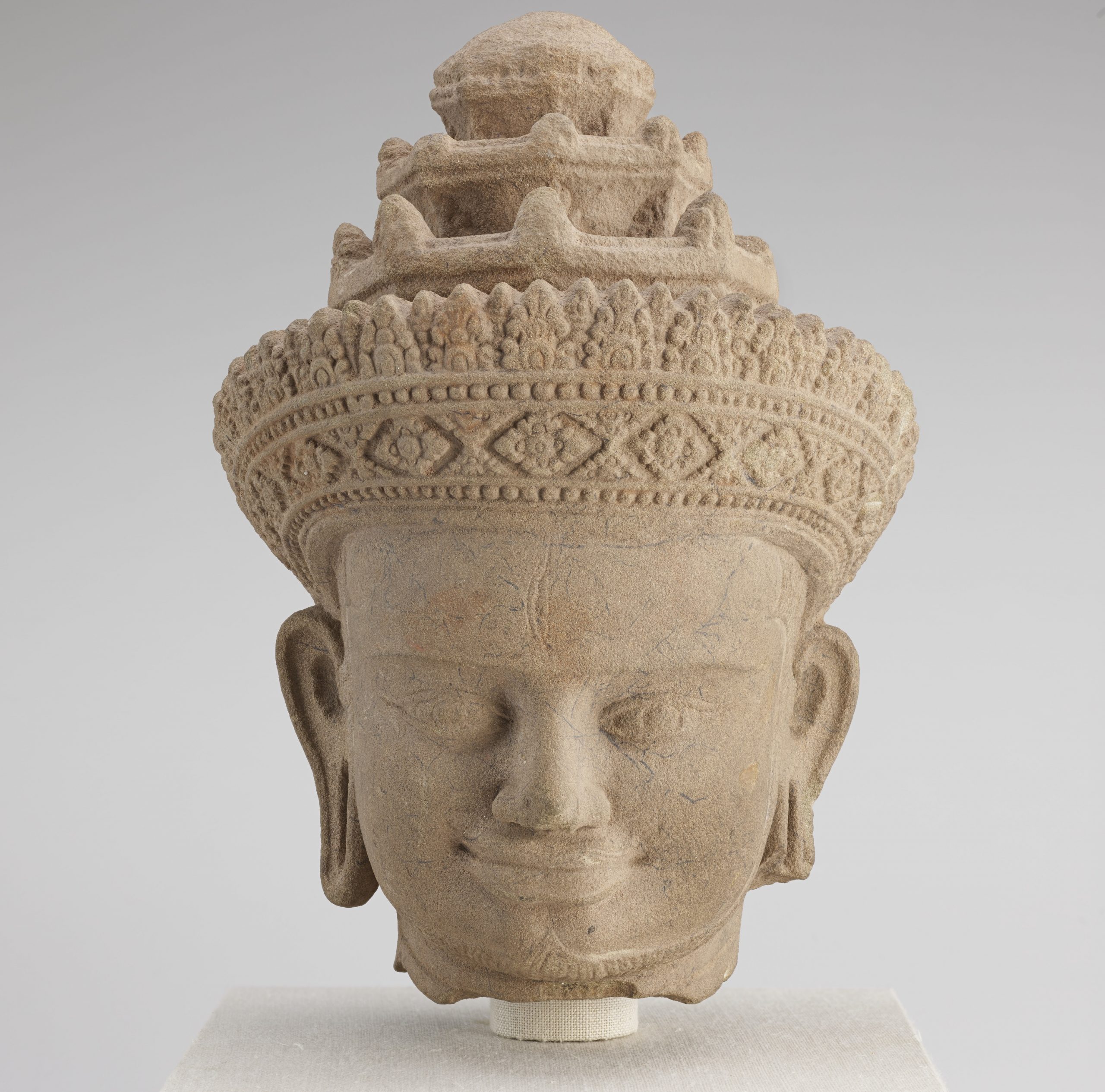
This week's art industry roundup covers major auction results, gallery representation changes, museum leadership shifts, and a high-profile art theft. François-Xavier Lalanne's *Hippopotame Bar* sold for $31.4 million at Sotheby's Breuer headquarters, setting a record for both the artist and design works. A Tiffany Magnolia floor lamp also set a new auction record at Sotheby's, fetching $4.4 million. Meanwhile, a New Jersey auction house quietly sold over $100,000 of Jeffrey Epstein's belongings, including artworks, without disclosing his ownership. In the gallery world, several artists changed representation, and former Clearing director John Utterson joined Thaddaeus Ropac. Museum news includes the Smithsonian's National Museum of Asian Art repatriating three Khmer-era sculptures to Cambodia, Maria Balshaw stepping down as Tate director, MoMA PS1 offering free admission starting January 1, and the Rijksmuseum planning a new branch in Eindhoven. Additionally, eight rare Matisse prints and five works by Candido Portinari were stolen from São Paulo's Mário de Andrade Library.
These developments matter because they highlight key trends in the art market, institutional ethics, and cultural accessibility. The record-breaking Lalanne and Tiffany sales underscore the booming market for design and decorative arts, while the Epstein auction raises questions about provenance and transparency. The repatriation of looted Khmer sculptures reflects ongoing efforts to address colonial-era theft, and Balshaw's departure from Tate signals a leadership transition at one of the world's most influential museum networks. MoMA PS1's free admission initiative could reshape access to contemporary art in New York, and the Rijksmuseum's expansion into Eindhoven demonstrates growing regional investment in cultural infrastructure. The São Paulo heist reminds us of the persistent vulnerability of cultural heritage to theft.