filter_list Showing 5 results for "Prajnaparamita" close Clear
search
dashboard All 5 gavel restitution 3museum exhibitions 1article news 1
date_range Range Today This Week This Month All
Subscribe

paint drippings art industry news dec 15 2729625

This week's art industry roundup covers major auction results, gallery representation changes, museum leadership shifts, and a high-profile art theft. François-Xavier Lalanne's *Hippopotame Bar* sold for $31.4 million at Sotheby's Breuer headquarters, setting a record for both the artist and design works. A Tiffany Magnolia floor lamp also set a new auction record at Sotheby's, fetching $4.4 million. Meanwhile, a New Jersey auction house quietly sold over $100,000 of Jeffrey Epstein's belongings, including artworks, without disclosing his ownership. In the gallery world, several artists changed representation, and former Clearing director John Utterson joined Thaddaeus Ropac. Museum news includes the Smithsonian's National Museum of Asian Art repatriating three Khmer-era sculptures to Cambodia, Maria Balshaw stepping down as Tate director, MoMA PS1 offering free admission starting January 1, and the Rijksmuseum planning a new branch in Eindhoven. Additionally, eight rare Matisse prints and five works by Candido Portinari were stolen from São Paulo's Mário de Andrade Library.

national museum of asian art returns sculptures to cambodia 1234766709

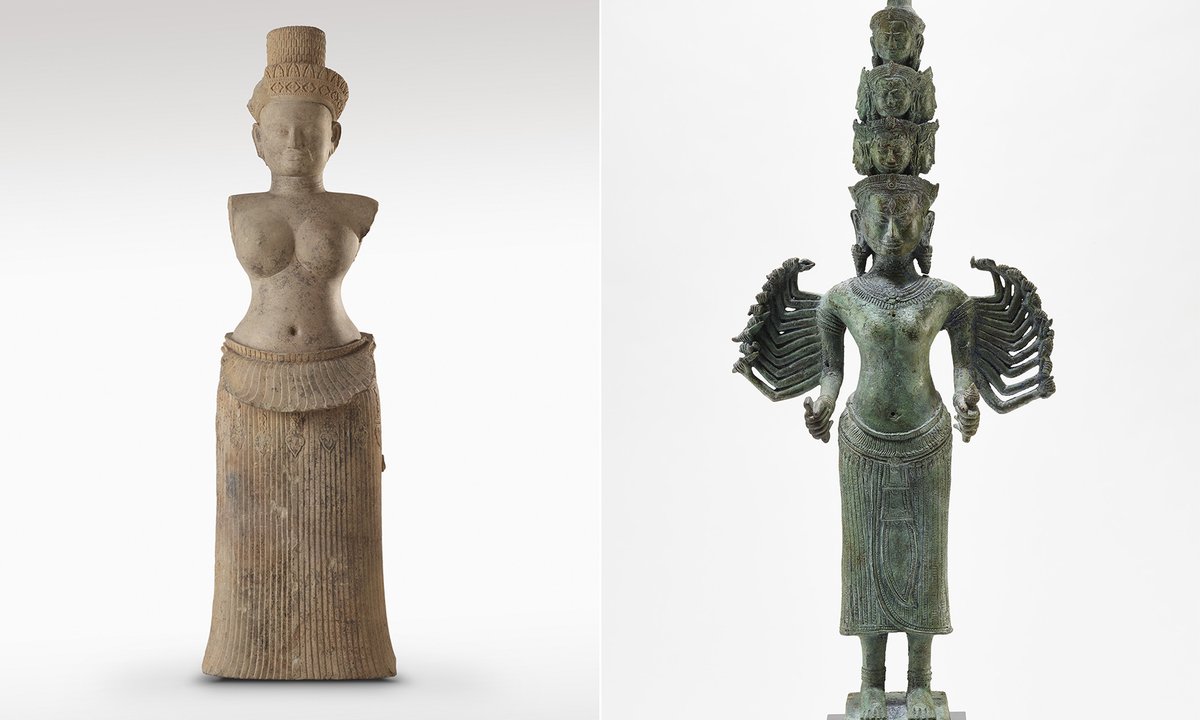
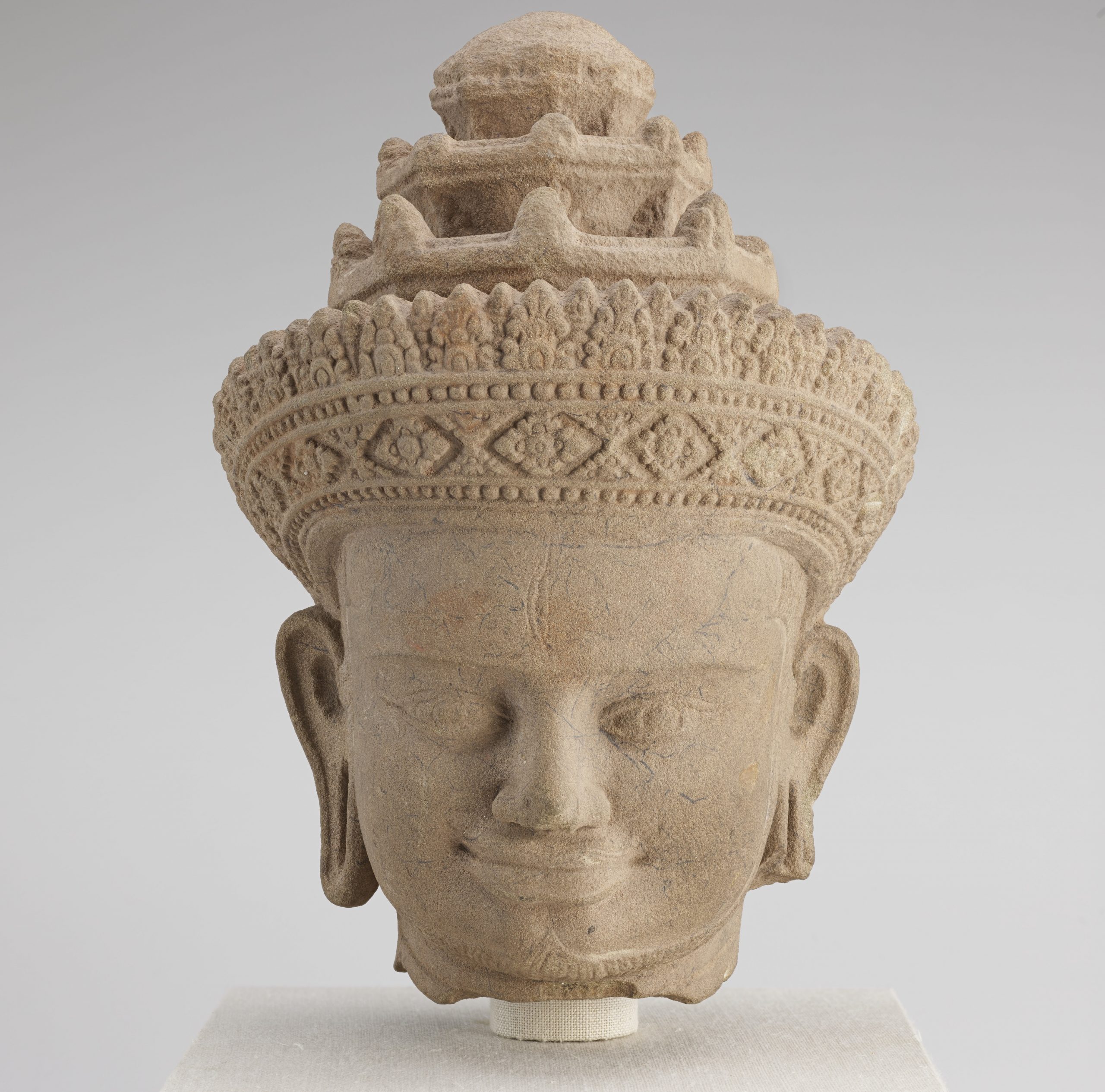
On December 11, the National Museum of Asian Art (NMAA), part of the Smithsonian Institution in Washington, D.C., announced it is returning three Khmer period sculptures to Cambodia. The works—a 10th-century Uma, a 10th-century Harihara, and a circa-1200 Prajnaparamita—were determined to have been likely looted during Cambodia’s civil war (1967–1975), based on research with Cambodian authorities, lack of export documentation, and links to dealers known for trafficking looted antiquities.

Sex, desire and intimacy explored in Singapore art exhibition for over-18s

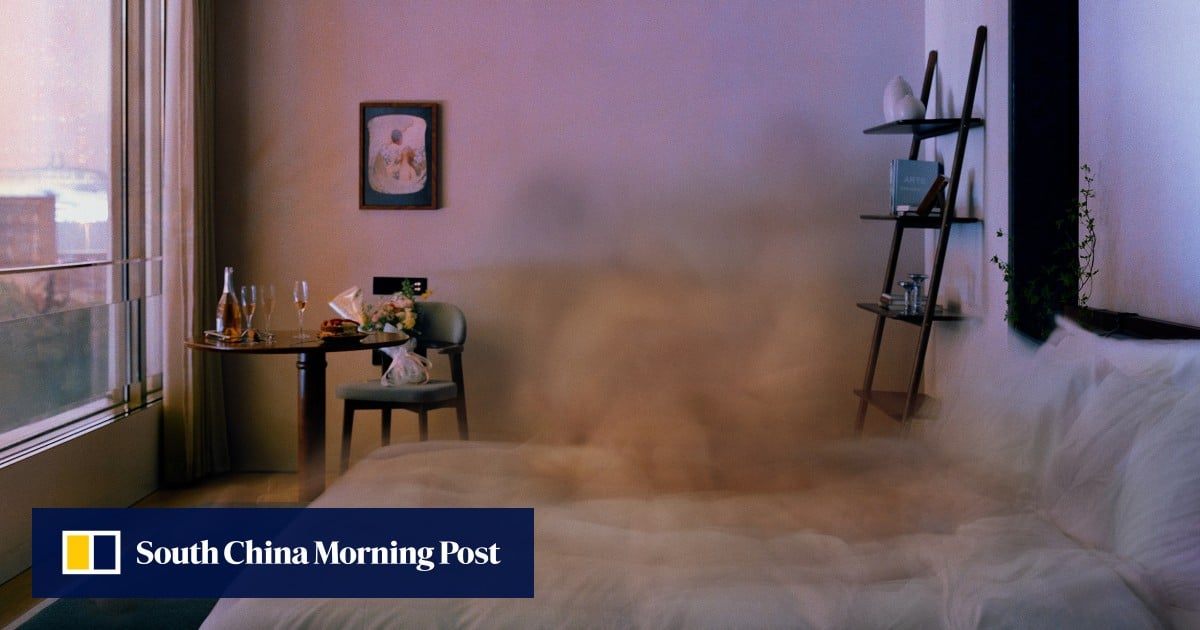
National Gallery Singapore (NGS) is presenting "Passion is Volcanic: Desire in Southeast Asian Art," an exhibition for over-18s that explores eroticism and desire through more than 70 works spanning 800 years. The show is structured into three chapters—"Asian Mythos and Rituals," "Conventions of the Erotic," and "Public Arenas/Private Interiors"—and includes pieces such as a 14th-15th century Tantric Buddhist sculpture and Araya Rasdjarmrearnsook's video work "I’m Living" (2002). Senior curator Adele Tan, a co-curator, says she wanted to use the lens of eroticism to uncover overlooked narratives in the museum's collection.

Smithsonian’s National Museum of Asian Art returns three sculptures to Cambodia

The Smithsonian’s National Museum of Asian Art (NMAA) in Washington, DC, has voluntarily returned three sculptures to the Cambodian government after an internal provenance investigation determined the objects were likely removed from Cambodia during the country’s civil war (1967-75). The returned artifacts include a tenth-century sandstone head of Harihara, a tenth-century sandstone sculpture of the goddess Uma, and a bronze statue of Prajnaparamita from around 1200. The museum’s director, Chase F. Robinson, stated that strong evidence linked the pieces to problematic dealers and a context of war and violence, and that no documentation supported their lawful export. The objects were donated to the NMAA by Arthur M. Sackler and Gilbert and Ann Kinney without proper provenance papers.

smithsonians national museum of asian art returns three looted sculptures to india 1234771247

The Smithsonian's National Museum of Asian Art announced it will return three looted bronze sculptures to India: "Shiva Nataraja" (ca. 990), "Somaskanda" (12th century), and "Saint Sundarar with Paravai." Provenance research linked the works to art dealers known for trafficking looted antiquities. The museum partnered with the Photo Archives of the French Institute of Pondicherry in 2023, finding the bronzes had been photographed in Tamil Nadu temples between 1956 and 1959 and removed in violation of Indian laws. This follows the museum's December return of three Khmer-period sculptures to Cambodia, also determined to be looted.