
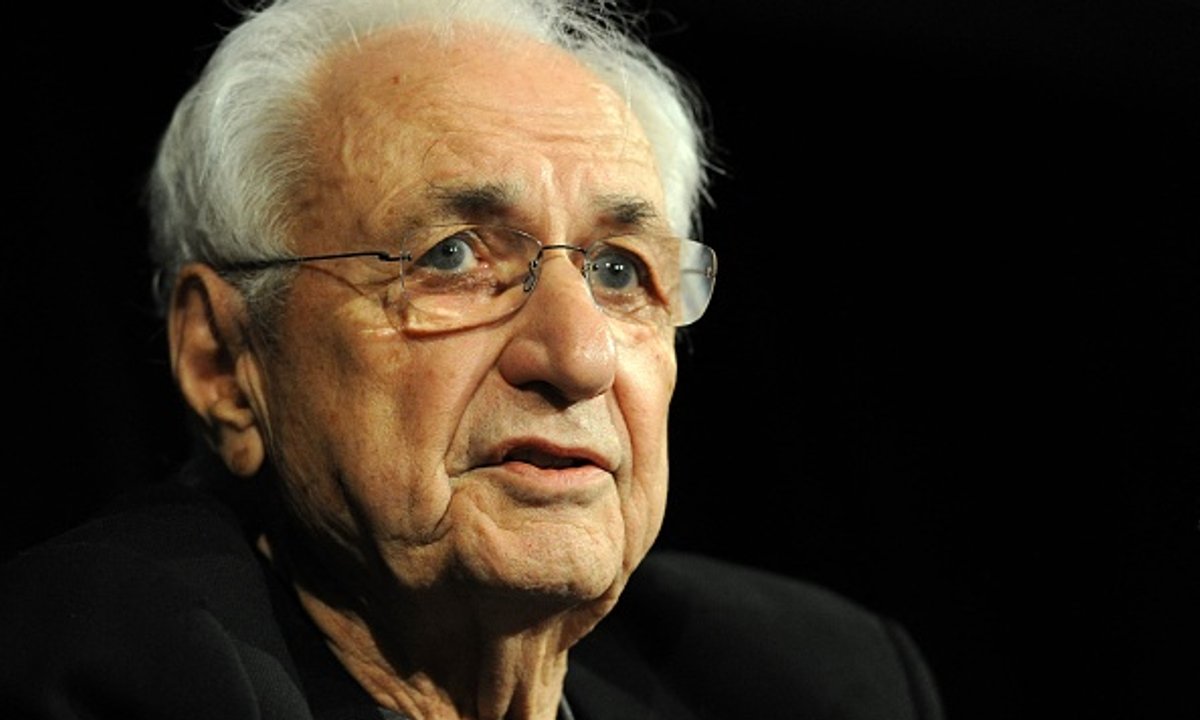
Frank Gehry, the legendary architect who transformed the global architectural landscape with his deconstructivist style, has died in Santa Monica on 5 December. The article traces his career from his early days remodeling his own Santa Monica home—a controversial project that used corrugated metal, plywood, and chain-link fencing—to his rise as a Pritzker Prize winner and the creator of the iconic Guggenheim Museum Bilbao (1997). Gehry, born Ephraim Goldberg in Toronto in 1929, studied at the University of Southern California and Harvard before founding Frank O. Gehry & Associates in 1962, and spent over six decades championing buildings that embraced emotion and movement over cold minimalism.
Gehry's death marks the end of an era for post-Modern architecture. His work, particularly the Guggenheim Museum Bilbao, reshaped how cities use iconic architecture for cultural and economic revitalization, sparking what became known as the "Bilbao effect." Beyond his buildings, Gehry's defiant, playful approach—often called his "cheapskate" style—influenced generations of architects and designers, proving that ordinary materials could become extraordinary through imagination. His legacy is cemented not only in his structures but in the way he challenged architectural conventions and inspired a more human-centered, expressive built environment.