
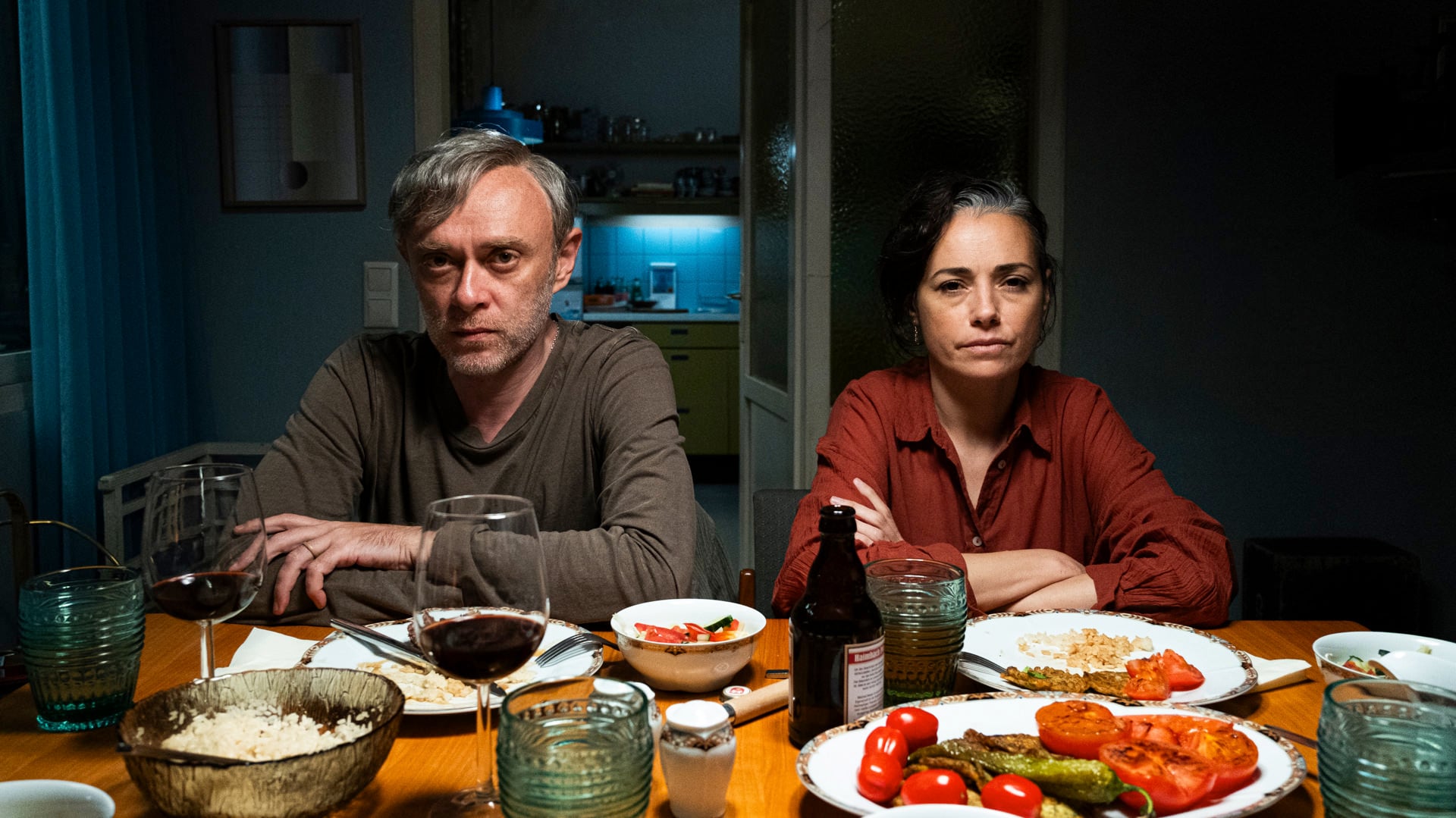
Ilker Çatak's fifth film, "Yellow Letters," premieres on April 30, 2026, distributed by Lucky Red. The story follows Derya and Aziz, a Turkish artist couple whose lives unravel after Aziz, a professor at Ankara University, receives a "yellow letter" terminating his employment. The film, inspired by post-2016 coup purges in Turkey, shifts to Berlin and Hamburg, where the director deliberately avoids mimicking Turkish locations, instead using explicit captions like "Berlin as Ankara" to create a Brechtian alienation effect. Çatak explores how arbitrary state repression fractures personal relationships and moral boundaries, drawing on interviews with artists who faced unjust dismissals.
This matters because "Yellow Letters" addresses the global erosion of artistic freedom and free expression, using cinema as a political tool without direct accusation. By setting the story in Germany among diaspora communities, Çatak highlights how censorship and state control are not confined to authoritarian regimes but resonate in Western democracies. The film's self-reflexive style—refusing illusion and demanding active viewer engagement—offers a model for politically engaged art that questions power structures while remaining artistically rigorous. It arrives at a moment when debates over censorship and artistic autonomy are intensifying worldwide.