
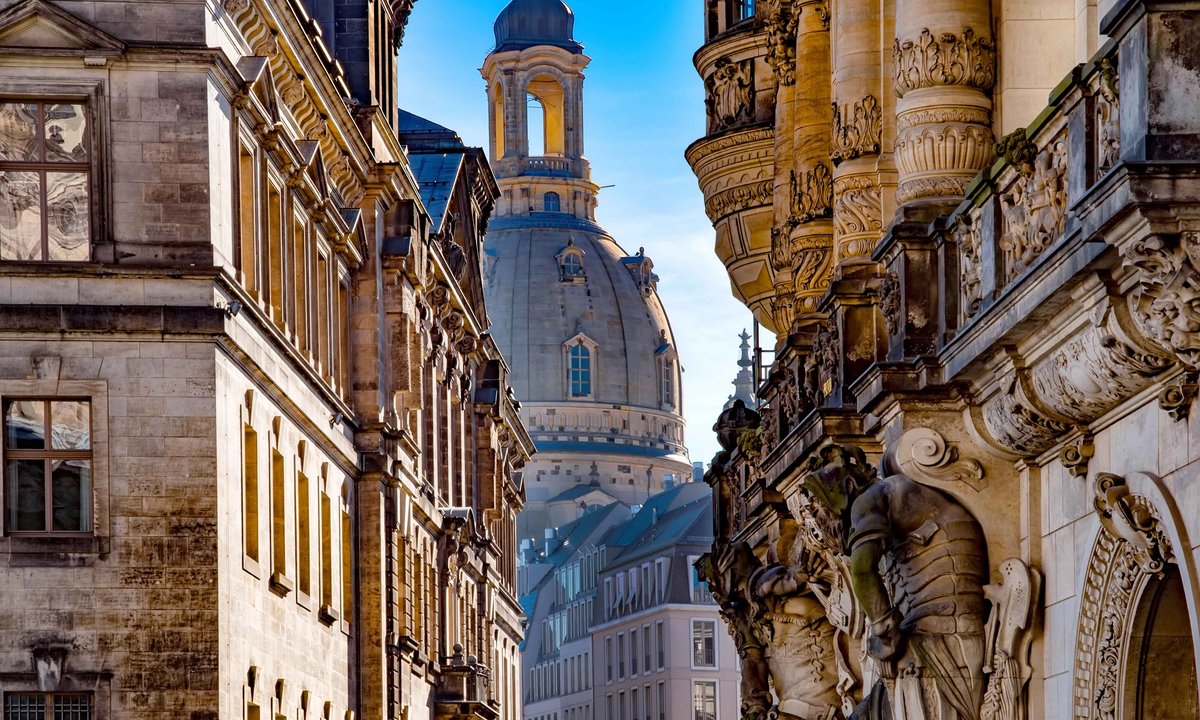
The article presents a curated guide to ten essential artworks in Dresden, Germany, highlighting the city's recovery from World War II devastation to reclaim its status as a Kunststadt (city of art). It focuses on masterpieces housed in the Staatliche Kunstsammlungen Dresden (SKD), including Raphael's *Sistine Madonna* (1512/13) at the Gemäldegalerie Alte Meister, Caspar David Friedrich's *The Great Enclosure* (1832) at the Albertinum, and a tiny cherry pit with 185 carved heads from the Grünes Gewölbe. The piece traces Dresden's golden age under rulers Augustus the Strong and Frederick Augustus II, whose acquisitions built one of Europe's most celebrated art collections.
This matters because it underscores Dresden's resilience as a cultural destination and the enduring legacy of the Wettin dynasty's patronage. By spotlighting specific works across the SKD's 15 museums—all within walking distance—the article serves as a practical travel guide for art enthusiasts, emphasizing how historic collections remain vital to the city's identity and tourism. It also reflects broader trends in cultural heritage preservation and the ongoing relevance of Baroque and Romantic masterpieces in contemporary museum contexts.